
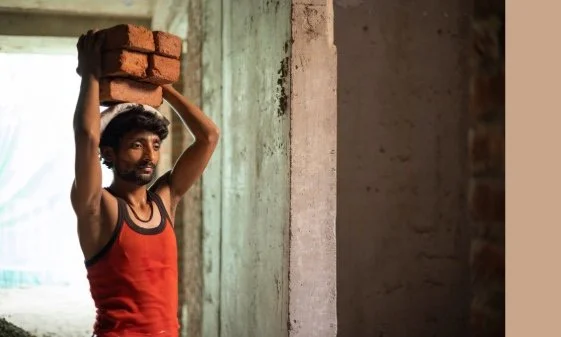
The Economic Survey 2025-26, released on January 29, presents an economy that appears strong in headline numbers, yet several of its findings raise concern for everyday life, with direct effects on households through jobs, incomes, prices, security and access to public support.
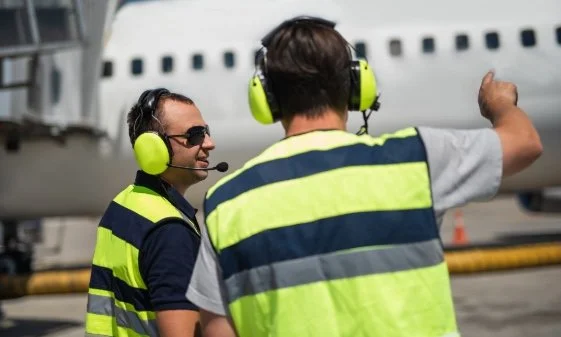
A fatal plane crash near Baramati on January 28 killed Maharashtra’s Deputy Chief Minister Ajit Pawar and four others during a chartered flight operated by a private aviation company. The incident demands an examination of whether India’s aviation system contains the structural safeguards found in more developed regulatory environments.
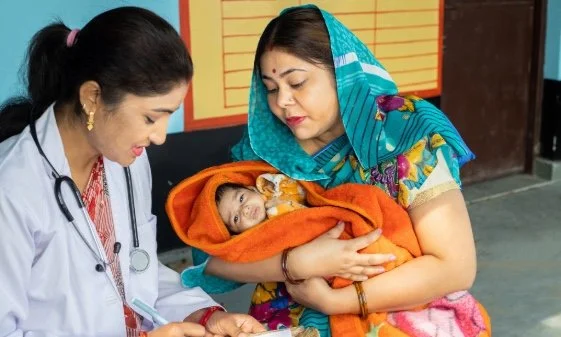
A new study, which analysed healthcare spending in India from 1991 to 2023, has shown that when the government spends less on healthcare, families are forced to cover more of their medical costs on their own, often pushing them into debt or leading them to delay or skip treatment. This means every funding decision by the government directly affects whether healthcare becomes more accessible or turns into a financial burden for the majority of the citizens.
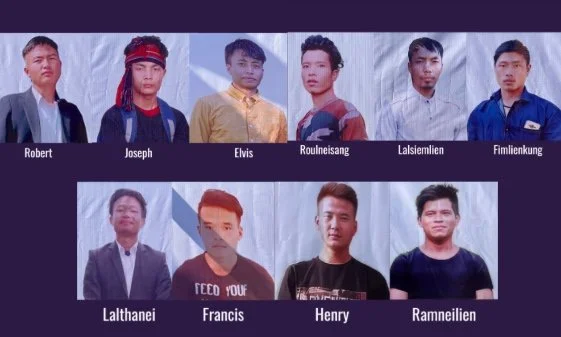
A Kuki-Zo tribal group has condemned the Indian government’s conferment of the Shaurya Chakra to a Central Reserve Police Force (CRPF) officer allegedly involved in the November 2024 killing of 10 civilians in Manipur, calling it a “state endorsement of the extrajudicial killing.”

Every party or coalition that comes to power brings its own definition of “good governance.” And each version reflects a political ideology. But in doing so, they shift attention away from the basic and non-negotiable duties a government owes its citizens – the duties written into the Constitution. There is one article, and sadly we seldom talk about it, that defines with precision the constitutional instruction on what governance must achieve.
A sitting judge of the Supreme Court of India, Justice Ujjal Bhuyan, has publicly stated that the transfer of judges is solely an internal matter of the judiciary and that government involvement in such decisions is constitutionally impermissible. His statement a recent instance in which the Supreme Court collegium, the body responsible for judicial appointments and transfers, formally recorded that a transfer had occurred at the executive’s request.

Doctors in eastern India have identified at least five people infected with Nipah virus cases, including doctors and nurses, and nearly one hundred others have been told to isolate themselves at home. One patient is reported to be in critical condition. For many, this raises a basic but serious question, what is this virus, and should they be worried? The short answer is that panic is not necessary, but paying attention is.
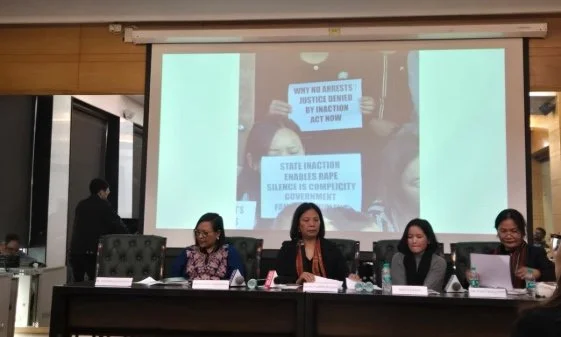
Abducted and gang-raped at the age of 18 during the early days of violence in Manipur, a Kuki-Zo woman died waiting for justice on January 10, 2026, in a hospital in Guwahati, more than 500 kilometres away. Her death has triggered renewed outrage and demands for accountability and structural overhaul in Manipur’s administration.
India’s cities are growing louder in ways that endanger public health. New findings confirm that this environmental stressor affects both body and mind, yet monitoring remains inconsistent and enforcement weak.
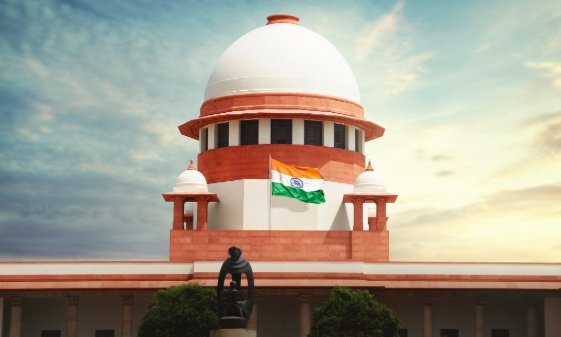
The Supreme Court of India has ruled that state governments have full legal authority to prosecute central government officials for corruption through their own police forces or Anti-Corruption Bureaus (ACBs), without needing any permission or involvement from the Central Bureau of Investigation (CBI). This is a welcome development for state governments, especially those run by opposition parties, and for citizens, because it strengthens legal accountability and curbs the Centre’s ability to delay or block investigations by claiming that only central agencies can act.

India is ranked 63rd out of 89 countries in the 2026 Quality of Life Index, with a total score of 122.3 which is below the global average. The rankings are based on multiple measurable factors that affect daily life, including cost of living, healthcare, traffic, pollution, property prices, safety and purchasing power.
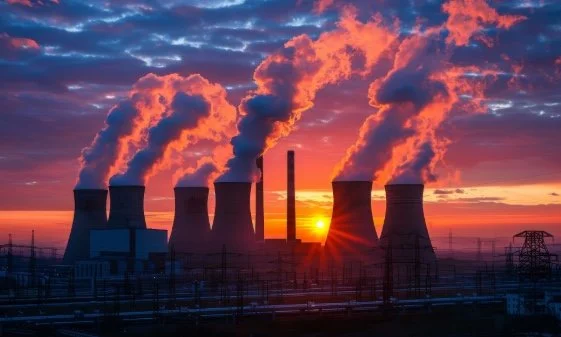
India could save about $170 billion (14.1 lakh crore rupees) by retiring its coal-fired power plants earlier than scheduled, according to a new study, which adds that cutting emissions can also improve public health and economic efficiency within India’s current energy system.
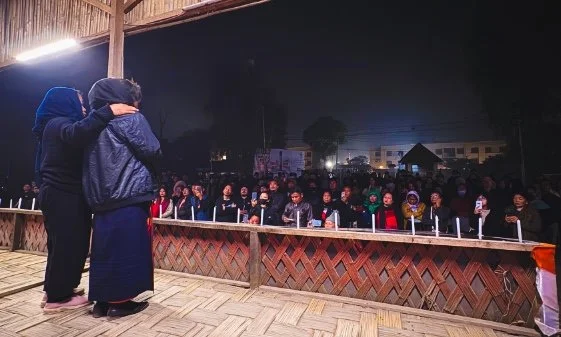
A 20-year-old Kuki-Zo tribal woman who was abducted, gang-raped and left for dead during the early days of the ethnic violence in Manipur died on January 10 from medical complications caused by the injuries she suffered nearly 20 months earlier. Her mother, speaking to Newsreel Asia, said all she wants now is justice for the heinous crime.
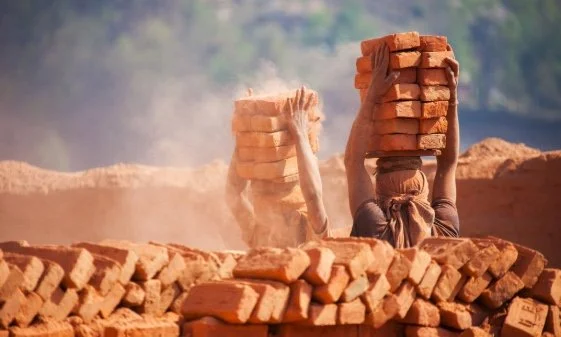
In India, the idea of dignity of labour is missing in large part due to the caste system. While some discussion has begun, much of it centres on showing respect to workers or speaking favourably about their occupations. This limited framing can mask deeper issues of discrimination, exclusion and injustice. It does little to uphold the dignity of either the worker or the work.
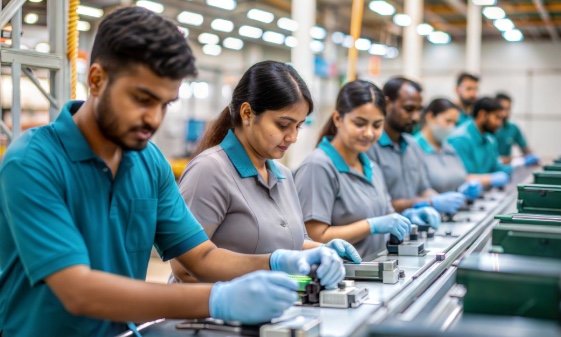
Is India’s workforce growing, but without a matching rise in job quality? The International Labour Organization’s World Employment and Social Outlook: Trends 2026 report shows that in Southern Asia, where India is a key contributor to regional trends, employment growth is concentrated in informal, insecure and low paid work. This means millions are working more but still not earning enough or building stable futures.
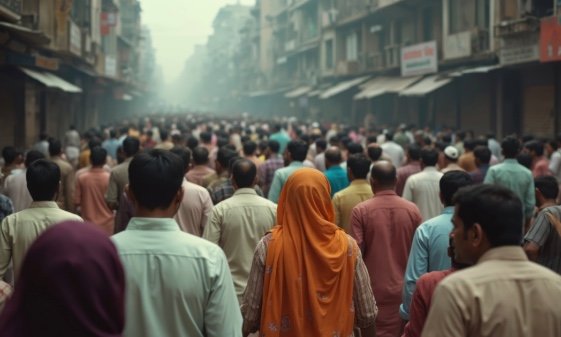
In 2025, India recorded 1,318 in-person hate speech events, averaging more than three per day and overwhelmingly led by Hindu nationalist groups and political actors affiliated with the ruling Bharatiya Janata Party, according to a report by the India Hate Lab. The report supports the inference that a political choice is behind the sustained scale of public incitement, which undermines both the rule of law and the idea of equal citizenship.
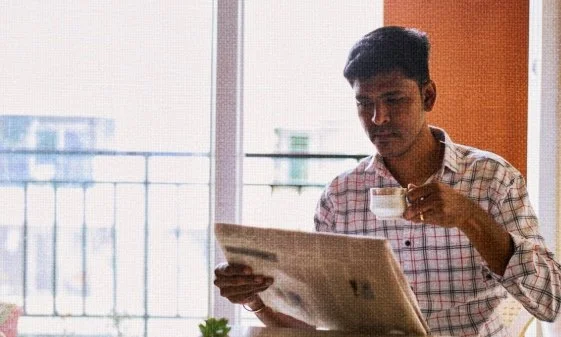
The central government has brought into force the Occupational Safety, Health and Working Conditions Code, 2020, repealing the two special laws that had governed the service conditions and wages of working journalists since 1955. The change marks a retreat from the idea that journalism requires tailored labour protection and replaces it with a generic framework that weakens the professional security of the press.

A software engineer, Marmik Patel, applied to hundreds of jobs without success before changing his approach. By building products and networking in person, he eventually drew interest from over 80 recruiters, he shared on X. Does this suggest that traditional methods like mass online applications are no longer effective in competitive markets where access to opportunity is unevenly distributed?
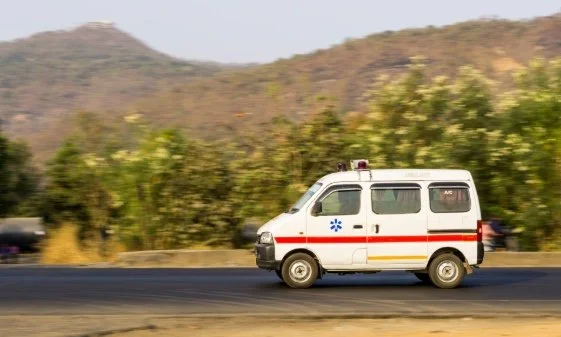
Nearly 78 percent of all deaths in India occur without any verified medical cause, according to a new report. The state does not know and does not even try to confirm what killed the vast majority of its citizens. The absence of basic data cripples the country’s ability to identify disease patterns, plan healthcare services, or respond to emerging threats.
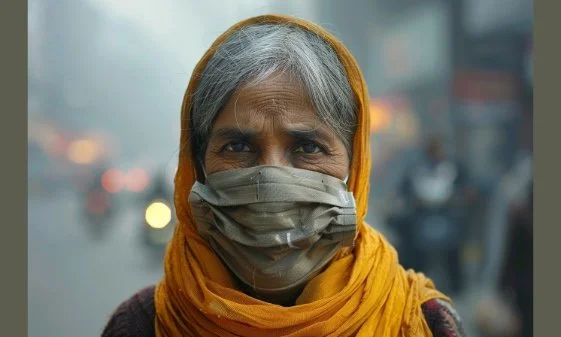
A new report shows that the majority of Indian cities are recording levels of air pollution far above the national safe standards. This shows that toxic air has become a daily reality across the country, while policies continue to misread the causes and fall short in delivering effective responses.

The Union environment ministry has issued a directive allowing both private and government entities to lease forest land for afforestation and timber projects without paying the environmental compensation charges that were meant to discourage ecological loss. While afforestation can help restore damaged ecosystems when done with native species, it can also involve commercial plantations that offer little ecological value. The new policy risks treating forest clearing as an environmental contribution, even when it replaces complex ecosystems with single-species plantations.

Just one city from North India features in the list of the country’s top 10 cities for women, according to a new nationwide index assessing inclusivity and career opportunities. The remaining nine are all located in the southern, western and eastern regions of the country.
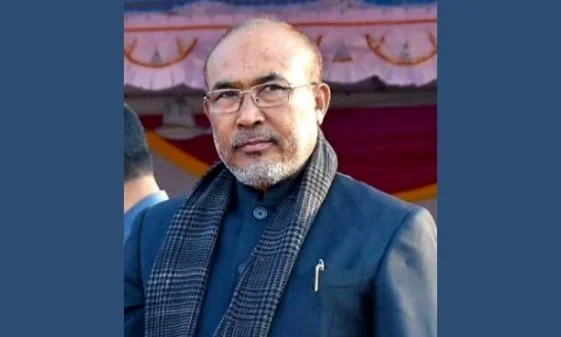
The Supreme Court has directed the Manipur government to send the full 48-minute audio recording, allegedly featuring former chief minister Biren Singh discussing his role in the 2023 ethnic violence, to the National Forensic Science Laboratory (NFSL) in Gujarat for voice analysis and authentication. The violence left over 250 people dead, displaced tens of thousands, and areas inhabited by the Kuki-Zo tribes remain cut off from Meitei-dominated regions to this day.
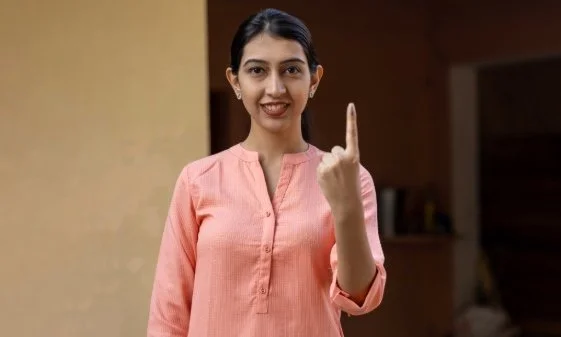
India’s Election Commission (EC) has deleted over 1.2 million names from electoral rolls in just two districts of Uttar Pradesh as part of its “Special Intensive Revision” (SIR) exercise. Some deletions may involve Absent, Shifted or Deceased cases, but such entries cannot explain the removal of over a quarter of the electorate. One is, therefore, left to ask whether the Commission has any explanation beyond the two clear possibilities, that these voters were either wrongly included in the past or are wrongly excluded now. Both reflect poorly on the institution.
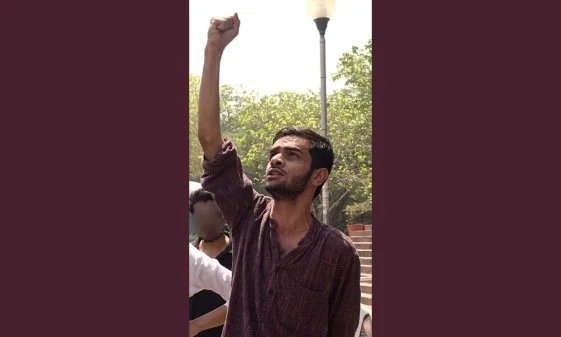
The Supreme Court has granted bail to five people accused in the 2020 Delhi riots case but refused bail to two, Umar Khalid and Sharjeel Imam. The court said these two played a more central or “higher” role in the events leading to the violence, and based on that, should remain in jail. But this distinction, between so-called leaders and others, is deeply concerning, as it assigns degrees of guilt before a trial has even begun.
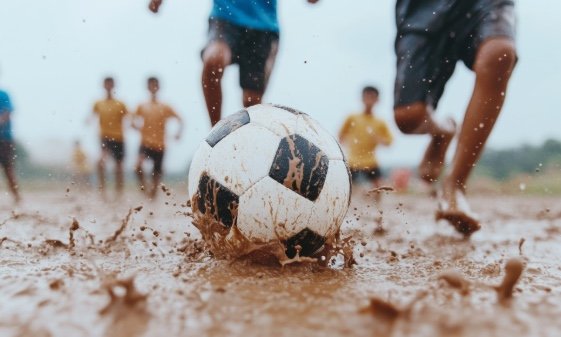
India’s top footballers have publicly appealed to FIFA, warning that the sport in the country is facing “permanent paralysis” due to a failure of basic administration. Actor and football club co-owner John Abraham responded to the players’ appeal with a blunt message: “Shame on us... this is what we have come to.” Their words point to the collapse of a national system that, despite widespread public interest in football, still cannot provide Indian players with stable competitions, professional security or a functioning league.
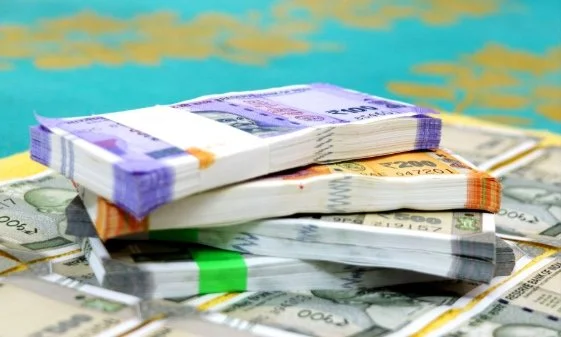
Indian states are likely to borrow an unprecedented 5 trillion rupees between January and March 2026 to meet their routine government spending, the largest amount ever raised by state governments in a single quarter in India’s history, according to the Reserve Bank of India (RBI). This record debt may push up interest rates on home and business loans, delay government-funded work like school repairs, road construction and public healthcare, and leave less money for job schemes, rural wages and welfare payments.
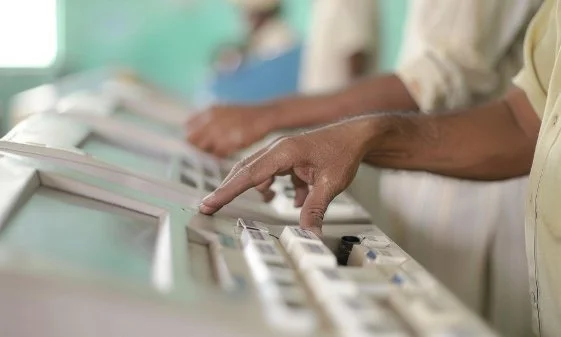
The ruling Mahayuti alliance in Maharashtra has reportedly secured 68 of 69 municipal corporation seats without a vote being cast, as rival candidates withdrew en masse before polling. The development warrants serious concern, as one is left to ask whether intimidation, coercion, or inducement may have effectively replaced voter choice in these constituencies. It also raises the possibility of behind-the-scenes arrangements between contesting parties to prevent electoral competition. Either scenario undermines the central democratic principle of competitive elections.
A Hindu businessman was attacked by a mob in Bangladesh’s Shariatpur district on 31 December 2025. He was beaten with sharp weapons, doused in petrol and set on fire. This was the third such attack in a month, part of a larger pattern of violence against religious minorities since the fall of the previous government. The incident shows that the interim administration has failed to enforce the rule of law in cases involving political or communal violence. That failure has left the country’s transition in a dangerously exposed state.
Adolescent girls in many parts of India miss several days of school each month during their periods due to lack of sanitary products, inadequate toilets and fear of public embarrassment. In response to this widespread exclusion, the Supreme Court of India has ruled that access to menstrual health is part of the fundamental right to life under Article 21 of the Constitution. The ruling affirms that denying girls the means to manage their periods in school violates their right to live with dignity, safety and equal opportunity.