
What’s Wrong When Parties Win an Election Before Voting Even Begins in Maharashtra
From the Editor’s Desk
January 3, 2026
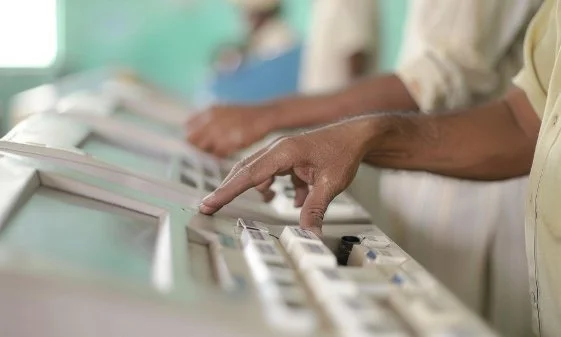
The ruling Mahayuti alliance in Maharashtra has reportedly secured 68 of 69 municipal corporation seats without a vote being cast, as rival candidates withdrew en masse before polling. The development warrants serious concern, as one is left to ask whether intimidation, coercion, or inducement may have effectively replaced voter choice in these constituencies. It also raises the possibility of behind-the-scenes arrangements between contesting parties to prevent electoral competition. Either scenario undermines the central democratic principle of competitive elections.
In total, 2,516 nominations were filed for the civic elections, of which 2,182 were deemed valid, according to The Indian Express. On the final day for withdrawal, 453 candidates pulled out, leaving 1,729 in the fray. As a result, 69 seats ended up with only one candidate each, and 68 of these were won uncontested by parties in the ruling Mahayuti alliance. The Bharatiya Janata Party (BJP), part of the ruling alliance, emerged as the biggest beneficiary, winning 44 of these seats unopposed.
The Shiv Sena faction led by Eknath Shinde, a member of the ruling alliance, secured 22 seats in similar fashion, while the Ajit Pawar-led NCP faction, also part of the alliance, won two. One seat went to the Islamic Party in Malegaon. Only one of the 69 seats will see a contest.
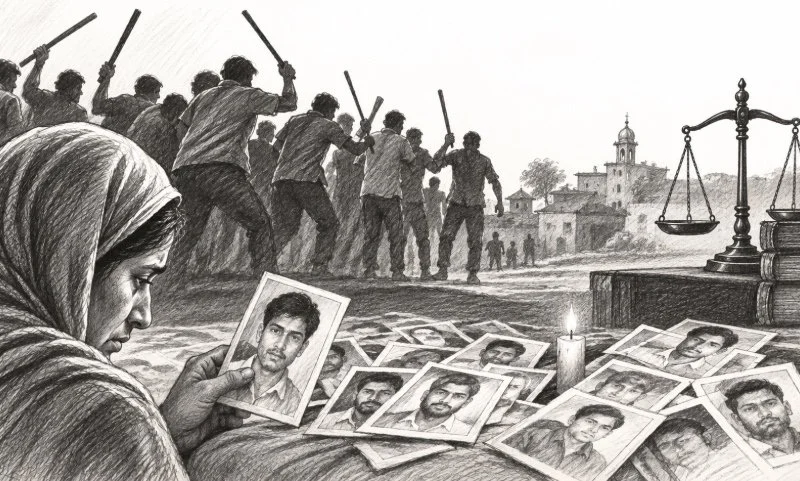
In Solapur, a clash between rival BJP factions reportedly led to the death of a party worker, according to the Express. In Nashik, BJP workers protested the selection of candidates from outside the party. In Nagpur, one rebel candidate was physically confined to force his withdrawal. In Mumbai and other cities, party leaders reportedly scrambled to neutralise dissent by offering organisational positions or personal assurances to rebels.

The use of such tactics was not confined to one party. Congress party leaders allegedly attempted similar methods to prevent internal divisions, as reported by the Express. Thackeray-aligned factions of the Shiv Sena and the Maharashtra Navnirman Sena also struggled to prevent their candidates from contesting against each other.
In Panvel, mass withdrawals by candidates from the Maha Vikas Aghadi (MVA, a political alliance formed in 2019 by the undivided Shiv Sena under Uddhav Thackeray, the NCP under Sharad Pawar, and the Indian National Congress, and which now continues with the Uddhav and Sharad Pawar factions) ensured the BJP wins. And in Sambhajinagar, a rebel candidate who had attempted self-immolation refused to back down.
This points to a political culture in which the appearance of electoral competition is being maintained while actual voter participation is curtailed. Or, we could say that the spectacle of elections continues, but meaningful democratic choice is withdrawn.
In political science, a democracy is considered legitimate only if elections offer real competition. This means voters must have genuine choices, and those in power must face the risk of losing. Austrian political thinker Joseph Schumpeter argued that democracy is not just about holding regular elections, but about making sure those elections give people a meaningful say. If opposition candidates are removed or forced to withdraw, even elections that follow formal rules can lose their substance. Wins that happen without a contest, especially through unclear or pressured means, fail that basic test.
The withdrawal of 20 percent of valid candidates in one day raises questions about the integrity of candidate participation. Political scientists, including Andreas Schedler, a Mexican scholar of Austrian origin known for his work on authoritarian regimes, and Steven Levitsky, an American political scientist at Harvard University who specialises in hybrid democracies, have shown that mass candidate withdrawals are often a sign of manipulated elections, where those in power work behind the scenes to eliminate real competition.
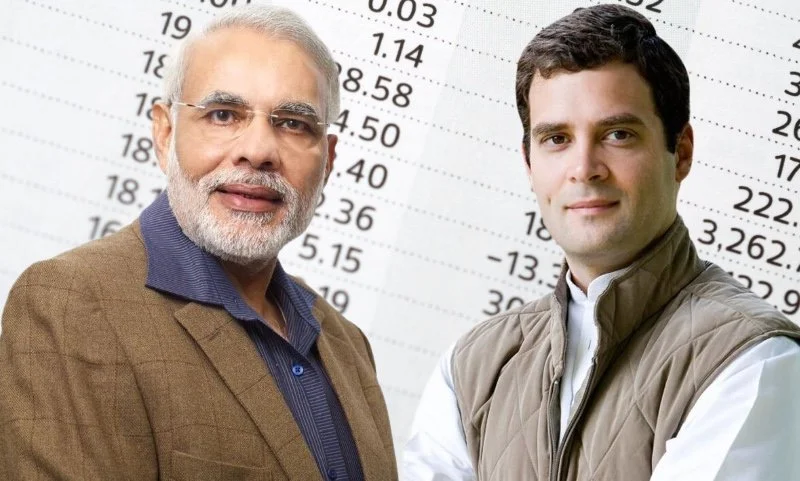
Whether these withdrawals occurred due to fear, inducement, or strategic coordination, they remove the uncertainty essential to democratic politics. Elections without uncertainty become rituals of affirmation, not mechanisms of accountability.
Democracy also rests on what theorists call vertical and horizontal accountability. Vertical accountability refers to the ability of voters to choose and replace leaders. That mechanism is sabotaged when seats are handed over without contest. Horizontal accountability involves intra-party debate and checks within the political system. That too is eroded when dissenting party workers are pressured, confined, or physically harmed to ensure compliance.
The use of state-aligned muscle power or party enforcement to silence rebels also undermines internal democracy within parties. This is particularly important in parliamentary democracies like India’s, where voters often rely on parties more than individual candidates. If internal processes are coercive or undemocratic, voters are denied any genuine influence on governance outcomes, even if elections are held.
From a procedural lens, the use of pressure to win unopposed elections also creates a chilling effect. Future candidates may pre-emptively avoid standing for election, knowing they may be coerced or harmed. This has long-term implications for civic engagement, political renewal and the representativeness of local government.
Municipal elections are often entry points for grassroots leaders. Blocking that pipeline damages the health of the political system.
In a functioning democracy, the Election Commission is responsible for ensuring fair elections, while the police are tasked with maintaining law and order during the process. If mass withdrawals occur without scrutiny or corrective action, it raises concerns about whether institutions are unwilling or unable to protect open competition. Without active safeguards for dissent and fair contest, elections risk becoming hollow rituals.
You’ve just read a News Briefing written by Newsreel Asia’s Text Editor, Vishal Arora, meant to cut through the noise and bring you one important story of the day. We invite you to read the News Briefing daily. Our aim is to help you become a sharp, responsible and engaged citizen who asks the right questions.
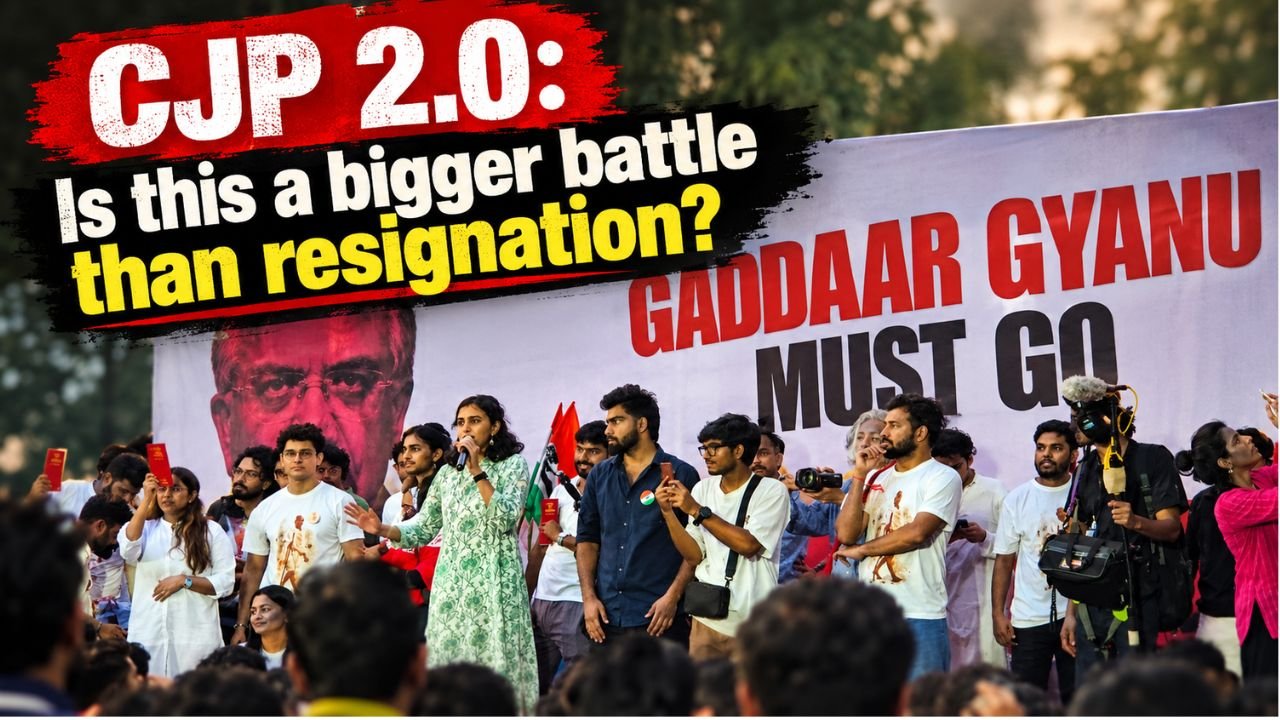
On October 12, opposition leaders, MPs, MLAs, student organisations and political workers came together in a massive march against Chief Election Commissioner Gyanesh Kumar, raising serious concerns over the Special Intensive Revision (SIR) of electoral rolls and the alleged mass deletion of voters’ names. The march brought together a broad coalition, including the INDIA bloc, AISA, SFI and other student unions, as part of a wider nationwide mobilisation against the SIR exercise and concerns surrounding electoral integrity.