
Which Article in the Indian Constitution Defines Good Governance?
From the Editor’s Desk
January 26, 2026

Every party or coalition that comes to power brings its own definition of “good governance.” And each version reflects a political ideology. But in doing so, they shift attention away from the basic and non-negotiable duties a government owes its citizens – the duties written into the Constitution. There is one article, and sadly we seldom talk about it, that defines with precision the constitutional instruction on what governance must achieve.
That’s Article 38 of the Constitution, which performs a philosophical and operational function, setting a governing standard.
It sits within Part IV of the Constitution, the Directive Principles of State Policy. Although these principles are not enforceable in court, the Supreme Court has repeatedly held that they are fundamental in the governance of the country and essential to the meaning of the Constitution. Dr. B.R. Ambedkar described the Directive Principles as a “novel feature” of the Constitution, designed to place the state under a legal and moral obligation to organise its institutions in a manner that would serve the weakest and most vulnerable.
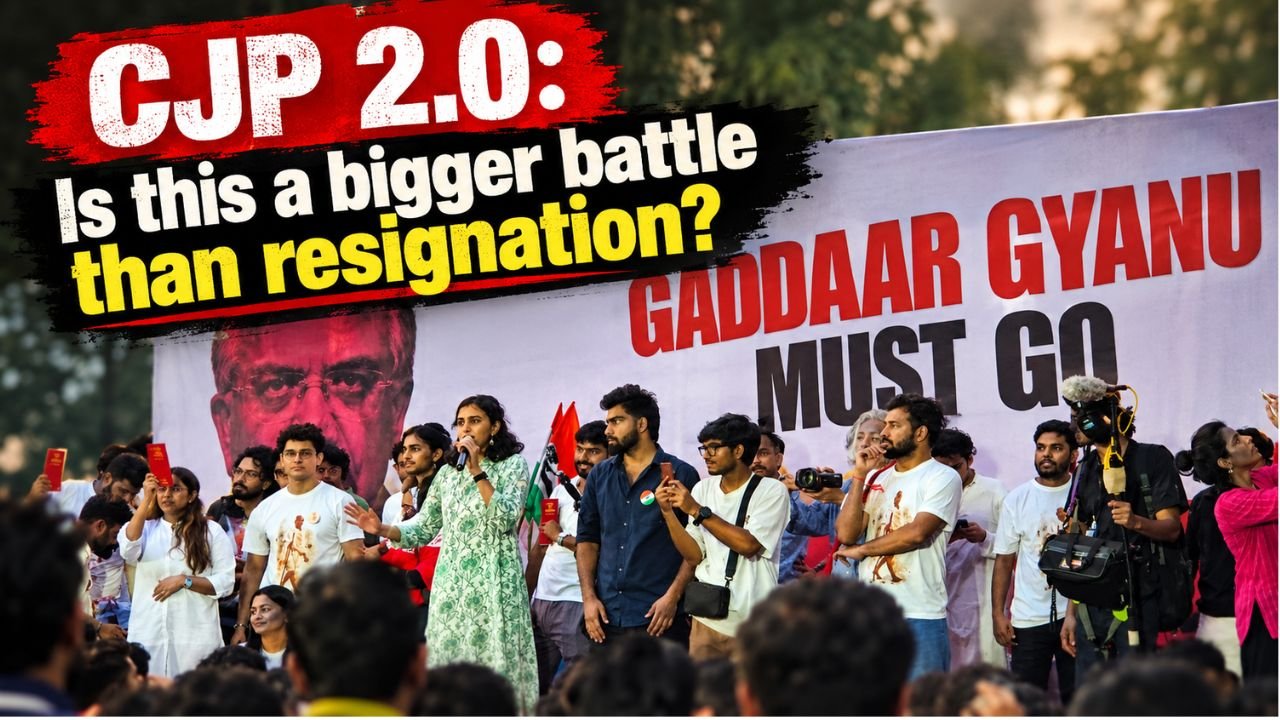

Article 38 is titled, “State to secure a social order for the promotion of welfare of the people.” It has two clauses. The first reads, “The State shall strive to promote the welfare of the people by securing and protecting as effectively as it may a social order in which justice, social, economic and political, shall inform all the institutions of the national life.” And clause 2 reads, “The State shall, in particular, strive to minimise the inequalities in income, and endeavour to eliminate inequalities in status, facilities and opportunities, not only amongst individuals but also amongst groups of people residing in different areas or engaged in different vocations.”
In this formulation, justice provides the condition through which welfare is to be achieved. The article links justice directly to the structure and functioning of public institutions. It sets a standard for governance based on whether the exercise of power produces fairness across society.
Article 38 requires the state to promote justice and reduce inequality across all sections of society. It does not authorise the state to govern on behalf of one group or identity, even if that group forms the electoral majority. Majoritarian politics removes justice and welfare from the centre of governance. It replaces the idea of a shared social order with a logic of division, where access, protections and public resources are filtered through loyalty or identity.
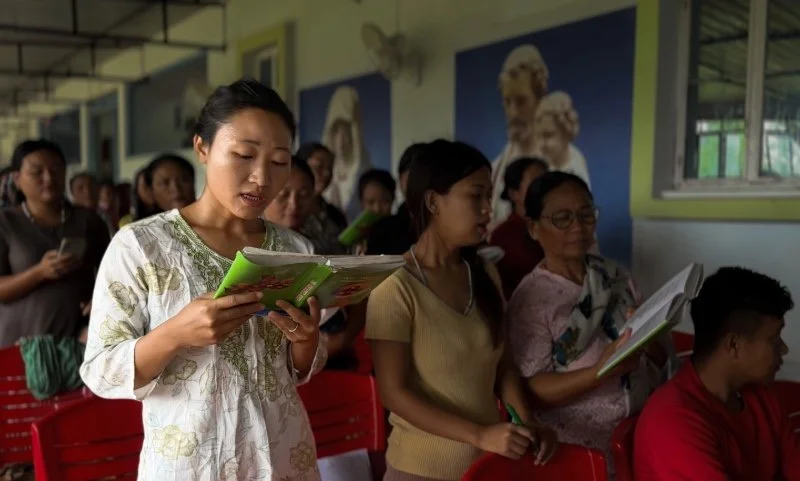

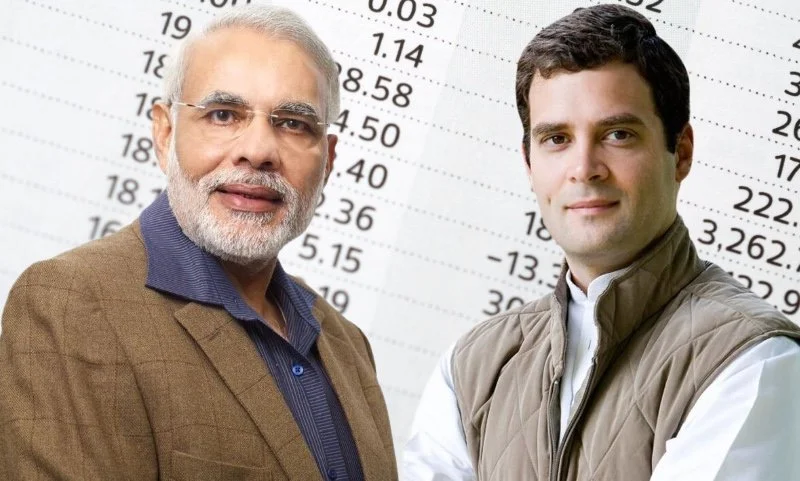
This does not serve the public interest. It does not serve the majority either. It creates a political atmosphere where institutional fairness is weakened, and the only consistent gain is to those in power.
Article 38 sets a different standard. It asks whether all people, regardless of who they voted for or what group they belong to, live under a system that produces fairness and protects dignity.
Article 38 requires the state to reduce inequality in access to resources. In the context of tribal land, this creates a constitutional tension that no policy can ignore. Commercial interests may generate revenue or investment, but the dispossession of tribal communities from their land and forests increases structural inequality. Land is not only a livelihood but the basis of autonomy, culture and survival. Any state action that transfers tribal land for private or industrial use must answer to the constitutional duty to protect justice in social and economic life.
Further, Article 38 demands more than the expansion of GDP or the efficient running of schemes. It asks whether inequality is being reduced. In a context where the wealth of the richest grows exponentially, while low-income groups and the middle class face insecurity in housing, health, education and employment, the state cannot claim constitutional alignment by pointing to aggregate growth. Public policy must work to rebalance access, opportunity and protections across income levels.
Article 38 serves as a tool for democratic judgment. It offers a way to assess governance through outcomes that reflect the very purpose of the republic.
An election is only one part of a constitutional democracy. The right to vote decides who holds power, but it does not decide what that power is allowed to do. Article 38 sets the terms of that power. If policymaking is influenced mainly by those with influence, the system violates this duty. If legal rights exist only on paper while access to courts remains uneven, the purpose of rights is undermined. If economic growth expands but still leaves large parts of the population in insecure and unequal conditions, the obligation to promote welfare is left unmet. A government that meets electoral tests but fails these constitutional duties is not governing well.
Article 38 carries forward the values declared in the Preamble and provides direction for how Fundamental Rights under Part III are to be realised in institutional life. While the rights in Part III guarantee freedom and protection to individuals, Article 38 sets the larger responsibility of the state. It asks whether governance creates conditions in which those rights become usable and meaningful.
You have just read a News Briefing, written by Newsreel Asia’s text editor, Vishal Arora, to cut through the noise and present a single story for the day that matters to you. We encourage you to read the News Briefing each day. Our objective is to help you become not just an informed citizen, but an engaged and responsible one.

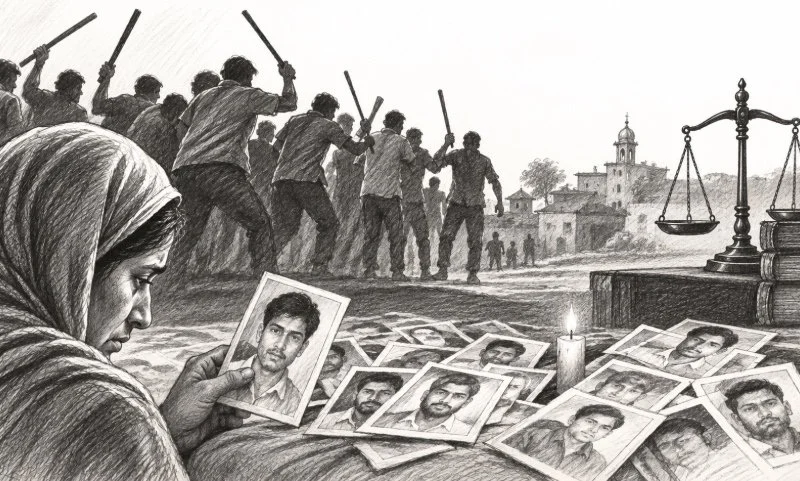

On October 12, opposition leaders, MPs, MLAs, student organisations and political workers came together in a massive march against Chief Election Commissioner Gyanesh Kumar, raising serious concerns over the Special Intensive Revision (SIR) of electoral rolls and the alleged mass deletion of voters’ names. The march brought together a broad coalition, including the INDIA bloc, AISA, SFI and other student unions, as part of a wider nationwide mobilisation against the SIR exercise and concerns surrounding electoral integrity.