
Dignity of Labour in India Must Mean Justice
January 17, 2026
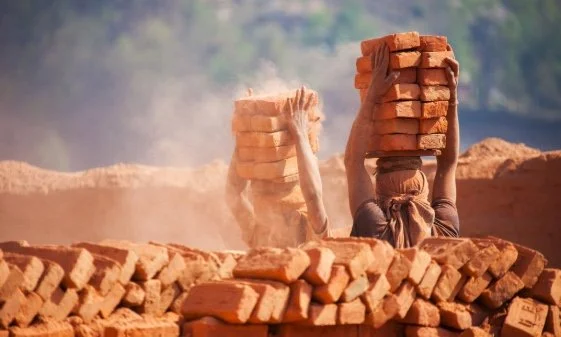
In India, the idea of dignity of labour is missing in large part due to the caste system. While some discussion has begun, much of it centres on showing respect to workers or speaking favourably about their occupations. This limited framing can mask deeper issues of discrimination, exclusion and injustice. It does little to uphold the dignity of either the worker or the work.
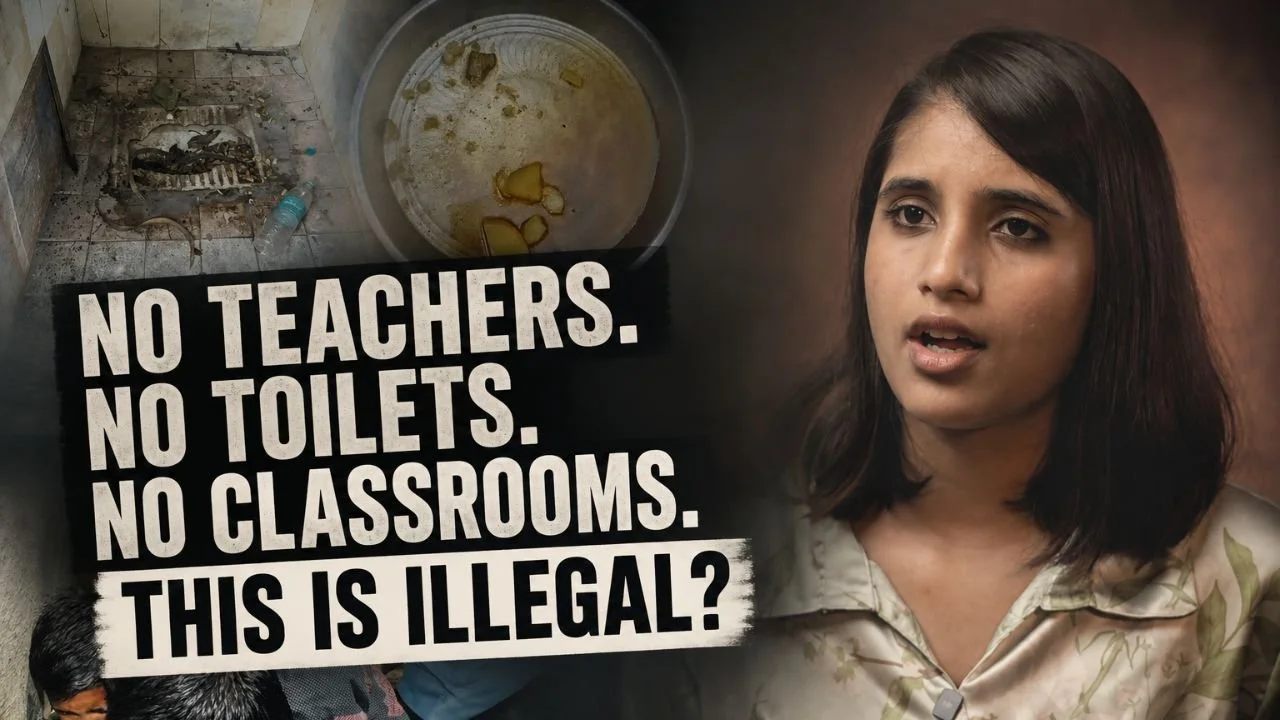
I recently anchored an episode for a video series that explains complex ideas to the public – ideas that help make sense of what is happening in the news each day. This one focused on the idea of dignity of labour and called on viewers to respect all forms of work, as the first step towards justice. I would now like to take the conversation further.
We often hear the phrase “no work is big or small,” but in India, this rings false. Some work is deeply undignified. Manual scavenging, for example, is degrading and destructive to human life. It continues despite being illegal because the caste system allows certain people to be forced into it. Other kinds of labour such as cleaning, cremation, domestic work or agricultural work are not undignified in themselves. They are treated as lowly, or in the case of women, not recognised as work at all, because those who do them have been marginalised for generations and pushed into these roles by birth. What is passed off as fate is in fact an imposed destiny.

Can dominant castes imagine themselves cleaning manholes, sweeping other people’s homes or pulling rickshaws? If those who seek education, comfort and mobility cannot picture themselves in these roles, then the work does not rest on equality or dignity.
Take teaching. It is widely seen as respectable, and has long carried dignity not only because of the work itself, but because of the status of the upper castes who historically held it as an inherited role. For them, it was a chosen destiny, not a commanded one. Over time, through assertion and struggle, people from varied backgrounds have been able to claim it. The same cannot be said of manual sanitation or waste work in India today, which still follows lines of birth, stigma and exclusion rather than choice.
When certain kinds of labour are reserved for particular groups, not because of skill or preference but because of caste and poverty, they stop being ordinary jobs and become tools of oppression. Work that is handed down to specific communities without fair pay, safety or concern for their lives, and is seen as menial by others, can never carry dignity for the worker. Dignity requires agency. Where there is no real choice, there is no dignity.
In many Western countries, societies tend to pay more and offer stronger legal protection for dirty, dangerous or exhausting work, not out of moral superiority, but because such work is not tied by birth to any fixed group. When there is a chance that anyone’s child could end up sweeping streets, collecting garbage or caring for the elderly, society cannot afford to ignore mistreatment. It becomes politically and socially necessary to offer higher wages, legal protection and proper regulation to make up for the risk, discomfort and stigma of the work.
Indians who are used to having services like cooking and cleaning done at low cost at home quickly realise they cannot afford the same in other countries. What is normalised in India as convenience is often exposed as exploitation made possible by caste and poverty.
This is why we need to move beyond respect. Words of respect alone may serve as a way to ask the oppressed to bear their condition more politely. The real dignity of labour begins with naming certain forms of work for what they are, undignified and unjust, shaped by caste, backed by weak protections and held up by low wages. It also means naming the people who do them as oppressed. Only then can we begin to dismantle the systems that have segregated, devalued and suppressed labour for generations.
For sanitation work to become dignified, it would have to be transformed so radically that it becomes a genuine option for anyone. Imagine paying a sanitation worker 100,000 (1 lakh) rupees a month. Wages, safety, insurance and social recognition would have to rise so dramatically that even people from privileged backgrounds could see it as a possible profession. If society is unwilling to do this, then the only just alternative is to emancipate those currently trapped in this work by birth, by guaranteeing them education, mobility and alternative livelihoods. Anything less is not dignity; it is the moral decoration of structural coercion.
Unsurprisingly, those who speak most often of the dignity of labour, especially large sections of the Indian middle class, frequently resist even modest demands for better wages by domestic workers, often mobilising through Resident Welfare Associations. Their talk of dignity rarely goes beyond saying that workers should not be disrespected, while questions of fair pay, safety and social mobility are left unaddressed.
The state reinforces this by failing to enforce even minimum wage guarantees, let alone provide living wages. Manual scavenging continues despite being outlawed, and domestic work remains largely outside formal labour protections. The informality in these sectors exists because of deliberate administrative decisions, which allow employers to benefit from cheap labour and continue the very systems that enable exploitation.
An appeal for respect alone, from those who benefit most from these arrangements, resembles a plea for charity. It gives the powerful a moral high ground without demanding introspection or accountability. But people need emancipation from imposed destinies, not just respect within them.
Dignity is inherent to human beings. People deserve respect simply for being human, not because of the work they perform. True dignity will emerge only when marginalised communities have the freedom to refuse the labour they have inherited, demand fair – even compensatory – pay for the work they do, and move freely into other professions.
You’ve just read a commentary written by Newsreel Asia’s Surabhi Singh. This section, carrying news briefings and commentaries, is meant to cut through the noise and bring you one important story of the day. We invite you to read the News Briefing / News Commentary daily. Our aim is to help you become a sharp, responsible and engaged citizen who asks the right questions.
Getting into an IIT is a dream for millions of students in India. But what happens when the dream college becomes a place of pressure, fear and unanswered questions? Following the death of 31-year-old MSc student Rishikesh at IIT Delhi, students took to the campus to protest against the administration. While the authorities have treated the death as a suicide, protesting students have raised serious questions and alleged that there was more to the incident. This is not just about one student. Multiple IIT Delhi students have died by suicide in recent years, raising difficult questions about academic pressure, mental health, institutional support and the culture inside one of India’s most prestigious institutions.