LATEST NEWS: KEY DEVELOPMENTS YOU NEED TO KNOW
Latest Videos
Newsreel Asia is an independent news media committed to rigorous journalism and narrative storytelling across governance, democracy, economy and society, focused currently on India. Founded on World Press Freedom Day 2021, we work to cut through the noise and bring clear, truthful reporting to the forefront. Our perspective is humanitarian — we look at how issues shape the lives of ordinary citizens, not through the lens of political ideologies.
As West Bengal and Tamil Nadu prepare for polling, much of the public discussion has turned, as it routinely does in election seasons, to parties, candidates, alliances and campaign arithmetic. Allegations of cash for votes, political intimidation, partisan use of institutions, extraordinary security deployment, and the blurring of state power with party power appeared well before voting day. Isn’t it surprising that amid such blatant undermining of democracy, we, as citizens, continue participating in systems we know are compromised? In fact, sometimes we help reproduce the very practices we criticise.
Dalit women working as manual scavengers or housemaids in Delhi face severe menstrual discrimination from their employers and within their own families, with some workers seeing their wages cut and others hiding their periods to avoid punishment at work, according to a report by the Kathmandu-based advocacy organisation Global South Coalition for Dignified Menstruation (GSCDM).
The Election Commission has deployed more than 240,000 Central Armed Police Forces personnel for Phase 1 of the 2026 West Bengal Assembly election, covering 152 of the state’s 294 constituencies, with a further 500 companies to remain after counting and 200 guarding voting machines and counting centres. The scale of this deployment, relative to what the state of security in West Bengal actually warrants, is a question worth putting to the Commission directly.
After the Lok Sabha rejected the Constitution (131st Amendment) Bill, 2026, which sought to activate the 33 percent reservation for women by raising the House’s strength to 850 seats, Prime Minister Narendra Modi issued an apology, placed responsibility on the opposition, and vowed to remove every obstacle to women’s reservation. However, the most consequential barrier arises from within his own party.
The Constitution (131st Amendment) Bill, 2026, proposes to raise the sanctioned strength of the Lok Sabha to 850 and also expand state legislatures to accommodate the 33 percent reservation of seats for women. The trouble with enlarging the House, rather than reallocating seats within it, is that existing arrangements of power would be left intact, which in turn would mean male-dominated networks carry on with only limited change.
Latest News Briefings
After the Lok Sabha rejected the Constitution (131st Amendment) Bill, 2026, which sought to activate the 33 percent reservation for women by raising the House’s strength to 850 seats, Prime Minister Narendra Modi issued an apology, placed responsibility on the opposition, and vowed to remove every obstacle to women’s reservation. However, the most consequential barrier arises from within his own party.
The stunning rise of the Rastriya Swatantra Party (RSP), powered by the popularity of its senior leader Balendra “Balen” Shah, has reduced the Nepali Congress and the communist parties to their smallest presence ever in Nepal’s parliamentary election history. The results of the 2026 election mark a dramatic break in a political system long dominated by these parties, but the question now is whether a new movement led by younger leaders will be able to replace the traditional forces that have shaped the country’s politics for decades.
News Commentaries
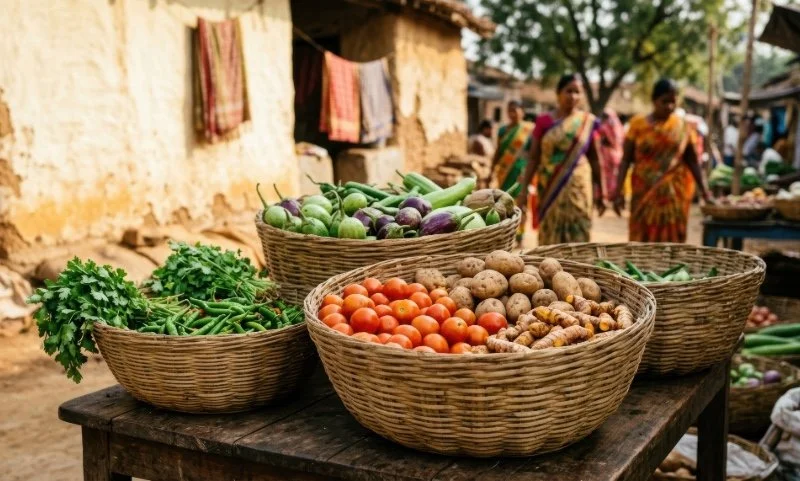
Kavitha, a mother in Raichur district, doesn’t follow the nutrition charts or growth tracking numbers. What she understands is hunger. The rice from the public distribution shop lasts less than a week. On some nights, there’s nothing but water and silence. For families like hers, malnutrition isn’t just a report—it’s dinner time.
Video Features
Suleman Ali lived his entire life in Hasila Beel, a village in Assam’s Goalpara district. He built his home brick by brick over years of labor, married off his daughters there, and believed his documents proved he belonged. But one morning in June 2025, bulldozers reduced it all to rubble.
To investigate if your 9-5 corporate job has labour laws for your safety and well-being, Newsreel Asia producer Jyoti Jangra travels to India’s Silicon Valley—Bengaluru—to find out a quiet crisis unfolding inside corporate cubicles: the crumbling mental health and legal protections of India’s white-collar workforce.
In Arunachal Pradesh, a predominantly tribal state known for its rich cultural heritage, certain traditional practices continue to shape everyday life. However, as conversations around rights, equality, and justice grow, many of these customs are being questioned. One such practice is polygyny—the system where a man can have more than one wife.
What do India’s persecuted communities go through behind closed doors? What happens when you sit across a dinner table and truly listen? Over the course of 9 powerful episodes, The Dinner Table, a docu-series by Newsreel Asia, brings together stories from communities who have long been silenced, sidelined, or targeted — simply for their identity, faith, or beliefs.
DOCUSERIES
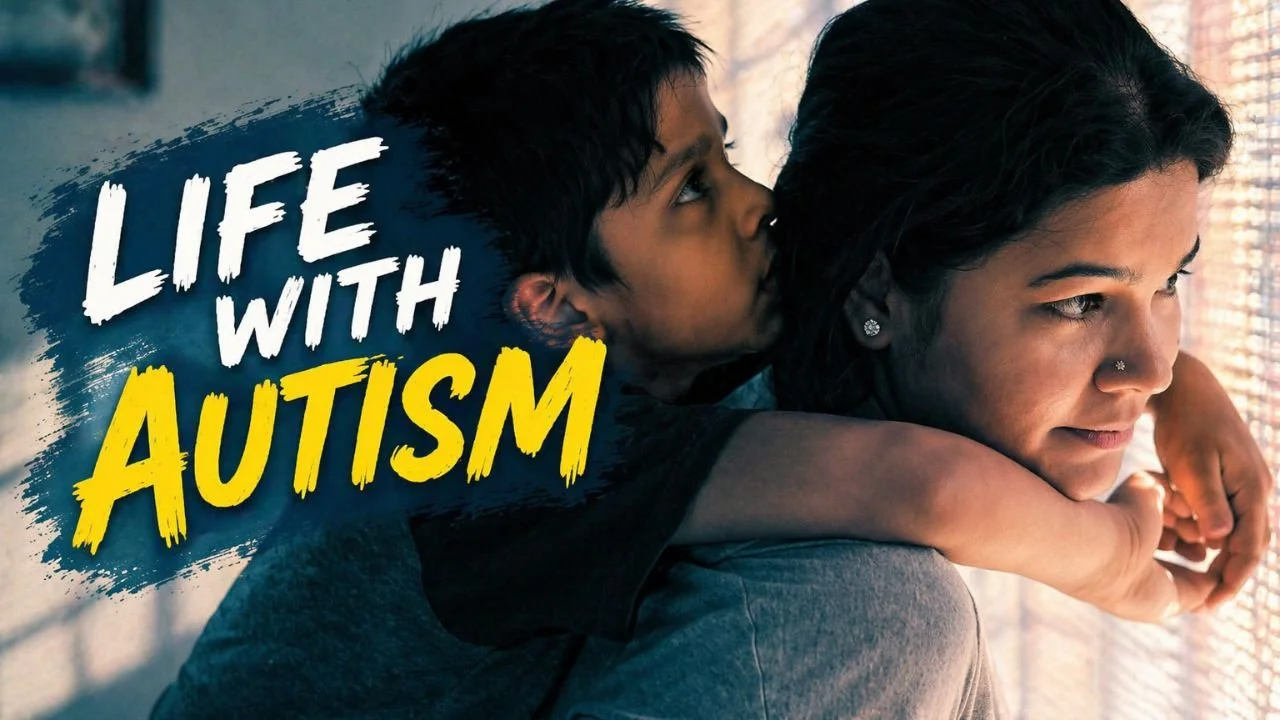
Antara Dey Chowdhury was a Squadron Leader in the Indian Air Force when her life changed course. In 2012, after her son Kabir was diagnosed with autism, she made the difficult decision to leave her military career to care for him full-time.
On February 15, 2025, a deadly stampede took place at the New Delhi Railway Station. It was triggered by a sudden surge of passengers, fueled by delays to three trains, including a special train bound for the Maha Kumbh mela - projected as the world's biggest religious congregation - that was being held in Uttar Pradesh's Prayagraj. One year on, students of Jamia Milia Islamia University revisit the family of Pinki Devi, who was one of the 18 victims who lost their lives in the tragic incident.
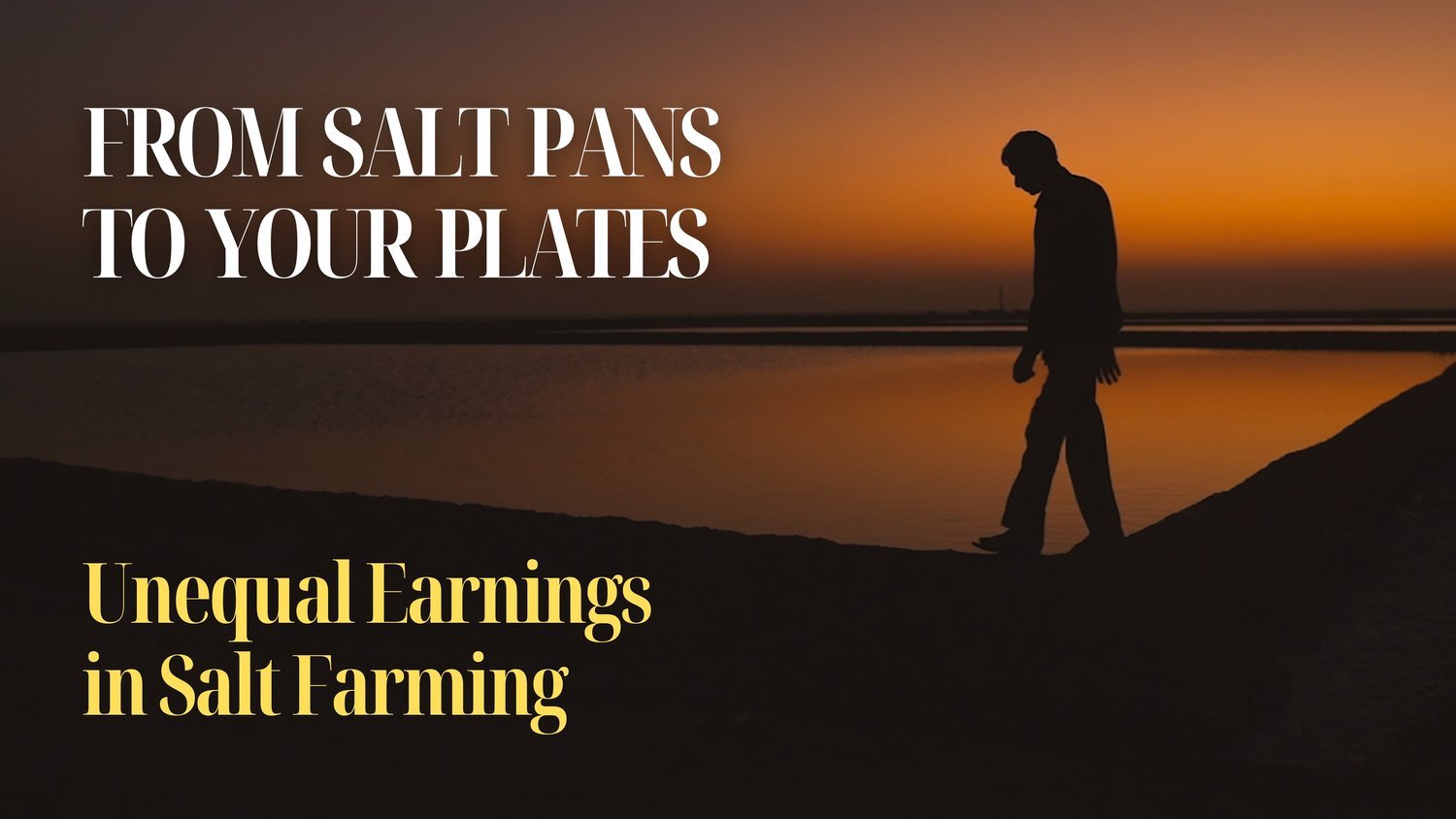
Gujarat stands as India’s foremost salt-producing state, contributing 85% to the nation's total salt output. Within Gujarat, 31% of this production originates from the Agariya community living within the Little Rann of Kutch. Despite being the primary contributors to the salt industry, the Agariya people find themselves receiving the smallest share of profits. Furthermore, they grapple with the adverse effects of climate change, directly impacting their livelihoods. In this narrative, Bhopa and Gunand, two Agariya salt farmers, shed light on the disparity in earnings within the salt farming sector.
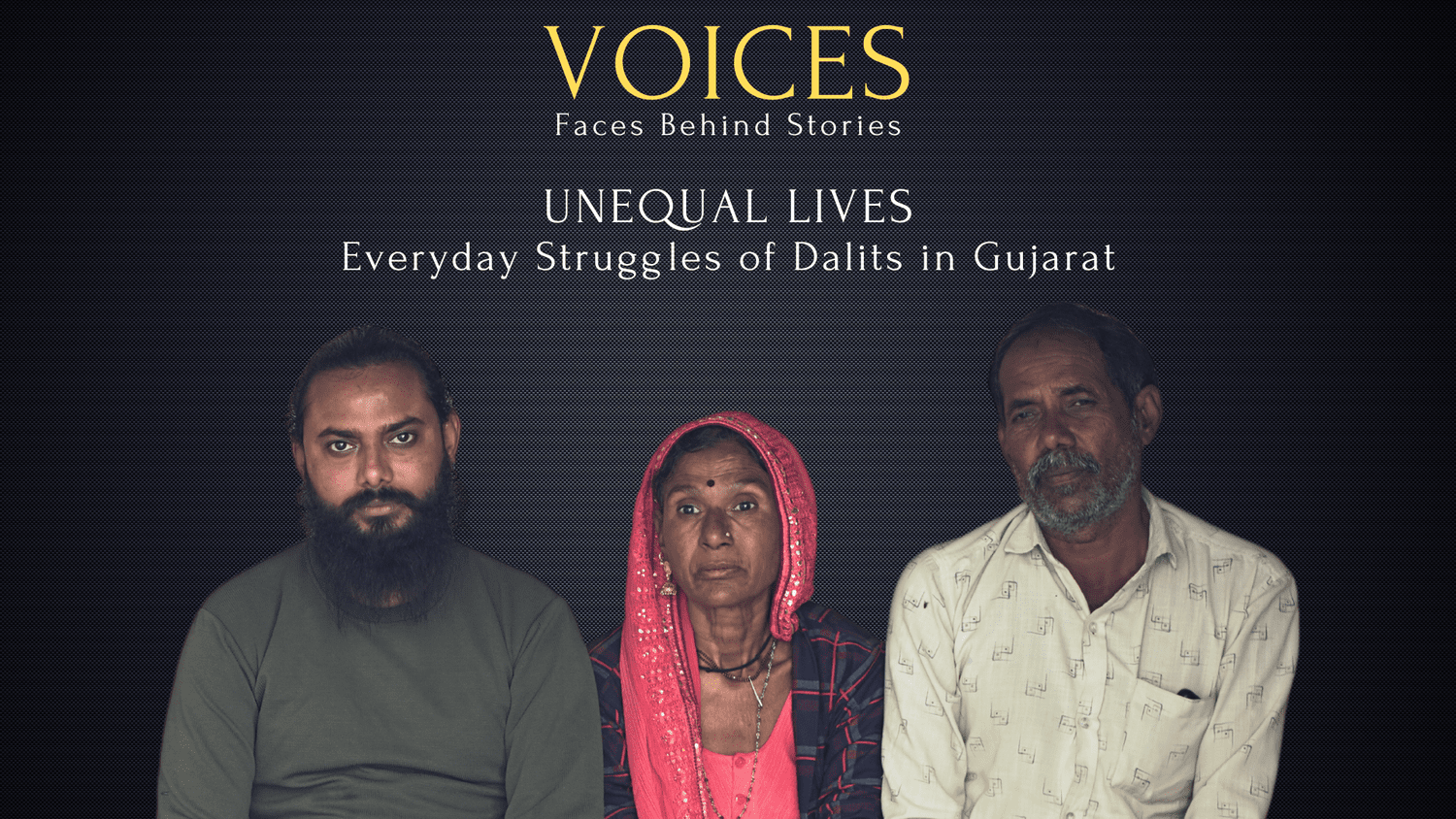
Bhupat Bhai Sekhaliya, a diligent and hardworking rickshaw driver from Gujarat, belongs to the Dalit community. Despite his unwavering dedication, the respect he deserves eludes him, particularly from individuals of "upper" castes in his vicinity. Many daily activities, deemed "normal" for any resident, remain inaccessible to him. Defiance can lead to physical assault. However, Bhupat's story is not an isolated incident. In Gujarat, the spectre of violence against Dalits looms large, with an average of four cases reported daily. The past seven years have seen a staggering total of over 9,000 documented instances of such violence.
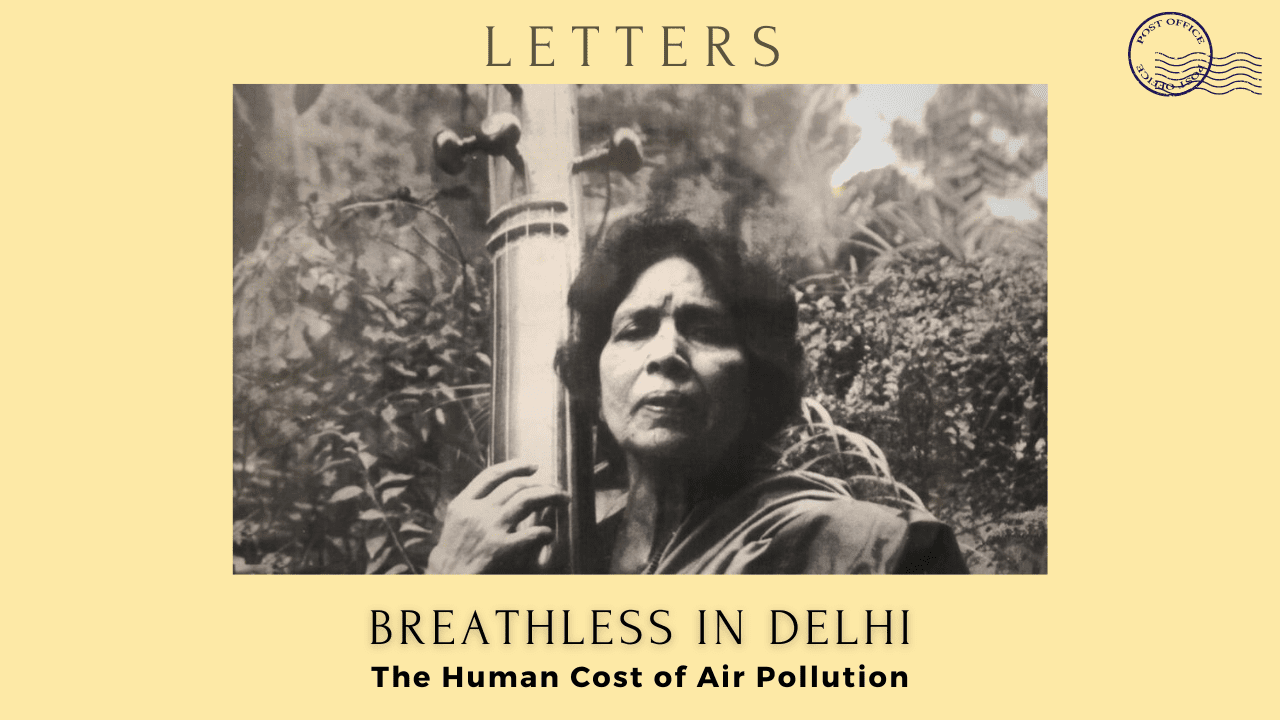
If you are living in Delhi, you might lose 12 years of your life because of air pollution. Jyoti Lavakare Pande, an author and a journalist from Delhi, writes an open letter to highlight the intensity of pollution in Delhi. She reflects on her mother's vibrant and resilient life, filled with smiles and melodies. Her mother, Kamale Pande, a classical vocalist, was diagnosed with terminal lung cancer, struggling for every breath in Delhi's pollution. She pens down her mother’s journey to raise awareness about the invisible killer looming in Delhi’s air.
To mark four years since its founding on World Press Freedom Day, Newsreel Asia hosted an online discussion with frontline journalists who have reported from some of India’s most volatile conflict zones. The conversation took place just days before the latest escalation of hostilities between India and Pakistan, which saw the use of missiles, drones and artillery fire along the Line of Control.
This video is from the third episode of our online event series, “Newsreel Asia Conversations,” which gives you a chance to interact with filmmakers who explore social, economic and political themes in their works. It all came together from our team's interactions with these creative minds at the 2024 Dharamshala International Film Festival. In this episode, we featured screenwriter, lyricist and filmmaker Shashwat Dwivedi, and our conversation centred on “Revisiting Childhood,” based on his latest film “Bobby Beauty Parlour.”
As West Bengal and Tamil Nadu prepare for polling, much of the public discussion has turned, as it routinely does in election seasons, to parties, candidates, alliances and campaign arithmetic. Allegations of cash for votes, political intimidation, partisan use of institutions, extraordinary security deployment, and the blurring of state power with party power appeared well before voting day. Isn’t it surprising that amid such blatant undermining of democracy, we, as citizens, continue participating in systems we know are compromised? In fact, sometimes we help reproduce the very practices we criticise.