
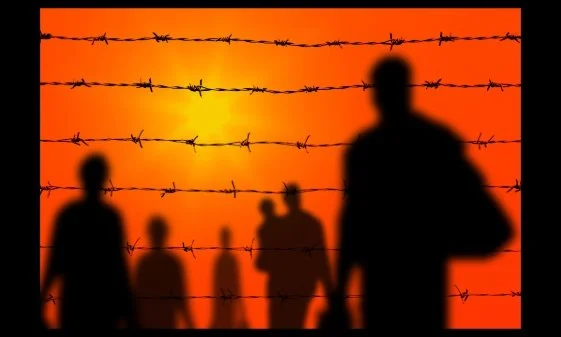
Pakistan and Afghanistan are once again exchanging airstrikes across their shared border, raising fears of a wider conflict between them. The latest tension began this week after Afghanistan carried out a cross-border strike that it said was retaliation for earlier Pakistani air attacks. Pakistan then responded with fresh strikes inside Afghan territory, and the country’s defence minister described the situation as an “open war.”
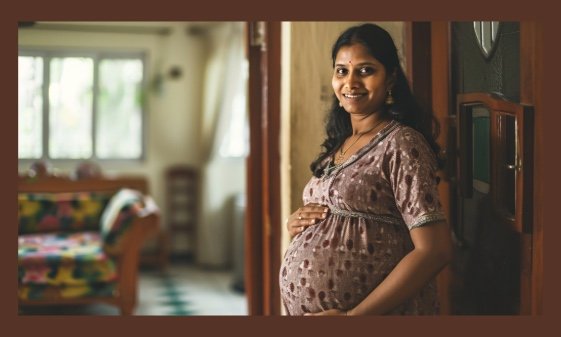
Researchers at the University of Oxford have released a study examining how heat exposure during pregnancy relates to the sex ratio at birth in India. The findings suggest that women in India who experienced higher temperatures during the middle months of their pregnancy were more likely to give birth to girls than to boys, and the study indicates this is not due to biological reasons.

The central government has launched a new counter terrorism policy called Prahaar. The framework appears ambitious and technology driven, and it resembles Western models of prevention, intelligence coordination and disruption of extremist networks. Western systems generally operate with multiple layers of legal safeguards that have evolved alongside state enforcement powers. Implementation in India also requires careful attention to several cautions to guard against potential misuse.

Finance Minister Nirmala Sitharaman has launched the National Monetisation Pipeline 2.0, a plan that aims to raise about 16.72 trillion (16.72 lakh crore) rupees by allowing private companies to operate public assets such as highways, railways, airports and energy networks for fixed periods. The government presents the move as a way to fund new infrastructure without increasing taxes or borrowing, but for ordinary citizens, the policy carries a set of risks that deserve careful scrutiny.

A survivor-informed policy paper suggests that artificial intelligence can help disrupt trafficking networks linked to cyber scam compounds in South Asia and nearby regions, by spotting digital signals early enough to guide human intervention. The findings deserve the attention of authorities in India and across South and Southeast Asia, because earlier detection buys time, and time gives people, embassies and investigators space to act before coercion hardens into captivity.
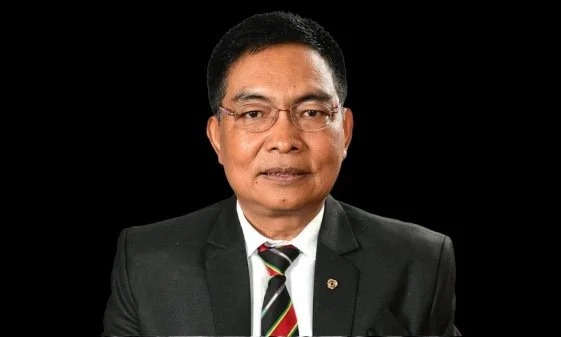
Vungzagin Valte, a Manipur MLA from the ruling Bharatiya Janata Party (BJP), died on February 21 after nearly three years of medical complications caused by a mob attack during the 2023 violence. His case remains pending and no arrests have been reported so far. The continuing absence of visible justice may further deepen the political disillusionment of the Kuki-Zo community in its relationship with the state government.
The Supreme Court has questioned the Tamil Nadu government’s policy of providing free electricity to certain consumer groups, opening a wider debate about where welfare support ends and political freebie culture begins. The central concern in this dispute is how far governments can expand subsidies without putting public finances and long-term development under strain.
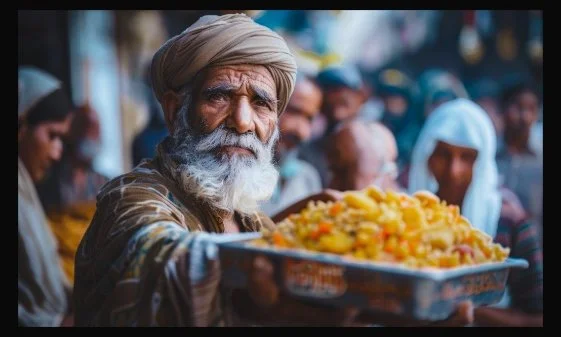
A new study estimates that India’s household giving totals about 540 billion (54,000 crore) rupees a year across cash, in-kind support and volunteering, with about 68% of surveyed households reporting some form of giving. Read alongside evidence of highly concentrated corporate and wealthy donor philanthropy, the findings indicate that India’s culture of generosity is sustained in large measure by widespread participation among ordinary households.

Dalits and Muslims across India live in sharply segregated neighbourhoods that receive weaker access to essential public services. Evidence drawn from nationwide administrative and census data shows that inequality is most severe at the smallest geographic scale of settlement.
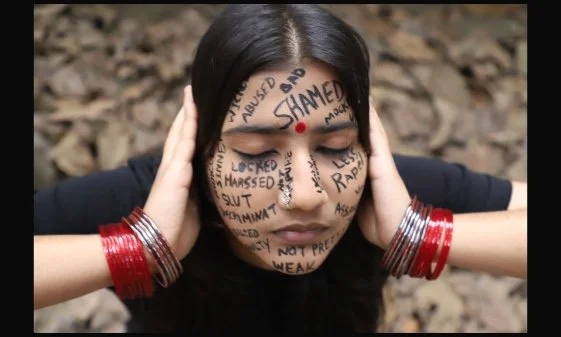
A major study has found that although more than one in five women in India experience intimate partner violence each year, only a very small number of these cases appear in official records of police, health services, or support centres. The issue demands urgent action, as violence within the home causes immediate injury, long-term health harm, economic disruption, and effects that pass from one generation to the next.
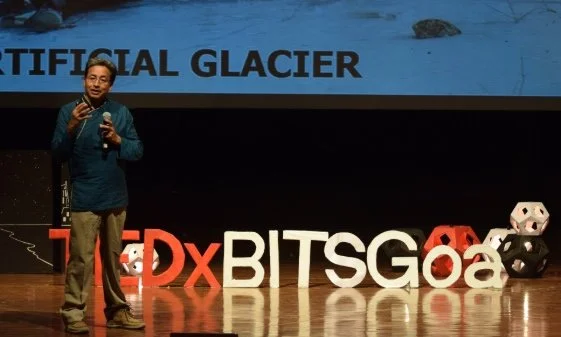
India’s Supreme Court is scrutinising the preventive detention of climate activist Sonam Wangchuk after noticing a prima facie discrepancy between the Ladakhi speech he delivered and the translated transcript relied upon by government authorities to justify his confinement, along with a possible failure to supply the complete evidentiary record to him. The main constitutional concern arising from this development is whether the extraordinary executive power to detain without trial has been exercised on the basis of material that is accurate, genuine and procedurally fair.
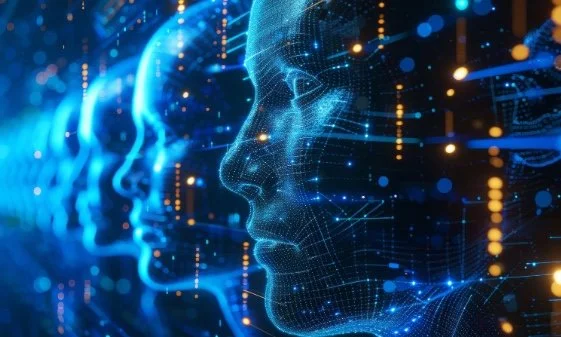
The central government has notified amendments to the Information Technology Rules, requiring online platforms to remove content within three hours of receiving an official government order, and introducing new legal requirements for detecting, labelling and tracing AI generated or altered media. The design risks rapid removal of lawful speech and deeper intrusion into user privacy because platforms that fail to follow government orders can lose their legal protection from being held responsible for what users post.

An Indian national, accused by U.S. prosecutors of working at the direction of an Indian government employee to arrange the assassination of Sikh separatist Gurpatwant Singh Pannun in New York, has pleaded guilty in a U.S. court.

Each year Hindu nationalist groups carry out violent crackdowns on couples in public spaces during Valentine’s Day in India. These incidents show how moral policing, group identity politics and anxiety about social change combine to justify control over private emotion and public behaviour.

On February 13, the Union Law Ministry told the Lok Sabha that the office of the Chief Justice of India received 8,360 complaints against sitting judges of the Supreme Court and High Courts across the 10 year period from 2016 to 2025, based on data supplied by the Supreme Court. The disclosure invites a closer look at how judicial accountability works, and what this information reveals about public trust in the courts.
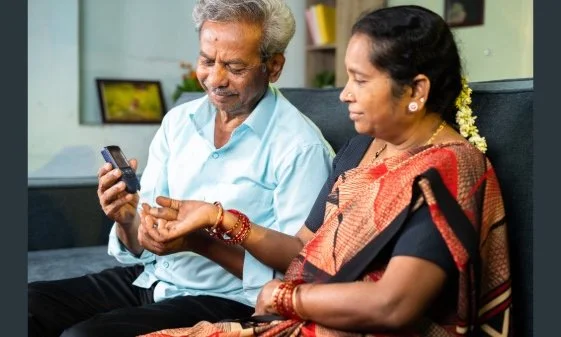
A new class of medicines is quietly changing the way doctors treat type 2 diabetes. These drugs, called SGLT-2 inhibitors, are taken once a day as tablets. In the U.K., researchers have found that they lower the risk of early death by nearly a quarter compared to older diabetes drugs. For India, where diabetes affects over 100 million people and is often diagnosed late, this could make a serious difference, if doctors and policy makers move fast.
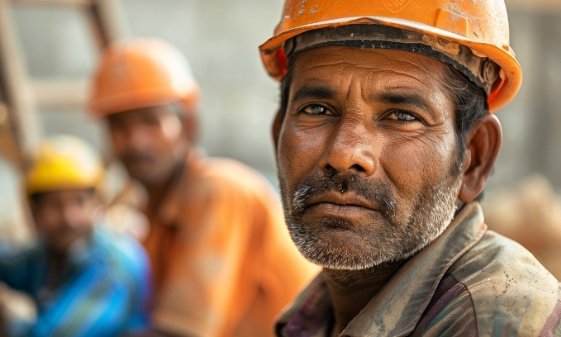
Central trade unions, supported by farmer groups, have organised a nationwide strike on February 12 involving over 300 million workers, who plan to disrupt key sectors including banking, transport and government services. The scale and composition of this mobilisation suggest a deepening conflict between policy direction and popular consent.
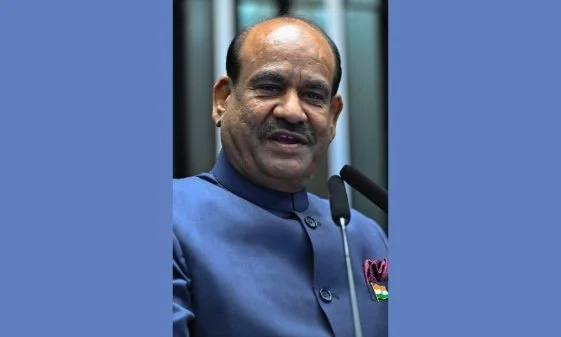
Opposition parties in Lok Sabha have warned they may file a no-confidence motion against Speaker Om Birla, accusing him of obstructing the parliamentary rights of Congress party leader Rahul Gandhi. The standoff, now entering a second week, centres on Gandhi being denied permission to speak about a controversial unpublished book by former army chief Manoj Naravane, while members of the ruling Bharatiya Janata Party (BJP) were permitted to make attacks against the Nehru-Gandhi family without censure.

The Prime Minister’s Office has said that questions about the PM Cares Fund cannot be asked in Parliament. This means that elected members of the Lok Sabha are not allowed to raise queries about how the fund is run or how the money is used.

Men develop cardiovascular disease earlier than women, a new study shows. By age 50, men experience significantly more coronary heart disease events, heart failure and total cardiovascular events than women of the same age.
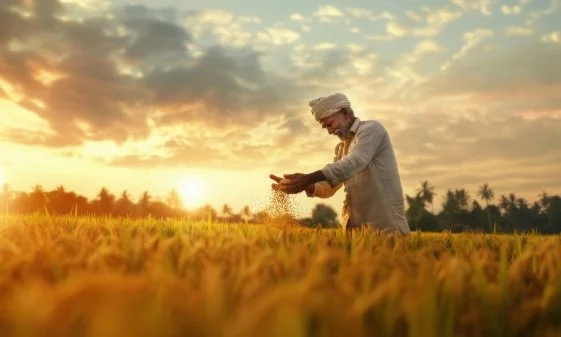
Most of the food we eat comes from the soil. But across India, the soil is badly damaged and missing key nutrients that crops need to grow well and carry the minerals our bodies depend on, a new report says. As a result, you can eat a full plate of food and still not get the nourishment you need.
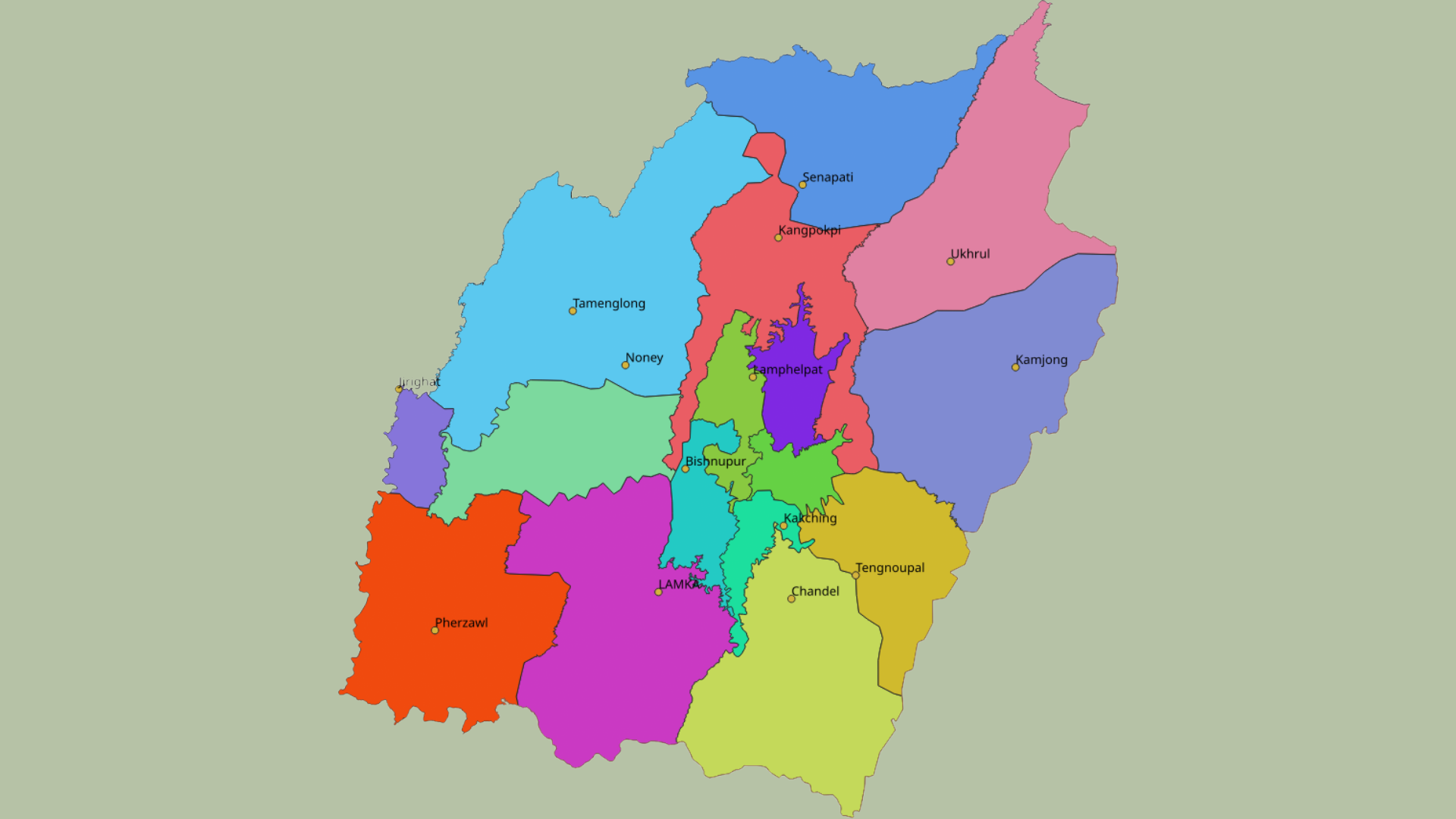
Manipur now has a new government, which on paper, signals the return of democratic rule after a one-year spell of President’s Rule. But in reality, the state remains deeply divided and only partially governed, with large sections of the population still excluded from its reach since a deadly and prolonged wave of violence began on May 3, 2023. The situation calls to mind the idea of a “phantom government,” a structure that holds office but cannot carry out the basic functions of governance.

India’s former army chief, General M.M. Naravane, has alleged in an unpublished memoir that political leaders failed to give the army clear operational directions during the 2020 border crisis with China. The allegation, brought to public attention by opposition leader Rahul Gandhi in parliament, is serious because it raises questions about civilian command responsibility in military engagements, and whether India’s highest political office abdicated its role during a critical national security moment.

An Air India Boeing 787-8 aircraft departed from London and completed a 10-hour flight to Bengaluru despite the pilot encountering a fuel control switch malfunction during engine start. This indicates a decision was made to proceed with a long-haul international flight even after a critical cockpit control exhibited abnormal behaviour before takeoff, and less than a year after a Boeing 787 Dreamliner crash near Ahmedabad caused by a similar issue.
The Indian media has responded to the Epstein email by focusing on his status as a sex crimes convict, framing the issue largely in moral terms. But this misses the real concern raised by the wealthy American financier’s claim that India’s Prime Minister followed his advice in visiting Israel to strengthen ties with the United States. Suppose, for a moment, Epstein had never been convicted of any crime. Would the assertion still trouble us?

Assam Chief Minister Himanta Biswa Sarma has threatened to file “at least 100 cases” against activist Harsh Mander after Mander lodged a legal complaint accusing him of hate speech against Bengali Muslims. The threat suggests that Sarma sees legal action as a means to settle political scores rather than address genuine legal concerns.

The U.S. government recently released files related to Jeffrey Epstein, a wealthy American financier who cultivated relationships with heads of government, senior politicians, intelligence linked figures and influential academics across countries. The data includes a 2017 email that claims India’s Prime Minister followed Epstein’s advice in visiting Israel to strengthen ties with the United States.

The government has announced a sweeping rule that will affect how you use apps like WhatsApp, Telegram, Signal and others. These apps will stop working the moment you remove your SIM card, switch phones, or try to access them on a second device without the SIM. The rule gives the government the power to link all your communication activity to your physical identity and location at all times, with no clear safeguards.

India outlawed bonded labour nearly 50 years ago, but millions remain trapped in exploitative working conditions, according to a new report by a workers’ rights network, which has accused the government of neglecting its legal duty to enforce protections and support victims.
Over the last two and a half decades, India built a huge industry by doing office and technology work for companies in the United States and Europe. Now new artificial intelligence (AI) tools are starting to perform some of that work, and this shift could affect millions of jobs in India, according to a report published in The New York Times.