
From the Editor’s Desk
February 1, 2026

The U.S. government recently released files related to Jeffrey Epstein, a wealthy American financier who cultivated relationships with heads of government, senior politicians, intelligence linked figures and influential academics across countries. The data includes a 2017 email that claims India’s Prime Minister followed Epstein’s advice in visiting Israel to strengthen ties with the United States.
The email, dated July 9, 2017, was sent by Epstein to a senior Qatari official and refers to Modi’s state visit to Israel from July 4 to 6 that year, according to The Jerusalem Post. In the message, Epstein wrote, “The Indian Prime Minister Modi took advice. and danced and sang in Israel for the benefit of the US president. They had met a few weeks ago. IT WORKED.” The reference to the prior meeting refers to Modi’s official visit to Washington, D.C., where he met President Donald Trump on June 26, 2017.
This message appears in a vast archive of over 3.5 million pages of material and 2,000 video files released by the U.S. Department of Justice on January 26, 2026. The release was mandated under a 2023 U.S. law requiring public access to non-classified materials related to Epstein’s federal investigations. Epstein, who died in custody in 2019, had been convicted for sex crimes but also maintained extensive contact with political and financial elites around the world.

India’s Ministry of External Affairs responded the next day, saying the reference was “little more than trashy ruminations by a convicted criminal” and confirming only the official Israel visit. However, Congress party leaders rejected this as an inadequate response. They argued that a person of Epstein’s profile claiming to have advised India’s head of government on a major foreign policy decision, one directly involving U.S.-Israel relations, could not be dismissed without detailed public clarification from the Prime Minister himself.
Epstein did not follow a clear political ideology but actively cultivated ties across the political spectrum to maintain access to powerful individuals. He made donations to both Democratic and Republican candidates in the United States and maintained contact with figures linked to the Trump and Obama administrations.
Epstein’s communications suggest a strategic interest in remaining close to centres of political influence rather than promoting any consistent policy agenda. Epstein often used political commentary in private exchanges to signal his relevance or connections, but these remarks lacked ideological coherence. His political interests, such as they were, served his larger goal of embedding himself in elite networks.


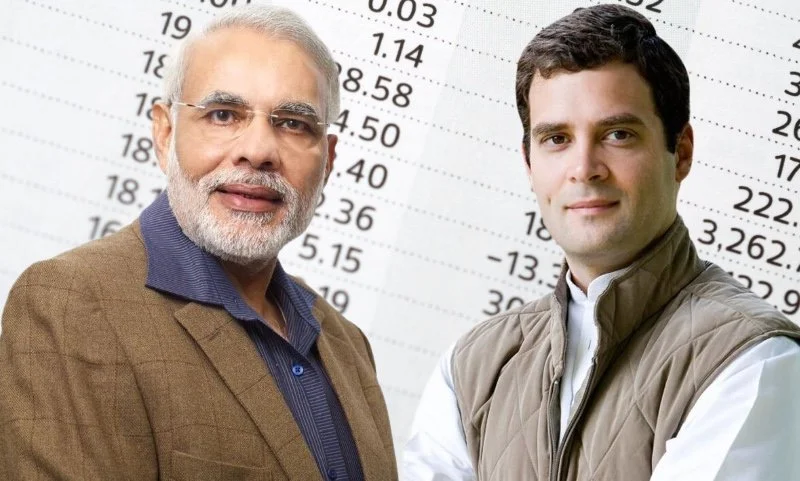
The Indian opposition’s concern appears to centre on whether Jeffrey Epstein had any relationship, communication or interaction with the Prime Minister at any point. The opposition argues that if Epstein felt able to describe himself as advising the Prime Minister in communication with a foreign official, the country deserves a clear explanation of why that claim arose.
This falls under executive accountability. In a democracy, the head of government must account for any relationship that may influence decision-making, especially in matters of foreign policy. If no such relationship existed, the public expects a clear and detailed denial.
Modern governments understand that influence can come from outside official positions. Wealthy private individuals often try to get close to political leaders. Public trust depends on whether that closeness ever turned into real access. The opposition’s demand is based on the idea that any undisclosed access raises doubts about how decisions are made.
Further, Epstein’s name carries global stigma. A reference linking him to India’s Prime Minister now sits in official U.S. records available worldwide. The opposition argues that India’s standing suffers unless the Prime Minister personally clarifies the matter.
You have just read a News Briefing, written by Newsreel Asia’s text editor, Vishal Arora, to cut through the noise and present a single story for the day that matters to you. We encourage you to read the News Briefing each day. Our objective is to help you become not just an informed citizen, but an engaged and responsible one.


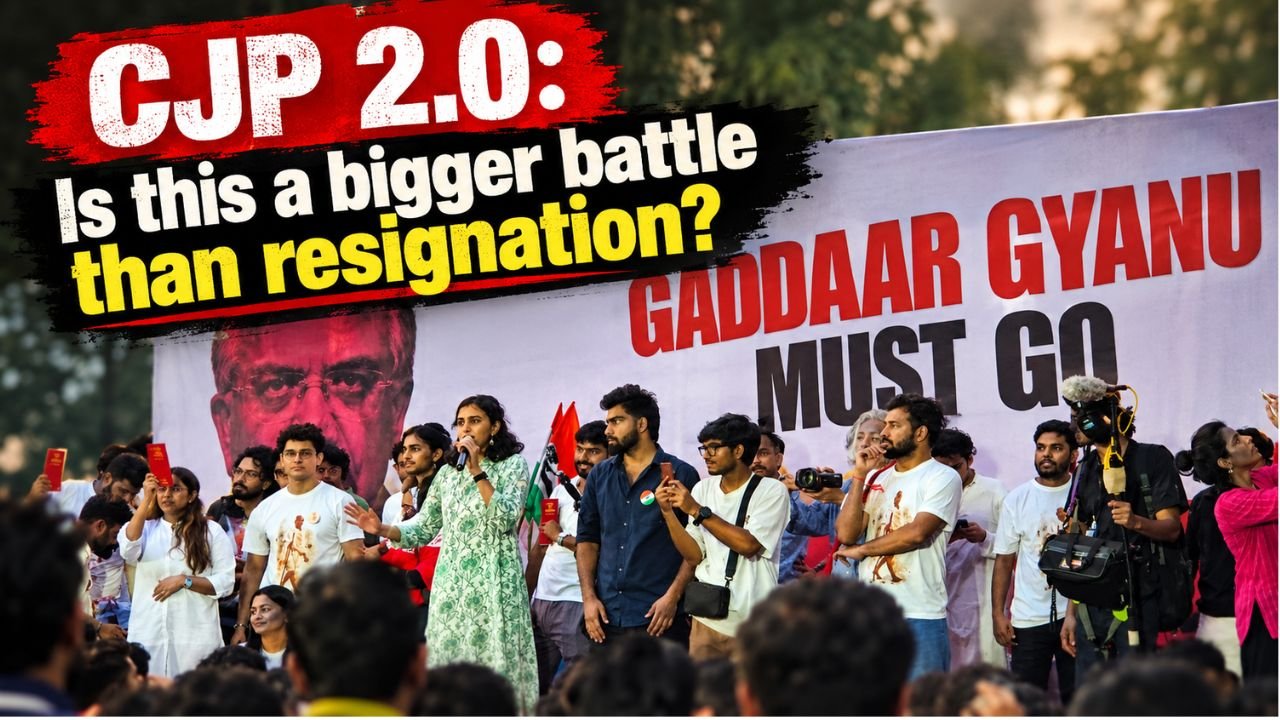
On October 12, opposition leaders, MPs, MLAs, student organisations and political workers came together in a massive march against Chief Election Commissioner Gyanesh Kumar, raising serious concerns over the Special Intensive Revision (SIR) of electoral rolls and the alleged mass deletion of voters’ names. The march brought together a broad coalition, including the INDIA bloc, AISA, SFI and other student unions, as part of a wider nationwide mobilisation against the SIR exercise and concerns surrounding electoral integrity.