
A New Treatment for Diabetes Brings Hope for India
From the Editor’s Desk
February 12, 2026
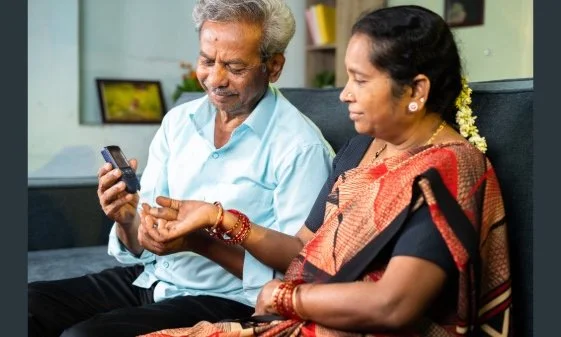
A new class of medicines is quietly changing the way doctors treat type 2 diabetes. These drugs, called SGLT-2 inhibitors, are taken once a day as tablets. In the U.K., researchers have found that they lower the risk of early death by nearly a quarter compared to older diabetes drugs. For India, where diabetes affects over 100 million people and is often diagnosed late, this could make a serious difference, if doctors and policy makers move fast.
SGLT-2 inhibitors – SGLT stands for Sodium-Glucose Transporter – include drugs like canagliflozin, dapagliflozin, empagliflozin and ertugliflozin. They work by helping the kidneys flush excess sugar out of the body through urine. Unlike older drugs that either increase insulin production or improve how the body responds to insulin, this class targets sugar removal directly. The U.K. study tracked 60,000 people with type 2 diabetes over three years and found that those on SGLT-2 inhibitors were 24% less likely to die early than those on other sugar-lowering medications, as reported by Independent.
If the U.K., with three million people under treatment, can expect 20,000 fewer deaths a year by switching to these drugs, the stakes for India are even higher. India has more than 101 million people living with type 2 diabetes, and over half of them are unaware of it, according to a previous Lancet study, as reported by BBC. Those who are diagnosed often begin treatment much later than ideal. Even when they are treated, many receive older medications with limited benefits beyond blood sugar control.

In India, type 2 diabetes tends to strike younger adults, often in their 30s and 40s. This means they live with the condition longer and face more years of risk for heart attacks, kidney failure and nerve damage. The same U.K. study also pointed out that these newer drugs offer protection not just for sugar control, but also for the heart and kidneys. That matters greatly in India, where cardiovascular disease is the leading cause of death and diabetes is a major contributor to end-stage kidney disease.
Despite being available in India for several years, SGLT-2 inhibitors are still prescribed sparingly. Cost is a major factor. While metformin, the most common diabetes drug, is very cheap, SGLT-2 inhibitors can cost 40–60 rupees a day. For many working-class or rural patients, this is unaffordable without government support. Doctors also tend to stick with older treatments they are familiar with, especially in smaller clinics or towns where specialist care is limited.
There’s also a hidden bias in how these medicines are prescribed. In the U.K., researchers found that women, older people and Black patients were less likely to be given these drugs. India has no equivalent study yet, but anecdotal evidence suggests similar patterns. Older women in particular often go undiagnosed or undertreated, especially outside urban areas.

If India were to act on this evidence, it could start by changing official treatment guidelines to include SGLT-2 inhibitors alongside or even before some older drugs. The Indian Council of Medical Research and the Ministry of Health could push for bulk procurement or price control measures to make these tablets more affordable. Generic versions may help bring down costs, but only if doctors are encouraged to prescribe them and patients are made aware of their benefits.
Improving early diagnosis will also matter. With so many Indians unaware that they have diabetes, screening programs at the primary health centre level could catch the disease before complications set in. And when treatment begins early, the benefits of a drug like an SGLT-2 inhibitor are likely to be much greater, especially for heart and kidney protection over time.
A once-a-day pill that lowers sugar, protects the heart, preserves kidney function and reduces the risk of early death should not remain limited to private clinics or elite hospitals. If the science is solid and the impact is proven, access should follow. The challenge now is making sure they reach the people who need them most, and doing so before preventable complications shorten lives.
You have just read a News Briefing, written by Newsreel Asia’s text editor, Vishal Arora, to cut through the noise and present a single story for the day that matters to you. We encourage you to read the News Briefing each day. Our objective is to help you become not just an informed citizen, but an engaged and responsible one.


What happened in Mumbai on October 2 may have been only one day of protest, but the issues behind it are unlikely to disappear with the dispersal of the crowd. The protest was centred around concerns over the Election Commission, electoral rolls and the Special Intensive Revision (SIR) exercise, with protesters demanding accountability from Chief Election Commissioner Gyanesh Kumar. At the same time, similar mobilisation has been taking place across different parts of the country, with student groups, Opposition parties and civil society organisations raising concerns over the electoral process. Newsreel Asia spent the day at Mumbai Protest capturing the preparations, the police presence, conversations with protesters, the atmosphere on the streets and how the day unfolded. The speech of Cockroach Janta Party's leaders and sentiment of protestors seemed larger than the concerns regarding the electoral process. Will this lead to something bigger?