
Why a Former Army Chief’s Book Has Caused a Furore
From the Editor’s Desk
February 5, 2026
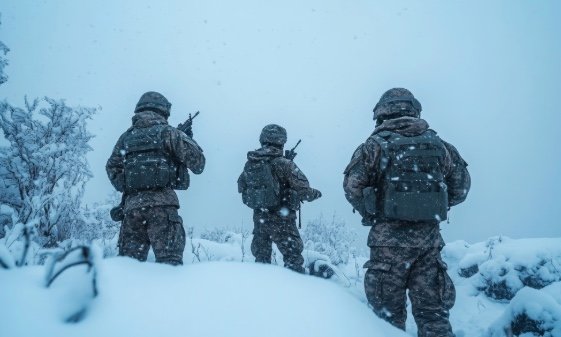
India’s former army chief, General M.M. Naravane, has alleged in an unpublished memoir that political leaders failed to give the army clear operational directions during the 2020 border crisis with China. The allegation, brought to public attention by opposition leader Rahul Gandhi in parliament, is serious because it raises questions about civilian command responsibility in military engagements, and whether India’s highest political office abdicated its role during a critical national security moment.
The controversy centres on “Four Stars of Destiny,” a memoir by General Naravane, who led the Indian Army from 2019 to 2022. Though the book is unpublished and pending clearance from the Ministry of Defence, portions of it were recently made public by The Caravan magazine. The Indian government has not authorised its release, citing rules that require retired military officers to obtain prior approval before publishing material related to national security.
Naravane had confirmed in 2023 that the manuscript had been submitted to his publisher and that the publisher was now in discussions with the Defence Ministry.

The memoir reportedly includes detailed accounts of the 2020 India-China military standoff in Ladakh’s Galwan Valley, where 20 Indian soldiers and at least four Chinese troops died in hand-to-hand combat, as reported by BBC. According to Gandhi, who attempted to quote from the manuscript during a parliamentary debate, the book states that Naravane received no direct operational orders as Chinese tanks moved across the Line of Actual Control. He was allegedly told to “do what he deemed appropriate.”
Gandhi further quoted the general as saying he felt “really alone” and “abandoned by the entire establishment,” claiming that when Naravane called Defence Minister Rajnath Singh, the minister conveyed that Prime Minister Narendra Modi had left the decision to him.
The excerpts reported so far suggest that during one of the most dangerous border standoffs in decades, India’s political leadership failed to issue specific operational directives to the army chief, instead leaving the decision-making to him during an active military confrontation. In defence theory, democratic systems require civilian leaders to actively exercise control over military operations, particularly during crises involving foreign adversaries. Failing to give clear directives in such situations risks leaving critical decisions to the military alone, which undermines the principle of accountable civilian command.
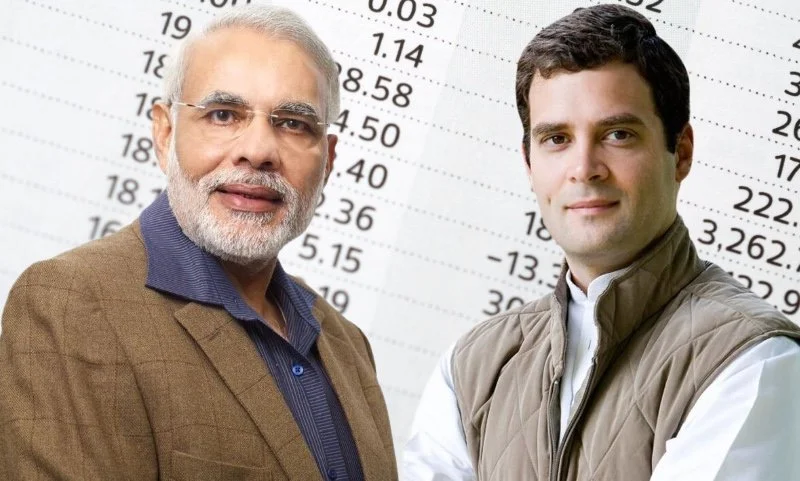
From a political science perspective, the seriousness of the allegation lies in what it implies about state responsibility and institutional accountability. In most democratic systems, military decisions during external crises are not left to commanders alone. Civilian leaders, who are elected and accountable to the public, must take decisions on war, peace and engagement protocols. A refusal to provide clear instructions can create dangerous ambiguity in command structures. It also shifts the burden of political responsibility onto the military, an unelected institution, which contradicts the democratic chain of command.
The 19th-century military thinker Carl von Clausewitz argued that war is not separate from politics but a continuation of it by other means. If political leaders step back and let the military decide on its own, that connection breaks down. A military commander can judge battlefield risks, but only elected leaders can weigh the bigger picture, like how a military move might affect relations with other countries or the economy.
A perception that political leaders abandon their military commanders during crises can weaken morale, both among top leadership and in the ranks. It also affects public confidence in institutional coordination at the highest level.
You have just read a News Briefing, written by Newsreel Asia’s text editor, Vishal Arora, to cut through the noise and present a single story for the day that matters to you. We encourage you to read the News Briefing each day. Our objective is to help you become not just an informed citizen, but an engaged and responsible one.
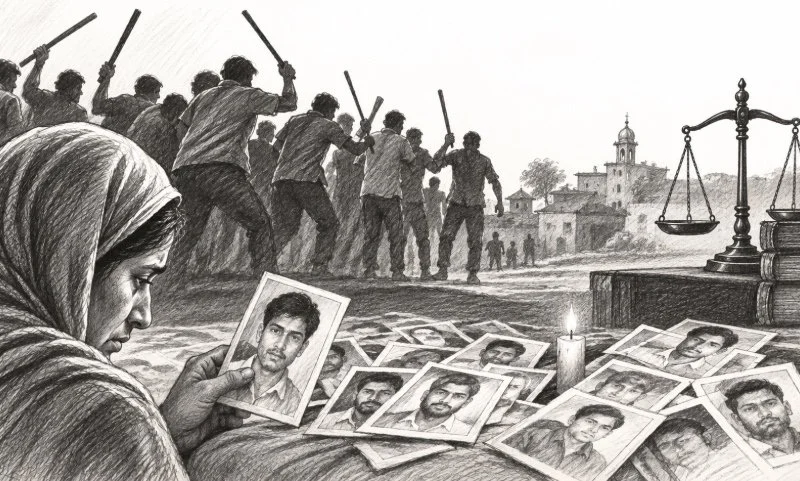
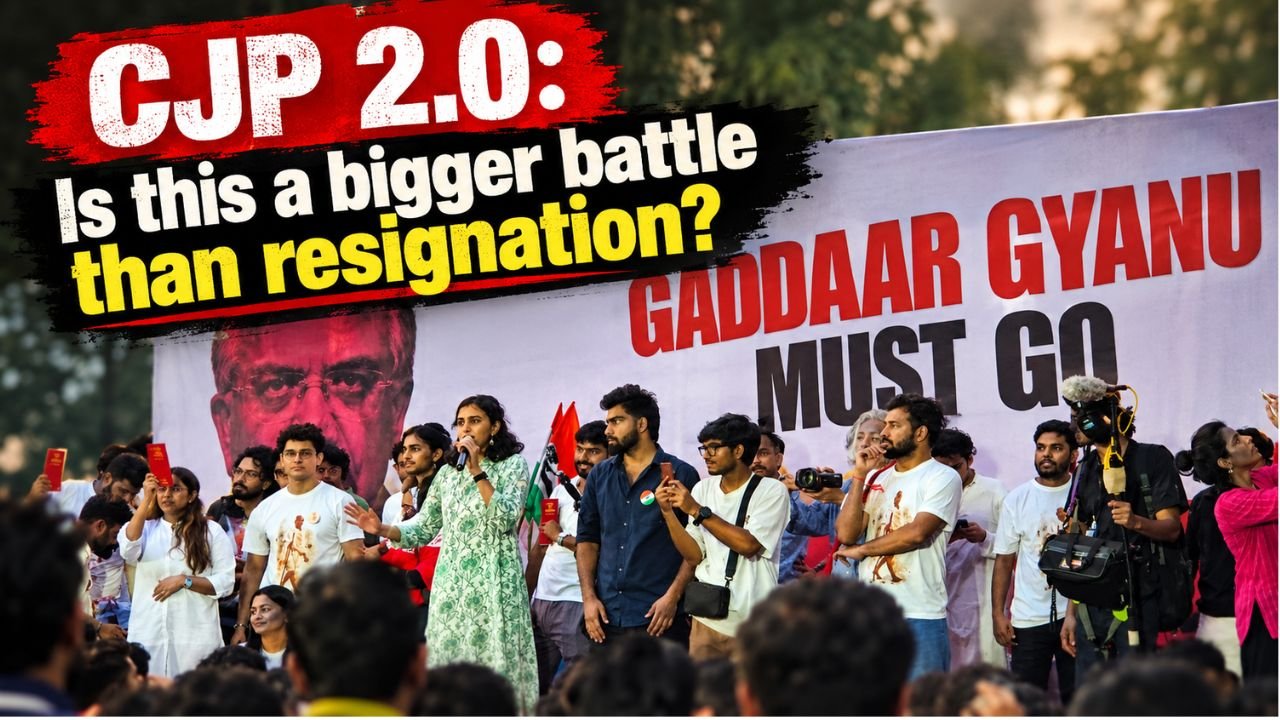
On October 12, opposition leaders, MPs, MLAs, student organisations and political workers came together in a massive march against Chief Election Commissioner Gyanesh Kumar, raising serious concerns over the Special Intensive Revision (SIR) of electoral rolls and the alleged mass deletion of voters’ names. The march brought together a broad coalition, including the INDIA bloc, AISA, SFI and other student unions, as part of a wider nationwide mobilisation against the SIR exercise and concerns surrounding electoral integrity.