
Extreme Heat Linked to Fewer Sex-Selective Abortions in India, Study Suggests
From the Editor’s Desk
February 26, 2026
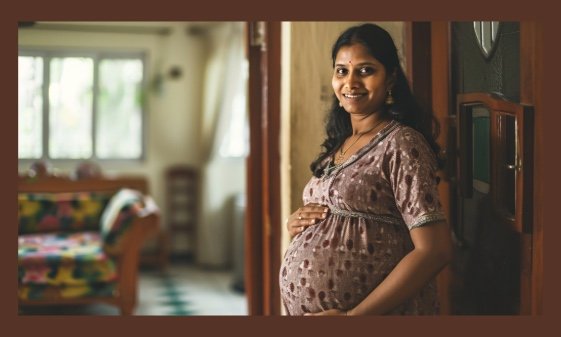
Researchers at the University of Oxford have released a study examining how heat exposure during pregnancy relates to the sex ratio at birth in India. The findings suggest that women in India who experienced higher temperatures during the middle months of their pregnancy were more likely to give birth to girls than to boys, and the study indicates this is not due to biological reasons.
In India, higher temperatures during the second trimester were associated with fewer male births, with the association most pronounced among older mothers, women having a third or later child and women who had daughters and still had no son, particularly in northern states, according to the study titled “Temperature and sex ratios at birth.” While the research also examined sub Saharan African countries, this news briefing focuses on the findings from India.
The second trimester, when pregnancy is between week 13 and week 27, is the period during which many families in India seek ultrasound based illegal and inhuman sex-selective abortion. The study strongly suggests that more girls are born when temperatures are high during this stage of pregnancy because extreme heat disrupts sex-selection.

The study analysed more than 5 million births across 33 sub-Saharan African countries and India by linking large-scale survey data with high resolution temperature records during pregnancy. The researchers used the sex ratio at birth, defined as the number of boys born relative to girls, as the main outcome indicator.
For policy purposes, the study suggests that if a temporary shift towards fewer male births is recorded during hotter periods, it may occur alongside continued son preference within households because the constraint operates through access rather than belief. This creates a measurement risk for governments that rely heavily on sex ratio trends to judge progress, since the same statistical movement can reflect either genuine social change or a temporary disruption in access.
The Pre-Conception and Pre-Natal Diagnostic Techniques (Prohibition of Sex Selection) Act, or PCPNDT Act, prohibits sex selection. Under the law, doctors or medical practitioners involved in sex selection or illegal disclosure of foetal sex can face imprisonment of up to three years and a fine of up to 10,000 rupees on first conviction, which can extend to five years and a fine of up to 50,000 rupees for repeat offences, along with suspension or cancellation of medical registration. Parents or relatives who seek or encourage sex selection can also face criminal action under the law, although enforcement typically treats the pregnant woman differently in recognition of possible coercion or pressure.

A 2021 study in The Lancet Global Health estimated that about 13.5 million female births were “missing” in India between 1987 and 2016, largely linked to prenatal sex selection. The National Family Health Survey 5, conducted in 2019 to 2021, also found India’s sex ratio at birth at 929 girls per 1,000 boys.
From a values perspective, son preference reduces a child’s worth to gender before birth and places unequal value on the lives of girls.
In many communities in India, sons are still seen as the primary source of financial support for parents in old age. Daughters are often viewed as eventually belonging to another household, that of the husband, which feeds the selfish belief that investment in sons brings greater long-term return within the parental home. Unacceptably, these expectations persist across income groups, although their intensity varies by region and education levels.
Marriage practices also contribute to the problem. The persistence of dowry in many parts of India means daughters are often associated with significant financial outflow at the time of marriage. While law prohibits dowry, the practice continues. Inheritance customs have also historically favoured male heirs, especially in agricultural and family property contexts.
Further, in several communities, only sons carry forward the family name, perform last rites for parents and maintain lineage continuity.
If these values continue to guide family decisions, they will place a ceiling on India’s social and economic progress. A society that assigns unequal worth to girls carries forward gaps in education, health, workforce participation and human capital, all of which matter for long-term national development. India’s growth story will remain incomplete as long as son preference continues to distort both opportunity and demographic balance.
You have just read a News Briefing, written by Newsreel Asia’s text editor, Vishal Arora, to cut through the noise and present a single story for the day that matters to you. We encourage you to read the News Briefing each day. Our objective is to help you become not just an informed citizen, but an engaged and responsible one.


On October 12, opposition leaders, MPs, MLAs, student organisations and political workers came together in a massive march against Chief Election Commissioner Gyanesh Kumar, raising serious concerns over the Special Intensive Revision (SIR) of electoral rolls and the alleged mass deletion of voters’ names. The march brought together a broad coalition, including the INDIA bloc, AISA, SFI and other student unions, as part of a wider nationwide mobilisation against the SIR exercise and concerns surrounding electoral integrity.