
Opposition Threatens Speaker with No-Confidence Motion, Citing Partisan Conduct
From the Editor’s Desk
February 10, 2026
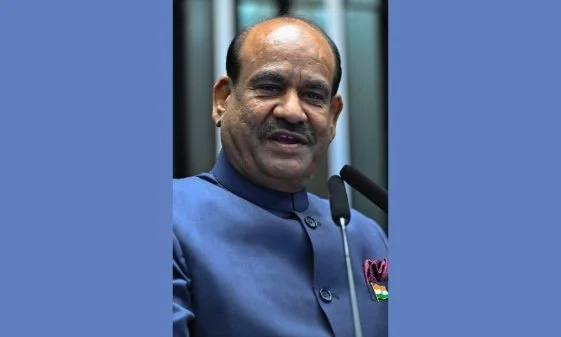
Agência Senado from Brasilia, Brazil, CC BY 2.0, via Wikimedia Commons
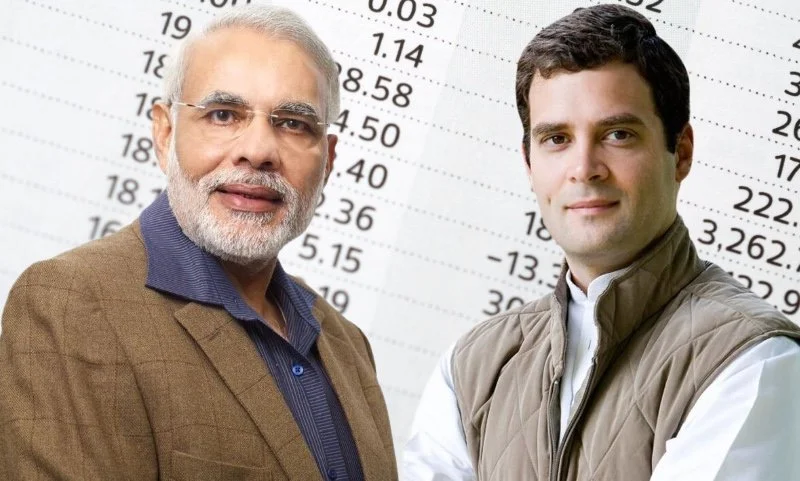
Opposition parties in Lok Sabha have warned they may file a no-confidence motion against Speaker Om Birla, accusing him of obstructing the parliamentary rights of Congress party leader Rahul Gandhi. The standoff, now entering a second week, centres on Gandhi being denied permission to speak about a controversial unpublished book by former army chief Manoj Naravane, while members of the ruling Bharatiya Janata Party (BJP) were permitted to make attacks against the Nehru-Gandhi family without censure.
The conflict reflects a deeper question about the balance of power within India’s parliamentary system, especially in periods of dominant-party rule. In theory, the Speaker of the Lok Sabha is required to act as a neutral referee, ensuring fair debate and protecting the rights of all members, regardless of party affiliation. But the post has often become contentious, especially when parliamentary functioning is fraught and the Speaker is accused of favouring the government side.
On February 10, as Gandhi was once again blocked from speaking, several Opposition parties came together to mount pressure on the Speaker, as reported by The Telegraph. Congress, along with leaders from the DMK, Trinamool Congress and the Samajwadi Party, approached Birla seeking a resolution that would allow Gandhi to speak, warning that continued denial would lead to formal proceedings for a no-confidence motion.

By evening, Congress had begun collecting signatures for such a motion, although the Trinamool Congress and Sharad Pawar’s NCP faction had not yet signed.
The charge of bias stems from multiple developments. While Gandhi was barred from making remarks on a book that has not been officially published, BJP MP Nishikant Dubey was reportedly allowed to make personal comments against Gandhi’s family without the Speaker’s objection. This, according to the Opposition, shows a pattern of unequal enforcement of rules.
The confrontation worsened after Birla told the House last week that he had advised Prime Minister Narendra Modi to skip a session scheduled for February 5. His reason, he said, was credible intelligence that some women Congress MPs might approach the Prime Minister’s seat and stage an “unforeseen” act. In response, five Congress women MPs, including Priyanka Gandhi Vadra, sent a letter accusing the Speaker of making defamatory claims under pressure from the ruling party.
The letter called the Speaker’s statement “false” and accused the government of using the alleged threat to deflect from its refusal to face debate. The signatories, including Jyothimani, R. Sudha, Varsha Gaikwad and Jyotsna Mahant, said their only offence was demanding accountability from the Prime Minister.

While Indian political culture accepts that Speakers are elected from the ruling party, their constitutional role demands detachment from partisanship once they assume office. This expectation has often been tested in periods of political instability or polarisation. The current case presents a sharp version of that test. If the Speaker is seen to silence the Opposition leader while protecting the Prime Minister and his party colleagues from scrutiny, then his neutrality stands eroded in the public eye.
The Speaker holds sweeping powers over who gets to speak in Parliament, how debates are structured and how disruptions are handled. These powers are grounded in parliamentary rules and conventions, not codified law, which means much rests on the Speaker’s judgement. The perception that such judgment is politically slanted, especially during debates involving accountability of the Prime Minister or the ruling party, collapses the very idea of Parliament as a space for reasoned contest.
The House has remained paralysed, with no structured debate on the budget or key policy matters such as the proposed U.S. trade deal and its potential impact on Indian farmers. Gandhi has accused the government of being “afraid of a debate,” while Rijiju has claimed that Congress is refusing to let the House function. The exchange reflects a political deadlock, with neither side willing to cede ground. Each side accuses the other of sabotaging Parliament. The Speaker, caught in this spiral, is now the target of a no-confidence motion, an extremely rare development in parliamentary practice.
No-confidence motions are typically directed at governments, not at presiding officers. Using this tool against the Speaker points to a collapse of trust between parties and indicates that many elected representatives no longer see Parliament’s procedures as reliable or fair.
You have just read a News Briefing, written by Newsreel Asia’s text editor, Vishal Arora, to cut through the noise and present a single story for the day that matters to you. We encourage you to read the News Briefing each day. Our objective is to help you become not just an informed citizen, but an engaged and responsible one.
What happened in Mumbai on October 2 may have been only one day of protest, but the issues behind it are unlikely to disappear with the dispersal of the crowd. The protest was centred around concerns over the Election Commission, electoral rolls and the Special Intensive Revision (SIR) exercise, with protesters demanding accountability from Chief Election Commissioner Gyanesh Kumar. At the same time, similar mobilisation has been taking place across different parts of the country, with student groups, Opposition parties and civil society organisations raising concerns over the electoral process. Newsreel Asia spent the day at Mumbai Protest capturing the preparations, the police presence, conversations with protesters, the atmosphere on the streets and how the day unfolded. The speech of Cockroach Janta Party's leaders and sentiment of protestors seemed larger than the concerns regarding the electoral process. Will this lead to something bigger?