
Parliament Cannot Question PM Cares Fund
From the Editor’s Desk
February 9, 2026

The Prime Minister’s Office has said that questions about the PM Cares Fund cannot be asked in Parliament. This means that elected members of the Lok Sabha are not allowed to raise queries about how the fund is run or how the money is used.
According to a report in The Indian Express, the PMO cited procedural rules to justify this, saying the fund was not part of the formal government structure and does not receive public money. It said the fund is made up of voluntary contributions, and therefore cannot be examined through parliamentary questions.
The PM Cares Fund was set up in 2020, during the early days of the Covid-19 pandemic. It was described as a new national fund to collect donations for emergencies. The Prime Minister is its chairperson. Other top ministers are trustees. The government promotes the fund on its official websites.

But when citizens have filed requests for information under the Right to Information law, the government has said that PM Cares is not a public body, using a technical argument, that the fund receives private donations, not money from the government’s budget.
This gives rise to the problem of accountability, the obligation of the state to explain and justify its actions to the people. If something is run by public officials, promoted through government channels, and carries the Prime Minister’s name, then excluding it from parliamentary questioning allows the executive to act without scrutiny.
Parliament is the place where elected representatives are meant to keep the government answerable to the public. One of the main tools for doing this is the right to ask questions. These questions are often about policy, spending, or actions taken in the name of the government. If that right is blocked, even in a specific area, it creates a wall between the people and the decisions being made in their name.

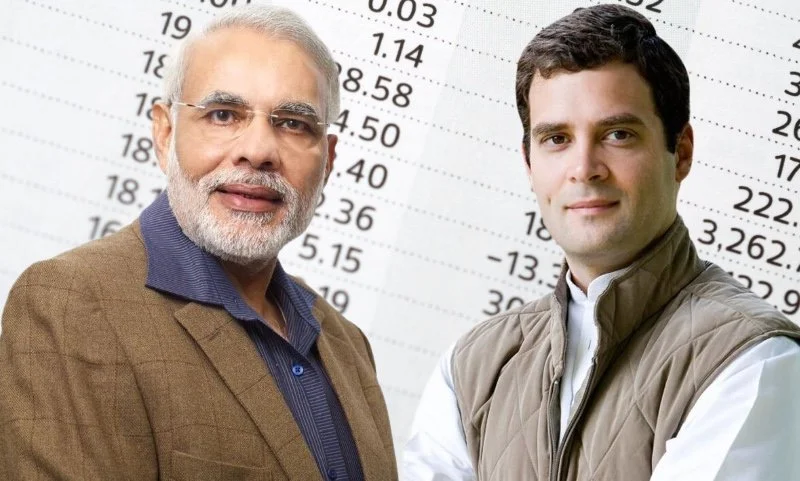
There is a second concern here. By invoking parliamentary procedure to deny questions, the PMO is using a rule meant to filter out irrelevant topics, not to shield important institutions from debate. Rule 41(2) of the Lok Sabha rulebook says that MPs should not ask about matters not under the control of the central government. The PMO is now using this rule to argue that PM Cares is a private trust, and so cannot be discussed in Parliament. But this seems to ignore the fact that the fund is run by the very people who form the government and uses the state’s machinery to collect and disburse funds.
This creates a new form of executive power, one that functions through state-like structures but avoids the normal checks that apply to government action. Political thinkers such as Hannah Arendt have warned against the creation of such “zones of exception,” where the state acts without being held to account. These zones slowly expand and end up weakening democratic institutions from within.
If the government can set up a fund, call it private and then avoid all questions about it, that opens the door to more such arrangements where public power is exercised without public responsibility.
This also creates a puzzle about where the fund really stands. On the one hand, the government has said in court that the fund was set up by the government itself. On the other hand, it says the fund is outside the reach of transparency laws. The courts have not fully settled this yet.
People donate to this fund believing it is official and credible. But there is no regular way to know how decisions are made or who benefits. And now, with this new move, even MPs are being told they cannot ask.
You have just read a News Briefing, written by Newsreel Asia’s text editor, Vishal Arora, to cut through the noise and present a single story for the day that matters to you. We encourage you to read the News Briefing each day. Our objective is to help you become not just an informed citizen, but an engaged and responsible one.
What happened in Mumbai on October 2 may have been only one day of protest, but the issues behind it are unlikely to disappear with the dispersal of the crowd. The protest was centred around concerns over the Election Commission, electoral rolls and the Special Intensive Revision (SIR) exercise, with protesters demanding accountability from Chief Election Commissioner Gyanesh Kumar. At the same time, similar mobilisation has been taking place across different parts of the country, with student groups, Opposition parties and civil society organisations raising concerns over the electoral process. Newsreel Asia spent the day at Mumbai Protest capturing the preparations, the police presence, conversations with protesters, the atmosphere on the streets and how the day unfolded. The speech of Cockroach Janta Party's leaders and sentiment of protestors seemed larger than the concerns regarding the electoral process. Will this lead to something bigger?