
Why 300 Million Workers Plan to Strike Across India on Feb. 12
From the Editor’s Desk
February 11, 2026
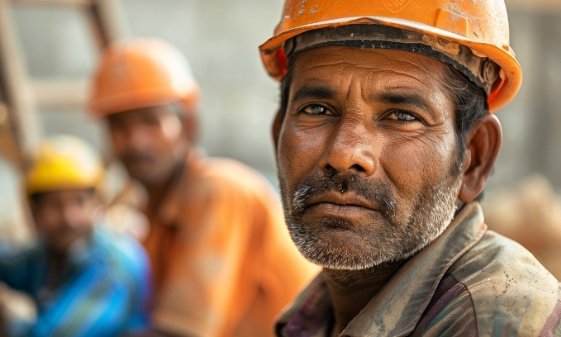
Central trade unions, supported by farmer groups, have organised a nationwide strike on February 12 involving over 300 million workers, who plan to disrupt key sectors including banking, transport and government services. The scale and composition of this mobilisation suggest a deepening conflict between policy direction and popular consent.
The joint strike has been called by a platform of 10 central trade unions to protest the central government’s recent labour reforms and wider economic policies, as reported by Money Control. Their primary demand is the repeal of the four new labour codes, which consolidated 29 existing laws. Trade unions argue that these new codes make it easier for employers to hire and fire workers, reduce protections around working conditions, and dilute the power of collective bargaining.
Bank employees’ unions have thrown their weight behind the protest. The All India Bank Employees Association (AIBEA), All India Bank Officers Association (AIBOA) and the Bank Employees Federation of India (BEFI) have all urged their members to join the strike. Their concerns include demands for a five-day work week and opposition to policies that may affect job stability and benefits in the banking sector. Public sector banks like Bank of Baroda, State Bank of India and IDBI Bank have already acknowledged potential service disruptions.

Farmer groups are also participating, marking a convergence of labour and agrarian discontent. Their support is expected to boost turnout in rural areas and intensify blockades or rallies in key regions.
The impact is likely to be felt in several ways. Public sector banks and government offices in protest-heavy states are expected to close or reduce operations. Disruptions in transport could affect mobility in cities and towns. In some areas, commercial markets, shops and educational institutions might remain shut as a precaution.
However, hospitals, flights, ATMs, and private offices are expected to operate normally, suggesting a targeted and largely symbolic strike in terms of essential service interruption.

This scale of mobilisation signals a deep rupture between the government’s labour policy agenda and the lived realities of India’s working population. The four new labour codes restructure industrial relations, wages, social security and workplace safety. Officials claim these changes aim to streamline compliance and improve the business environment, but unions argue that the reforms ease hiring and firing, weaken protections and reduce the scope for collective bargaining.
The strike functions as a mass rejection of the economic direction being pursued, particularly the exclusion of workers’ voices from decisions that affect their rights.
Indian trade unions have long influenced how labour laws are made and how people think about economic policy. Their large-scale return to the streets shows that labour resistance remains active and organised. The February 12 strike suggests that workers still rely on protest and collective bargaining to make their demands heard, especially in situations where formal negotiations have stalled or been ineffective.
The participation of bank unions points to wider concerns among public sector workers about the future of stable jobs and the growing pressure to adopt market-based models. Similar concerns have emerged globally, where workers in long-established sectors are pushing back against privatisation, digital systems and performance-based pay, which they see as threatening the basic protections that have traditionally come with public employment.
The involvement of farmer groups brings together discontent from both rural and urban workers, creating a broader front of economic grievance. This makes it harder for the government to isolate the protest or treat it as limited to one sector. Alliances between farmers and industrial workers reflect a common feeling of being left out of current policy decisions. Even if the government uses administrative steps to manage the disruption, the protest raises deeper concerns about how fairly the system represents different groups and how responsive it is to their needs.
You have just read a News Briefing, written by Newsreel Asia’s text editor, Vishal Arora, to cut through the noise and present a single story for the day that matters to you. We encourage you to read the News Briefing each day. Our objective is to help you become not just an informed citizen, but an engaged and responsible one.
What happened in Mumbai on October 2 may have been only one day of protest, but the issues behind it are unlikely to disappear with the dispersal of the crowd. The protest was centred around concerns over the Election Commission, electoral rolls and the Special Intensive Revision (SIR) exercise, with protesters demanding accountability from Chief Election Commissioner Gyanesh Kumar. At the same time, similar mobilisation has been taking place across different parts of the country, with student groups, Opposition parties and civil society organisations raising concerns over the electoral process. Newsreel Asia spent the day at Mumbai Protest capturing the preparations, the police presence, conversations with protesters, the atmosphere on the streets and how the day unfolded. The speech of Cockroach Janta Party's leaders and sentiment of protestors seemed larger than the concerns regarding the electoral process. Will this lead to something bigger?