
‘No Village Is Safe’: Kuki-Zos Demand President’s Rule After Fresh Killings in Manipur
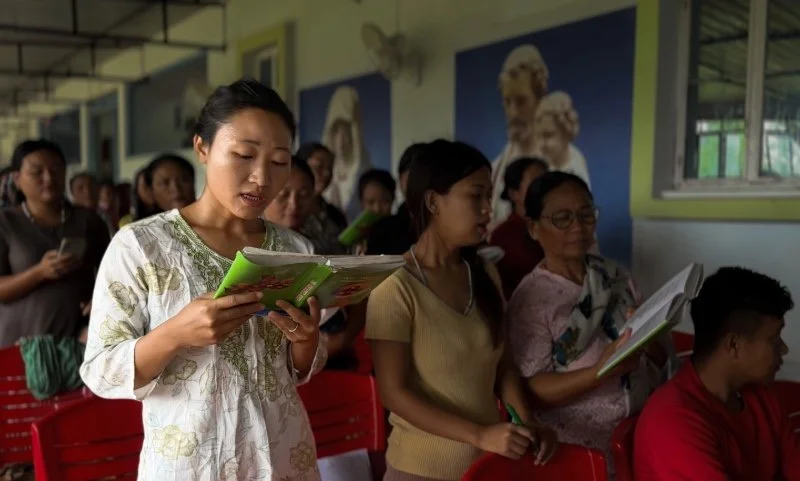
At around four o’clock in the morning on September 13, gunmen entered a house in L. Tollen village in Tamenglong district of Manipur. They shot Lhingzangai Singsit as she slept beside her husband, Seineh. He took a wound that killed him days later. Their son Henminsang, four years old, was hit by the same gunfire, and the injury to his hand has needed continuous treatment since.
More European Ships Could Head to India for Scrapping, Raising Safety and Pollution Risks
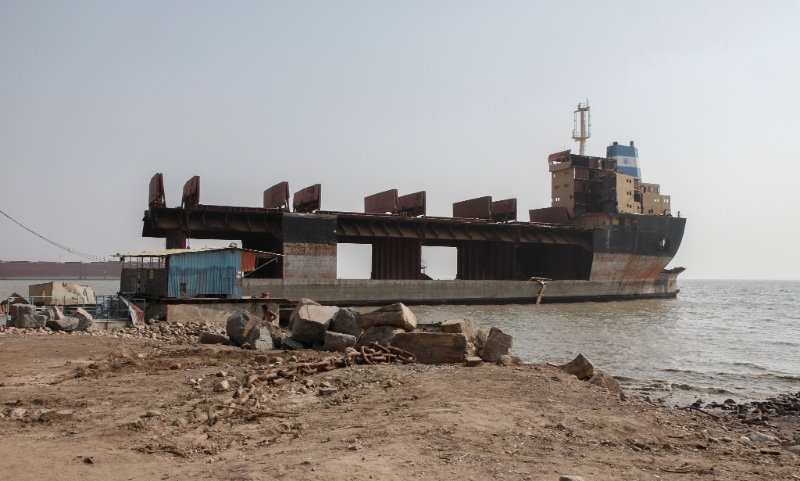
India could be facing a much larger influx of old European ships being dismantled on its beaches in the coming years, exposing Indian workers and coastal environments to the hazards of an industrial practice that Europe itself does not permit, according to a new report.

Bank Accounts Aren’t Enough to Bring Women Into India’s Gig Economy, ILO Warns
Owning a bank account is not enough to bring women fully into India’s gig and platform economy, a policy brief by the International Labor Organization and the National Council of Applied Economic Research said. Nearly all Indian women now have a bank account, but most still can’t use one on their own, few understand the loans and insurance sold to them, and the financial products themselves are built for how men earn, not how women do.
Questions Over India Today Poll Presenting Modi as Still Popular After Youth Protests
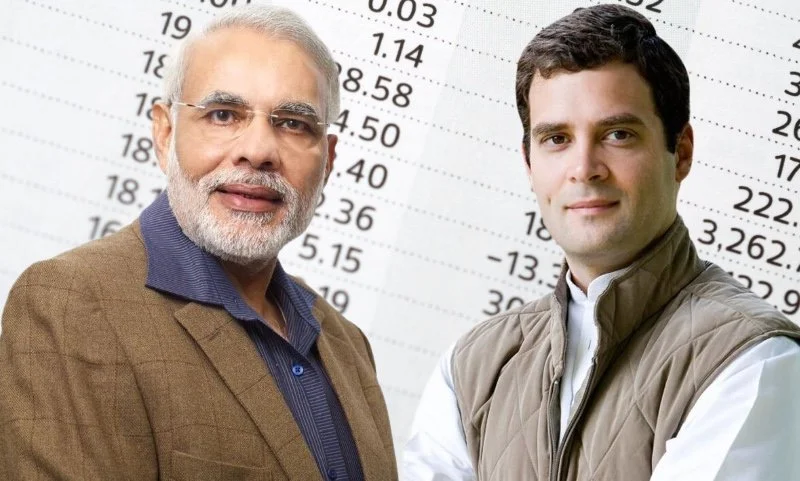
The latest India Today-CVoter Mood of the Nation (MOTN) poll records a considerable fall in support for Prime Minister Narendra Modi and the Bharatiya Janata Party, despite relying largely on interviews conducted before the Cockroach Janta Party (CJP)-initiated protests at Delhi’s Jantar Mantar grew into a nationwide movement demanding accountability. However, India Today and sister organisation Aaj Tak presented it mainly as evidence that Modi remains popular and the NDA would retain power.

India Fared Worse on Governance and Per-Capita Income Than It Would Have Without Modi, Study Says
Governance in India weakened, and economic growth fell short of what a comparable country might have achieved during the decade in which Narendra Modi and the Bharatiya Janata Party (BJP) governed the country, according to a new study.
The State Has No Right to Regulate Sexual Conduct of Adult Women
Leader of Opposition Rahul Gandhi has written to Maharashtra Chief Minister Devendra Fadnavis, demanding an end to the reported practice of requiring female Adivasi students returning after an absence to undergo pregnancy tests before being readmitted to government hostels. No student should have to prove that she is not pregnant or has not had sex to retain her accommodation and continue her education.
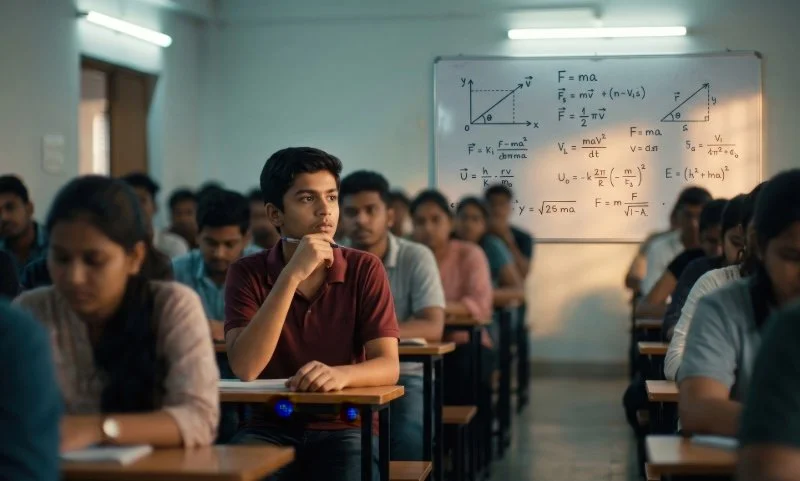
Niti Aayog Finds 87 Million Young Indians Not Studying, Working or Training
More than 87 million (8.7 crore) Indians age 15 to 29 are not studying, working or getting any training, according to report by NITI Aayog, the Indian government’s policy think tank.
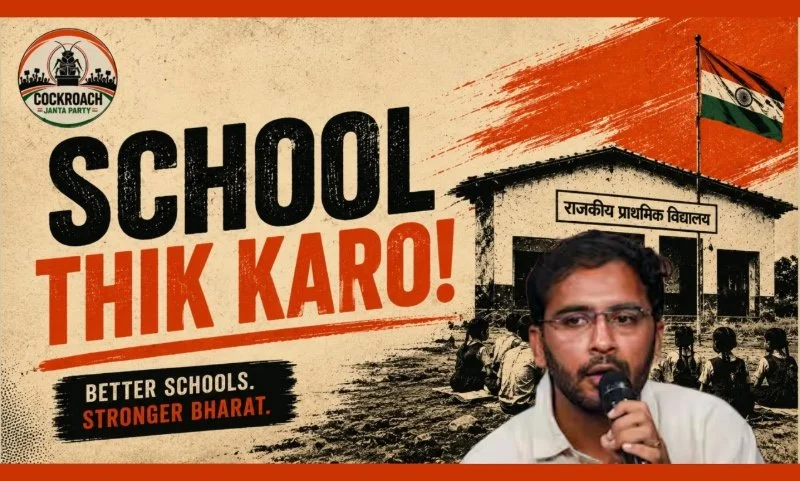
Why the Reported Attack on CJP’s Ashutosh Ranka During a Rajasthan School Visit Is a Serious Incident
Cockroach Janta Party (CJP) co-convener Ashutosh Ranka and his team travelled to Rampura-Kanwarpura village in Jaipur district on August 21 to investigate a government primary school reportedly operating from a cattle enclosure because its building was unsafe. According to reports, members of the delegation, including a woman, were chased, beaten and pelted with stones, while their vehicles and phones were damaged. Ranka said his clothes were torn and that one volunteer suffered a fractured hand. The incident is serious for at least five reasons.

Is the Government Combining the Census and the National Population Register?
Is the government using the Census to quietly collect information for the National Population Register (NPR), even though it has not officially announced that the NPR is being updated? Former senior Census official K. Narayanan Unni told a media outlet that some of the 40 questions announced by the Home Ministry appear more useful for the NPR than for a normal Census.

Citizens Waited for Basic Services While Public Money Went Unspent, CAG Reports Suggest
Recent reports from the Comptroller and Auditor General of India (CAG) found that authorities left large sums allocated for disaster assistance, drinking water, housing, pollution control and railway passenger amenities unspent, raising questions about why parliamentary allocations were not converted into services for citizens.
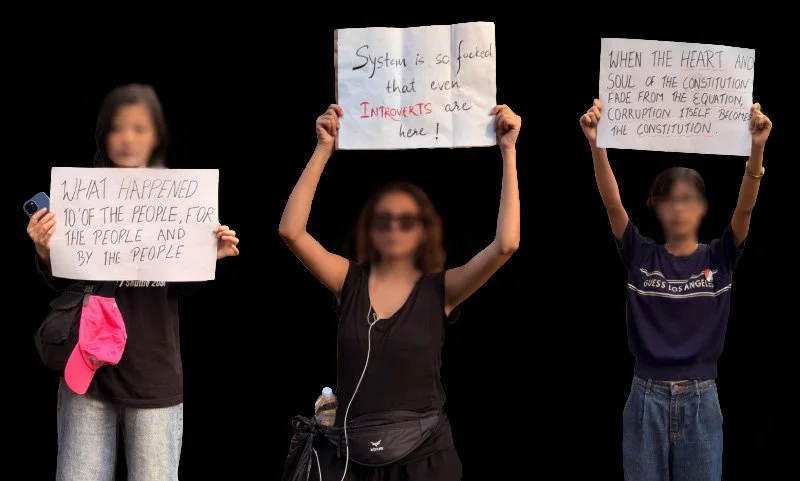
Why Governments Feel Threatened by Women Protesters
After the Cockroach Janta Party (CJP) protests ended in Delhi’s Jantar Mantar on July 25 following Education Minister Dharmendra Pradhan’s resignation, women and girls who had participated publicly and visibly in the agitation became the principal targets of a doxxing and harassment campaign. The campaign reveals that those behind it see women protesters as a threat and want to push them into roles defined by their own patriarchal beliefs.
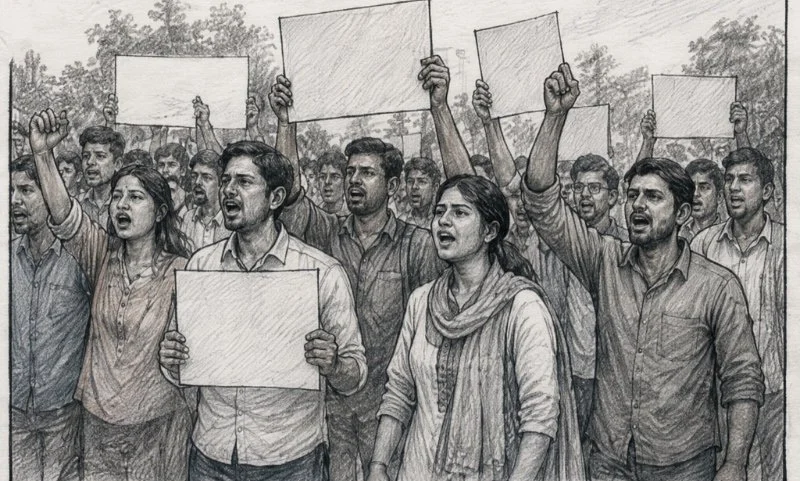
See Jharkhand Protests From Students’ Perspective, Not Politicians’
While government-job aspirants without party affiliations appear to constitute the principal base of the ongoing protests in Ranchi, Jharkhand, the agitation is not organisationally unified. This distinction is important because attempts by political groups to influence the protests risk diverting attention from young people’s genuine concerns about education, recruitment and institutional reform, and from their attempt to raise these concerns democratically.
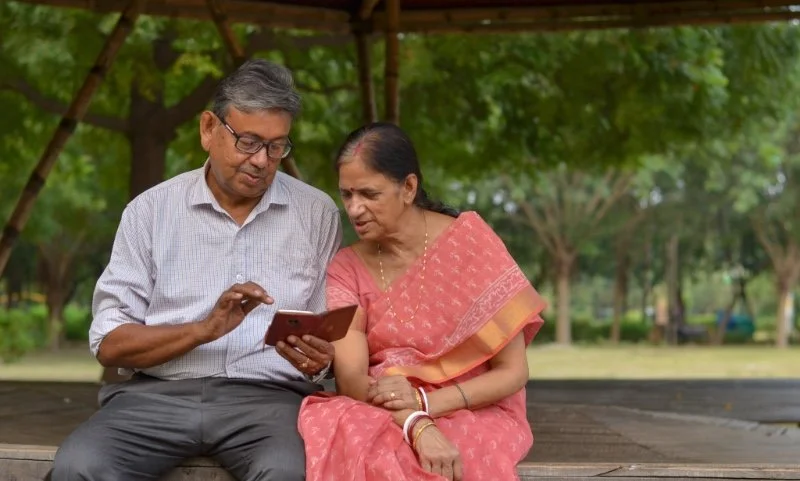
As India Grows Older, Its Digital Economy Must Protect Senior Citizens
India’s digital revolution has transformed the way citizens bank, invest, receive pensions and access public services. However, beneath this success story lies a growing vulnerability that deserves far greater attention. Cyber fraud is no longer merely a technology or policing issue; it has become an ageing issue.
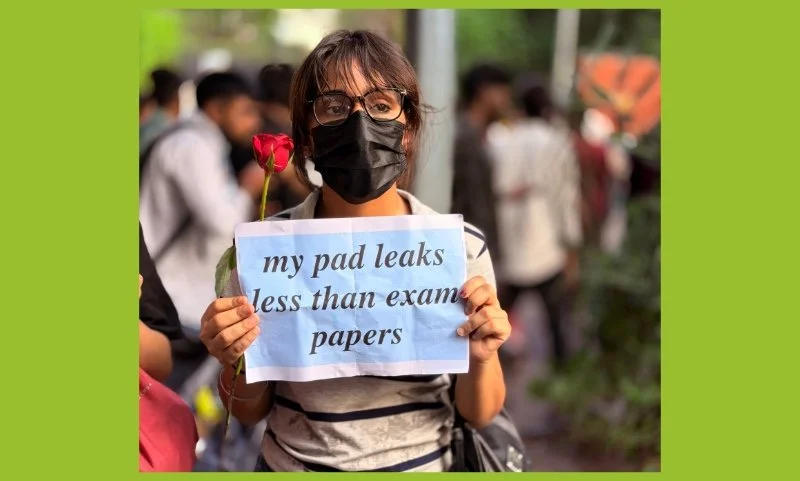
Government’s Disconnect With Gen Z Is Visible in Its Three Miscalculations
A protest movement built and led by India’s youngest citizens forced Education Minister Dharmendra Pradhan to resign, following weeks of hunger strikes and mass demonstrations. The government’s police crackdown subsequently backfired. Relying on its past successes in curbing protests and dissent, the administration led by officials decades older than the protesters tried to use silence and force during those weeks. However, the government and its advisors failed to realise that this time they were dealing with a generation they had no experience managing.
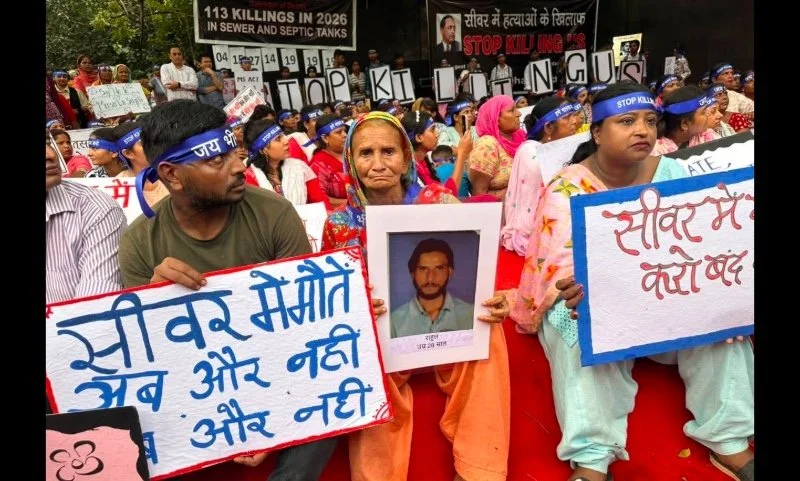
Another Protest at Jantar Mantar, This Time Over Deaths No One Is Counting
The Cockroach Janta Party has decided, for now, to remain a movement rather than register as a political party, leaving the final word to a leadership meeting set for August 5 and 6 in Chhatrapati Sambhajinagar in Maharashtra. The choice admits that a movement’s power can disappear the moment it starts competing for votes instead of making demands from the government.

Citizens Have 5 Economic Reasons to Oppose the Government’s E25 Petrol Plan
The central government is reportedly considering delaying its plan to increase the amount of ethanol mixed with petrol from the current 20% to 25%. The government’s rationale is that the move would reduce India’s dependence on imported crude oil, lower some vehicle emissions and create a bigger market for Indian farmers. However, these stated public policy objectives overshadow several economic principles that lie behind citizens’ opposition to the proposal.
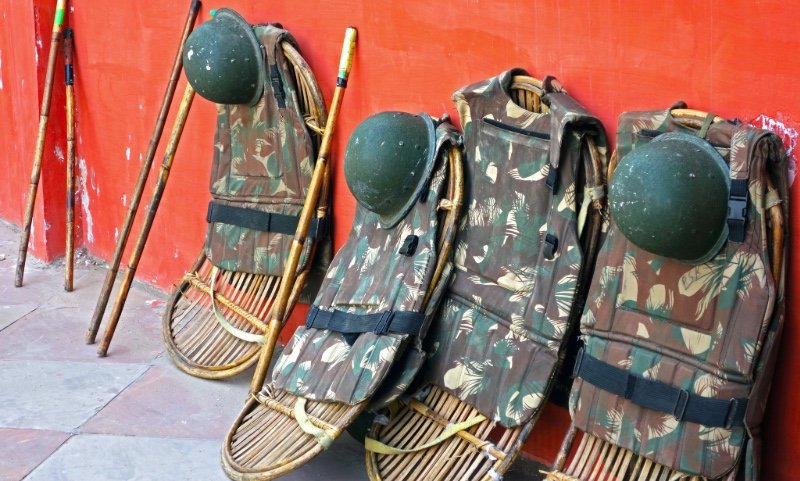
West Bengal’s Fight Against ‘Goondas’ Comes With a Democratic Risk
The West Bengal Assembly has passed two laws that allow authorities to place people identified as “goondas” (violent criminals, gang members or habitual offenders) in preventive detention for up to 12 months and confiscate their property to compensate victims of damage caused during public disorder. The move is causing concern that these laws could be used against political opponents, activists and protesters because of the broad powers they grant the government.
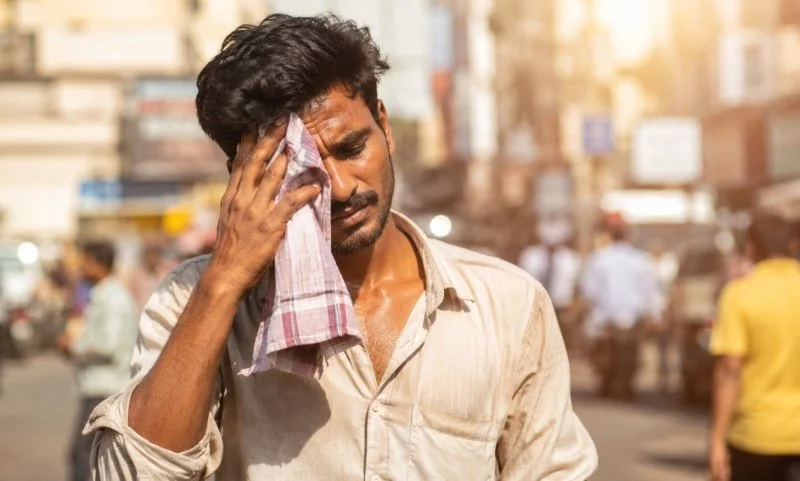
Why India’s Heat Crisis Falls Hardest on Dalits and Muslims
India’s caste system has long assigned the most physically exposed forms of labour to the communities least able to refuse them. That old arrangement has taken on new urgency as summer temperatures push past the limits of human endurance. Sections of the Muslim community also bear a disproportionate burden during heatwaves because of residential exclusion.
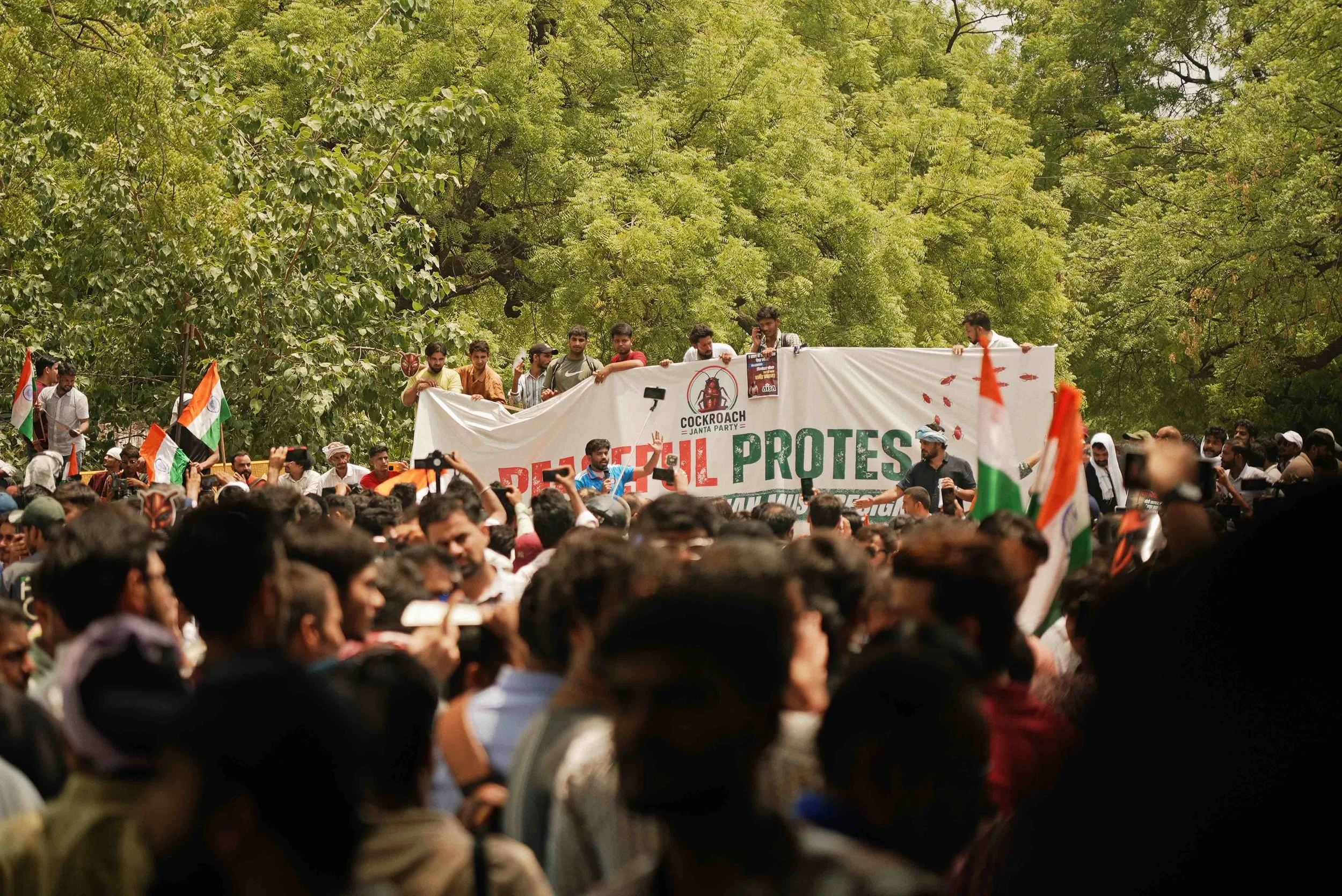
Photo Feature: Masks, Placards and Anger at the Cockroach Janta Party Protest
Thousands of young people, including students who appeared for recent NEET and CBSE examinations, their parents, student unions, job aspirants, and civil society groups, gathered at Jantar Mantar in New Delhi on June 6 for a protest organised by the Cockroach Janta Party (CJP). Participants demanded the resignation of Education Minister Dharmendra Pradhan following the NEET paper leak controversy and a series of examination-related irregularities reported in recent years.

A Telegram Bot Is Selling Indians’ Personal Data for ₹2.50 Per Search
Twenty-three-year-old Maryam Siddiqui (name changed) was trying to leave her family, where she said she had been facing harassment from an extended family member. She left her home in a small town in Bihar and travelled to Patna without informing her parents. After searching for her for ten days and filing a police complaint, her family was advised by a friend to use a bot that illegally tracks a person’s exact location, provides detailed coordinates and reveals sensitive personal information.