
Interfaith Dialogue, Religious Freedom Linked to Cities’ Economic Success
From the Editor’s Desk
March 18, 2026

Interfaith dialogue and freedom of belief can strengthen a city’s economy by making it more stable and attractive to investors and skilled professionals, according to a new international system developed to measure how cooperation between religious communities influences economic conditions in cities.
The framework, called the Cities of Dialogue Index, was launched in March 2026 by the Asian Conference of Religions for Peace (ACRP) and the Singapore-based creative change firm Consulus.
The index proposes a way to measure how interfaith dialogue systems influence economic conditions inside cities. It evaluates governance support for dialogue, levels of community engagement between religious groups and the degree to which workplaces accommodate diverse beliefs. These factors are then compared with economic indicators such as foreign direct investment (FDI) inflows and the ability of cities to retain highly skilled professionals.
The ACRP and Consulus argue that conventional global city rankings place heavy weight on visible economic indicators such as GDP, infrastructure and cost of living. The Cities of Dialogue Index attempts to track social conditions that influence economic stability, including the ways communities interact across religious and cultural lines.
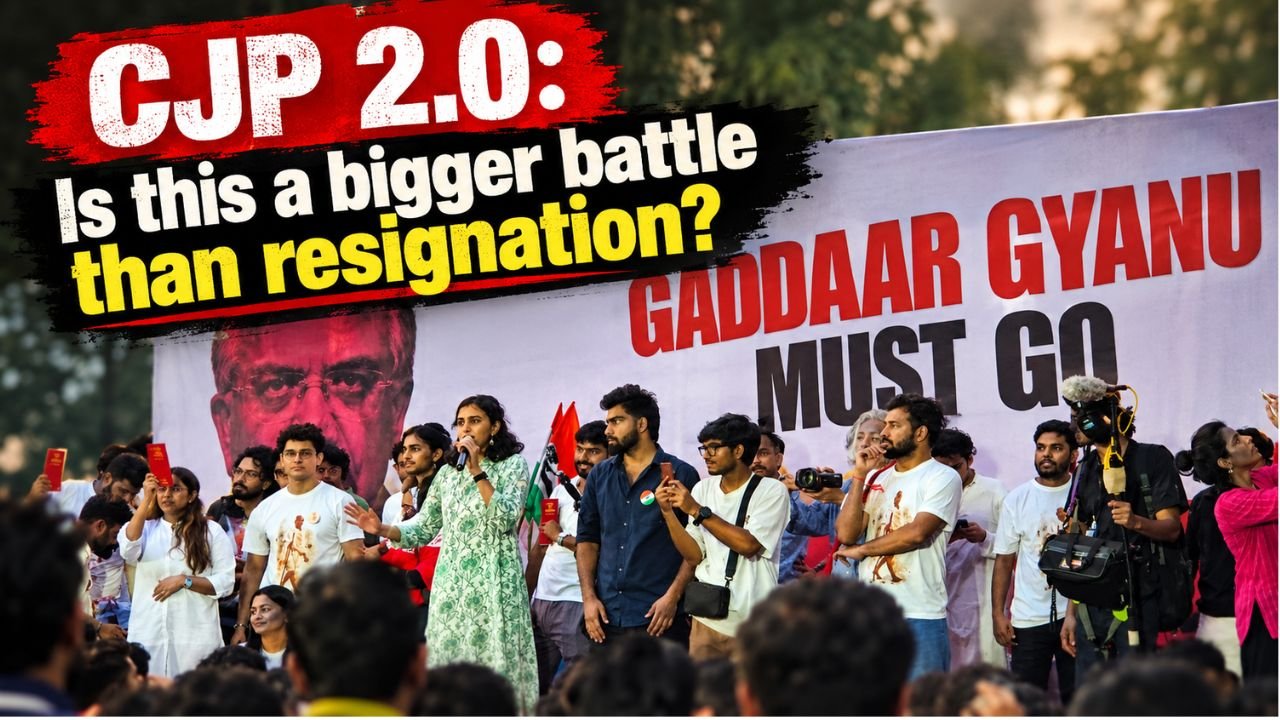

The underlying premise is that investors seek stability when deciding where to place long-term capital. Cities where religious and cultural tensions are managed through regular dialogue and inclusive policies tend to experience fewer disruptions. In such environments companies face lower operational risks, which can encourage investment and support steady economic activity.
The framework also connects social conditions with the movement of skilled professionals across borders. Global talent often chooses cities where individuals can live with dignity and safety and where personal identity does not restrict professional opportunity. A city that publicly signals respect for multiple religious traditions can therefore present itself as open to international workers.
The index measures “dialogue capacity” through three institutional areas that together describe how a city manages religious diversity.
The first area, dialogue vitality, measures the frequency, scale and influence of interactions across religious and cultural communities. These interactions include civic forums, public discussions and programs organised by groups dedicated to interfaith engagement. According to the framework, regular contact between communities can build social trust, which helps reduce the risk of sudden tensions that could disrupt economic activity.
The second area looks at conditions inside workplaces. The index studies whether employers maintain policies that accommodate diverse beliefs, including flexible leave for religious observance or space for private prayer. The goal is to understand whether professionals from different faith backgrounds can pursue careers without barriers linked to identity.
The third area evaluates government support for social cohesion. This part of the index examines whether municipal authorities allocate budgets for social cohesion programs, maintain anti-discrimination protections and create formal institutions dedicated to dialogue between communities. The presence of such measures indicates whether pluralism forms part of city governance rather than remaining an informal activity of civil society groups.
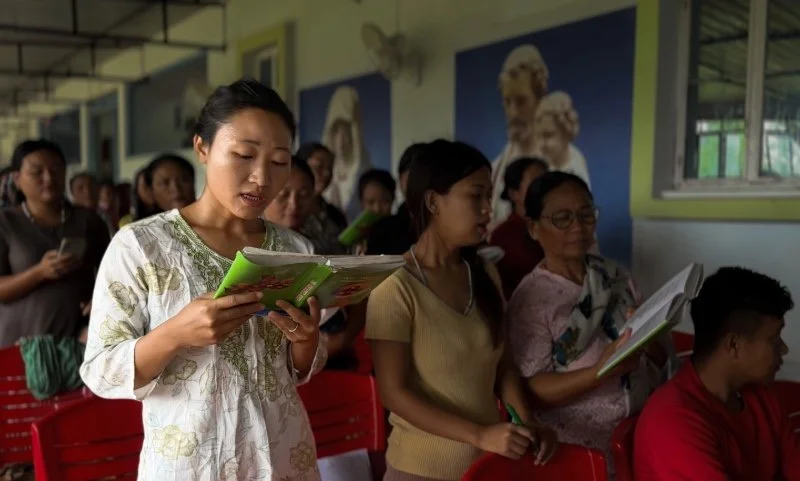

Several major global cities can be cited as examples where active interfaith dialogue systems operate in economies that attract global investment and talent.
Singapore has a government body called the Presidential Council for Religious Harmony, where leaders from major religious communities meet with state officials to review issues that could affect relations between faith groups. The council was created under Singapore’s Maintenance of Religious Harmony Act and serves as a formal channel for addressing tensions before they escalate.
Dubai and Abu Dhabi have built state-backed interfaith projects, including the Abrahamic Family House in Abu Dhabi, a complex that includes a mosque, a church and a synagogue on the same site and hosts public visits and dialogue events. The United Arab Emirates government has also created a Ministry of Tolerance and regularly convenes international conferences on interfaith cooperation that bring religious leaders and policy officials together.
Toronto’s interfaith engagement runs through civic organisations. The Toronto Area Interfaith Council brings together leaders from more than 40 religious traditions and convenes meetings with municipal officials and community groups. These discussions often focus on practical issues such as community tensions, religious accommodation and cooperation between faith groups in city neighbourhoods.
London and New York City also operate large networks of multifaith organisations and community initiatives.
Saudi Arabia maintained one of the world’s most restrictive religious systems for decades while its economy depended almost entirely on oil revenues. Public practice of religions other than Islam was prohibited and even private worship by non-Muslims faced tight limits. As Saudi leaders began preparing for a future in which oil income would gradually lose its central role, the government launched the Vision 2030 economic diversification program in 2016 to attract foreign investment, tourism and international businesses. Alongside that shift, authorities reduced the powers of the religious police, promoted the idea of “moderate Islam,” and began hosting international forums on tolerance and interfaith dialogue. These moves were widely seen as part of an effort to make the country more accessible to global capital, talent and visitors in a post-oil economy.
The ACRP and Consulus believe that creating clear indicators helps draw the attention of city governments, because officials tend to focus on areas that can be measured and tracked. Turning interfaith dialogue and religious freedom into measurable indicators allows their economic impact to enter policy discussions that usually focus on infrastructure, investment and growth.
You have just read a News Briefing, written by Newsreel Asia’s text editor, Vishal Arora, to cut through the noise and present a single story for the day that matters to you. We encourage you to read the News Briefing each day. Our objective is to help you become not just an informed citizen, but an engaged and responsible one.
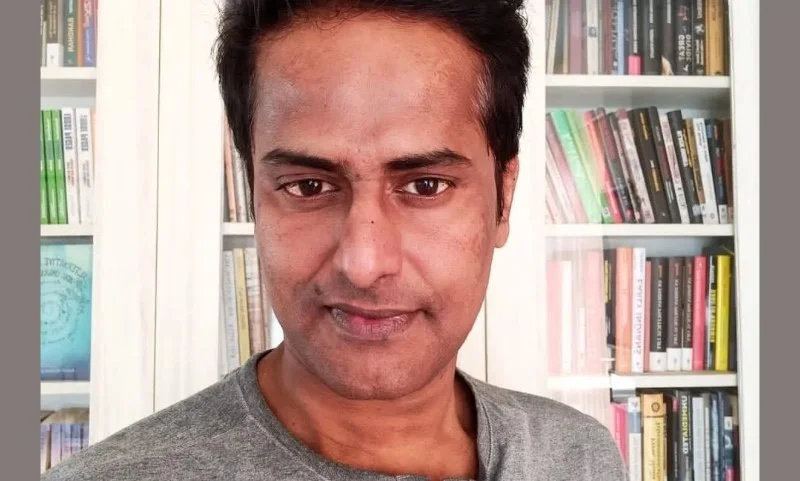

On October 12, opposition leaders, MPs, MLAs, student organisations and political workers came together in a massive march against Chief Election Commissioner Gyanesh Kumar, raising serious concerns over the Special Intensive Revision (SIR) of electoral rolls and the alleged mass deletion of voters’ names. The march brought together a broad coalition, including the INDIA bloc, AISA, SFI and other student unions, as part of a wider nationwide mobilisation against the SIR exercise and concerns surrounding electoral integrity.