
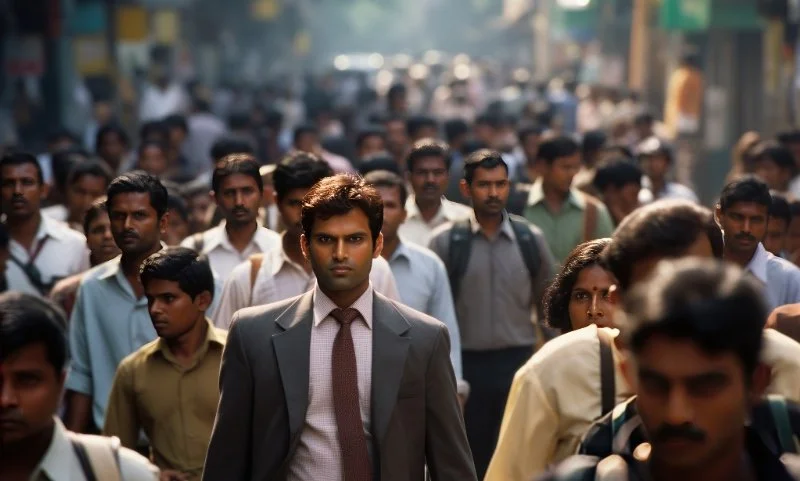
Life Is Getting Harder for India’s Middle Class as Costs Rise and Jobs Shrink
India’s middle class is getting economically squeezed as automation is destroying jobs, wages have stagnated and the cost of living has outpaced incomes, according to an analysis by the BBC. The class that pays the state’s taxes and drives its consumption is borrowing to cover basic expenses, putting the foundations of the post-1991 growth model under pressure.

What Proposed FCRA Amendment Means for Democracy, NGOs and Millions Who Depend on Them
The central government has proposed changes to the Foreign Contribution Regulation Act, which regulates how non-profit organisations receive foreign funding for work in health, education, nutrition and other welfare sectors. The amendment would give the government greater power to halt funding and also take control of assets, including property, created with that money, potentially reducing humanitarian, rights-based and climate-related advocacy work in the country.
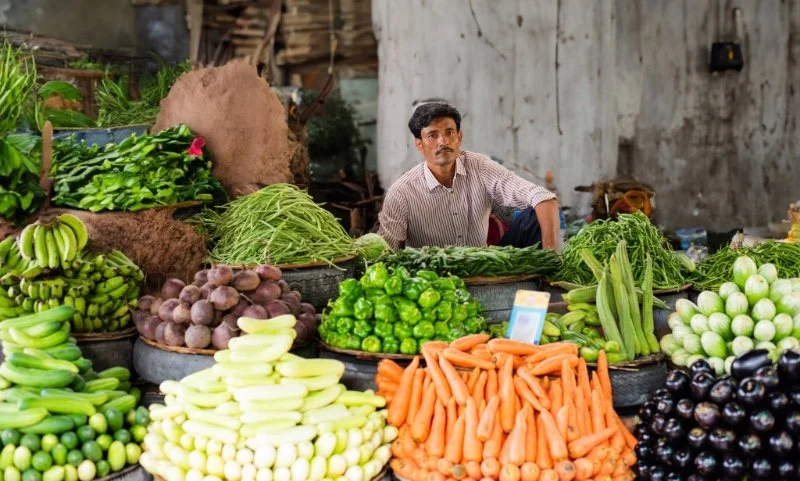
Iran War: Costs Rising in India After 4 Weeks, Impact May Grow if It Continues
Over the past four weeks, the war in West Asia has disrupted traffic through the Strait of Hormuz and increased the cost of raw materials and components used not only in fuel, but also in medicines, plastics and packaged goods in India. If the war continues for two more months, the impact is likely to become much harsher and more widespread in household expenses and access to essential services, as seen in many countries around the world during earlier conflicts.
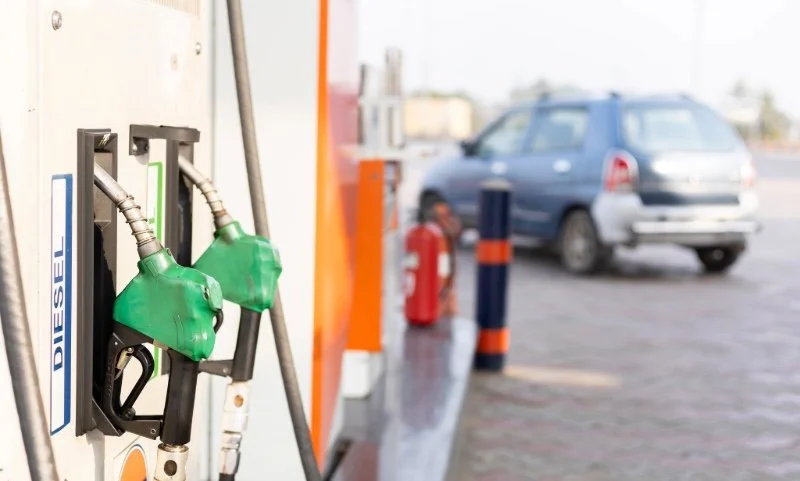
India Holds Oil Reserves for Only 9.5 Days of Demand Amid Gulf Supply Risks
India’s strategic petroleum reserves can cover only about 9.5 days of national crude oil demand if the reserves are filled to their maximum capacity, according to a government response obtained through the Right to Information law. The disclosure places India at the lower end of energy preparedness at a time of heightened supply risks linked to the ongoing Iran war.

Your Happiness Depends on How Good Your Government Is, a Report Suggests
Finland stands first again in the World Happiness Report 2026, while Afghanistan sits at the bottom of the ranking. India is placed 116th among the 147 countries included in the report. The countries at the top and bottom of the report, based on how people rate their own lives, help explain why people in some societies report greater satisfaction with their lives than those in others.

Supreme Court Says ED, CBI Appeared Reluctant in Probe Into Anil Ambani-Led Companies’ Loan Fraud Allegations
The Supreme Court has said the Enforcement Directorate (ED) and the Central Bureau of Investigation (CBI) appeared reluctant to proceed in the alleged loan fraud case involving Anil Ambani-led companies. A court pressing the country’s main financial crime investigators to act in a case involving public sector bank money raises uncomfortable questions about the state’s willingness to pursue accountability where corporate power is involved.
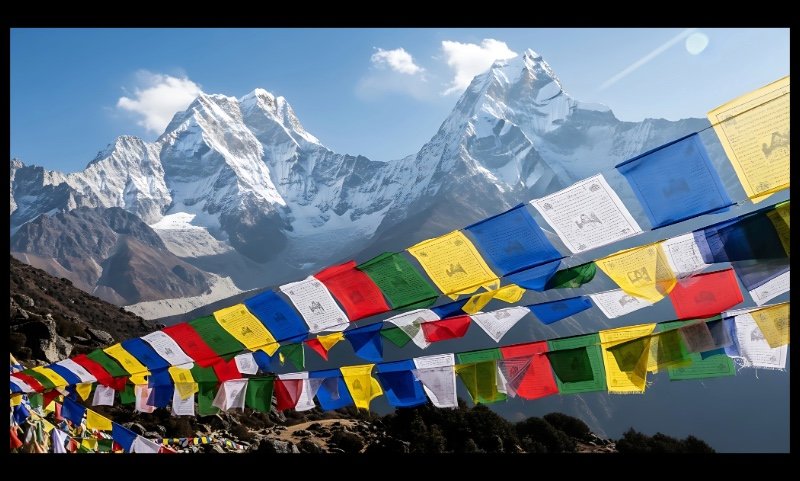
Himalayan Glaciers Shrinking Fast, Study Warns of Water, Disaster Risks
A new analysis reports that glaciers across the Hindu-Kush Himalaya, which stretches across eight countries including Afghanistan, Pakistan, India, Nepal, Bhutan, China and Myanmar, have been reduced by 12 percent in 20 years. This may lead to uncertainty in water availability and increased exposure to natural calamities in South and Southeast Asia in the coming decades, a trend scientists say is already contributing to rising risks of glacial lake floods, avalanches and landslides in the Himalayan region.
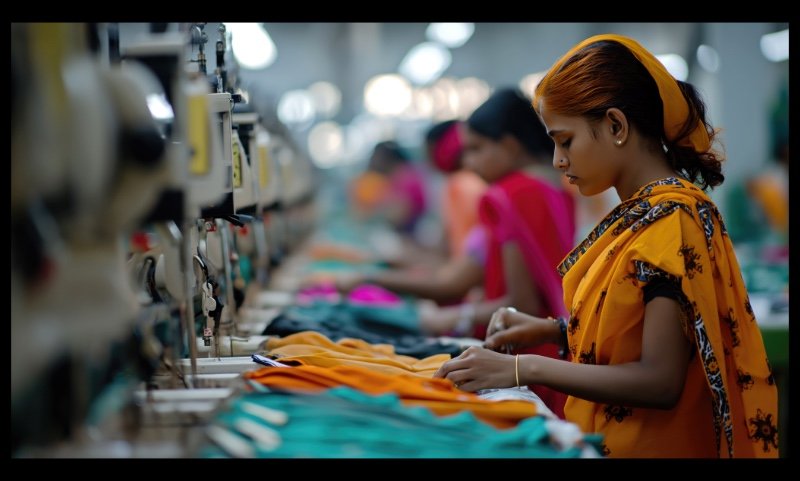
India’s Economy Is Rising in Global Rankings, Will Millions Rise With It?
India is on track to become the world’s fourth largest economy in nominal gross domestic product, a measure of output at current market prices, as it moves toward overtaking Japan. But, one of the world’s top consulting firms asks if this rise in the global rankings on paper translate into larger gains for the people who live and work in India?
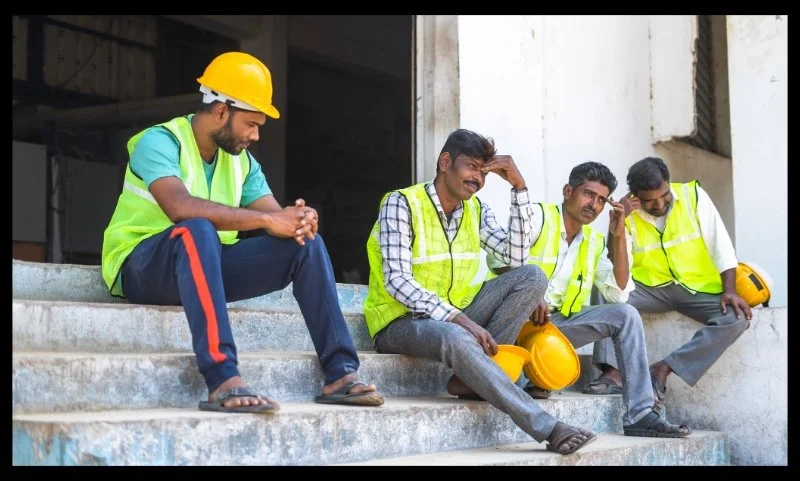
Study Finds 40% of Graduates Seeking Work Are Unemployed
A major labour study from Azim Premji University reports that about 40 percent of graduates in India’s labour force are unemployed, a level that has remained largely unchanged for four decades. The finding shows that economic growth has failed to create enough skilled jobs for the number of graduates the country now produces.

Menopause Years Are Key to Preventing Alzheimer’s in Women
A new medical review that brought together evidence from many earlier studies on why women develop Alzheimer’s disease more often than men suggests that the years around menopause may be one of the most important periods for protecting women’s brain health. The findings are widely useful because they can help women reduce that risk.
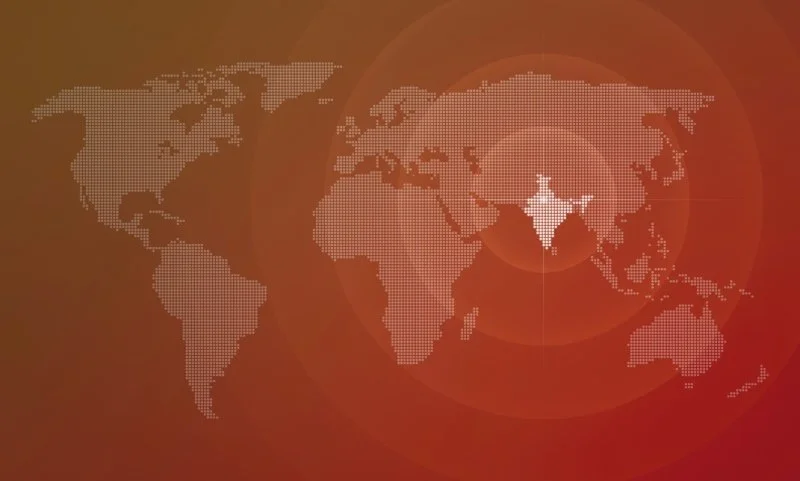
India Listed as ‘Electoral Autocracy’ in Global Democracy Report
India is experiencing a decline in democratic standards and is now classified as an “electoral autocracy,” according to the Democracy Report 2026 published by the Sweden-based V-Dem Institute. The report places India in a political category where multiparty elections still take place but core democratic conditions, including freedom of expression, freedom of association and fair political competition, are judged to be insufficient.

Interfaith Dialogue, Religious Freedom Linked to Cities’ Economic Success
Interfaith dialogue and freedom of belief can strengthen a city’s economy by making it more stable and attractive to investors and skilled professionals, according to a new international system developed to measure how cooperation between religious communities influences economic conditions in cities.
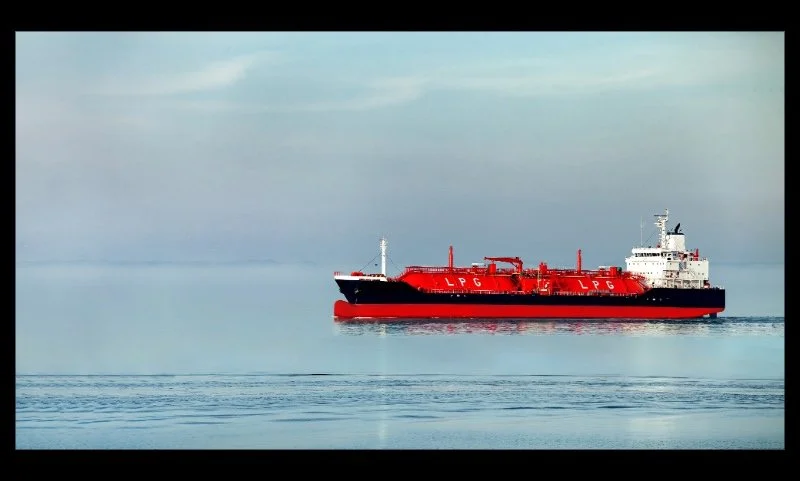
Iran Allows Only a Fraction of India-Bound Energy Tankers Through Hormuz
While two Indian liquefied petroleum gas (LPG) carriers have crossed the Strait of Hormuz and are heading toward Indian ports, an event widely seen as a diplomatic breakthrough with Iran, the shipment represents only a small fraction of the Indian energy traffic currently waiting outside the strait. It seems India’s friendly relations with Iran have given it only limited influence over decisions that Tehran now treats as part of its wartime strategy.
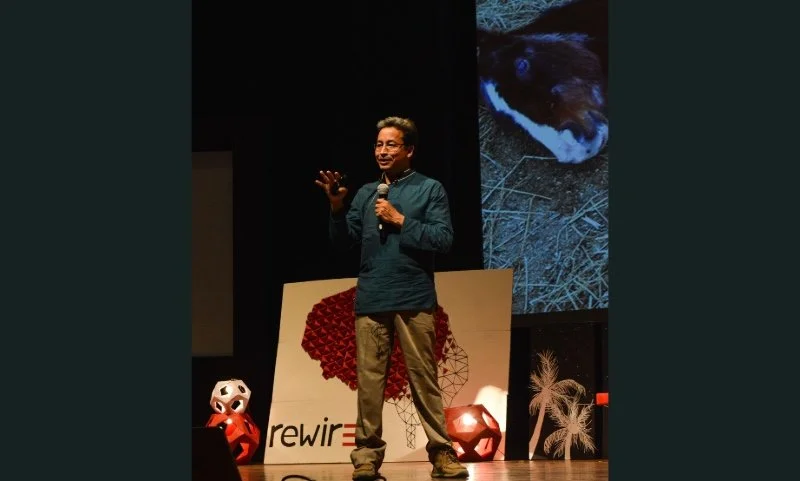
Three Issues Ladakhi Activist Sonam Wangchuk’s Release Reveals
The Union government revoked Ladakhi climate activist Sonam Wangchuk’s detention under the National Security Act, or NSA, on March 14, just before the Supreme Court was due to resume hearing a case filed by his wife challenging the legality of his detention and seeking his release. From a legal and political perspective, the timing reveals at least three issues.

The Road Ahead After Balen Shah’s Rise and the Collapse of Nepal’s Old Guard
The stunning rise of the Rastriya Swatantra Party (RSP), powered by the popularity of its senior leader Balendra “Balen” Shah, has reduced the Nepali Congress and the communist parties to their smallest presence ever in Nepal’s parliamentary election history. The results of the 2026 election mark a dramatic break in a political system long dominated by these parties, but the question now is whether a new movement led by younger leaders will be able to replace the traditional forces that have shaped the country’s politics for decades.
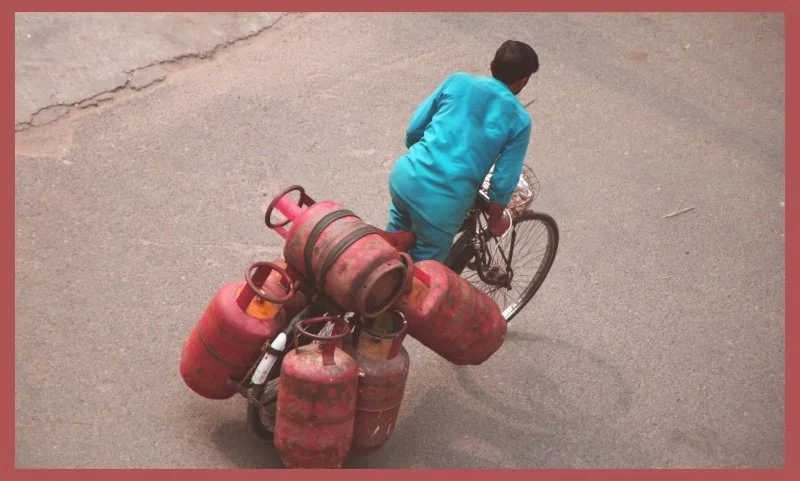
Is Iran War Pushing India Into a Kitchen and Energy Crisis?
The ongoing U.S.–Israel confrontation with Iran is already reaching Indian kitchens, petrol pumps, factories and household budgets. Disruptions to shipping in the Strait of Hormuz have slowed or halted tankers carrying oil and gas, triggering supply shocks that are spreading through India’s energy system and everyday economic life. The effects are visible on the ground in long queues outside LPG agencies, restaurants cutting menus because commercial cylinders have run short, and factories pausing production for lack of fuel.

US–Israel War With Iran: Who Profits and Who Pays the Price
The Pentagon has told lawmakers in the United States that the first six days of the Iran war cost the exchequer about $11.3 billion, a sum that could theoretically fund basic food assistance for around 18–20 million people for an entire year. The spending is likely to rise sharply in the coming weeks and months, and much of that spending will flow to a small circle of industries, while ordinary citizens in many countries will carry the economic shock.
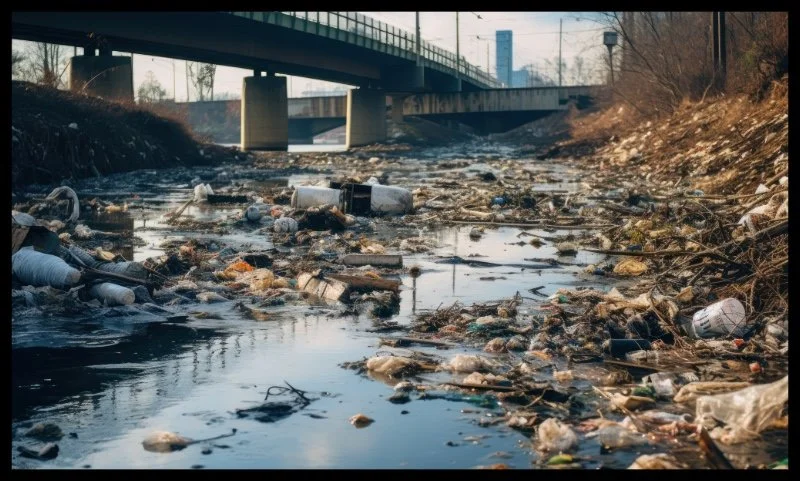
Urban Sewage in India Contains Bacteria That Survive Multiple Antibiotics
Scientists studying urban sewage in India have found that wastewater flowing through city drains carries large numbers of bacteria that can survive treatment with many antibiotics. The finding suggests that sewage systems, which often flow into rivers, agricultural water, floodwater and soil, may allow these resistant bacteria to spread through the environment and eventually reach people, making some infections harder to treat.

You Don’t Have to Decline Mentally, Physically as You Age, Study Says
For decades, many scientists, doctors and members of the public have believed that ageing inevitably brings physical and mental decline. However, a new study has found that a large share of older adults actually experience improvement in physical or cognitive function over time, and that people who hold more positive beliefs about ageing are more likely to experience such improvement.

India Be Designated ‘Country of Particular Concern’ on Religious Freedom: US Panel
An independent U.S. government advisory body on international religious freedom said in its 2026 annual report that India should be designated a “Country of Particular Concern” for religious freedom violations, citing “worsening conditions” for religious minorities during 2025.