
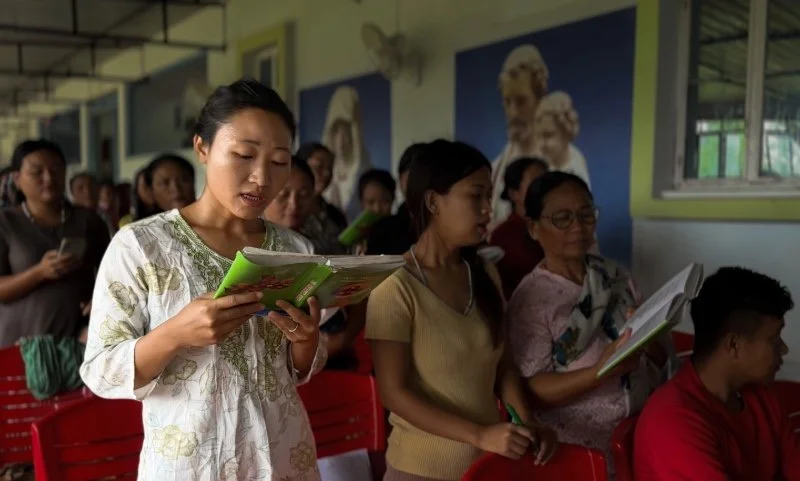
‘No Village Is Safe’: Kuki-Zos Demand President’s Rule After Fresh Killings in Manipur
At around four o’clock in the morning on September 13, gunmen entered a house in L. Tollen village in Tamenglong district of Manipur. They shot Lhingzangai Singsit as she slept beside her husband, Seineh. He took a wound that killed him days later. Their son Henminsang, four years old, was hit by the same gunfire, and the injury to his hand has needed continuous treatment since.
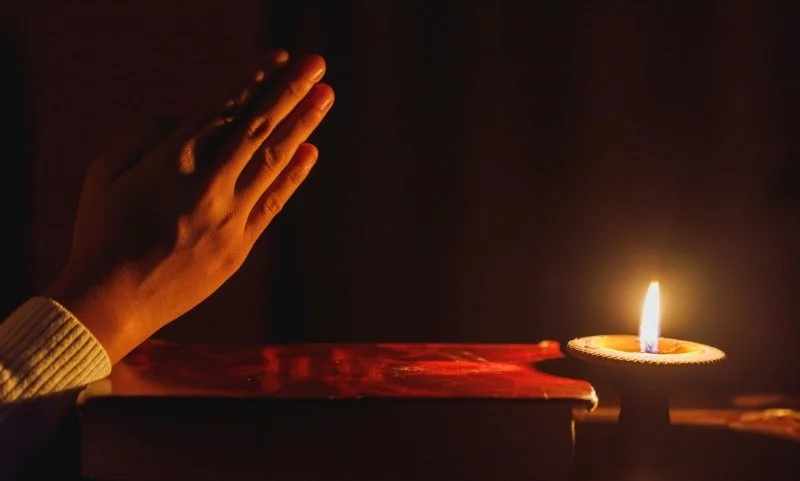
Anti-Conversion Laws Are a Question of Citizens’ Rights and Freedoms
Maharashtra becoming the 13th state to enact an anti-conversion law once again raises a legal question that goes further than the protection of Christian and Muslim minorities, as the issue is often portrayed. Laws regulating conversion from one religion to another should be assessed by how they affect every citizen’s freedom of conscience and religious expression, rather than by which religious community they appear to protect or threaten.
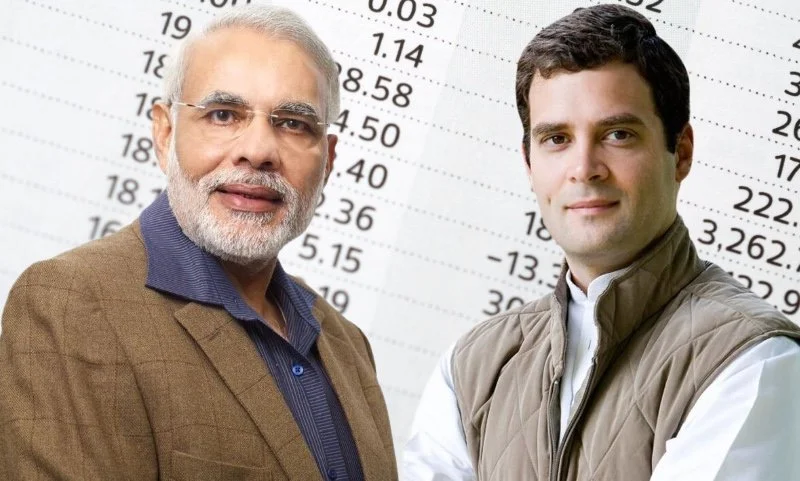
Questions Over India Today Poll Presenting Modi as Still Popular After Youth Protests
The latest India Today-CVoter Mood of the Nation (MOTN) poll records a considerable fall in support for Prime Minister Narendra Modi and the Bharatiya Janata Party, despite relying largely on interviews conducted before the Cockroach Janta Party (CJP)-initiated protests at Delhi’s Jantar Mantar grew into a nationwide movement demanding accountability. However, India Today and sister organisation Aaj Tak presented it mainly as evidence that Modi remains popular and the NDA would retain power.

What Polygamy Feels Like to a Daughter in Arunachal Pradesh
Growing up in a polygynous household taught me how a man’s decision to take another wife can alter the lives of the women and children who are given no say in it. It divided my father’s time, money and presence between two families, leaving my mother and her daughters to live with the consequences, though I do not hold him alone responsible for what followed.
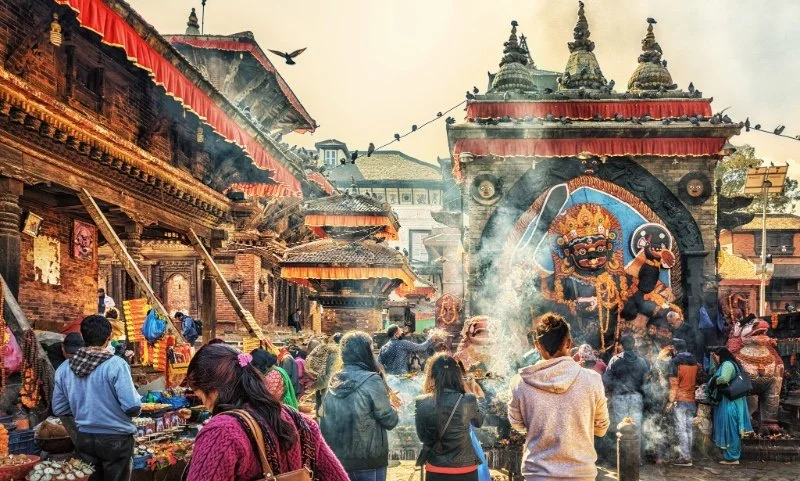
Nepal’s Political Mood Is Becoming Religiously Charged
Nepal underwent an epochal political upheaval just a year ago, toppling the government in a fashion few could have imagined. An even more dramatic development followed. Voters handed a near-supermajority to the Rastriya Swatantra Party (RSP), which was founded only four years earlier. Its senior leader, Balendra Shah, became the youngest prime minister in Nepal’s history and has since been leading the country.

Beaten as a Dalit, Denied Protection Because He is Christian
A recent case exposes that the law has wrongly misunderstood that conversion to Christianity or Islam automatically ends the caste discrimination faced by Dalits. Chinthada Anand, a convert to Christianity, was allegedly attacked as a Dalit in Andhra Pradesh, but the Supreme Court ruled that he could not receive the protection under the SC/ST (Prevention of Atrocities) Act because he was no longer legally recognised as a Scheduled Caste. This raises the question of whether the SC/ST Act should ask what religion the victim follows or whether society, including the alleged attackers, treated that person as a Dalit.
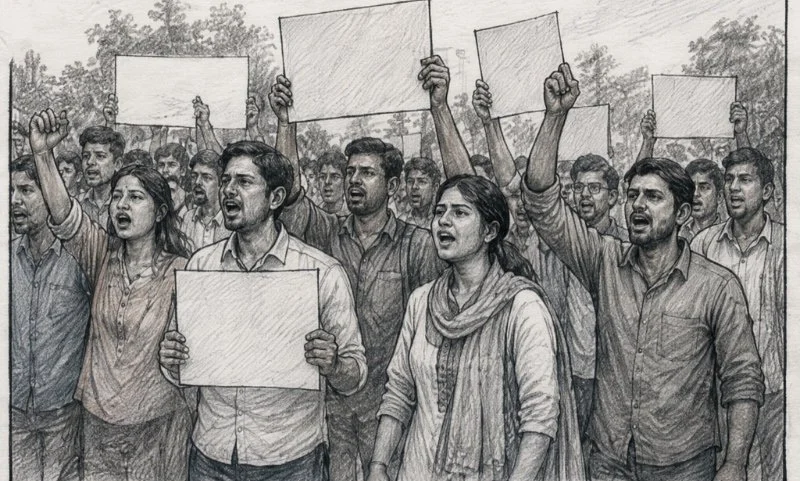
See Jharkhand Protests From Students’ Perspective, Not Politicians’
While government-job aspirants without party affiliations appear to constitute the principal base of the ongoing protests in Ranchi, Jharkhand, the agitation is not organisationally unified. This distinction is important because attempts by political groups to influence the protests risk diverting attention from young people’s genuine concerns about education, recruitment and institutional reform, and from their attempt to raise these concerns democratically.
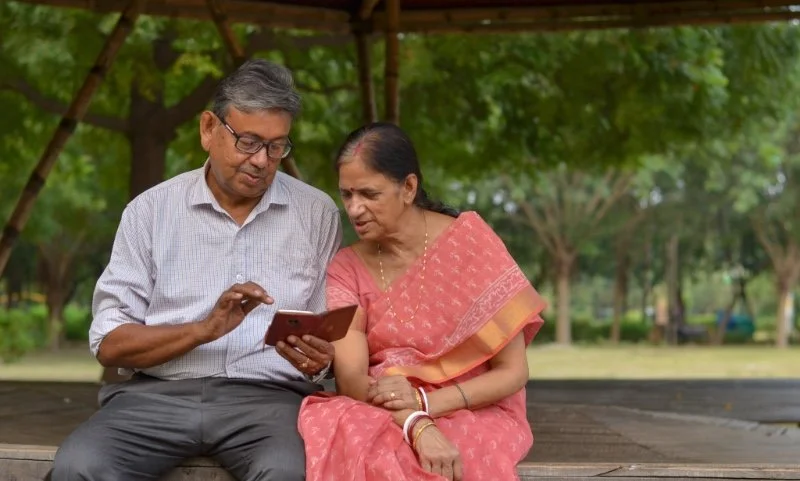
As India Grows Older, Its Digital Economy Must Protect Senior Citizens
India’s digital revolution has transformed the way citizens bank, invest, receive pensions and access public services. However, beneath this success story lies a growing vulnerability that deserves far greater attention. Cyber fraud is no longer merely a technology or policing issue; it has become an ageing issue.
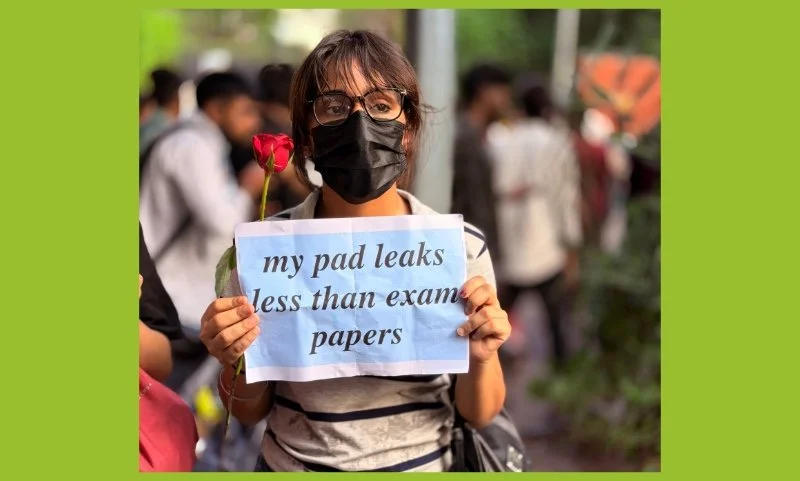
Government’s Disconnect With Gen Z Is Visible in Its Three Miscalculations
A protest movement built and led by India’s youngest citizens forced Education Minister Dharmendra Pradhan to resign, following weeks of hunger strikes and mass demonstrations. The government’s police crackdown subsequently backfired. Relying on its past successes in curbing protests and dissent, the administration led by officials decades older than the protesters tried to use silence and force during those weeks. However, the government and its advisors failed to realise that this time they were dealing with a generation they had no experience managing.

In Tamil Nadu, the Right to Pray Without Permission Is Slowly Eroding
Tamil Nadu’s courts appear to have quietly narrowed a constitutional right over the last seven years without ever admitting they were doing so. Every order still cites the same protection for peaceful prayer, but the burden to prove that prayer is harmless has effectively moved from the state to the worshipper. That change is invisible in any single ruling, and becomes clear only when the rulings are read one after another, in the order they were made.

Research Suggests 5 Things Gen Z Should Do After a Successful Protest
Young protesters have helped remove political leaders, forced governments to abandon unpopular policies and made corruption and bad governance major political issues in countries around the world. Securing major concessions from a government, however, is only the first step toward lasting change, which requires five more tasks, according to an analysis by political scientists Erica Chenoweth and Matthew Cebul.

How Gen Z Outsmarted the Govt With a New Version of ‘Gandhigiri’
In the days after police used batons and tear gas on thousands of young protesters at Delhi’s Jantar Mantar on July 20, the youngsters responded with “reactance,” not the reaction authorities expected. Knowing their audience was on social media, especially Instagram, they posted videos of themselves joking, staged photographs beside the same officers who had charged them, and made reels that turned a shy Mumbai police constable into a viral heartthrob. While a crackdown is built to produce fear, they answered it with laughter instead: a version of “Gandhigiri” that turned the very officers meant to intimidate them into props for their own campaign.
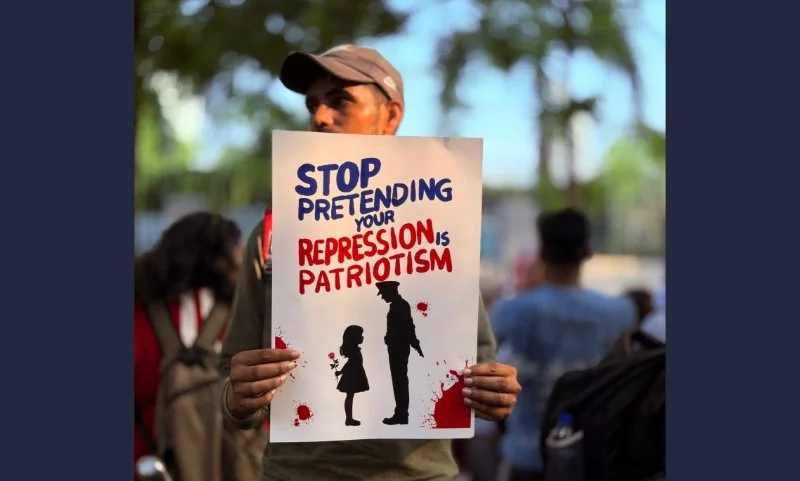
How Political Ego Made the CJP Protests a Crisis for the Government
The government could have prevented the Cockroach Janta Party (CJP) protests from becoming a national political crisis for itself. It had several opportunities to do so but missed each one, apparently because key decision-makers treated compromise as weakness and dissent as a challenge to their authority. Political ego ended up putting at risk not only the government’s standing, but also public confidence in institutions acting on its behalf.
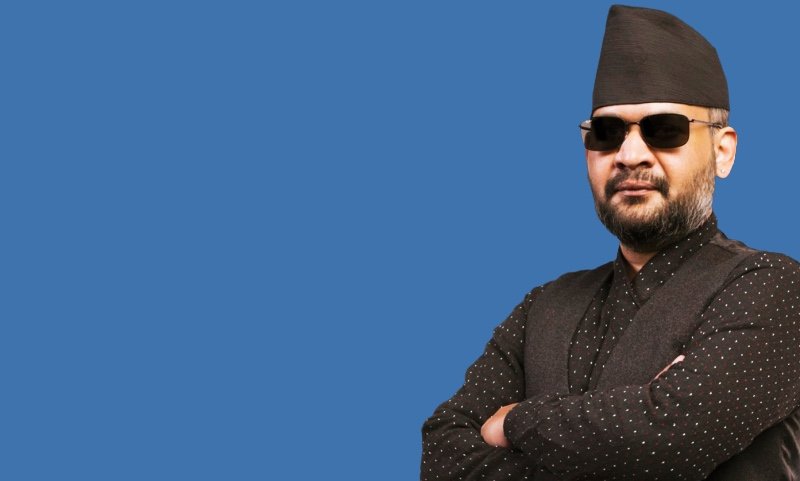
The Road Ahead After Balen Shah’s Rise and the Collapse of Nepal’s Old Guard
The stunning rise of the Rastriya Swatantra Party (RSP), powered by the popularity of its senior leader Balendra “Balen” Shah, has reduced the Nepali Congress and the communist parties to their smallest presence ever in Nepal’s parliamentary election history. The results of the 2026 election mark a dramatic break in a political system long dominated by these parties, but the question now is whether a new movement led by younger leaders will be able to replace the traditional forces that have shaped the country’s politics for decades.
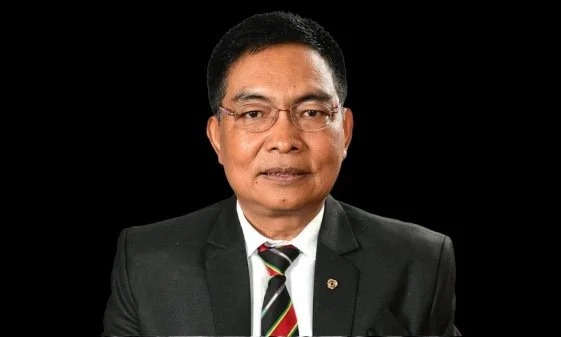
‘No One’ Killed This Manipur MLA, and That Defines the State’s Accountability Crisis
Vungzagin Valte, a Manipur MLA from the ruling Bharatiya Janata Party (BJP), died on February 21 after nearly three years of medical complications caused by a mob attack during the 2023 violence. His case remains pending and no arrests have been reported so far. The continuing absence of visible justice may further deepen the political disillusionment of the Kuki-Zo community in its relationship with the state government.
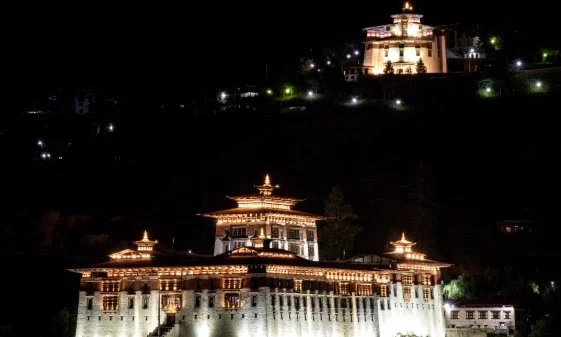
Bhutan’s Journalists Face Growing Information Blockades
Officials in Bhutan appear to have cultivated a habit of avoiding the media and withholding information, leaving journalists with few avenues for access. The resulting silence is straining an already fragile media landscape, pushing it closer to collapse.
Why Has Biren Singh Been Included in Manipur BJP’s Bid to Regain Power?
N. Biren Singh, the former Chief Minister of Manipur, has arrived in Delhi with a delegation of Bharatiya Janata Party (BJP) legislators and former ministers to seek the revival of an elected government in the state. His inclusion deserves scrutiny, as the Supreme Court has ordered a forensic examination of audio recordings that allegedly feature his voice making remarks linked by petitioners to the ethnic violence. The visit also comes two weeks after a deadly attack on an Assam Rifles convoy that intelligence agencies suspect was politically motivated.
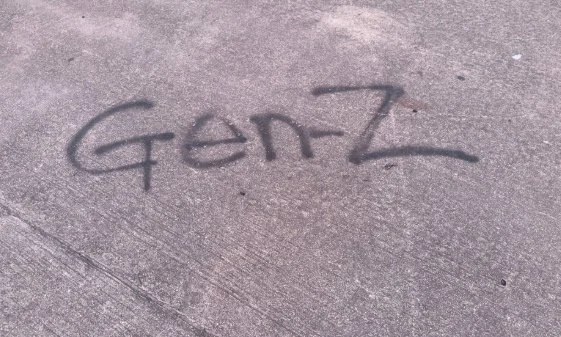
Nepal’s Gen Z Didn’t Topple the Government, But They Deserve Credit for It
Closer attention to what happened in Nepal suggests that the government did not fall solely because of the Gen Z protests, but because of the chain of events they triggered. It is crucial for Gen Z movements elsewhere to understand the role Nepal’s youth played in the change, so that their hopes are not misplaced and their decisions not misguided. The story also carries lessons for governments around the world.
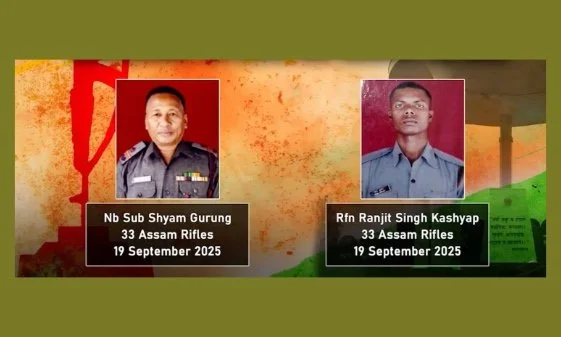
Manipur: Assam Rifles Ambush Raises Questions on AFSPA Rollback Strategy
Two soldiers from the Assam Rifles were killed and five others injured in an ambush by armed attackers on Sept. 19 as their convoy was passing through a crowded area in Manipur’s Bishnupur district, which had recently lost its designation under the Armed Forces Special Powers Act (AFSPA). The incident has exposed serious flaws in how security laws have been withdrawn from conflict-hit parts of the state.
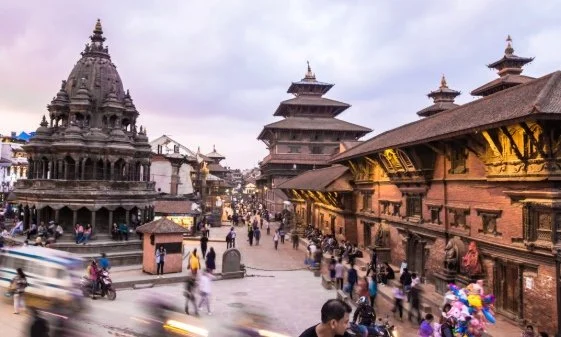
Nepal’s Gen Z Must Move from ‘Nepo Kid’ to ‘Every Kid Matters’
Nepal’s Gen Z recently led nationwide protests sparked by a ban on social media but driven by anger at corruption, nepotism and authoritarianism. The slogan “Nepo Kid” helped mobilise young people to reject inherited privilege and dynastic politics. Now that the government has been overthrown, the movement cannot remain defined only by what it opposes. It must advance a constructive agenda. One way forward is to move from “Nepo Kid” to “Every Kid Matters,” making inclusion a central demand. It is essential because the contrast between elite children and ordinary children will remain hollow unless the inequalities among ordinary children are addressed first.