
From the Editor’s Desk
March 17, 2026
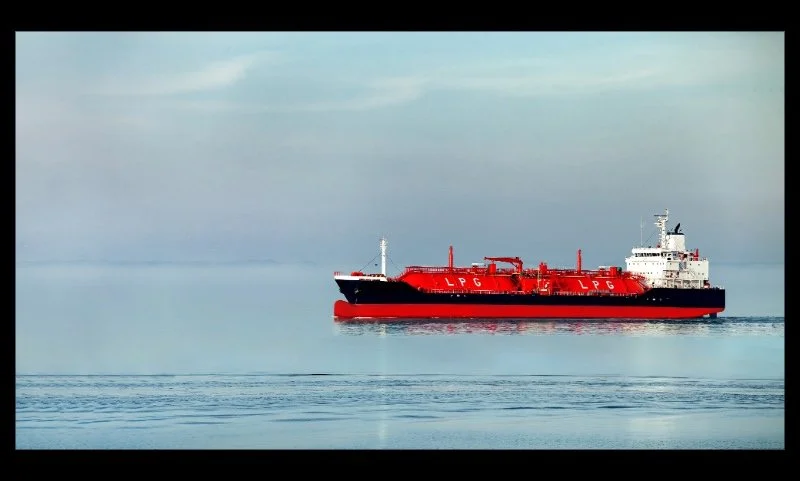
While two Indian liquefied petroleum gas (LPG) carriers have crossed the Strait of Hormuz and are heading toward Indian ports, an event widely seen as a diplomatic breakthrough with Iran, the shipment represents only a small fraction of the Indian energy traffic currently waiting outside the strait. It seems India’s friendly relations with Iran have given it only limited influence over decisions that Tehran now treats as part of its wartime strategy.
Two Indian-flagged LPG carriers, Shivalik and Nanda Devi, carrying a combined cargo of about 92,700 metric tonnes of cooking gas, or only about two days of imports under normal conditions, have crossed the Strait of Hormuz and are expected to dock at Gujarat’s Mundra and Kandla ports, as reported by The Hindu. At the same time, at least 22 Indian-flagged vessels with about 611 Indian seafarers are still waiting near the western side of the strait, several of them loaded with LPG, crude oil or natural gas and awaiting clearance to sail toward India, according to Reuters.
Two of the 24 Indian-flagged vessels operating in the Persian Gulf have been allowed to cross the Strait of Hormuz so far, after a conversation between Prime Minister Narendra Modi and Iranian President Masoud Pezeshkian. This means only about 8 percent of the Indian-flagged traffic in the region has managed to move through the waterway.

This is despite the fact that India maintains relatively cordial relations with Iran and has often avoided openly hostile positions toward Tehran in international forums. The situation suggests that the diplomatic goodwill has translated into only limited practical influence. Iran’s decisions about which ships move through the waterway appear to be influenced primarily by its strategic confrontation with the United States and Israel rather than by the preferences of trading partners such as India.
The Strait of Hormuz lies along Iran’s southern coastline. Ships leaving the Persian Gulf must pass through waters where Iranian naval forces operate and where Iranian missiles and drones can reach maritime targets. Geography therefore places Iran in a position where it can affect traffic through the strait, a narrow sea route through which large volumes of trade pass. Control or influence over that passage creates strategic power because it allows the coastal state to affect global commerce.
Iran’s current calculations revolve around deterrence, signalling and leverage against adversaries rather than the preferences of neutral trading partners. Tehran is demonstrating its willingness to raise the risks around the Strait of Hormuz through attacks on vessels attempting to transit the waterway, including incidents that killed three Indian sailors and left another missing, as reported by Reuters.
The purpose is deterrence, to show that commercial shipping moving through the strait can become vulnerable during the conflict. At the same time, Iran has avoided shutting the channel completely. Instead, maritime traffic has slowed sharply, with most vessels waiting outside the strait while only a few, such as the two Indian LPG carriers, have been allowed through. By permitting limited movement while holding back the majority of ships, Tehran is signalling that it can regulate access to the waterway and use that control as leverage in its confrontation with the United States and Israel, particularly because the strait carries a large share of the world’s oil and much of the energy on which countries such as India depend.


India falls into the category of neutral trading partners, whose interests carry lower priority in Tehran’s current wartime calculations. India is an important energy consumer for Gulf producers and a significant Asian power, but it is not a central actor in the military confrontation involving Iran. This explains India’s limited ability to shape Tehran’s behaviour in the strait.
Further, Iran has asked India to release three tankers seized near Mumbai earlier this year. Indian authorities alleged that the vessels had concealed their identities and conducted ship to ship transfers of heavy fuel oil and bitumen. The ships, Asphalt Star, Al Jafzia and Stellar Ruby, remain anchored off the coast near Mumbai while investigations continue.
The Iranian request for their release emerged during discussions about safe passage for Indian flagged vessels in the Gulf. Iranian officials have reportedly also sought supplies of certain medicines and medical equipment. These parallel issues indicate that shipping access has become linked to larger diplomatic bargaining rather than functioning as a routine commercial activity.
Indian authorities have begun exploring alternative supply routes. Oil companies signed contracts to import about 2.2 million tonnes of LPG from the United States during the current year. That volume represents roughly 10 percent of India’s annual LPG imports. Smaller quantities may also arrive from producers in Nigeria, Malaysia or Singapore.
These alternatives have logistical constraints though. A round trip voyage between the United States Gulf Coast and India takes roughly two months, which slows the rate at which supplies can reach Indian ports. The Gulf therefore remains the most efficient source of LPG for the country.
That’s the nature of international politics, irrespective of the impressions officials may convey to their citizens. Friendly diplomatic relations do not automatically translate into influence during periods of military confrontation. Strategic geography and wartime priorities often override the interests of trading partners.
You have just read a News Briefing, written by Newsreel Asia’s text editor, Vishal Arora, to cut through the noise and present a single story for the day that matters to you. We encourage you to read the News Briefing each day. Our objective is to help you become not just an informed citizen, but an engaged and responsible one.


On October 12, opposition leaders, MPs, MLAs, student organisations and political workers came together in a massive march against Chief Election Commissioner Gyanesh Kumar, raising serious concerns over the Special Intensive Revision (SIR) of electoral rolls and the alleged mass deletion of voters’ names. The march brought together a broad coalition, including the INDIA bloc, AISA, SFI and other student unions, as part of a wider nationwide mobilisation against the SIR exercise and concerns surrounding electoral integrity.