
Three Issues Ladakhi Activist Sonam Wangchuk’s Release Reveals
From the Editor’s Desk
March 16, 2026
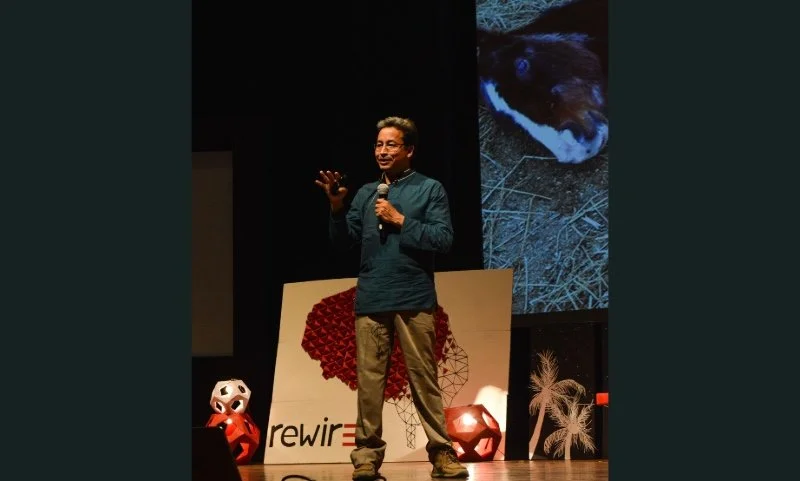
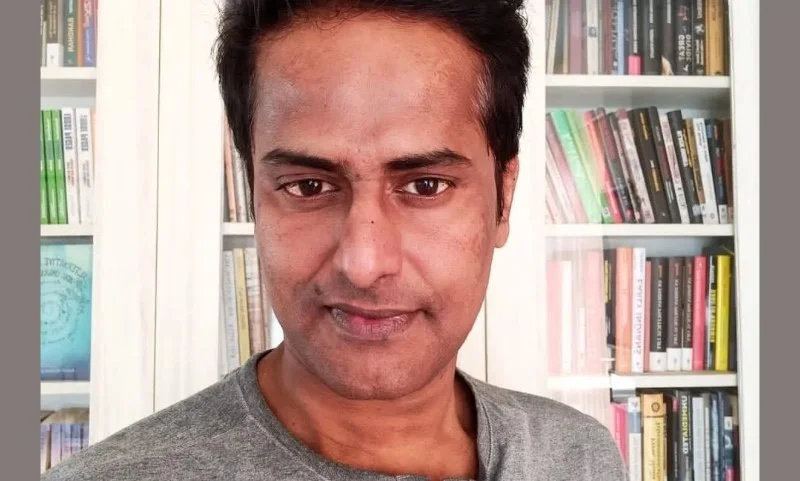
Sonam Wangchuk. Photo via Wikimedia Commons, CC BY 2.0.
The Union government revoked Ladakhi climate activist Sonam Wangchuk’s detention under the National Security Act, or NSA, on March 14, just before the Supreme Court was due to resume hearing a case filed by his wife challenging the legality of his detention and seeking his release. From a legal and political perspective, the timing reveals at least three issues.
First, the context.
Wangchuk, an engineer, education reformer and climate advocate, has been one of the best known public voices arguing that Ladakh’s ecology, society and political future require stronger local protection and a greater say for its people. He was detained on September 26, 2025, after protest-related violence in Leh, and the government said the detention was necessary to maintain public order. His wife, Gitanjali J. Angmo, then moved the Supreme Court seeking a review of the legality of his detention and his release. The Court issued notice on October 6, 2025, and the case remained pending through several hearings before it was listed again for March 17, 2026, three days after the government revoked the detention order.
The agitation in Ladakh arises from long-standing demands that gained force after 2019, when the region became a Union Territory without a legislature. Civil society groups, especially the Leh Apex Body and the Kargil Democratic Alliance, have called for statehood, protection for land and jobs, and Sixth Schedule status, a constitutional safeguard that gives tribal areas stronger local self-government and greater protection over land, resources and customary life. At the crux of these demands is a call for a greater say in decisions about development, identity, resources and demography in a fragile border region.

The first issue revealed by the timing of Wangchuk’s release is the kind of power the state chose to use against him in the first place.
In an ordinary criminal case, the state accuses a person of a past act, places evidence before a court and seeks punishment through a public legal process. Preventive detention works differently. Under the NSA, the executive can confine a person in order to prevent what it believes may happen in the future. Jurists have long treated preventive detention as one of the hardest powers to reconcile with liberty because it allows the state to take away freedom without first proving guilt.
Wangchuk’s detention was preventive under the NSA, a law meant for preventive detention rather than ordinary criminal prosecution. The government’s statement on his case said the detention was ordered with a view to maintaining public order. But there are safeguards involved.
Article 21 of the Constitution protects personal liberty and requires the state to justify every restriction through fair procedure. Article 22 allows preventive detention, but it also places safeguards on that power, including telling the detainee the grounds for detention, giving the person a chance to challenge it, and placing the case before an Advisory Board, a review panel appointed by the government and made up of people who are, have been, or are qualified to be High Court judges. While permitting this power, the Constitution treats it as one that requires caution, restraint and close judicial scrutiny, including scrutiny of the very basis on which it is justified.
Wangchuk’s release just before the resumed Supreme Court hearing leaves a key question unresolved. Why did the state use such an exceptional power against a public activist associated with a democratic movement, and why did it withdraw that power at the point of renewed judicial scrutiny? From a legal and political perspective, that sequence raises a serious question, whether the detention was genuinely necessary to prevent a threat to public order, or whether preventive detention was used in a politically sensitive dispute and then withdrawn before the Court could examine it more closely.
One is left wondering what the threshold is for using preventive detention in the name of public order. The unrest in Leh was serious, and the deaths during the crackdown gave the state strong grounds to treat the situation as grave. Even so, the state still had to show why Wangchuk himself needed to be preventively detained under the NSA, and what lawful basis existed for detaining a specific person in order to prevent future harm.
The second issue is the possibility that the government cancelled the detention order before the Supreme Court could decide whether Wangchuk’s detention was lawful, or whether the government had stayed within the limits of the NSA and the Constitution. By revoking the order, the government left that larger legal question unanswered.
This creates a public interest concern because the case was never only about Wangchuk’s personal liberty. It also involved the legal boundaries of one of the state’s most extraordinary powers. A clear ruling could have helped citizens understand when preventive detention may lawfully be used, how far the government can go against political dissent, and what safeguards courts will insist on in future cases.

The third issue lies in what this episode says about Ladakh’s place in the Indian Union.
Ladakh’s demands have been expressed in constitutional and democratic terms, statehood, protection for land and jobs, Sixth Schedule status and a greater say in decisions that affect the region’s future. The state has responded partly through negotiation and partly through a preventive detention law, which sends a mixed message about the terms on which democratic dissent will be heard.
Many in Ladakh fear losing control over land, resources, jobs and demography after the loss of legislative status. In that setting, the use of the NSA against a prominent activist can deepen the belief that the region is being governed more through control from above than through accountable political representation. It can also create the impression that constitutional demands from a region are being heard through the language of security before they receive a political answer through democratic institutions.
You have just read a News Briefing, written by Newsreel Asia’s text editor, Vishal Arora, to cut through the noise and present a single story for the day that matters to you. We encourage you to read the News Briefing each day. Our objective is to help you become not just an informed citizen, but an engaged and responsible one.
What happened in Mumbai on October 2 may have been only one day of protest, but the issues behind it are unlikely to disappear with the dispersal of the crowd. The protest was centred around concerns over the Election Commission, electoral rolls and the Special Intensive Revision (SIR) exercise, with protesters demanding accountability from Chief Election Commissioner Gyanesh Kumar. At the same time, similar mobilisation has been taking place across different parts of the country, with student groups, Opposition parties and civil society organisations raising concerns over the electoral process. Newsreel Asia spent the day at Mumbai Protest capturing the preparations, the police presence, conversations with protesters, the atmosphere on the streets and how the day unfolded. The speech of Cockroach Janta Party's leaders and sentiment of protestors seemed larger than the concerns regarding the electoral process. Will this lead to something bigger?