
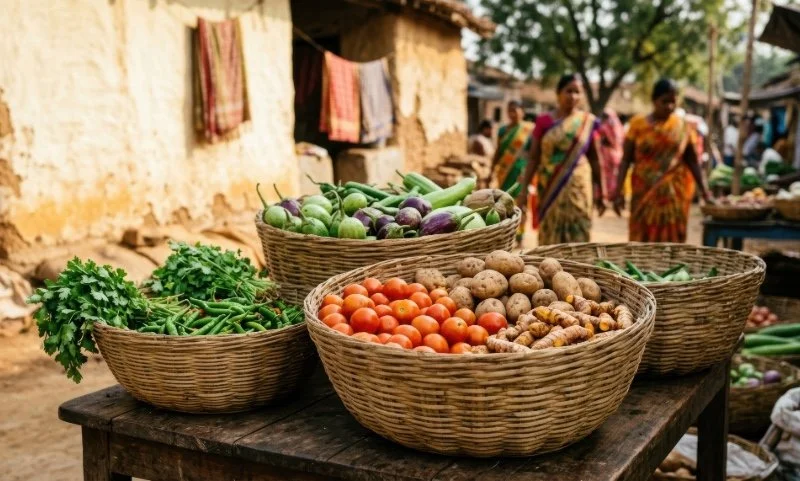
India’s 7.8 Percent GDP Growth Means Little Unless People Feel It in Their Own Lives
The government has announced that India’s inflation-adjusted GDP grew by 7.8 percent during April to June 2026 compared with the same three months a year earlier. Prime Minister Narendra Modi celebrated the figure in a video message and urged citizens to support the economy by avoiding foreign travel, buying less gold and holding weddings in India rather than overseas. But the apparent expectation that most citizens would also celebrate the figure and congratulate the government confuses vicarious, or symbolic, satisfaction in the country’s economic performance with an improvement people can see in their incomes, expenses and living conditions.
More European Ships Could Head to India for Scrapping, Raising Safety and Pollution Risks
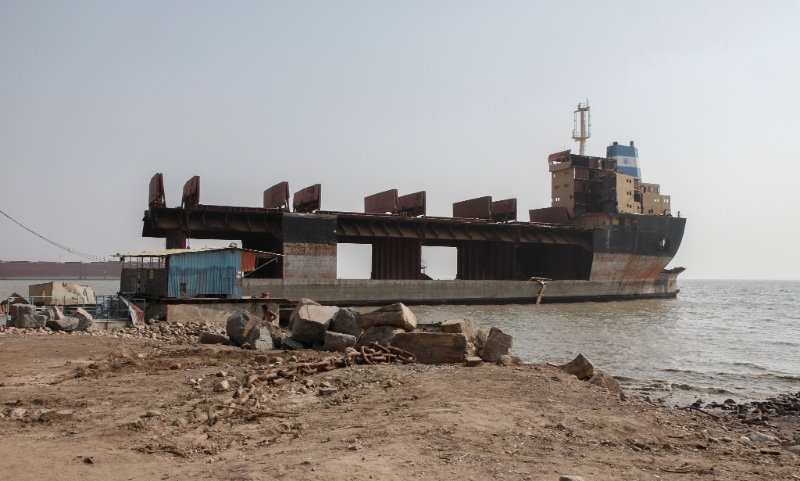
India could be facing a much larger influx of old European ships being dismantled on its beaches in the coming years, exposing Indian workers and coastal environments to the hazards of an industrial practice that Europe itself does not permit, according to a new report.

Bank Accounts Aren’t Enough to Bring Women Into India’s Gig Economy, ILO Warns
Owning a bank account is not enough to bring women fully into India’s gig and platform economy, a policy brief by the International Labor Organization and the National Council of Applied Economic Research said. Nearly all Indian women now have a bank account, but most still can’t use one on their own, few understand the loans and insurance sold to them, and the financial products themselves are built for how men earn, not how women do.

India Fared Worse on Governance and Per-Capita Income Than It Would Have Without Modi, Study Says
Governance in India weakened, and economic growth fell short of what a comparable country might have achieved during the decade in which Narendra Modi and the Bharatiya Janata Party (BJP) governed the country, according to a new study.

Citizens Waited for Basic Services While Public Money Went Unspent, CAG Reports Suggest
Recent reports from the Comptroller and Auditor General of India (CAG) found that authorities left large sums allocated for disaster assistance, drinking water, housing, pollution control and railway passenger amenities unspent, raising questions about why parliamentary allocations were not converted into services for citizens.
Explained: Why Farmers Are Opposing the India-US Trade Agreement
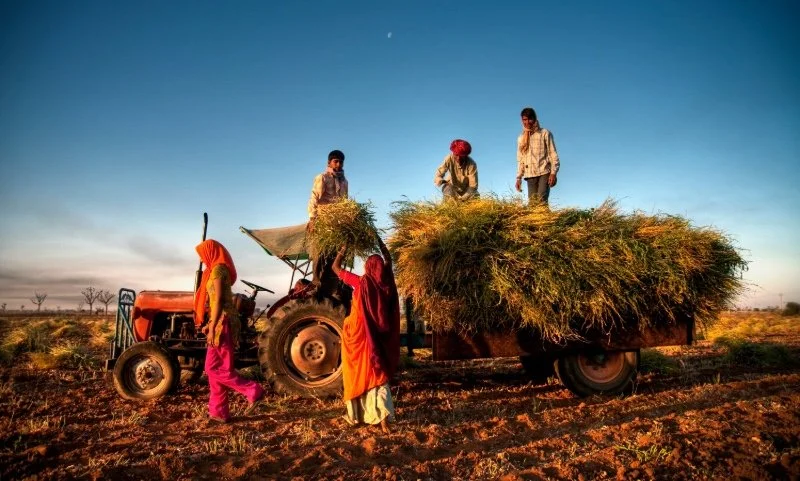
Farmers in Punjab and Haryana have been protesting against a proposed bilateral trade agreement between India and the United States. They are concerned that opening India’s agricultural market further to American products could place millions of Indian farmers at a serious disadvantage because the two agricultural systems are very different in size, costs and government support.

Obesity Rising Alongside Malnutrition in India’s Poor Urban Communities
Obesity could be emerging alongside persistent undernutrition among children in India’s poor urban communities, suggests a long-running study of one such neighbourhood, which found that a rising number of children were overweight or obese by age nine while a larger number were dangerously underweight.
Citizens Have 5 Economic Reasons to Oppose the Government’s E25 Petrol Plan
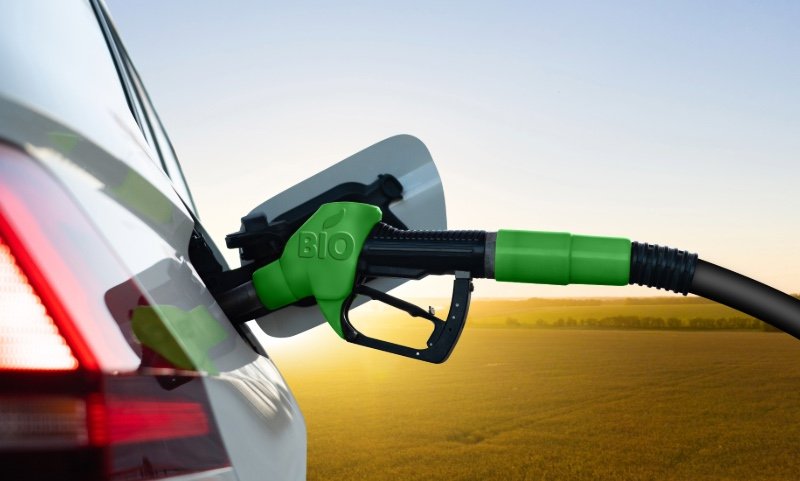
The central government is reportedly considering delaying its plan to increase the amount of ethanol mixed with petrol from the current 20% to 25%. The government’s rationale is that the move would reduce India’s dependence on imported crude oil, lower some vehicle emissions and create a bigger market for Indian farmers. However, these stated public policy objectives overshadow several economic principles that lie behind citizens’ opposition to the proposal.

India’s Growing Creator Economy Is Changing Society for Better and Worse
Millions of Indians now create videos, podcasts, photographs and social media content for online audiences. A new study suggests that content creation is spreading to smaller cities, growing more professional and occupying an increasingly important place in young people's lives. This growth brings significant social benefits. It could also bring problems of mental health, misinformation and a culture increasingly driven by the pursuit of attention.
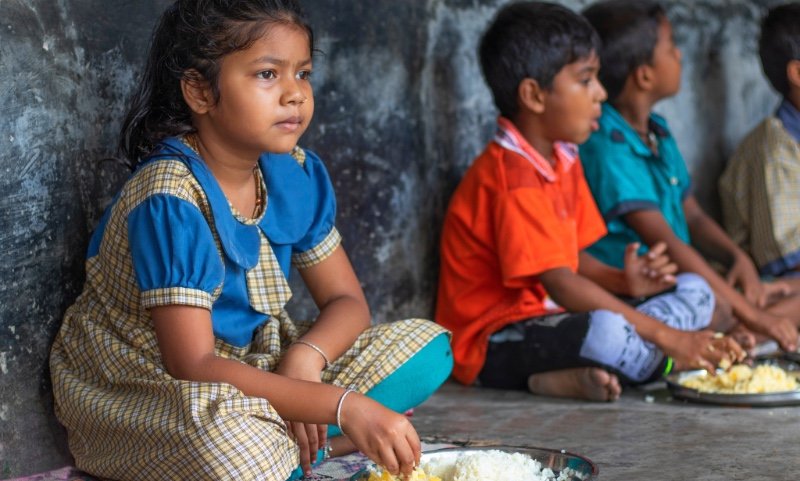
NGOs Can Receive Foreign Funds Only for Government-Approved Purposes
The Union Home Ministry has amended the rules governing how non-governmental organisations receive foreign money, requiring them to select their stated purpose from a government-prescribed list and barring them from proselytising under several categories of activities eligible for registration.

Work From Home, Not AI, Driving Rise in Graduate Unemployment: Study
While public discussion has increasingly focused on generative AI as the force threatening entry-level white-collar jobs, researchers now argue that a much older “technology”, remote work, offers a better explanation for what has happened since the pandemic. They say remote workplaces make it harder to train, supervise and mentor new employees, leading many employers to favour experienced hires instead.
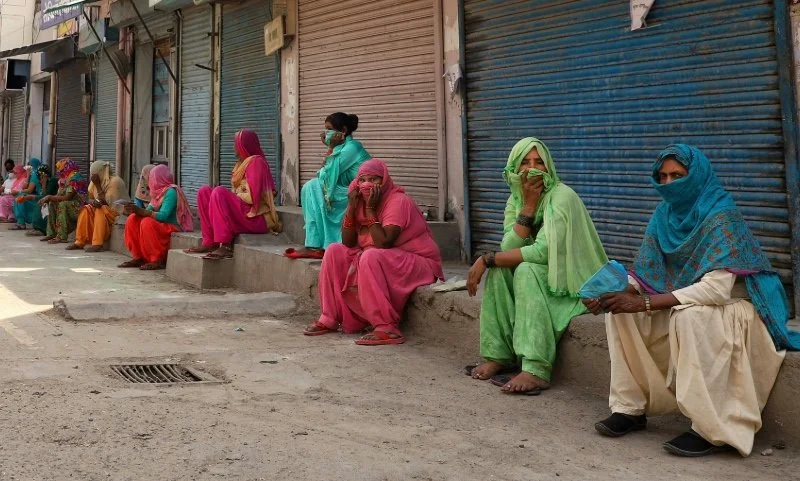
Women Skipped Meals for Days to Feed Their Families During Covid-19 Lockdown: Study
Women in economically precarious households in India went without food for days during Covid-19 lockdowns so children could eat and men could keep working, according to a new study based on interviews in Uttar Pradesh and Goa.
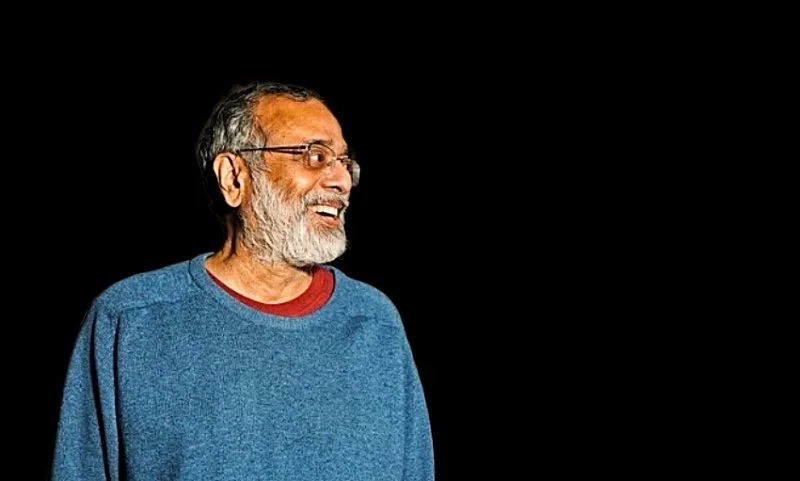
Newsclick FIR a ‘Gross Abuse’ of Legal Process, Delhi High Court Says
The Delhi High Court has quashed a police case and a money laundering investigation against the independent news portal Newsclick, ruling that nothing in the complaint amounted to a crime even if every claim in it were true, and that letting the prosecution continue would be a gross abuse of the process of law.
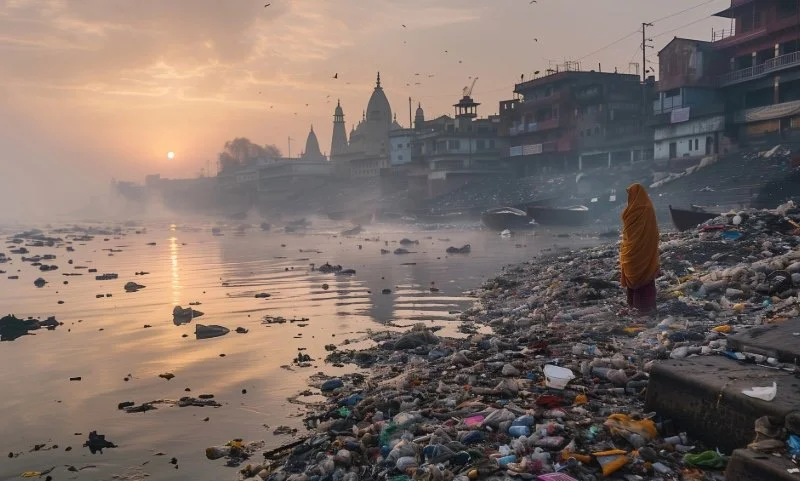
India’s 138 Cities Are Growing Richer and More Polluted; Is That Progress?
A study has found that 138 Indian cities belong to the category where economic expansion came with worsening air quality, the highest share of any country in the world at 35.4 percent of the global total. The finding raises a question about whose prosperity is being measured when the price of growth is paid in the air that everyone, regardless of income, has no choice but to breathe.

Public Donations Free Kerala Migrant Worker from Saudi Death Row. Where Was the State?
Abdul Rahim, a Keralite migrant worker who had been on death row in Saudi Arabia, returned home on May 28 after nearly 20 years in prison, freed only after a community fundraising campaign collected 340 million (34 crore) rupees in blood money. The case exposes how completely a migrant worker’s life can come to depend on a foreign legal system that their family cannot navigate, and how the resilience of Kerala’s diaspora networks, genuine as it is, has come to substitute for protections the state was never equipped to provide.

For India’s Informal Workers, Heatwaves Expose the Limits of the Labour Codes
Summers in much of India have always been tough, but what is happening now is far more severe. It is a public health emergency unfolding under the guise of a weather event. In recent years, temperatures have remained above 40°C for days at a stretch, leading to tens of thousands of suspected heatstroke cases across the country. And those who face the greatest risk are workers in the informal sector, who spend long hours outdoors and continue to lack strong, enforceable protections against extreme heat under India’s labour framework.
Muslim Gig Workers: His Name Was Bad for Business, So He Buried It
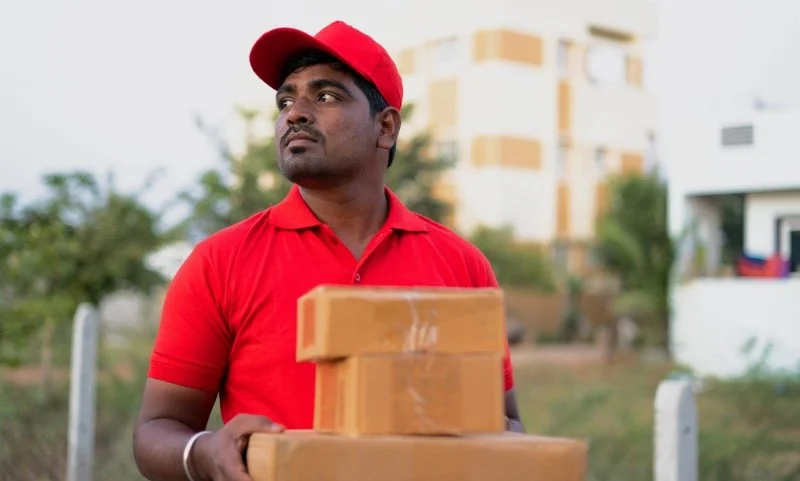
There is a specific kind of humiliation that disguises itself as practicality. Gig workers, especially Muslims, have been changing their names on professional apps, not for amusement, but because their real names cost them customers. The decision has become larger than a personal adjustment, pointing to a larger social reality hidden behind these choices. I have come across this issue at least three times in recent months.

U.S.-Israel-Iran War: Will India’s Fuel Prices Rise as Crude Oil Prices Climb?
As the Strait of Hormuz remains shut for nearly two months due to the Israel-U.S.-Iran war, crude oil prices have climbed by over 80%. India’s four-year freeze on domestic fuel prices may no longer be sustainable, with the state-owned companies mandated to hold those prices down already recording losses at a scale that points to a deepening profitability crisis.
India Pays Double for Fertiliser Imports as Middle East War Disrupts Supply
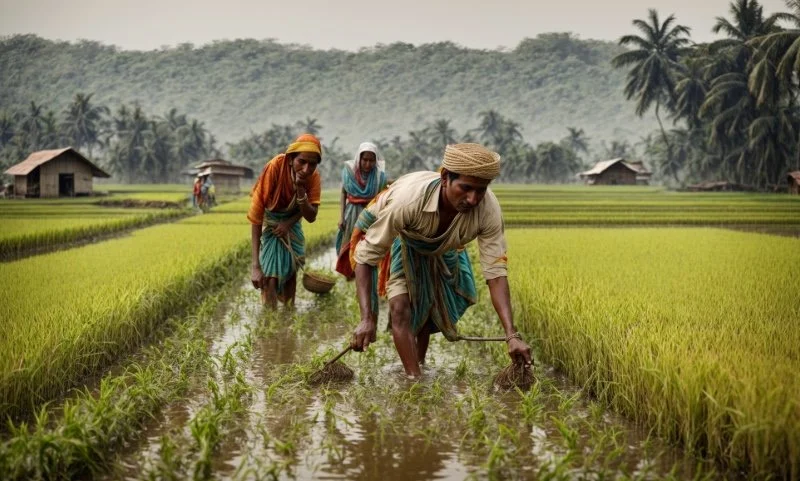
India has agreed to import 2.5 million metric tons of urea at prices ranging from $935 to $959 per ton, nearly double the $508 to $512 per ton paid in its previous tender just two months ago. For ordinary Indians, a near-doubling of urea import prices will eventually translate into higher food costs.

AI-Driven Changes at Work Taking a Psychological Toll on Workers, a New Study Finds
A global study has found that work is now in a state of constant change due to rapid technological advances, with India feeling this more acutely, as roles, tools and expectations keep changing all at once. As workers are having to adjust, the pressure shows in how they feel, with 67 percent in India saying they are anxious about becoming obsolete.