
Himalayan Glaciers Shrinking Fast, Study Warns of Water, Disaster Risks
From the Editor’s Desk
March 23, 2026
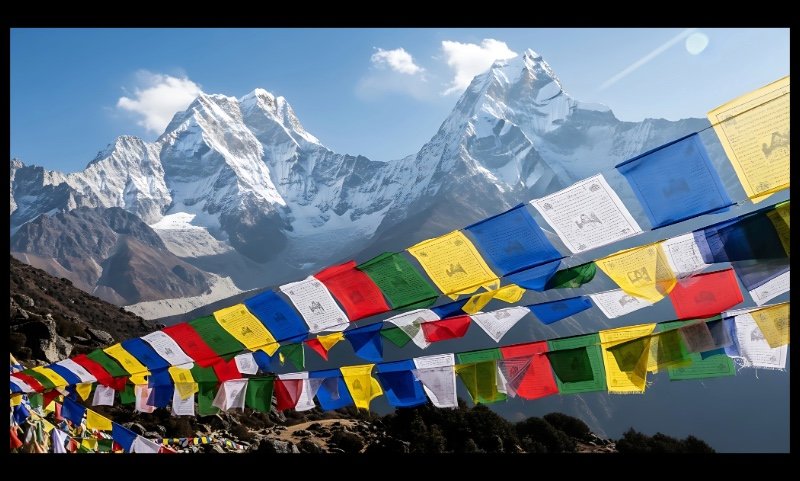
A new analysis reports that glaciers across the Hindu-Kush Himalaya, which stretches across eight countries including Afghanistan, Pakistan, India, Nepal, Bhutan, China and Myanmar, have been reduced by 12 percent in 20 years. This may lead to uncertainty in water availability and increased exposure to natural calamities in South and Southeast Asia in the coming decades, a trend scientists say is already contributing to rising risks of glacial lake floods, avalanches and landslides in the Himalayan region.
The study, conducted by the Kathmandu-based International Centre for Integrated Mountain Development, tracked glacier changes between 1990 and 2020 and found that the rate of ice loss has doubled since 2000, as reported by Down to Earth.
The Hindu-Kush Himalayan system contains more than 60,000 glaciers holding roughly 6,000 cubic kilometres of ice, roughly enough water to fill more than two million Olympic-size swimming pools. Rivers rising from these mountains feed large river basins across Asia, many of which sustain agriculture, drinking water supplies, industry and hydropower systems for hundreds of millions of people.
Between 1990 and 2020, about 9 percent of the region’s total ice reserves disappeared. The pace of loss increased significantly after 2010, particularly in the eastern and central sections of the mountain system. Smaller glaciers in those areas showed the fastest decline.
The central section runs roughly from Shimla in northern India across Uttarakhand and into western and central Nepal. The study notes that this belt of the Himalayas recorded the largest glacier area loss, more than 20 percent between 1990 and 2020. The eastern section refers to the mountains further east, covering eastern Nepal, Bhutan, parts of northeast India and adjoining areas of Tibet and northern Myanmar.
The Hindu Kush Himalaya contains the largest concentration of ice outside the polar regions and supplies water to 10 major river systems, including the Indus, Ganga, Brahmaputra, Mekong, Yangtze and Yellow rivers. The report warns that continued glacier loss will create uncertainty about how much water rivers will carry in the future, affecting communities downstream that rely on these rivers for irrigation, drinking water and power generation. It could also affect agriculture across the Indo Gangetic plains, where farming depends heavily on these river flows.
Melting glaciers in mountain valleys bring a further danger. As glaciers shrink, they often leave behind lakes formed from accumulated meltwater. Many of these lakes are held back by fragile natural dams made of loose rock, ice and debris. If these unstable barriers collapse, the stored water can rush down the valley in a sudden and destructive flood known as a glacial lake outburst flood. Floods of this kind can destroy bridges, roads, hydropower projects and villages located downstream in mountain valleys. Landslides and debris flows triggered by unstable slopes could also affect communities and infrastructure in the region.


Behind the glacier retreat is rising global temperatures, according to environmental scientists. Warmer air temperatures increase the amount of ice that melts each year while also altering snowfall patterns in high mountain regions. Regional factors can also intensify melting, including black carbon particles produced by the burning of diesel, coal, wood and crop residue, which settle on snow and ice and absorb more heat from sunlight.
The impact on water availability and natural calamities may unfold gradually across several decades. However, the acceleration in glacier loss after about 2010 shows that the process has already begun. The scale of these future impacts will depend largely on how global warming progresses in the years ahead.
Governments across the region say they are working on measures such as monitoring glacial lakes, installing early warning systems for mountain floods and improving water management in downstream river basins to help communities prepare for the changes already unfolding in the high mountains. However, the seriousness of these efforts will depend on whether public policy remains guided by long-term public interest or comes under the influence of corporate pressures.
You have just read a News Briefing, written by Newsreel Asia’s text editor, Vishal Arora, to cut through the noise and present a single story for the day that matters to you. We encourage you to read the News Briefing each day. Our objective is to help you become not just an informed citizen, but an engaged and responsible one.

What happened in Mumbai on October 2 may have been only one day of protest, but the issues behind it are unlikely to disappear with the dispersal of the crowd. The protest was centred around concerns over the Election Commission, electoral rolls and the Special Intensive Revision (SIR) exercise, with protesters demanding accountability from Chief Election Commissioner Gyanesh Kumar. At the same time, similar mobilisation has been taking place across different parts of the country, with student groups, Opposition parties and civil society organisations raising concerns over the electoral process. Newsreel Asia spent the day at Mumbai Protest capturing the preparations, the police presence, conversations with protesters, the atmosphere on the streets and how the day unfolded. The speech of Cockroach Janta Party's leaders and sentiment of protestors seemed larger than the concerns regarding the electoral process. Will this lead to something bigger?