

Pastors’ Killing Exposes Fragile Rule in Manipur After President’s Rule
The recent killing of three Kuki Baptist pastors in an ambush showed that Manipur’s three-year conflict has widened beyond the Meitei-Kuki divide. The attack came barely three months after President’s Rule was revoked and a new council of ministers was sworn in. What began in May 2023 as violence between the valley-based Meitei community and the Kuki-Zo tribes had already claimed hundreds of lives and displaced tens of thousands, most of them from the tribal Kuki-Zo communities.

Heatwaves in India Are Becoming More Frequent and Dangerous: Report
A new study analysed the hottest continuous 15-day stretch between April 15 and April 29 in parts of India and Pakistan to determine how much climate change influenced the event. While studying it, the researchers found that such prolonged heat events are now about three times more likely to occur and nearly 1°C hotter in today’s climate than they were before large scale industrial warming.
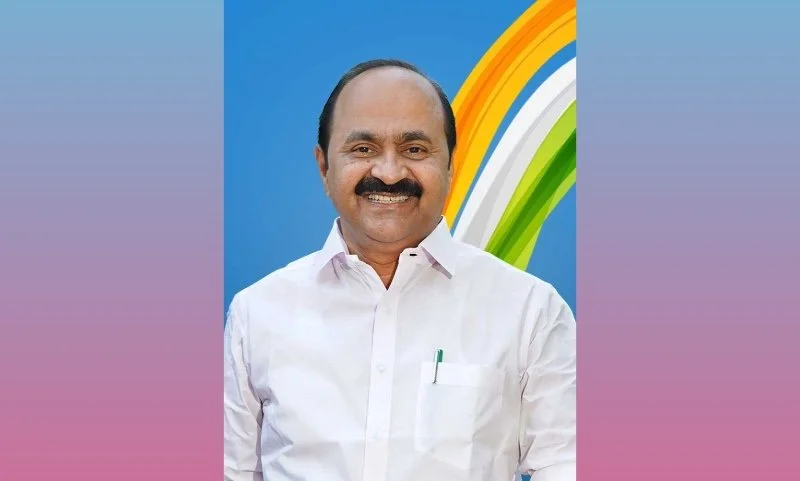
Why Kerala CM V.D. Satheesan’s “Menon” Oath Stirred a Caste Debate
Kerala Chief Minister V.D. Satheesan took oath as “Vadasseri Damodara Menon Satheesan,” unlike earlier occasions where he had dropped “Menon,” an upper-caste surname. Days later, he went to the Guruvayur Sri Krishna Temple and offered thulabharam (ritual weighing) with butter, a ritual in which a devotee is weighed against an offering made to the deity. Coming within a week of the formation of a Congress government, the two decisions have triggered unease in the state because the party had projected itself as secular and inclusive.

Editors Guild: Indian Officials’ Clashes With Dutch, Norwegian Journalists ‘Embarrassing’
The Editors Guild of India has criticised recent stand-offs involving Indian government representatives and journalists from the Netherlands and Norway as “embarrassing,” saying they followed Prime Minister Narendra Modi’s refusal to take questions from local media during visits to the two countries.

‘Careful’: A Gen Z Journalist in Nepal Writes an Open Letter to India’s ‘Cockroach’ Party
How are you doing, “cockroaches”? While you celebrate your success in gaining followers and dominating global headlines, how long can you rely on that? Do you realise you are being dismissed as a mere “meme movement” and a “page-based phenomenon”? This is a label you will likely lament, saying critics always need something to say, and this is simply what they have come up with.
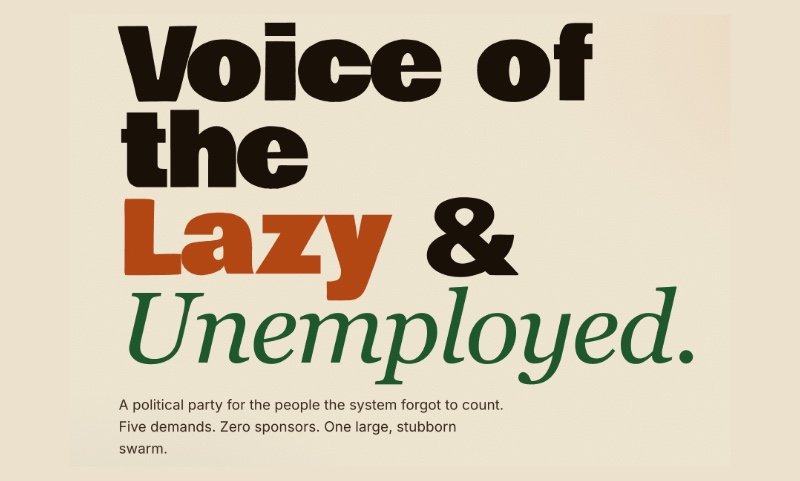
Indian Youth’s ‘Cockroach’ Party Now the Biggest on Instagram; What’s Their Message?
A satirical Indian political movement, called the Cockroach Janta Party (CJP) and built entirely on internet culture, has gained more than double the Instagram following of the ruling Bharatiya Janata Party (BJP), just days after being founded in response to remarks by the country’s chief justice allegedly comparing unemployed young people to insects. Its rapid rise signals the depth of frustration among a generation burdened by unemployment, exam fraud and what appears to be growing distrust toward institutions.

With Micro-Feminism, Women Are Resisting Everyday Patriarchy
Among the many social media trends that briefly pass through our screens and disappear, a few leave a deeper imprint on how people think and behave. One of them is micro-feminism, a term that quietly entered online conversations and gradually began influencing the way many women navigate everyday life.
AI Is Becoming a Therapist for Millions; the Consequences Could Be Serious
It often starts in the same way. Someone is feeling anxious, lonely or emotionally overwhelmed and reaches for their phone, not to call a friend but to open an app instead. They type out their feelings to a system that responds with warmth and understanding, using language that makes them feel listened to. And for a moment, they feel heard and comforted. However, relying on artificial intelligence for emotional support or psychotherapy may carry psychological risks that many users barely recognise.

What Exactly Would an Astrologer-Advisor Do in Tamil Nadu CM’s Office?
Tamil Nadu Chief Minister Joseph Vijay has rolled back his decision to appoint astrologer Radhan Pandit Vetrivel as an Officer on Special Duty, as reported by The Hindu, after the appointment drew criticism. The rollback did not come with any acknowledgement that it risked mixing constitutional governance with an unscientific basis for decision-making.
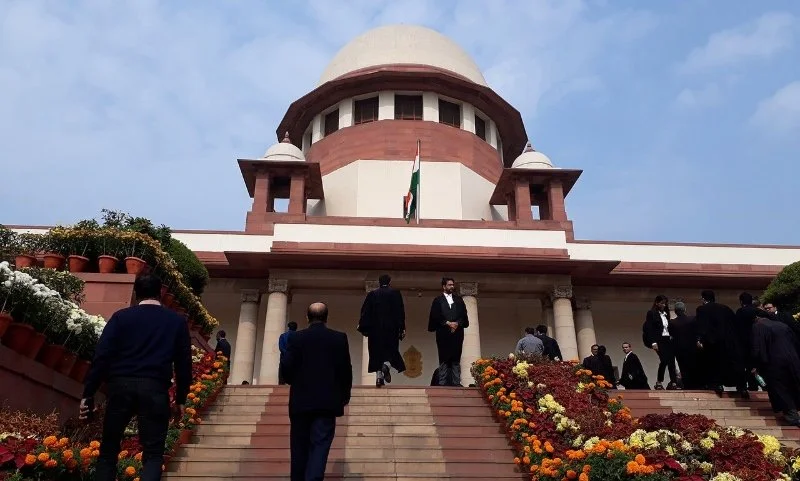
CJI’s ‘Cockroach’ Remarks and the Need for Judicial Restraint
Chief Justice of India Surya Kant recently made remarks reportedly comparing social media critics and people who “attack the system” to “parasites of society,” and unemployed young people to “cockroaches” who become activists, media figures, or online critics and “attack everyone.” Though he later said he was misquoted, the language used by holders of the country’s highest constitutional office carries obligations different from ordinary political speech.

The Problem With West Bengal’s Election Officer Becoming the Chief Secretary
The new Bharatiya Janata Party (BJP) government in West Bengal has appointed Manoj Agarwal, the state’s former Chief Electoral Officer (CEO), as the next Chief Secretary, the highest-ranking bureaucrat in the state administration. The decision draws attention because Agarwal was the official responsible for overseeing the electoral process in the state, including the controversial Special Intensive Revision (SIR) of voter rolls, before being elevated into the executive structure of the government that later won the election.

Killing of Pastors in Manipur Was a ‘Proxy’ Attack, Kuki-Zo Groups Claim
Three Kuki-Zo Christian pastors were shot dead on May 13 after armed gunmen ambushed two vehicles travelling through Kangpokpi district in Manipur. The killings led Kuki-Zo organisations to suspect that a Naga militant faction may have carried out the attack in coordination with valley-based Meitei insurgent groups.
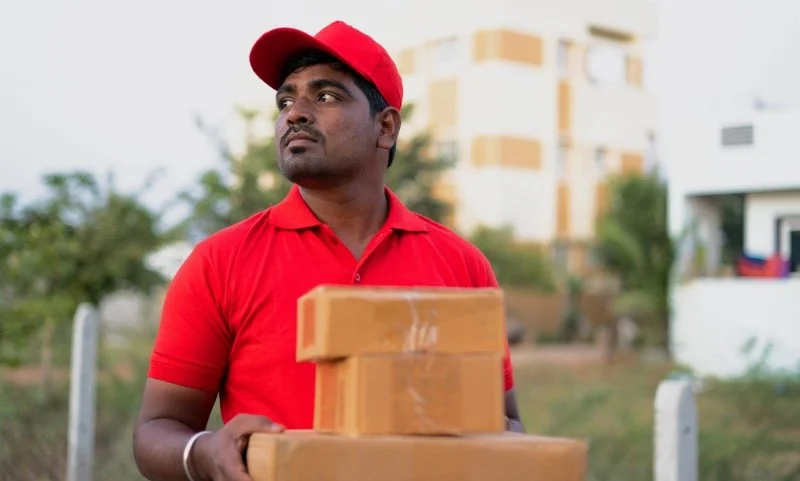
Muslim Gig Workers: His Name Was Bad for Business, So He Buried It
There is a specific kind of humiliation that disguises itself as practicality. Gig workers, especially Muslims, have been changing their names on professional apps, not for amusement, but because their real names cost them customers. The decision has become larger than a personal adjustment, pointing to a larger social reality hidden behind these choices. I have come across this issue at least three times in recent months.
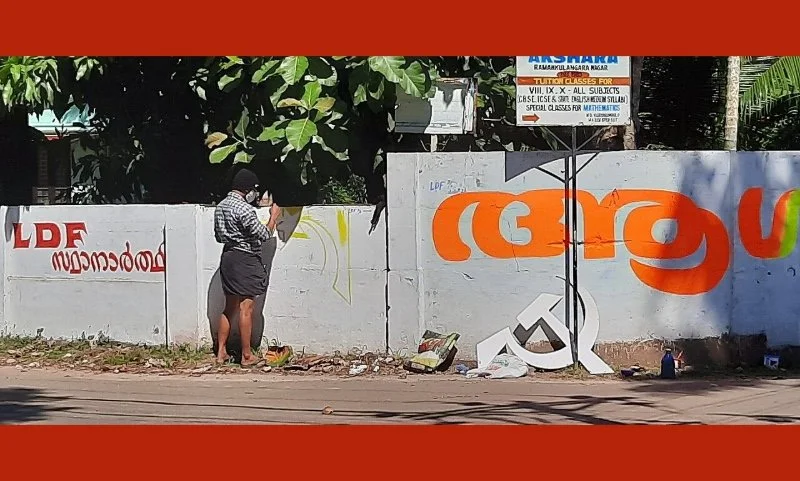
Why Kerala Rejected Communist Rule After a Decade
The Congress-led United Democratic Front (UDF) has won 102 seats in Kerala’s 140-member Assembly, ending 10 years of Left Democratic Front (LDF) government. The defeat of the LDF also means that no communist party now leads a state government anywhere in India. In Kerala itself, the scale of the result suggests that something more than a usual swing between two evenly matched alliances was underway.
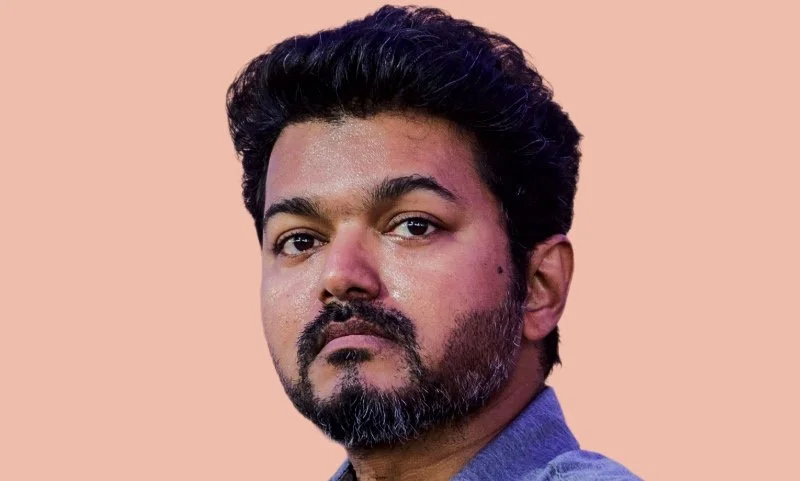
Tamil Nadu Didn’t Vote for Vijay Simply Because He’s a Celebrity
Actor-turned-politician C. Joseph Vijay was sworn in as Chief Minister of Tamil Nadu on May 10, ending nearly six decades of alternating rule between two dominant parties. Film celebrities winning elections is not a new phenomenon in the state, but a first-time political party winning a legislative majority on its debut is. That is what was surprising, and it had nothing to do with any tendency for celebrity worship. The answer lies in how Tamil audiences have long viewed cinema.
Why West Bengal and Assam Election Results Are Being Viewed With Suspicion
In the 2026 state assembly elections, the Bharatiya Janata Party (BJP)-led alliance returned to power comfortably in Assam and swept the West Bengal election, ending the 15-year rule of the Trinamool Congress. Some of this can certainly be explained through familiar electoral trends, voters rewarding an incumbent government in Assam and turning against one in Bengal. However, the debates surrounding constituency delimitation in Assam and voter roll revisions in Bengal have also led many people to ask whether state institutions and electoral procedures themselves may have tilted the playing field in favour of the ruling party at the Centre.

How Journalists Can Protect Themselves Against a Global Surveillance Industry
Governments worldwide are deploying sophisticated spyware against journalists through methods that are growing cheaper, more powerful, and harder to detect, according to a recent report by the International Federation of Journalists (IJF). For journalists who want to understand what they are up against and what they can do about it, the report also offered a set of recommendations, based on interviews with digital security specialists.

Press Freedom Situation in India ‘Very Serious’: Reporters Without Borders
India has ranked 157th out of 180 countries and territories in the 2026 World Press Freedom Index, published by Reporters Without Borders, or RSF, which rated the country’s press freedom situation as “Very Serious,” the highest level of threat in the annual index.
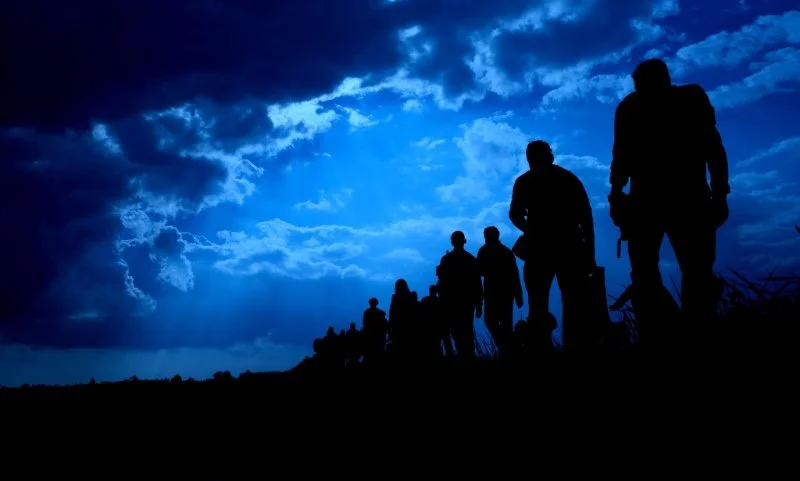
‘We Push Them in the Dark’: Assam CM’s Statements and Their Implications
Assam Chief Minister Himanta Biswa Sarma’s appearance on ABP News on April 15 may have triggered a minor diplomatic row, with Bangladesh formally objecting to offensive remarks and summoning India’s acting High Commissioner, but his answers in the interview point to a much more troubling set of issues.

Commercial Spyware, Once a Military Tool, Is Now Routinely Deployed Against Journalists
Governments worldwide are systematically deploying commercial spyware against journalists, and the business of building and selling such tools has grown into a global industry operating with little regulation or accountability, according to a study by the International Federation of Journalists, or IFJ, a Brussels-based organisation representing journalists globally.