
Iran War: Costs Rising in India After 4 Weeks, Impact May Grow if It Continues
From the Editor’s Desk
March 27, 2026
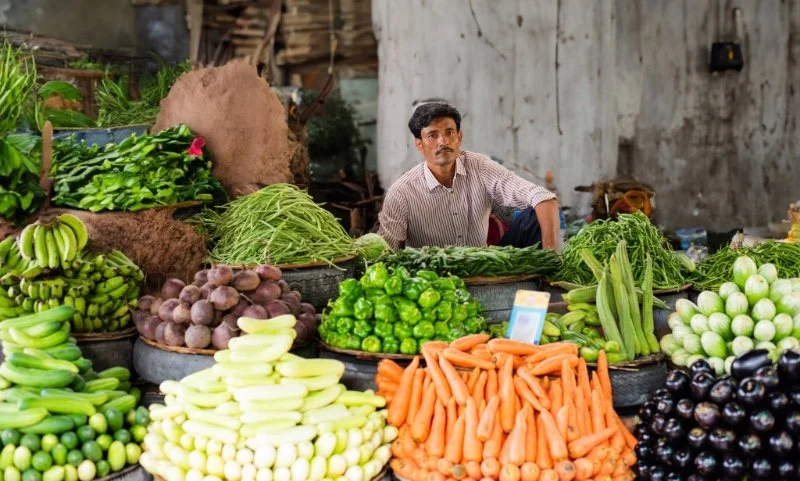
Over the past four weeks, the war in West Asia has disrupted traffic through the Strait of Hormuz and increased the cost of raw materials and components used not only in fuel, but also in medicines, plastics and packaged goods in India. If the war continues for two more months, the impact is likely to become much harsher and more widespread in household expenses and access to essential services, as seen in many countries around the world during earlier conflicts.
India imports more than 90 percent of its oil needs, depends heavily on LPG supplies from the Middle East, and relies on imported chemicals, plastics and specialised components in sectors including fuel, healthcare, manufacturing and consumer goods, all of which move through the Strait of Hormuz.
Disruption along this route within the first four weeks of the war between United States-Israel and Iran has already increased freight and insurance costs and delayed shipments, raising costs in transport, medicines, packaging, industrial production and everyday goods in India, including packaged drinking water in bottles and 20-litre cans. Prices of milk, edible oil, medicines and daily FMCG goods are building up and likely to rise next, according to The Times of India.


So far, the Union government has cut excise duty on petrol and diesel to keep prices from rising too quickly and has worked to secure about 60 days of crude oil supply to maintain availability. However, the rupee has fallen past 94 to the dollar, making imports costlier and adding pressure on prices in India.
Price increases at the retail level are not widespread as of now, as many firms continue to rely on existing stock. However, the situation may change if the war doesn’t stop right away, according to the precedent.
During the Gulf War in the early 1990s, after Iraq invaded Kuwait, several countries, including India, South Korea, Turkey and European nations, saw steep increases in fuel import bills within weeks. India faced a severe balance of payments crisis in 1991, with higher oil import costs, a fall in foreign exchange reserves to the point where the country could cover only a few weeks of imports, and large government borrowing forcing measures such as pledging gold and seeking emergency loans from the International Monetary Fund. Higher fuel costs pushed up transport and food prices, affecting household spending in import dependent economies.
During the Iraq War, which began in March 2003 and led to prolonged instability in oil supply, India, China and much of Europe faced sustained high crude prices through the mid 2000s. Higher energy costs pushed up fertiliser and transport costs, with crude oil prices rising from about $25–30 per barrel in 2003 to around $70 by 2006, and fertiliser prices increasing by about 50% in the same period, according to the International Energy Agency (IEA) and the Food and Agriculture Organization. These increases fed into food prices and the cost of industrial goods over the following years.
During the Russia–Ukraine War, which began in February 2022, prices of key commodities rose sharply within weeks. Crude oil moved above $120 per barrel in mid 2022, while natural gas prices in Europe rose several fold, according to the IEA. Global fertiliser prices increased by more than 70% in 2022 compared to the previous year, and the Food and Agriculture Organization food price index reached record levels in March 2022.
India saw edible oil prices rise sharply as sunflower oil supplies from Ukraine were disrupted, with retail prices of some edible oils increasing by about 20 to 30% during 2022. Fertiliser costs also rose as global supply tightened, increasing pressure on agriculture and food prices.


If the Iran war continues for another two months, firms in India that have so far relied on stock bought at earlier prices will have to replace it at higher global rates, and this will begin to show more clearly in retail prices. Goods that depend on plastic packaging and petrochemical inputs, including packaged foods, medicines, detergents and personal care products, will see sharper increases as the cost of polymers and transport feeds into final pricing.
Production in sectors already facing shortages of raw materials, especially in medical devices such as syringes, IV bags and catheters, and in packaging used for food and pharmaceuticals, could slow down as delays in shipments and difficulty in securing supplies begin to affect output. This would reduce availability of certain goods even where demand remains steady.
Higher fuel and freight costs will continue to raise the cost of moving goods within the country, and this will begin to affect items that are not directly linked to imports, including fresh food, milk distribution and small retail deliveries. Import-dependent sectors such as electronics, machinery, fertilisers and textile inputs will face further cost increases as a weaker rupee makes replacement stock more expensive.
As these pressures build, price increases that have so far appeared selective are likely to spread to a wider range of goods and services, and shortages in some categories could begin to affect purchasing choices.
Reuters has reported that war-risk insurance on Gulf shipping has risen several fold and could remain elevated, which means newer consignments of crude, LPG and industrial inputs will arrive at significantly higher landed costs than earlier shipments.
Bloomberg has reported that continued disruption in shipments of LPG and naphtha, fuels derived from crude oil and used to make plastics and many chemicals, has reduced the production of plastic packaging and many medicines.
The next change would be more frequent price revisions, with companies adjusting prices more often as they replace stock at higher costs.
This would result in the same product being sold at different prices, as older stock clears at earlier rates and newer stock arrives at higher prices, and some items may be less easily available or take longer to return to shelves, especially those that depend on imports. Prices would also change in smaller and more frequent steps instead of one clear increase, making weekly spending harder to plan for households.
For lower income households, these changes would tighten spending quickly because a larger share of income already goes towards food, fuel and basic services. Even small increases in items such as cooking oil, packaged food, transport fares or medicines would leave less room for other expenses, and choices would narrow to fewer or cheaper substitutes where available.
You have just read a News Briefing, written by Newsreel Asia’s text editor, Vishal Arora, to cut through the noise and present a single story for the day that matters to you. We encourage you to read the News Briefing each day. Our objective is to help you become not just an informed citizen, but an engaged and responsible one.



What happened in Mumbai on October 2 may have been only one day of protest, but the issues behind it are unlikely to disappear with the dispersal of the crowd. The protest was centred around concerns over the Election Commission, electoral rolls and the Special Intensive Revision (SIR) exercise, with protesters demanding accountability from Chief Election Commissioner Gyanesh Kumar. At the same time, similar mobilisation has been taking place across different parts of the country, with student groups, Opposition parties and civil society organisations raising concerns over the electoral process. Newsreel Asia spent the day at Mumbai Protest capturing the preparations, the police presence, conversations with protesters, the atmosphere on the streets and how the day unfolded. The speech of Cockroach Janta Party's leaders and sentiment of protestors seemed larger than the concerns regarding the electoral process. Will this lead to something bigger?