

Government Wants to Regulate Citizen Speech Like ‘Published’ News
A draft amendment to the IT Rules would allow authorities to direct platforms to take down not only content from media organisations but also posts by individual users on social media. It would remove the distinction between a media organisation that publishes news as an institutional activity and an ordinary citizen who speaks, comments, jokes, shares, records, criticises or reports from a phone, by bringing such user generated content within a regulatory structure designed for digital media entities and publishers.

What Proposed FCRA Amendment Means for Democracy, NGOs and Millions Who Depend on Them
The central government has proposed changes to the Foreign Contribution Regulation Act, which regulates how non-profit organisations receive foreign funding for work in health, education, nutrition and other welfare sectors. The amendment would give the government greater power to halt funding and also take control of assets, including property, created with that money, potentially reducing humanitarian, rights-based and climate-related advocacy work in the country.
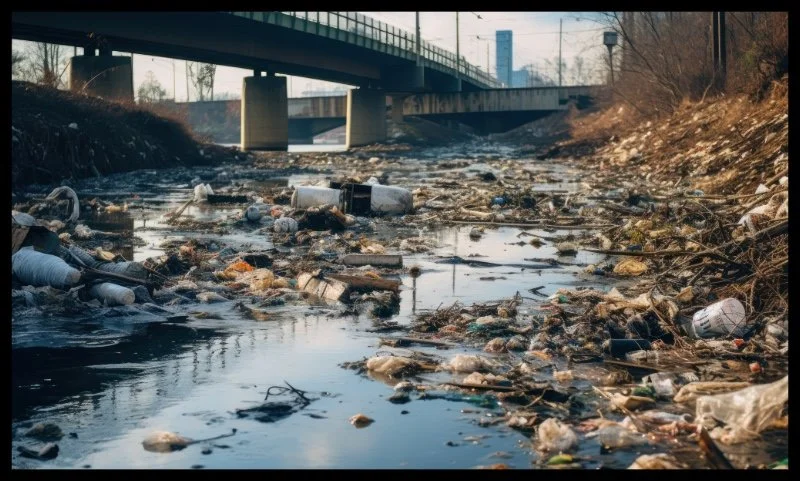
Urban Sewage in India Contains Bacteria That Survive Multiple Antibiotics
Scientists studying urban sewage in India have found that wastewater flowing through city drains carries large numbers of bacteria that can survive treatment with many antibiotics. The finding suggests that sewage systems, which often flow into rivers, agricultural water, floodwater and soil, may allow these resistant bacteria to spread through the environment and eventually reach people, making some infections harder to treat.

India Be Designated ‘Country of Particular Concern’ on Religious Freedom: US Panel
An independent U.S. government advisory body on international religious freedom said in its 2026 annual report that India should be designated a “Country of Particular Concern” for religious freedom violations, citing “worsening conditions” for religious minorities during 2025.

Oil Prices Jump More Than 25% in US-Iran War: What It Means for India
A sharp jump in global oil prices and a sudden fall in the share prices of India’s largest refining companies have followed the widening conflict involving the United States, Israel and Iran. The events themselves are unfolding thousands of kilometres away in the Middle East and in global financial markets. Yet the developments carry direct economic consequences for India because they affect the price and supply of energy on which the country depends.
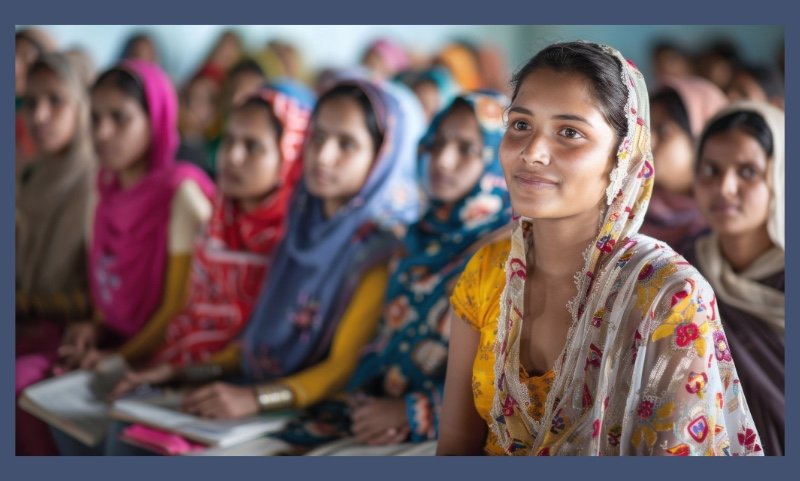
Over Half of India’s Young Adults Are Not in Paid Employment, Study Finds
A recent study of how young Indians spend their working time has found that only 47 percent of adults aged 20 to 29 are in paid employment, women’s participation in paid work remains extremely low, and the overwhelming majority of young workers remain trapped in informal jobs. The findings raise serious questions about how widely economic opportunity is actually distributed in the country.

Nepal’s Gen Z Dismantles the Old Cycle of Elite Circulation
Nepal’s 2026 parliamentary election has produced a major political upset, with Balendra Shah, a former rapper who rose to prominence as Kathmandu’s mayor despite having no traditional political background, leading his new Rastriya Swatantra Party (RSP) to sweeping gains. The surge suggests that Gen Z voters have finally disrupted the long-standing cycle of “elite circulation” through which Nepal’s political leadership has rotated among the same parties for decades.

What to Make of Karnataka’s Ban on Social Media for Children
Karnataka has banned social media use for children under the age of 16, becoming the first state in the country to do so, according to Reuters. The move responds to real psychological concerns about how social media platforms are designed to keep young users hooked, but can age-based bans alone address the deeper forces that shape children’s online behaviour?

The Problems with India’s Website Blocking System
A large technical study has found that at least 43,083 websites were blocked through Indian internet service providers in the measurement carried out for the research. The findings draw attention more to a system marked by uneven enforcement and limited transparency than to the type of content being restricted.

Breast Cancer Is Rising Fast in India and Around the World
A new analysis projects a jump in breast cancer cases among women worldwide from about 2.3 million in 2023 to over 3.5 million a year by 2050, while India has already recorded a several-fold rise since 1990. People in India can act through early recognition of symptoms, timely diagnosis and risk reducing habits, and governments must expand screening, strengthen referral systems, ensure affordable treatment and build stronger cancer registries.

Why the US–Israel Conflict with Iran Is Not a Religious War
Among sections of the public in many countries, including India, the current U.S.–Israel attack on Iran is being framed as a Christian and Jewish attack on Islam. The language of civilisational war carries emotional force and clear political utility in mobilising domestic support, but a closer look at how states actually behave suggests a more grounded reading of the conflict as a typical strategic contest.
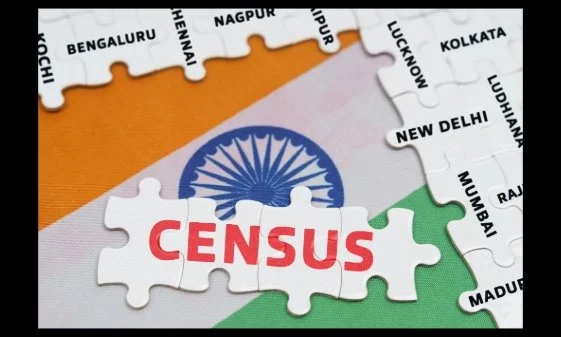
Former Civil Servants Raise Concerns About Census 2027
A collective of former senior civil servants has written to the Census Commissioner of India raising detailed concerns about the six year delay in the national Census, now scheduled for 2027. In their letter, they warn that the prolonged and unexplained postponement could lead the public to suspect that the exercise is being timed to facilitate the delimitation of parliamentary constituencies ahead of the 2029 Lok Sabha elections.
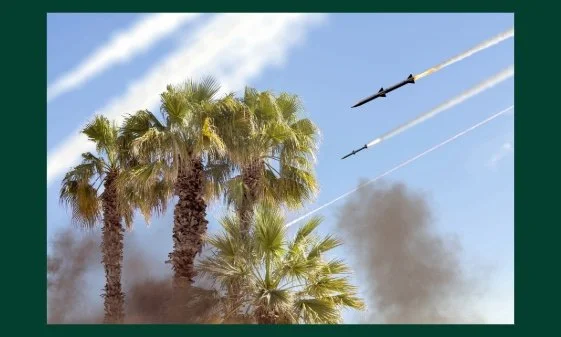
US-Israel Strikes on Iran: What It Means for India
The United States and Israel carried out large-scale military strikes inside Iran on February 28, killing the country’s supreme leader Ayatollah Ali Khamenei. Iran responded within hours with drones and missiles aimed at Israel and at United States linked military sites across the Gulf, including Bahrain, Kuwait, Qatar and the United Arab Emirates (UAE). The confrontation marks one of the most dangerous escalations in West Asia in recent years and carries direct consequences for countries far beyond the immediate conflict zone, including India.
AI Threat Looms Over India’s IT Jobs Boom
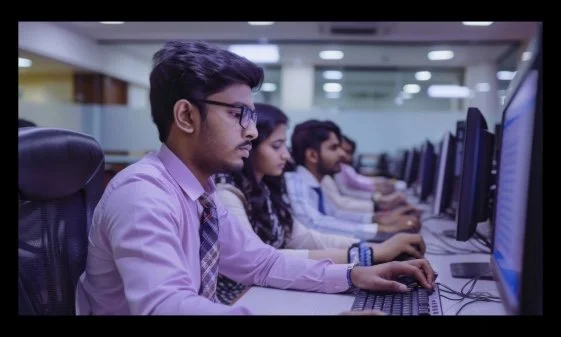
Over the last two and a half decades, India built a huge industry by doing office and technology work for companies in the United States and Europe. Now new artificial intelligence (AI) tools are starting to perform some of that work, and this shift could affect millions of jobs in India, according to a report published in The New York Times.
Pakistan-Afghanistan Tensions: What the ‘Open War’ Claim Means
Pakistan and Afghanistan are once again exchanging airstrikes across their shared border, raising fears of a wider conflict between them. The latest tension began this week after Afghanistan carried out a cross-border strike that it said was retaliation for earlier Pakistani air attacks. Pakistan then responded with fresh strikes inside Afghan territory, and the country’s defence minister described the situation as an “open war.”

Extreme Heat Linked to Fewer Sex-Selective Abortions in India, Study Suggests
Researchers at the University of Oxford have released a study examining how heat exposure during pregnancy relates to the sex ratio at birth in India. The findings suggest that women in India who experienced higher temperatures during the middle months of their pregnancy were more likely to give birth to girls than to boys, and the study indicates this is not due to biological reasons.
India’s New Counter-Terror Policy Expands Powers but Success Will Depend on Safeguards
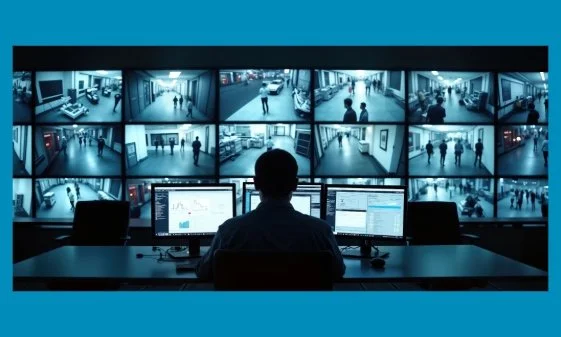
The central government has launched a new counter terrorism policy called Prahaar. The framework appears ambitious and technology driven, and it resembles Western models of prevention, intelligence coordination and disruption of extremist networks. Western systems generally operate with multiple layers of legal safeguards that have evolved alongside state enforcement powers. Implementation in India also requires careful attention to several cautions to guard against potential misuse.

Should Private Companies Be Allowed to Run Public Services?
Finance Minister Nirmala Sitharaman has launched the National Monetisation Pipeline 2.0, a plan that aims to raise about 16.72 trillion (16.72 lakh crore) rupees by allowing private companies to operate public assets such as highways, railways, airports and energy networks for fixed periods. The government presents the move as a way to fund new infrastructure without increasing taxes or borrowing, but for ordinary citizens, the policy carries a set of risks that deserve careful scrutiny.

New Study Shows How AI Could Help Curb Trafficking in South Asia
A survivor-informed policy paper suggests that artificial intelligence can help disrupt trafficking networks linked to cyber scam compounds in South Asia and nearby regions, by spotting digital signals early enough to guide human intervention. The findings deserve the attention of authorities in India and across South and Southeast Asia, because earlier detection buys time, and time gives people, embassies and investigators space to act before coercion hardens into captivity.
‘No One’ Killed This Manipur MLA, and That Defines the State’s Accountability Crisis
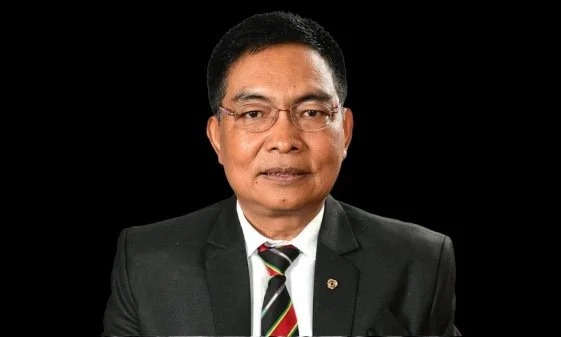
Vungzagin Valte, a Manipur MLA from the ruling Bharatiya Janata Party (BJP), died on February 21 after nearly three years of medical complications caused by a mob attack during the 2023 violence. His case remains pending and no arrests have been reported so far. The continuing absence of visible justice may further deepen the political disillusionment of the Kuki-Zo community in its relationship with the state government.