
Breast Cancer Is Rising Fast in India and Around the World
From the Editor’s Desk
March 4, 2026
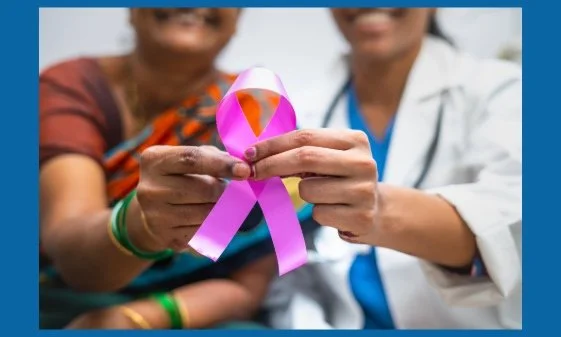
A new analysis projects a jump in breast cancer cases among women worldwide from about 2.3 million in 2023 to over 3.5 million a year by 2050, while India has already recorded a several-fold rise since 1990. People in India can act through early recognition of symptoms, timely diagnosis and risk reducing habits, and governments must expand screening, strengthen referral systems, ensure affordable treatment and build stronger cancer registries.
The Global Burden of Disease analysis, published in The Lancet Oncology, estimates that about 764,000 women died from breast cancer worldwide in 2023 and projects that annual deaths could rise to around 1.4 million by 2050, as reported by Business Standard.
High-income countries still carry the highest incidence rates, yet the fastest growth in new cases and deaths appears in low-income and lower-middle-income countries, where health systems carry fewer specialists, fewer diagnostic centres and longer delays between first symptoms and effective treatment, according to the analysis.
The study reports a rise of about 29 percent since 1990 in breast cancer cases among women aged 20 to 54, suggesting greater exposure to risk factors earlier in life and a larger share of cancers appearing during years that usually carry work and family responsibilities.

The analysis also links a large part of the health loss from breast cancer to factors that public policy and daily life can shift over time. Around 28 percent of healthy years lost to breast cancer in 2023 were associated with modifiable risks including high red meat intake, tobacco exposure, high blood sugar, higher body mass index, alcohol use and low physical activity.
India’s numbers in this report move in the same direction, with a sharper climb. The study summary puts India at nearly 203,000 new breast cancer cases in 2023, a 477.8 percent rise versus 1990, and about 102,000 deaths in 2023, a 352.3 percent rise versus 1990.
Total case numbers can rise as India’s population grows and people live longer, because breast cancer becomes more common at older ages. Researchers therefore also look at age standardised rates, which show whether the risk of the disease is actually increasing after taking population ageing into account. The analysis finds that India’s age standardised breast cancer incidence rate has risen by 126.9 percent since 1990, while the age standardised death rate has increased by 74 percent, showing that the rise in breast cancer reflects a real increase in risk and deaths rather than population growth alone.
Government estimates in Parliament point to a similar scale of burden in recent years. A Lok Sabha reply in March 2025, citing ICMR’s National Cancer Registry Programme, estimated 227,152 (2.2 lakh) breast cancer cases among females in India in 2024.

Breast cancer means some cells in the breast start multiplying in an uncontrolled way and form a tumour. Risk and outcomes depend on factors including tumour biology, stage at diagnosis, and how quickly a person reaches effective treatment. Stage matters because cancers confined to the breast usually have far better treatment outcomes than cancers that have spread to lymph nodes or distant organs, so the pathway from first symptom to diagnosis becomes a central public health issue.
This study’s central warning for India sits less in the fact that breast cancer is common, and more in how its burden is moving towards countries where late-stage diagnosis is frequent. Late-stage diagnosis usually comes from a chain of delays, a person dismisses a lump, a clinic visit leads to reassurance or a symptomatic medicine, diagnostic imaging comes late, biopsy comes later, and specialist referral arrives after months. Each link in that chain is influenced by money, travel time, family duties, fear and the uneven spread of reliable diagnostic services across districts.
Addressing lifestyle-related factors that increase breast cancer risk requires public health action that creates environments where healthy choices become easier. This includes safer walkable neighbourhoods that encourage physical activity, affordable access to healthier foods, stronger tobacco control policies, and routine screening for diabetes with support for blood sugar management, since metabolic risks often contribute to several chronic diseases.
The rise among women aged 20 to 54 also has practical implications for India. More diagnoses in these ages mean more women dealing with surgery, chemotherapy, radiation, or hormone therapy while raising children or supporting parents. Health systems that schedule care only in working hours, or place diagnostic centres far from where women live, create predictable drop offs in follow up. Employers, schools, and communities can reduce this burden through flexible leave, childcare support during treatment visits, and local patient navigation services that help families move through referrals, tests and treatment start dates.
Women should treat a new breast lump, nipple discharge, skin dimpling, a persistent breast or armpit swelling, or a change in breast shape as a reason for a clinical breast examination promptly, and families should support fast clinic visits rather than watchful waiting. Adults should treat tobacco exposure, alcohol intake, physical inactivity, weight gain and uncontrolled blood sugar as long-term health risks linked to cancer, heart disease and diabetes. Early action through regular physical activity, healthier diets and medical care to manage metabolic health can reduce these risks.
You have just read a News Briefing, written by Newsreel Asia’s text editor, Vishal Arora, to cut through the noise and present a single story for the day that matters to you. We encourage you to read the News Briefing each day. Our objective is to help you become not just an informed citizen, but an engaged and responsible one.
What happened in Mumbai on October 2 may have been only one day of protest, but the issues behind it are unlikely to disappear with the dispersal of the crowd. The protest was centred around concerns over the Election Commission, electoral rolls and the Special Intensive Revision (SIR) exercise, with protesters demanding accountability from Chief Election Commissioner Gyanesh Kumar. At the same time, similar mobilisation has been taking place across different parts of the country, with student groups, Opposition parties and civil society organisations raising concerns over the electoral process. Newsreel Asia spent the day at Mumbai Protest capturing the preparations, the police presence, conversations with protesters, the atmosphere on the streets and how the day unfolded. The speech of Cockroach Janta Party's leaders and sentiment of protestors seemed larger than the concerns regarding the electoral process. Will this lead to something bigger?