
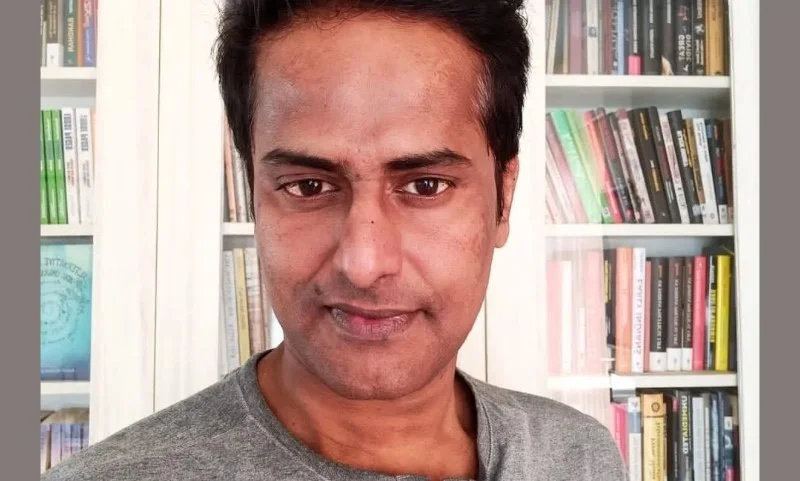
Why Journalist Ravi Nair’s Imprisonment in Defamation Case Is Concerning
Independent investigative journalist Ravi Nair has been in jail since September 17 over a criminal defamation case brought by Adani Enterprises. A court had found him guilty but he had appealed that decision and was allowed to remain free while the appeal was heard. After he missed a hearing, the court issued a warrant for his arrest. Nair went to court to ask for the warrant to be cancelled and was sent to jail instead. The concern is that a single missed hearing has cost him his freedom before the court has decided his appeal.

Anti-Conversion Laws Are a Question of Citizens’ Rights and Freedoms
Maharashtra becoming the 13th state to enact an anti-conversion law once again raises a legal question that goes further than the protection of Christian and Muslim minorities, as the issue is often portrayed. Laws regulating conversion from one religion to another should be assessed by how they affect every citizen’s freedom of conscience and religious expression, rather than by which religious community they appear to protect or threaten.

Beaten as a Dalit, Denied Protection Because He is Christian
A recent case exposes that the law has wrongly misunderstood that conversion to Christianity or Islam automatically ends the caste discrimination faced by Dalits. Chinthada Anand, a convert to Christianity, was allegedly attacked as a Dalit in Andhra Pradesh, but the Supreme Court ruled that he could not receive the protection under the SC/ST (Prevention of Atrocities) Act because he was no longer legally recognised as a Scheduled Caste. This raises the question of whether the SC/ST Act should ask what religion the victim follows or whether society, including the alleged attackers, treated that person as a Dalit.
In Tamil Nadu, the Right to Pray Without Permission Is Slowly Eroding
Tamil Nadu’s courts appear to have quietly narrowed a constitutional right over the last seven years without ever admitting they were doing so. Every order still cites the same protection for peaceful prayer, but the burden to prove that prayer is harmless has effectively moved from the state to the worshipper. That change is invisible in any single ruling, and becomes clear only when the rulings are read one after another, in the order they were made.
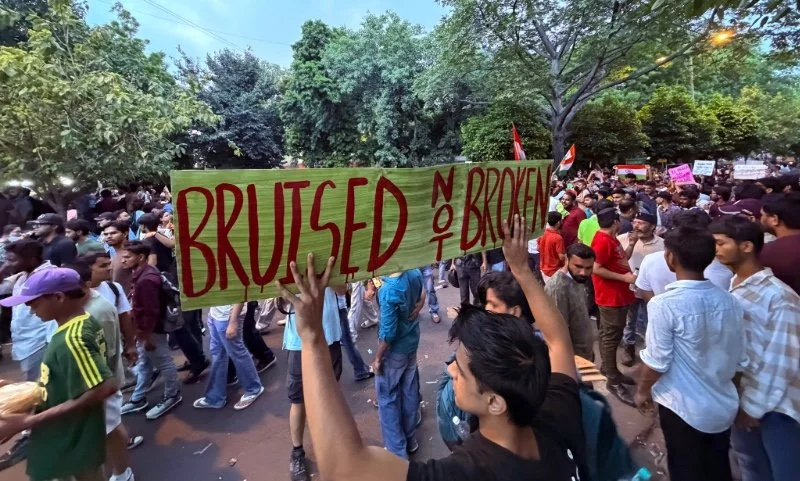
CJP Protests: Key Developments After Dharmendra Pradhan’s Resignation
Dharmendra Pradhan stepped down as Union education minister on July 25, bringing to an end 36 days of protests initiated by the Cockroach Janta Party (CJP). Two days later, as of noon on July 27, key developments included a police investigation into the firing of pellet guns at protesters, Supreme Court petitions alleging police excesses against students, violent unrest in Bihar, an angry response from Central University of Kerala students to social media posts praising Pradhan, and activist Sonam Wangchuk’s planned visit to Rajghat in Delhi.

West Bengal’s Fight Against ‘Goondas’ Comes With a Democratic Risk
The West Bengal Assembly has passed two laws that allow authorities to place people identified as “goondas” (violent criminals, gang members or habitual offenders) in preventive detention for up to 12 months and confiscate their property to compensate victims of damage caused during public disorder. The move is causing concern that these laws could be used against political opponents, activists and protesters because of the broad powers they grant the government.

The Psychology of Defending Lynching Convicts in Madhya Pradesh
A judge in Madhya Pradesh who sentenced seven men to life imprisonment for their role in a lynching case is facing a campaign of protests, threats and abuse. It is disturbing that sections of the public have reacted not with concern about the man who was beaten to death by a mob, but with anger that those found guilty of the killing were punished. The reaction points to a particular way of thinking about mob violence, justice and the rule of law, and deserves a psychological explanation.
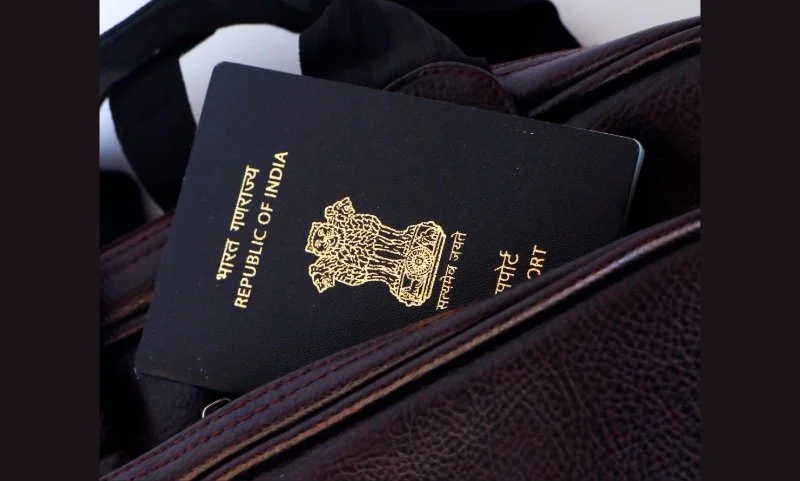
If a Voter List Error Can Cost a Journalist His Passport, What Could It Cost Millions of Others?
R. Rajagopal, a former editor of The Telegraph, says his passport renewal has been held up after police reported that his name had been deleted from the electoral roll during a recent Special Intensive Revision (SIR) of the voter list. Does this mean an exercise built to catch duplicate and inaccurate entries may now begin to decide, in practice, who is a citizen with standing to travel, work or have access to government services?

Why It’s Legally Correct But Unfair to Say a Passport Doesn’t Prove Citizenship
The Ministry of External Affairs has said that an Indian passport is primarily a travel document and should not be treated as standalone proof of citizenship. While the statement can be legally defended, it appears harsh and potentially unjust to tell citizens that none of their documents could finally protect them from suspicion when the state has treated them as citizens for decades, allowed them to vote, taxed them, issued them identity documents, educated their children, and issued them a passport after official verification.
Newsclick FIR a ‘Gross Abuse’ of Legal Process, Delhi High Court Says
The Delhi High Court has quashed a police case and a money laundering investigation against the independent news portal Newsclick, ruling that nothing in the complaint amounted to a crime even if every claim in it were true, and that letting the prosecution continue would be a gross abuse of the process of law.
‘No One’ Killed This Manipur MLA, and That Defines the State’s Accountability Crisis
Vungzagin Valte, a Manipur MLA from the ruling Bharatiya Janata Party (BJP), died on February 21 after nearly three years of medical complications caused by a mob attack during the 2023 violence. His case remains pending and no arrests have been reported so far. The continuing absence of visible justice may further deepen the political disillusionment of the Kuki-Zo community in its relationship with the state government.

Detention Without Accurate Evidence Threatens Constitutional Liberty in Wangchuk’s Case
India’s Supreme Court is scrutinising the preventive detention of climate activist Sonam Wangchuk after noticing a prima facie discrepancy between the Ladakhi speech he delivered and the translated transcript relied upon by government authorities to justify his confinement, along with a possible failure to supply the complete evidentiary record to him. The main constitutional concern arising from this development is whether the extraordinary executive power to detain without trial has been exercised on the basis of material that is accurate, genuine and procedurally fair.

New IT Rule Orders 3-Hour Content Removal, Threatening Free Speech, Privacy
The central government has notified amendments to the Information Technology Rules, requiring online platforms to remove content within three hours of receiving an official government order, and introducing new legal requirements for detecting, labelling and tracing AI generated or altered media. The design risks rapid removal of lawful speech and deeper intrusion into user privacy because platforms that fail to follow government orders can lose their legal protection from being held responsible for what users post.
Indian Accused in US Sikh Separatist Assassination Plot Pleads Guilty
An Indian national, accused by U.S. prosecutors of working at the direction of an Indian government employee to arrange the assassination of Sikh separatist Gurpatwant Singh Pannun in New York, has pleaded guilty in a U.S. court.
8,630 Complaints Against Sitting Judges in 10 Years
On February 13, the Union Law Ministry told the Lok Sabha that the office of the Chief Justice of India received 8,360 complaints against sitting judges of the Supreme Court and High Courts across the 10 year period from 2016 to 2025, based on data supplied by the Supreme Court. The disclosure invites a closer look at how judicial accountability works, and what this information reveals about public trust in the courts.

Why a Former Army Chief’s Book Has Caused a Furore
India’s former army chief, General M.M. Naravane, has alleged in an unpublished memoir that political leaders failed to give the army clear operational directions during the 2020 border crisis with China. The allegation, brought to public attention by opposition leader Rahul Gandhi in parliament, is serious because it raises questions about civilian command responsibility in military engagements, and whether India’s highest political office abdicated its role during a critical national security moment.

A Political Science View of Assam CM’s Threat Against Activist Harsh Mander
Assam Chief Minister Himanta Biswa Sarma has threatened to file “at least 100 cases” against activist Harsh Mander after Mander lodged a legal complaint accusing him of hate speech against Bengali Muslims. The threat suggests that Sarma sees legal action as a means to settle political scores rather than address genuine legal concerns.
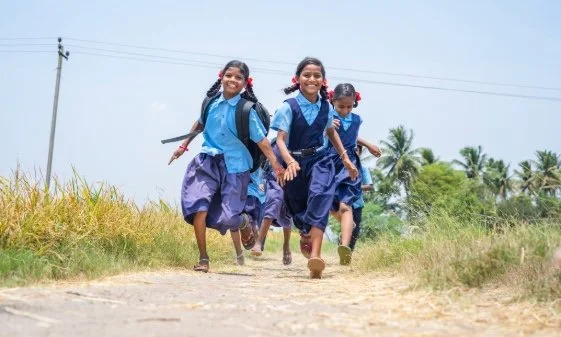
Supreme Court Affirms Menstrual Health as Part of Right to Life
Adolescent girls in many parts of India miss several days of school each month during their periods due to lack of sanitary products, inadequate toilets and fear of public embarrassment. In response to this widespread exclusion, the Supreme Court of India has ruled that access to menstrual health is part of the fundamental right to life under Article 21 of the Constitution. The ruling affirms that denying girls the means to manage their periods in school violates their right to live with dignity, safety and equal opportunity.
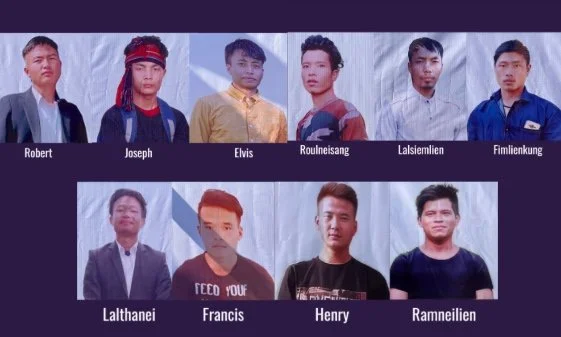
Manipur: Kuki-Zo Groups Denounce Shaurya Chakra Award to CRPF Officer
A Kuki-Zo tribal group has condemned the Indian government’s conferment of the Shaurya Chakra to a Central Reserve Police Force (CRPF) officer allegedly involved in the November 2024 killing of 10 civilians in Manipur, calling it a “state endorsement of the extrajudicial killing.”

Which Article in the Indian Constitution Defines Good Governance?
Every party or coalition that comes to power brings its own definition of “good governance.” And each version reflects a political ideology. But in doing so, they shift attention away from the basic and non-negotiable duties a government owes its citizens – the duties written into the Constitution. There is one article, and sadly we seldom talk about it, that defines with precision the constitutional instruction on what governance must achieve.