
Your Happiness Depends on How Good Your Government Is, a Report Suggests
From the Editor’s Desk
March 25, 2026
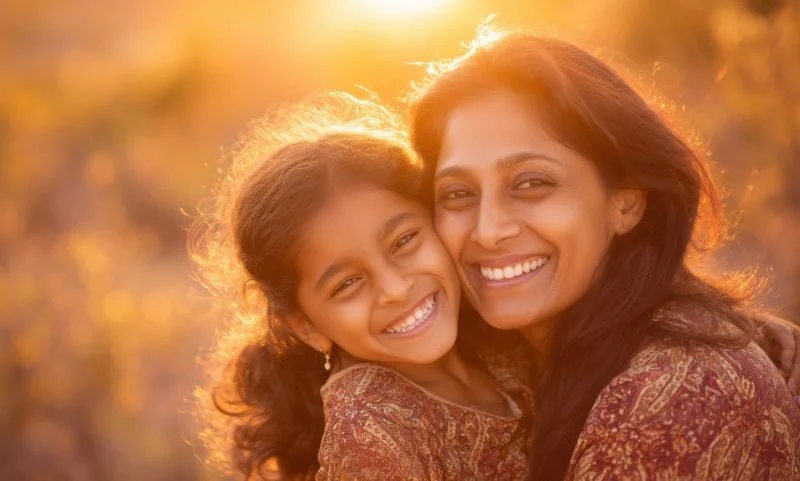
Finland stands first again in the World Happiness Report 2026, while Afghanistan sits at the bottom of the ranking. India is placed 116th among the 147 countries included in the report. The countries at the top and bottom of the report, based on how people rate their own lives, help explain why people in some societies report greater satisfaction with their lives than those in others.
Iceland, Denmark, Costa Rica, Sweden, Norway, the Netherlands, Israel, Luxembourg and Switzerland complete the 10 highest ranked countries, prepared by researchers associated with the Wellbeing Research Centre at the University of Oxford in partnership with Gallup and the United Nations Sustainable Development Solutions Network. At the opposite end are Afghanistan, Lebanon, Malawi, Yemen, Zimbabwe, Sierra Leone, Botswana, the Democratic Republic of Congo, Madagascar and the Central African Republic.
The rankings are based on responses from the Gallup World Poll, which asks people to evaluate their lives on a scale from zero to 10. Zero represents the worst possible life for them and 10 represents the best possible life.

The survey also asks about conditions that influence how people experience their lives, including whether they have someone they can rely on in times of trouble, whether they feel free to make important life choices, whether they have donated to help others, and whether they believe corruption is widespread in government or business. These responses are used by researchers to understand the circumstances that tend to accompany higher or lower life satisfaction across countries.
Residents in the highest ranked countries reported strong social support. In the Gallup survey, many said they had someone they could rely on during difficult moments.
Public institutions also played a major role. The report shows that people tend to rate their lives more positively in countries where corruption is seen as low and trust in government institutions is high. In Finland, Denmark and Norway, citizens reported confidence that public services worked reliably and that rules applied equally to everyone.
Access to healthcare and education also appeared widely across the countries in the top 10. Governments in Finland, Sweden and Norway operate extensive public healthcare systems and education networks, which exist alongside social protection programmes that offer support during unemployment, illness or disability. Residents in these societies expect a longer and healthy life.
Further, income-levels remain relatively high in most of the top-ranked countries, though the ranking also shows that income alone does not determine life evaluations. For example, Costa Rica stands fourth in the world in happiness despite having a much lower national income-level than many European countries appearing near it in the ranking. Residents nevertheless reported high satisfaction with their lives. The report identified Costa Rica as the highest-ranked Latin American country since the rankings began.
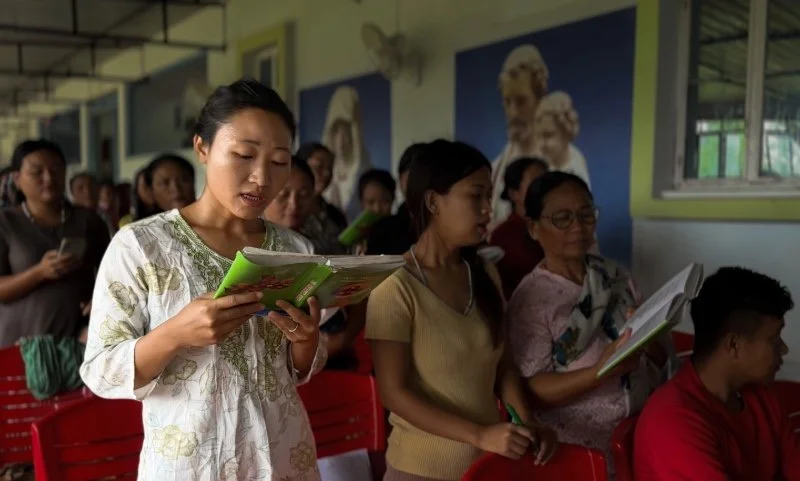

The report also notes that residents in Costa Rica, like in other Latin American countries, have strong social relationships and community networks. People reported close ties with family members and neighbours.
Israel’s appearance in the top 10 also shows the significance of social support. Residents reported strong community connections and confidence that they could rely on others during difficult moments.
Conditions differ markedly among the countries appearing near the bottom of the ranking.
In Afghanistan, which occupies the last position, the average life evaluation there stands at about 1.45 on the 10-point scale. Afghan women report even lower life-satisfaction, with an average score of about 1.26.
The other lowest-ranked countries have experienced prolonged conflict, economic crisis or severe political instability in recent years. Armed conflict has disrupted daily life, limited access to education and healthcare and produced widespread economic insecurity. Residents reported low confidence in their future and low satisfaction with their lives.
Lebanon has faced a severe financial crisis in recent years, accompanied by currency collapse and sharp reductions in public services. Residents experienced significant economic disruption, and low life evaluations.
These countries have also struggled with fragile institutions and widespread perceptions of corruption. Citizens there believe that rules are applied unevenly or public services function poorly.
The report notes that many of the largest declines in life evaluations have occurred in countries affected by conflict or economic crisis. Afghanistan, Malawi, Lebanon, Jordan, Venezuela, Botswana, Egypt and Yemen appear among the countries recording the largest drops compared with the period between 2006 and 2010.
You have just read a News Briefing, written by Newsreel Asia’s text editor, Vishal Arora, to cut through the noise and present a single story for the day that matters to you. We encourage you to read the News Briefing each day. Our objective is to help you become not just an informed citizen, but an engaged and responsible one.

On October 12, opposition leaders, MPs, MLAs, student organisations and political workers came together in a massive march against Chief Election Commissioner Gyanesh Kumar, raising serious concerns over the Special Intensive Revision (SIR) of electoral rolls and the alleged mass deletion of voters’ names. The march brought together a broad coalition, including the INDIA bloc, AISA, SFI and other student unions, as part of a wider nationwide mobilisation against the SIR exercise and concerns surrounding electoral integrity.