
Explained: Why Farmers Are Opposing the India-US Trade Agreement
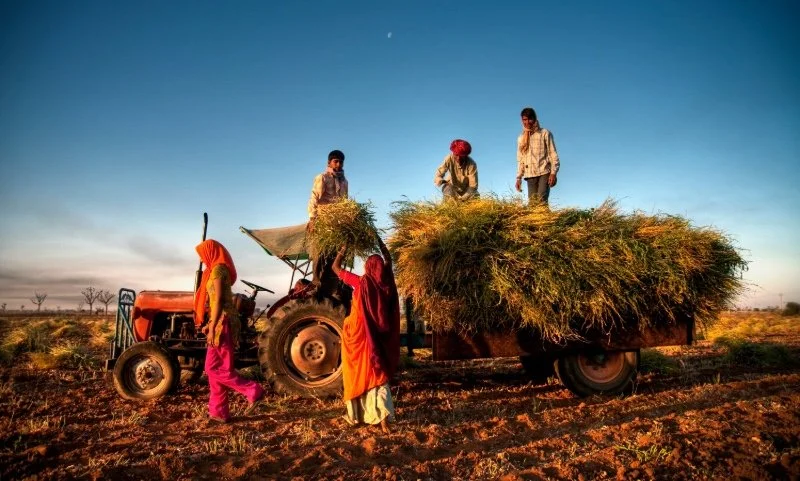
Farmers in Punjab and Haryana have been protesting against a proposed bilateral trade agreement between India and the United States. They are concerned that opening India’s agricultural market further to American products could place millions of Indian farmers at a serious disadvantage because the two agricultural systems are very different in size, costs and government support.

Historic Kerala Club Fights Eviction Notice For Its Delhi Premises
The Kerala Club, an 87-year-old socio-cultural institution founded by V.P. Menon, the civil servant who helped unite India’s princely states, is fighting eviction proceedings brought by its landlord in a dispute the club says rests on a false claim that it stopped paying rent.

Obesity Rising Alongside Malnutrition in India’s Poor Urban Communities
Obesity could be emerging alongside persistent undernutrition among children in India’s poor urban communities, suggests a long-running study of one such neighbourhood, which found that a rising number of children were overweight or obese by age nine while a larger number were dangerously underweight.

‘Satluj’ Ban Erases the Line BJP Drew Against Congress in Punjab
The Bharatiya Janata Party (BJP) has spent years accusing the Congress party of grave human rights failures in Punjab during the militancy period. Every reference to the killings, disappearances, and unmarked cremations of the late 1980s and early 1990s has come from BJP platforms as an indictment of Congress rule. The party has positioned itself as the one willing to name events that Congress preferred to leave unspoken. The recent removal of the film “Satluj” from ZEE5 has undone that position.

Why Have We Stopped Caring About Dowry Killings? A New Study Explains
A new academic study argues that India has built an “infrastructure of inattention” around dowry killings, referring to legal and cultural processes that once made such deaths the focus of mass public protest but now allow such murders to pass with little public attention.

Citizens Have 5 Economic Reasons to Oppose the Government’s E25 Petrol Plan
The central government is reportedly considering delaying its plan to increase the amount of ethanol mixed with petrol from the current 20% to 25%. The government’s rationale is that the move would reduce India’s dependence on imported crude oil, lower some vehicle emissions and create a bigger market for Indian farmers. However, these stated public policy objectives overshadow several economic principles that lie behind citizens’ opposition to the proposal.

AI is Changing How Indian Newsrooms Reach Audiences
Artificial intelligence is changing how Indian newsrooms reach their audiences, and the way outlets handle that change will affect what news people see, how well they can trust it and whether independent journalism can survive on platforms it no longer controls. This came out at a panel discussion at the India launch of the Digital News Report 2026, an annual study of global news consumption by the Reuters Institute for the Study of Journalism at the University of Oxford.

India’s Growing Creator Economy Is Changing Society for Better and Worse
Millions of Indians now create videos, podcasts, photographs and social media content for online audiences. A new study suggests that content creation is spreading to smaller cities, growing more professional and occupying an increasingly important place in young people's lives. This growth brings significant social benefits. It could also bring problems of mental health, misinformation and a culture increasingly driven by the pursuit of attention.

West Bengal’s Fight Against ‘Goondas’ Comes With a Democratic Risk
The West Bengal Assembly has passed two laws that allow authorities to place people identified as “goondas” (violent criminals, gang members or habitual offenders) in preventive detention for up to 12 months and confiscate their property to compensate victims of damage caused during public disorder. The move is causing concern that these laws could be used against political opponents, activists and protesters because of the broad powers they grant the government.

The Psychology of Defending Lynching Convicts in Madhya Pradesh
A judge in Madhya Pradesh who sentenced seven men to life imprisonment for their role in a lynching case is facing a campaign of protests, threats and abuse. It is disturbing that sections of the public have reacted not with concern about the man who was beaten to death by a mob, but with anger that those found guilty of the killing were punished. The reaction points to a particular way of thinking about mob violence, justice and the rule of law, and deserves a psychological explanation.
If a Voter List Error Can Cost a Journalist His Passport, What Could It Cost Millions of Others?
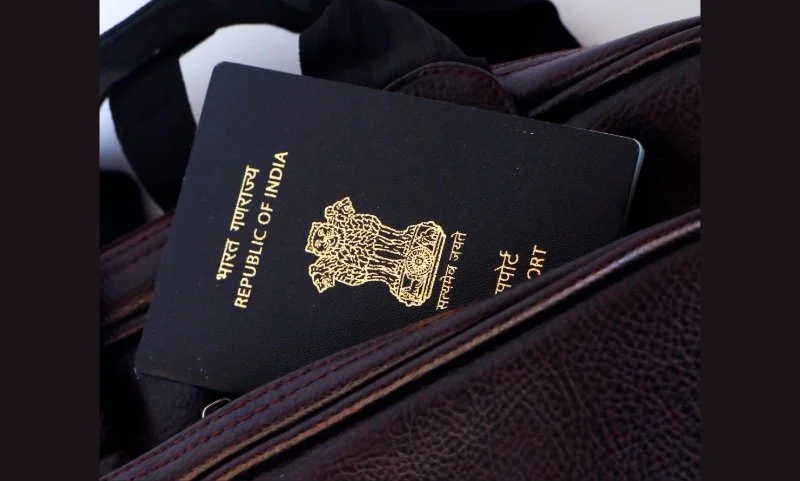
R. Rajagopal, a former editor of The Telegraph, says his passport renewal has been held up after police reported that his name had been deleted from the electoral roll during a recent Special Intensive Revision (SIR) of the voter list. Does this mean an exercise built to catch duplicate and inaccurate entries may now begin to decide, in practice, who is a citizen with standing to travel, work or have access to government services?

Why Scientists Think Younger Generations Are Ageing Faster
People born in recent decades are biologically older than their chronological age would suggest, and that gap appears to be widening with each generation, a pattern that a new study links to rising rates of cancer in adults under 55.

Why It’s Legally Correct But Unfair to Say a Passport Doesn’t Prove Citizenship
The Ministry of External Affairs has said that an Indian passport is primarily a travel document and should not be treated as standalone proof of citizenship. While the statement can be legally defended, it appears harsh and potentially unjust to tell citizens that none of their documents could finally protect them from suspicion when the state has treated them as citizens for decades, allowed them to vote, taxed them, issued them identity documents, educated their children, and issued them a passport after official verification.
The Problem With Removing Eggs From Bengal’s Mid-Day Meals
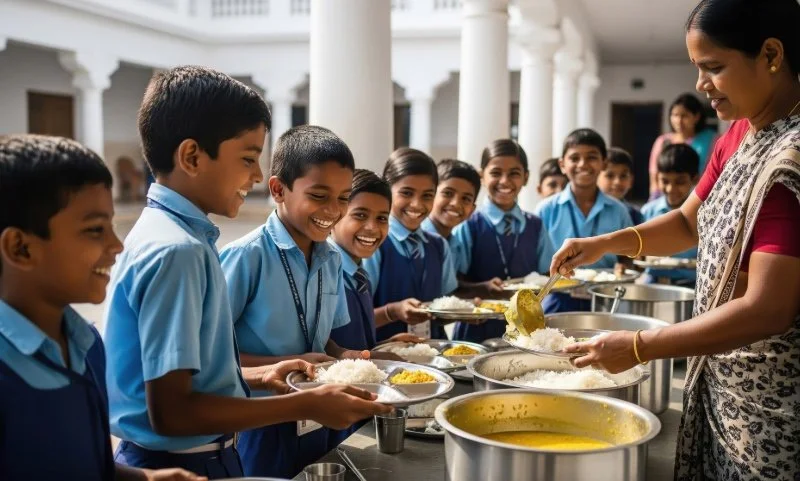
The West Bengal government has appointed the religious organisation ISKCON to provide mid-day meals in schools under the Kolkata Municipal Corporation area, replacing eggs with a strictly vegetarian menu that includes items such as paneer, rajma and soybeans, which also contain protein. However, will replacing eggs with a compulsory vegetarian menu improve, maintain or reduce actual nutrition among children from low-income households?
NGOs Can Receive Foreign Funds Only for Government-Approved Purposes
The Union Home Ministry has amended the rules governing how non-governmental organisations receive foreign money, requiring them to select their stated purpose from a government-prescribed list and barring them from proselytising under several categories of activities eligible for registration.

Why Indian Americans Are Liberal in the US and Conservative in India
A person who speaks warmly of democracy or equality may sound principled in general conversation, but the harder test comes when the question concerns the power, safety or identity of that person’s own group. A new study of Indian Americans suggests that many respondents supported more liberal positions when they were thinking about the United States and more conservative positions when they were thinking about India. Muslim Indian Americans were more consistently liberal in both countries.
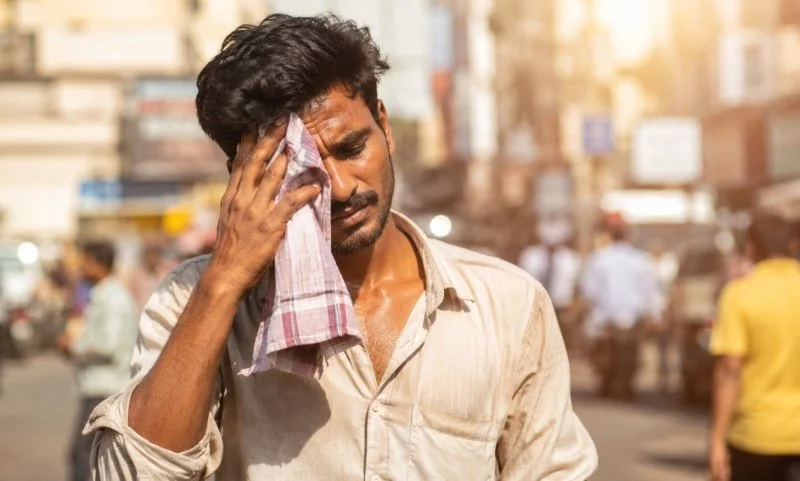
Why India’s Heat Crisis Falls Hardest on Dalits and Muslims
India’s caste system has long assigned the most physically exposed forms of labour to the communities least able to refuse them. That old arrangement has taken on new urgency as summer temperatures push past the limits of human endurance. Sections of the Muslim community also bear a disproportionate burden during heatwaves because of residential exclusion.

Heard of ‘Hindutva Pop’ Music? Report Maps How It’s Spreading Hate
A genre of Indian music, called “Hindutva pop,” or H-Pop, is being used to vilify and dehumanise Muslim and Christian minorities on four of the world’s largest digital platforms, according to a new report by the U.S.-based research group Center for the Study of Organized Hate (CSOH).

Work From Home, Not AI, Driving Rise in Graduate Unemployment: Study
While public discussion has increasingly focused on generative AI as the force threatening entry-level white-collar jobs, researchers now argue that a much older “technology”, remote work, offers a better explanation for what has happened since the pandemic. They say remote workplaces make it harder to train, supervise and mentor new employees, leading many employers to favour experienced hires instead.
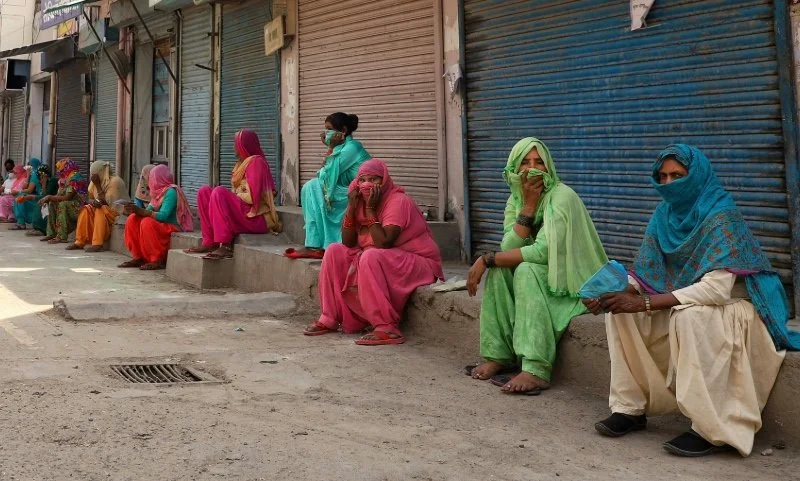
Women Skipped Meals for Days to Feed Their Families During Covid-19 Lockdown: Study
Women in economically precarious households in India went without food for days during Covid-19 lockdowns so children could eat and men could keep working, according to a new study based on interviews in Uttar Pradesh and Goa.