
From the Editor’s Desk
June 24, 2026
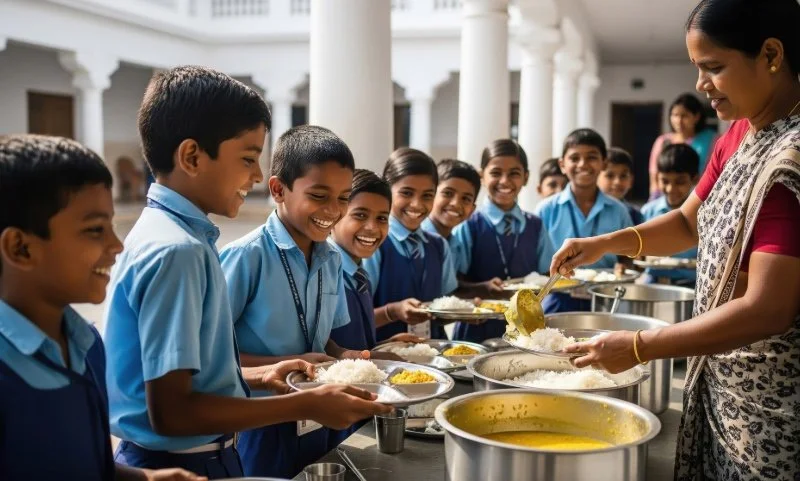
The West Bengal government has appointed the religious organisation ISKCON to provide mid-day meals in schools under the Kolkata Municipal Corporation area, replacing eggs with a strictly vegetarian menu that includes items such as paneer, rajma and soybeans, which also contain protein. However, will replacing eggs with a compulsory vegetarian menu improve, maintain or reduce actual nutrition among children from low-income households?
Eggs have long been regarded by nutritionists as one of the most efficient and cost-effective sources of high-quality protein. They contain all essential amino acids in forms that are highly bioavailable, meaning the body can absorb and use them easily. Eggs also provide vitamin B12, choline, vitamin D, selenium and other micronutrients that are often lacking in the diets of poor children.
In India, where child stunting, wasting and anaemia remain major concerns, many public health experts have supported the inclusion of eggs in school feeding programmes precisely because they are relatively cheap, familiar to most communities, easy to cook and widely accepted by children.
Paneer, rajma and soybeans are not identical substitutes. Rajma requires proper cooking and digestion can be difficult for some children. Paneer is nutritious but often more expensive and less commonly consumed among poorer households. And soy products can be valuable sources of protein but acceptance varies considerably.

A nutrition programme has to consider not only nutrient content but also cultural familiarity and consumption patterns. If children reject or partially eat the food, the theoretical nutritional value becomes irrelevant.
Several teachers noted that attendance tends to rise on days when eggs are served, as reported by The Telegraph. There is therefore a risk that the educational and nutritional objectives of the programme could both suffer.
There’s another public health concern. The ideal response to malnutrition is usually not to replace one nutritious food with another, but to expand dietary variety. Eggs, legumes, dairy products, vegetables and fruits each provide different nutrients. Removing a food category altogether may narrow rather than broaden nutritional intake. A child receiving rice, dal, vegetables and eggs is often receiving a more varied diet than a child receiving only vegetarian protein sources.
Even otherwise, public health interventions are generally expected to be guided by nutritional science, epidemiological evidence and population needs. The primary justification must not rest on the food preferences of the provider rather than demonstrated public health benefits.

Apart from nutrition, the move also raises questions about state neutrality, cultural pluralism and democratic governance.
India is an extraordinarily diverse society with varied religious, regional and dietary traditions. Therefore, public institutions should accommodate the diversity rather than favouring one particular conception of the good life.
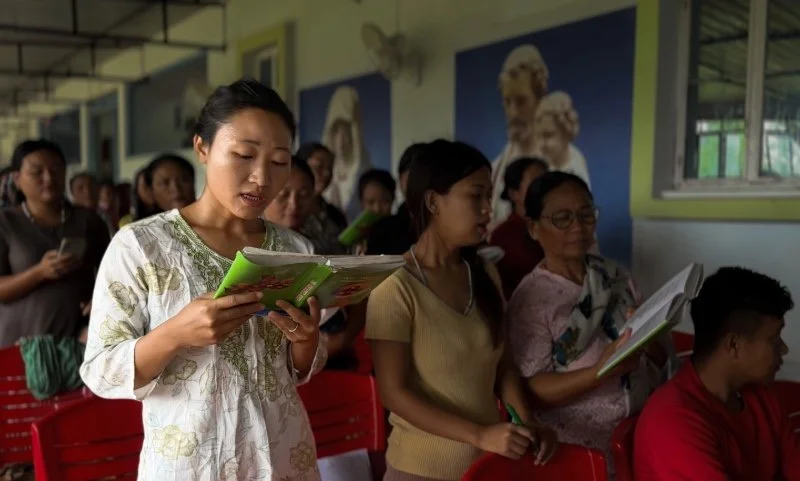
The mid-day meal scheme was designed as a welfare programme, and not as a vehicle for promoting any specific religious or cultural worldview. Entrusting food provision to a religious organisation is not inherently problematic if nutritional standards, transparency and public accountability are maintained. Faith-based organisations can provide valuable social services around the world. The concern is that the religious beliefs of the provider are directly influencing the menu offered to all beneficiaries, including those who do not share those beliefs.
Food is not merely a nutritional matter. It is often tied to culture, class, caste, region and religion. Attempts to standardise dietary practices can become symbols of larger struggles over cultural power. It appears that a vegetarian norm associated with certain religious traditions is being elevated into a public standard that applies to everyone, regardless of their own beliefs or customs.
You have just read a News Briefing, written by Newsreel Asia’s text editor, Vishal Arora, to cut through the noise and present a single story for the day that matters to you. We encourage you to read the News Briefing each day. Our objective is to help you become not just an informed citizen, but an engaged and responsible one.
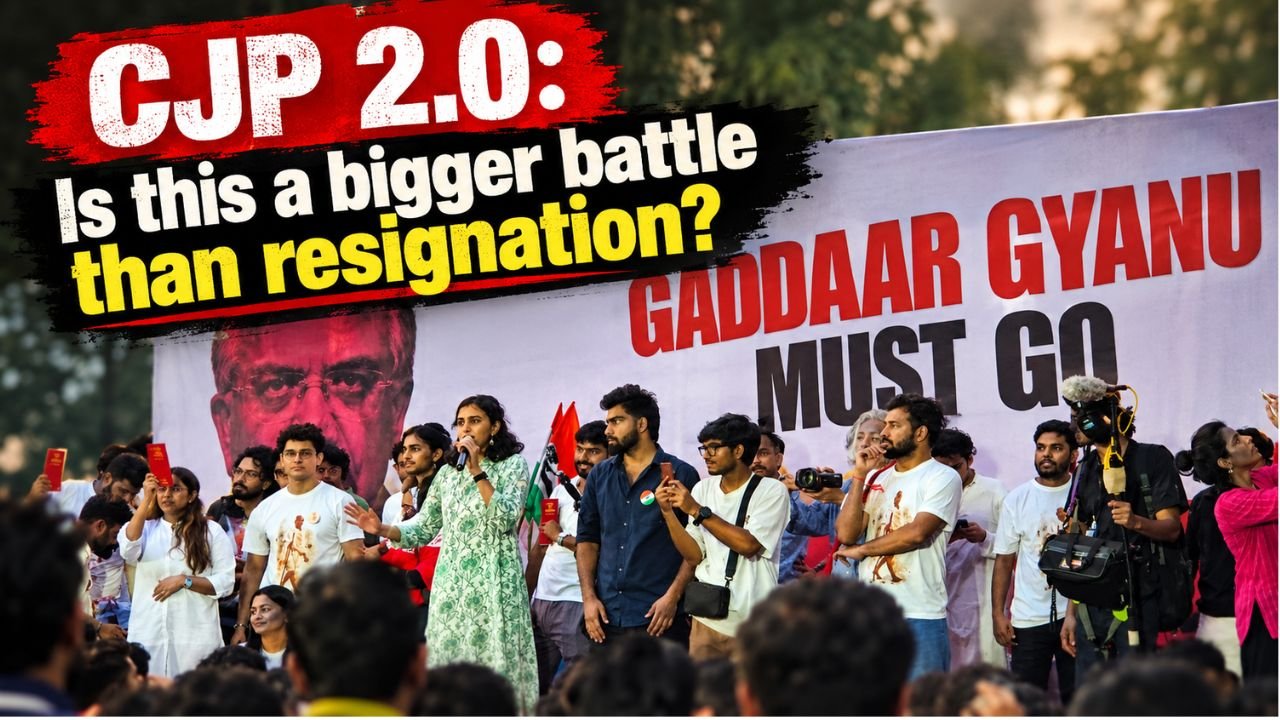
On October 12, opposition leaders, MPs, MLAs, student organisations and political workers came together in a massive march against Chief Election Commissioner Gyanesh Kumar, raising serious concerns over the Special Intensive Revision (SIR) of electoral rolls and the alleged mass deletion of voters’ names. The march brought together a broad coalition, including the INDIA bloc, AISA, SFI and other student unions, as part of a wider nationwide mobilisation against the SIR exercise and concerns surrounding electoral integrity.