
West Bengal’s Fight Against ‘Goondas’ Comes With a Democratic Risk
From the Editor’s Desk
July 2, 2026
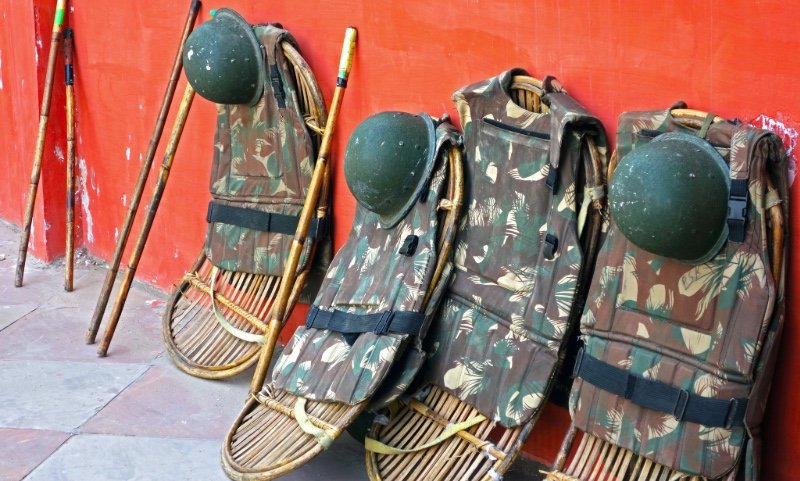
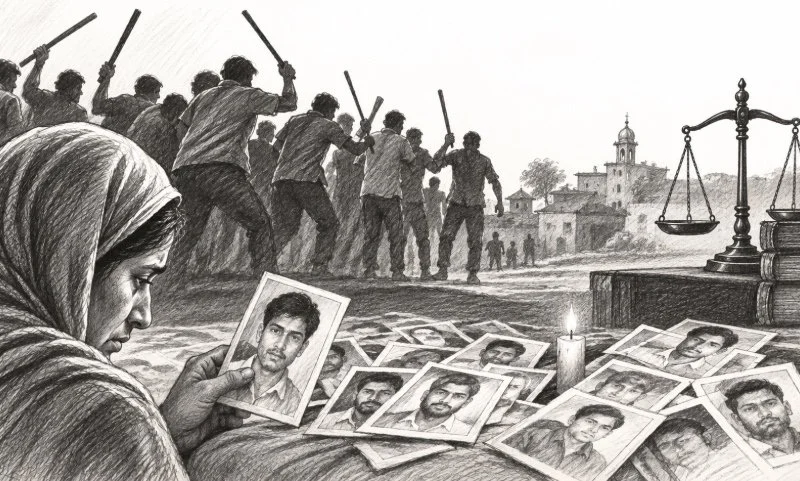
The West Bengal Assembly has passed two laws that allow authorities to place people identified as “goondas” (violent criminals, gang members or habitual offenders) in preventive detention for up to 12 months and confiscate their property to compensate victims of damage caused during public disorder. The move is causing concern that these laws could be used against political opponents, activists and protesters because of the broad powers they grant the government.
Controlling violent mobs, habitual criminals and people who destroy public property is not a bad move. The problem is who gets to decide who is a “goonda”? What safeguards exist against mistakes, bias or political misuse? And what happens if the state begins applying such labels not only to violent criminals but also to political opponents, activists, protesters or dissidents?
The most striking feature of the legislation is that it appears to give the state the power to identify people as “goondas” based on a broad and potentially vague definition, as reported by The Telegraph. The bill reportedly covers anyone who habitually commits, attempts, promotes, finances or facilitates “anti-social activities,” but does not clearly define what anti-social activities are.
In law, vagueness is one of the most serious dangers to liberty. Citizens can only regulate their behaviour if they know precisely what conduct is prohibited. A law that leaves key terms undefined creates room for interpretation, and interpretation may become a matter of power.
Normally, a person is arrested, tried and punished for a crime that has already been committed. Preventive detention works differently. It allows the government to detain someone not as punishment for a crime that has been proven in court, but because authorities believe the person may pose a threat to public order in the future.
The purpose is prevention rather than punishment. The preventive power has also been controversial, and is retained mostly for exceptional circumstances involving national security, terrorism or severe threats to public order. However, every expansion of preventive detention raises concerns because it shifts the balance away from due process and towards executive discretion. A detention of up to one year without a criminal conviction is a significant intrusion into personal liberty.

Further, the law contains a provision that prevents some detainees from hiring lawyers of their choice, raising another major concern. The right to legal representation is one of the most important protections citizens have against the power of the state. It is not difficult to see the problem with a system in which a person can be detained by the government and then be required to rely solely on government-provided legal aid to challenge that detention.
The political context in which these laws were introduced makes these concerns even more significant. During the Assembly debate, the government justified the legislation by referring to anti-CAA (Citizenship Amendment Act) protests, protests over remarks about Islam, attacks on police personnel and incidents of communal violence. The concern is that political protests and social movements often involve large crowds, strong emotions and occasional clashes. As a result, the line between a violent mob and a political movement is not always as clear or straightforward as governments may suggest.
The language of security can be persuasive because safety and public order are things most citizens want. However, governments in India and elsewhere have at times used concerns about security and public order to justify restrictions on the very freedoms that democratic systems are meant to protect.
Another notable feature is the power to confiscate and auction assets to recover compensation. On the surface, this can seem fair. If a person destroys property, why should taxpayers bear the cost? However, the critical issue is again procedural. Who determines responsibility? What standard of evidence is required? What opportunity exists to challenge the claim? Property rights are not just economic rights; they are also protections against arbitrary state power. A government that can seize property without robust safeguards possesses an extremely powerful instrument of coercion.

The chief minister’s assurance that innocent or respectable people will not be targeted may reassure only his supporters. For, constitutional systems are not built on trust in particular leaders. Even those who trust the chief minister should remember that these laws will remain in force long after his political career has ended. That is why democratic systems rely on rules and safeguards that continue to protect citizens regardless of who is in power. A core principle of constitutional government is that people should not have to depend on the goodwill of those who govern them. Rights exist precisely because governments change, leaders change and political circumstances change.
Moreover, democracies require governments not only to maintain order but also to protect the space for dissent, protest and political opposition. Excessive disorder can weaken democracy, but so can excessive state power. The challenge is to maintain a balance between authority and liberty. That balance is one of the defining responsibilities of a mature and responsible government.
You have just read a News Briefing, written by Newsreel Asia’s text editor, Vishal Arora, to cut through the noise and present a single story for the day that matters to you. We encourage you to read the News Briefing each day. Our objective is to help you become not just an informed citizen, but an engaged and responsible one.
What happened in Mumbai on October 2 may have been only one day of protest, but the issues behind it are unlikely to disappear with the dispersal of the crowd. The protest was centred around concerns over the Election Commission, electoral rolls and the Special Intensive Revision (SIR) exercise, with protesters demanding accountability from Chief Election Commissioner Gyanesh Kumar. At the same time, similar mobilisation has been taking place across different parts of the country, with student groups, Opposition parties and civil society organisations raising concerns over the electoral process. Newsreel Asia spent the day at Mumbai Protest capturing the preparations, the police presence, conversations with protesters, the atmosphere on the streets and how the day unfolded. The speech of Cockroach Janta Party's leaders and sentiment of protestors seemed larger than the concerns regarding the electoral process. Will this lead to something bigger?