
From the Editor’s Desk
July 15, 2026
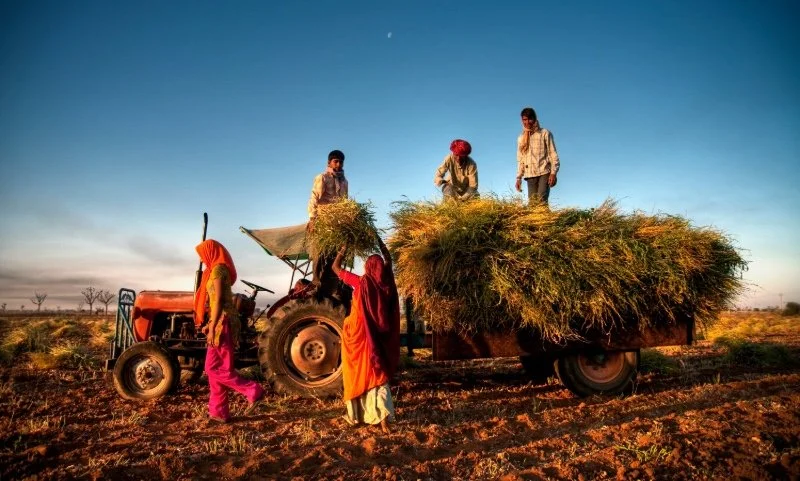
Farmers in Punjab and Haryana have been protesting against a proposed bilateral trade agreement between India and the United States. They are concerned that opening India’s agricultural market further to American products could place millions of Indian farmers at a serious disadvantage because the two agricultural systems are very different in size, costs and government support.
Most recently, farmer unions held a motorcycle rally on July 13 in Chandigarh to register their protest, as reported by The Tribune. Farmers and workers have previously held rallies, public meetings and sit-in demonstrations in Punjab, Haryana, Delhi, Rajasthan, Uttar Pradesh, Madhya Pradesh and other states, with 28 locations in 21 districts in Punjab alone.
India and the U.S. have been negotiating a Bilateral Trade Agreement for more than a year with the aim of expanding trade between the two countries. One of the issues under discussion is whether India should reduce import duties on a range of American products in return for better access for Indian exports to the U.S. market.
Agriculture has become one of the most sensitive parts of these negotiations. Although the government says it will not compromise on the interests of farmers or open highly sensitive sectors such as wheat, rice, maize and dairy, farmer organisations remain sceptical because the final agreement has not yet been made public.
The biggest concern is competition from American agriculture. Farming in the U.S. is generally carried out on a much larger scale and with more highly mechanised equipment than in India. American farms also receive substantial financial support from the U.S. government through subsidies, crop insurance and other programmes.
Indian agriculture is almost the opposite. According to government data, more than 85% of Indian farmers own less than two hectares of land. Their production costs are relatively high, their bargaining power is limited and many depend on government support prices or local markets for their livelihoods. Farmer organisations argue that asking these two systems to compete on equal terms would not be a level contest.
Farmer groups fear that if tariffs are reduced, cheaper American agricultural products could enter India in larger quantities. Farmer leaders have warned that duty-free imports of wheat, pulses, edible oils, rice, vegetables, fruits and other products from the U.S. would devastate Indian agriculture along with the dairy, poultry, livestock and fisheries sectors. Previous reports on the negotiations have also referred to American interest in exporting soybean oil, animal feed ingredients, sorghum, tree nuts and processed fruit to India.

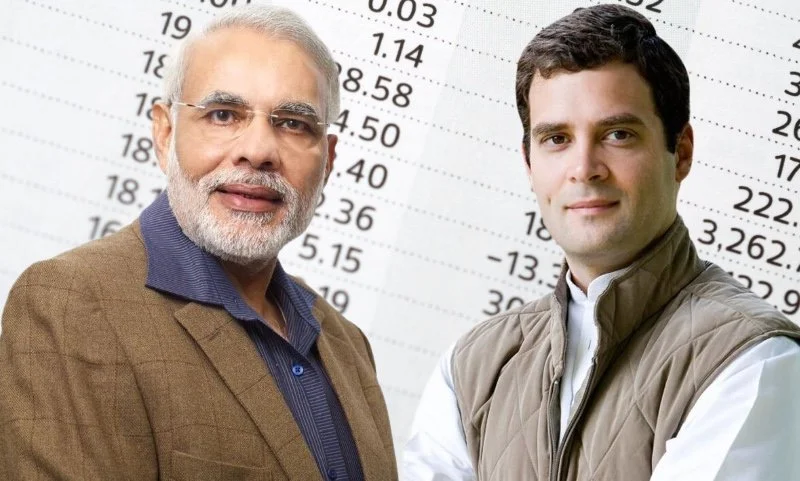
If these imports become cheaper because import duties are lowered, Indian traders may buy more imported products instead of those produced by Indian farmers. That could push down prices received by Indian farmers and reduce their incomes.
These economic objections come amid existing complaints farmers have raised. In Punjab, union leaders have voiced concern about a falling water table and the strain that climate change places on cultivation. They have also protested against recent increases in the prices of petrol, diesel and cooking gas, a shortage of urea fertiliser, and proposed legislation including the Seeds Bill 2025 and an Electricity Amendment Bill, all of which they regard as adding to the financial burden on rural households.
You have just read a News Briefing, written by Newsreel Asia’s text editor, Vishal Arora, to cut through the noise and present a single story for the day that matters to you. We encourage you to read the News Briefing each day. Our objective is to help you become not just an informed citizen, but an engaged and responsible one.


Hundreds of protesters gathered at Bangla Sahib in Delhi at 1 PM on October 23 for a protest called by People Against SIR, a collective of over 100 organisations mobilising against the Election Commission of India’s Special Intensive Revision (SIR) of electoral rolls across the country. Along with detentions and use of force, security personnels are using another tactic - blowing whistles to silence the voices.