
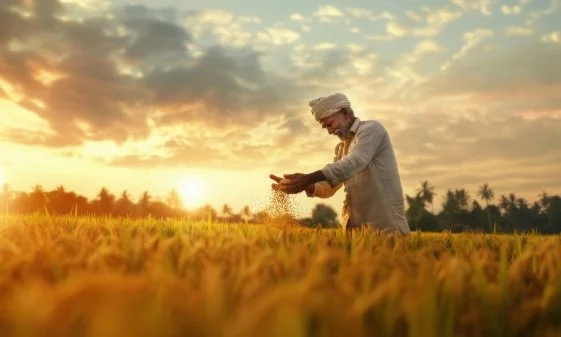
India’s Soil Is Sick, and So Is the Food on Your Plate: New Study
Most of the food we eat comes from the soil. But across India, the soil is badly damaged and missing key nutrients that crops need to grow well and carry the minerals our bodies depend on, a new report says. As a result, you can eat a full plate of food and still not get the nourishment you need.
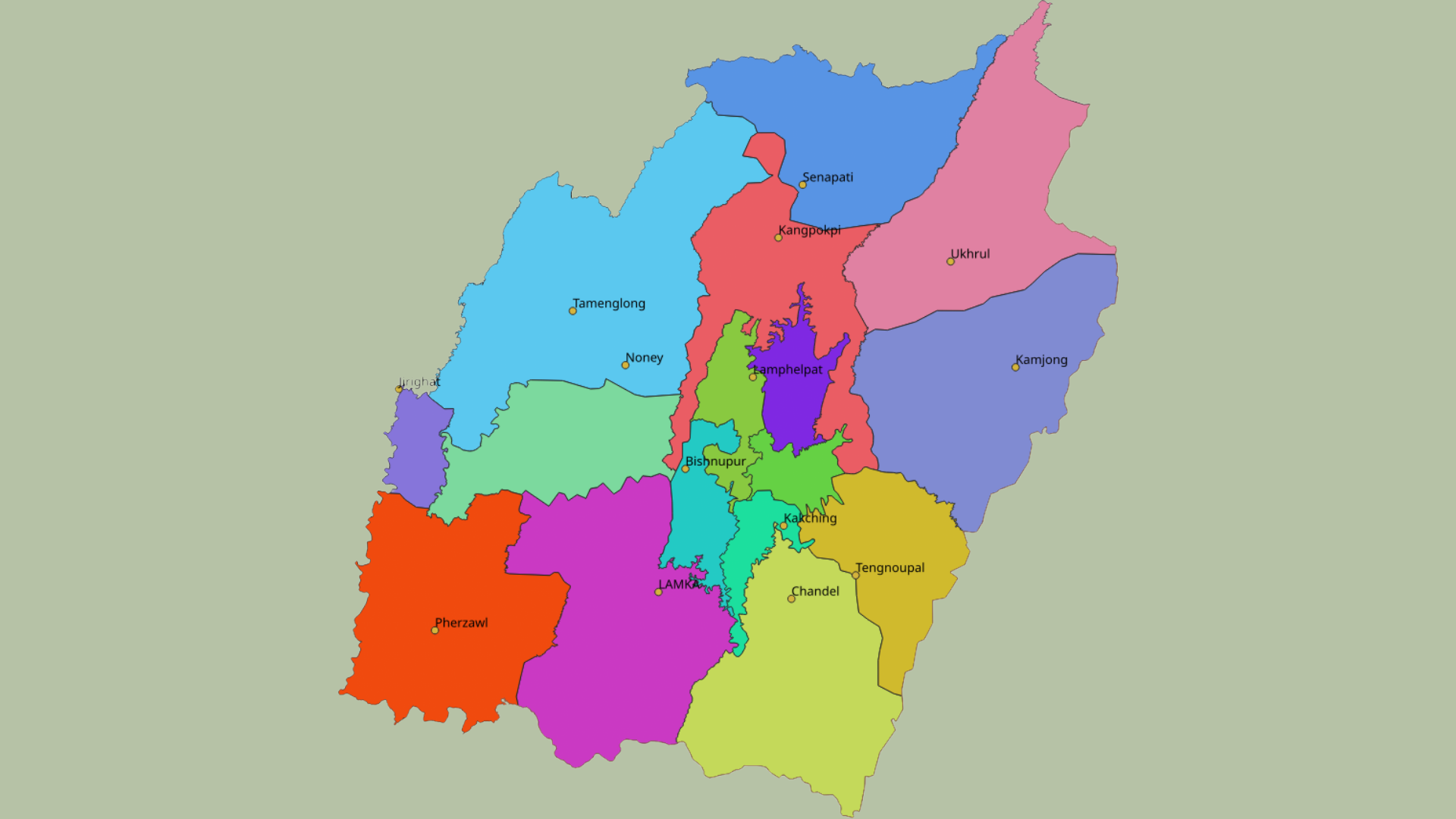
On Manipur’s New ‘Phantom’ Government
Manipur now has a new government, which on paper, signals the return of democratic rule after a one-year spell of President’s Rule. But in reality, the state remains deeply divided and only partially governed, with large sections of the population still excluded from its reach since a deadly and prolonged wave of violence began on May 3, 2023. The situation calls to mind the idea of a “phantom government,” a structure that holds office but cannot carry out the basic functions of governance.

Why a Former Army Chief’s Book Has Caused a Furore
India’s former army chief, General M.M. Naravane, has alleged in an unpublished memoir that political leaders failed to give the army clear operational directions during the 2020 border crisis with China. The allegation, brought to public attention by opposition leader Rahul Gandhi in parliament, is serious because it raises questions about civilian command responsibility in military engagements, and whether India’s highest political office abdicated its role during a critical national security moment.

Another Fuel Switch Issue on Air India Boeing 787, Still Departs on 10-Hour Flight
An Air India Boeing 787-8 aircraft departed from London and completed a 10-hour flight to Bengaluru despite the pilot encountering a fuel control switch malfunction during engine start. This indicates a decision was made to proceed with a long-haul international flight even after a critical cockpit control exhibited abnormal behaviour before takeoff, and less than a year after a Boeing 787 Dreamliner crash near Ahmedabad caused by a similar issue.
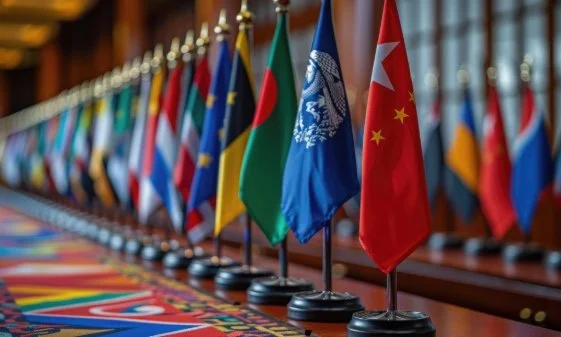
Indian Media’s Focus on Epstein’s Sex Crimes Misses the Larger Issue
The Indian media has responded to the Epstein email by focusing on his status as a sex crimes convict, framing the issue largely in moral terms. But this misses the real concern raised by the wealthy American financier’s claim that India’s Prime Minister followed his advice in visiting Israel to strengthen ties with the United States. Suppose, for a moment, Epstein had never been convicted of any crime. Would the assertion still trouble us?

A Political Science View of Assam CM’s Threat Against Activist Harsh Mander
Assam Chief Minister Himanta Biswa Sarma has threatened to file “at least 100 cases” against activist Harsh Mander after Mander lodged a legal complaint accusing him of hate speech against Bengali Muslims. The threat suggests that Sarma sees legal action as a means to settle political scores rather than address genuine legal concerns.

What the Epstein Files Say About India, and Why the Opposition Wants Answers
The U.S. government recently released files related to Jeffrey Epstein, a wealthy American financier who cultivated relationships with heads of government, senior politicians, intelligence linked figures and influential academics across countries. The data includes a 2017 email that claims India’s Prime Minister followed Epstein’s advice in visiting Israel to strengthen ties with the United States.
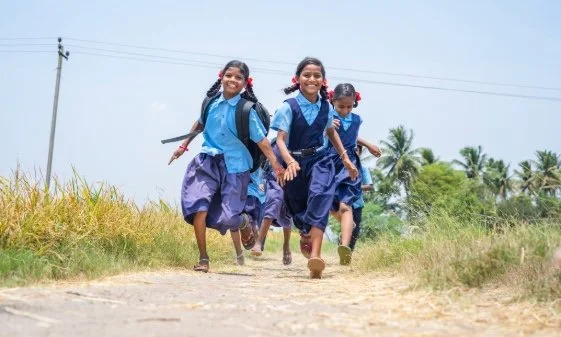
Supreme Court Affirms Menstrual Health as Part of Right to Life
Adolescent girls in many parts of India miss several days of school each month during their periods due to lack of sanitary products, inadequate toilets and fear of public embarrassment. In response to this widespread exclusion, the Supreme Court of India has ruled that access to menstrual health is part of the fundamental right to life under Article 21 of the Constitution. The ruling affirms that denying girls the means to manage their periods in school violates their right to live with dignity, safety and equal opportunity.
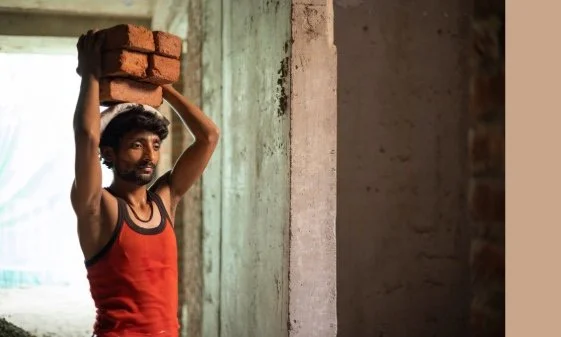
Economic Survey: Despite Growth, Most Indians Live With Job Insecurity
The Economic Survey 2025-26, released on January 29, presents an economy that appears strong in headline numbers, yet several of its findings raise concern for everyday life, with direct effects on households through jobs, incomes, prices, security and access to public support.

Why India’s Charter Aviation Rules Need Urgent Institutional Reform
A fatal plane crash near Baramati on January 28 killed Maharashtra’s Deputy Chief Minister Ajit Pawar and four others during a chartered flight operated by a private aviation company. The incident demands an examination of whether India’s aviation system contains the structural safeguards found in more developed regulatory environments.
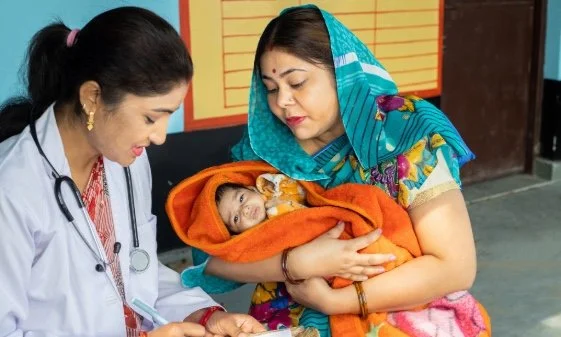
Government’s Low Healthcare Spending Leads to Structural Injustice, Study Shows
A new study, which analysed healthcare spending in India from 1991 to 2023, has shown that when the government spends less on healthcare, families are forced to cover more of their medical costs on their own, often pushing them into debt or leading them to delay or skip treatment. This means every funding decision by the government directly affects whether healthcare becomes more accessible or turns into a financial burden for the majority of the citizens.

Manipur: Kuki-Zo Groups Denounce Shaurya Chakra Award to CRPF Officer
A Kuki-Zo tribal group has condemned the Indian government’s conferment of the Shaurya Chakra to a Central Reserve Police Force (CRPF) officer allegedly involved in the November 2024 killing of 10 civilians in Manipur, calling it a “state endorsement of the extrajudicial killing.”

Which Article in the Indian Constitution Defines Good Governance?
Every party or coalition that comes to power brings its own definition of “good governance.” And each version reflects a political ideology. But in doing so, they shift attention away from the basic and non-negotiable duties a government owes its citizens – the duties written into the Constitution. There is one article, and sadly we seldom talk about it, that defines with precision the constitutional instruction on what governance must achieve.
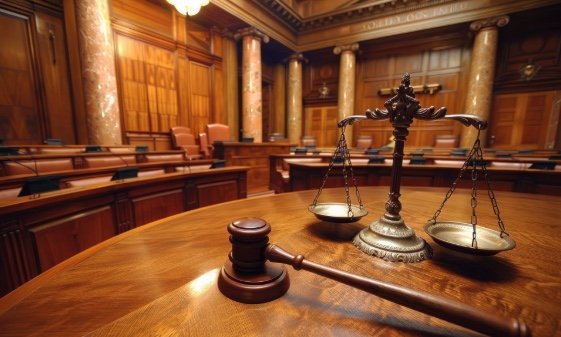
Supreme Court Judge: Only Courts Should Decide Judge Transfers, Not Government
A sitting judge of the Supreme Court of India, Justice Ujjal Bhuyan, has publicly stated that the transfer of judges is solely an internal matter of the judiciary and that government involvement in such decisions is constitutionally impermissible. His statement a recent instance in which the Supreme Court collegium, the body responsible for judicial appointments and transfers, formally recorded that a transfer had occurred at the executive’s request.

The Spread of Nipah Virus in India: Should You Be Concerned?
Doctors in eastern India have identified at least five people infected with Nipah virus cases, including doctors and nurses, and nearly one hundred others have been told to isolate themselves at home. One patient is reported to be in critical condition. For many, this raises a basic but serious question, what is this virus, and should they be worried? The short answer is that panic is not necessary, but paying attention is.
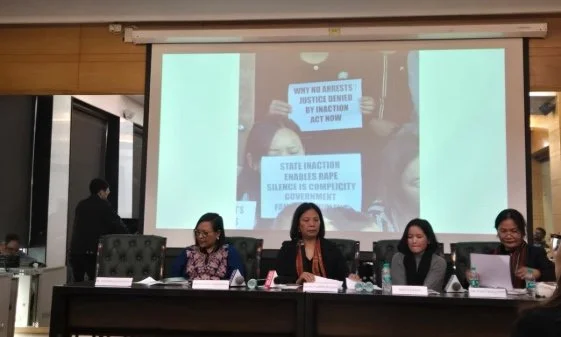
Kuki-Zo Woman Survived the Violence, but Not the Wait for Justice
Abducted and gang-raped at the age of 18 during the early days of violence in Manipur, a Kuki-Zo woman died waiting for justice on January 10, 2026, in a hospital in Guwahati, more than 500 kilometres away. Her death has triggered renewed outrage and demands for accountability and structural overhaul in Manipur’s administration.

City Noise in India Is Putting Public Health at Serious Risk
India’s cities are growing louder in ways that endanger public health. New findings confirm that this environmental stressor affects both body and mind, yet monitoring remains inconsistent and enforcement weak.
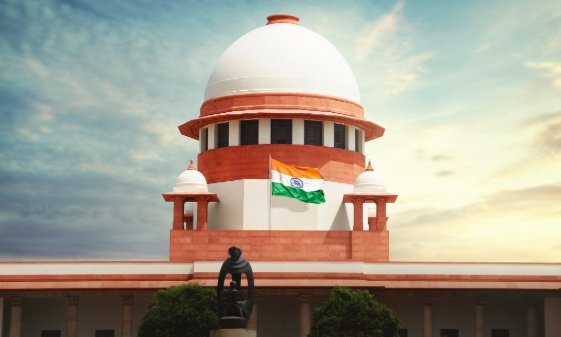
States Can Now Prosecute Central Officials for Corruption, Says Supreme Court
The Supreme Court of India has ruled that state governments have full legal authority to prosecute central government officials for corruption through their own police forces or Anti-Corruption Bureaus (ACBs), without needing any permission or involvement from the Central Bureau of Investigation (CBI). This is a welcome development for state governments, especially those run by opposition parties, and for citizens, because it strengthens legal accountability and curbs the Centre’s ability to delay or block investigations by claiming that only central agencies can act.

How India Ranks in Quality of Life in 2026
India is ranked 63rd out of 89 countries in the 2026 Quality of Life Index, with a total score of 122.3 which is below the global average. The rankings are based on multiple measurable factors that affect daily life, including cost of living, healthcare, traffic, pollution, property prices, safety and purchasing power.
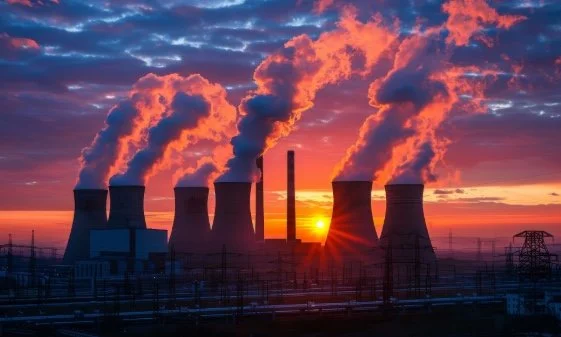
India Could Save $170 Billion by Closing Coal Power Plants Early
India could save about $170 billion (14.1 lakh crore rupees) by retiring its coal-fired power plants earlier than scheduled, according to a new study, which adds that cutting emissions can also improve public health and economic efficiency within India’s current energy system.