
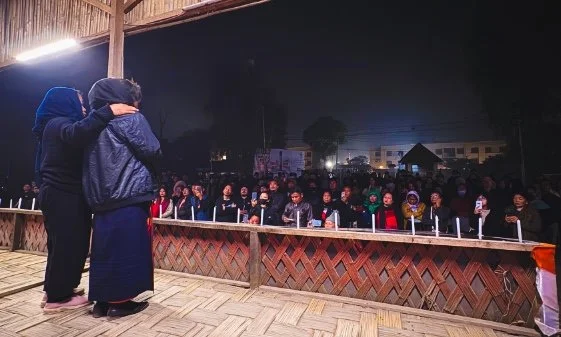
Manipur Rape Survivor Dies After 20 Months in Trauma Care; Mother Pleads for Justice
A 20-year-old Kuki-Zo tribal woman who was abducted, gang-raped and left for dead during the early days of the ethnic violence in Manipur died on January 10 from medical complications caused by the injuries she suffered nearly 20 months earlier. Her mother, speaking to Newsreel Asia, said all she wants now is justice for the heinous crime.
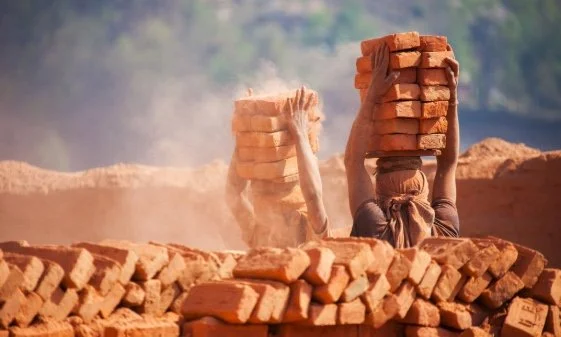
Dignity of Labour in India Must Mean Justice
In India, the idea of dignity of labour is missing in large part due to the caste system. While some discussion has begun, much of it centres on showing respect to workers or speaking favourably about their occupations. This limited framing can mask deeper issues of discrimination, exclusion and injustice. It does little to uphold the dignity of either the worker or the work.
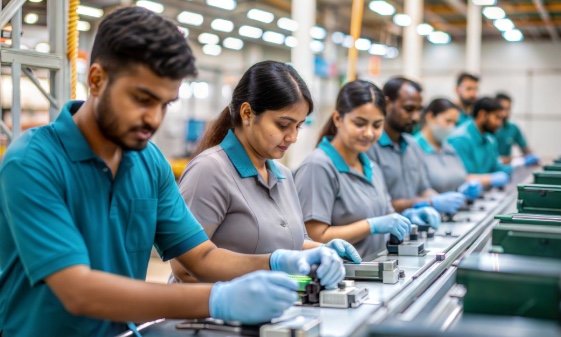
Jobs Are Growing in South Asia, but Not the Quality of Work, ILO Data Suggests
Is India’s workforce growing, but without a matching rise in job quality? The International Labour Organization’s World Employment and Social Outlook: Trends 2026 report shows that in Southern Asia, where India is a key contributor to regional trends, employment growth is concentrated in informal, insecure and low paid work. This means millions are working more but still not earning enough or building stable futures.
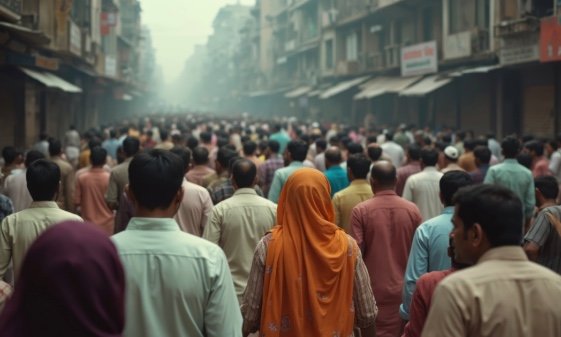
India Averaged Over 3 Hate Speech Events Per Day in 2025, Says Report
In 2025, India recorded 1,318 in-person hate speech events, averaging more than three per day and overwhelmingly led by Hindu nationalist groups and political actors affiliated with the ruling Bharatiya Janata Party, according to a report by the India Hate Lab. The report supports the inference that a political choice is behind the sustained scale of public incitement, which undermines both the rule of law and the idea of equal citizenship.

India’s New Labour Codes Have Dismantled Legal Protections for Journalists
The central government has brought into force the Occupational Safety, Health and Working Conditions Code, 2020, repealing the two special laws that had governed the service conditions and wages of working journalists since 1955. The change marks a retreat from the idea that journalism requires tailored labour protection and replaces it with a generic framework that weakens the professional security of the press.

What Actually Works in Today’s Job Market? A Guide for Young Professionals
A software engineer, Marmik Patel, applied to hundreds of jobs without success before changing his approach. By building products and networking in person, he eventually drew interest from over 80 recruiters, he shared on X. Does this suggest that traditional methods like mass online applications are no longer effective in competitive markets where access to opportunity is unevenly distributed?
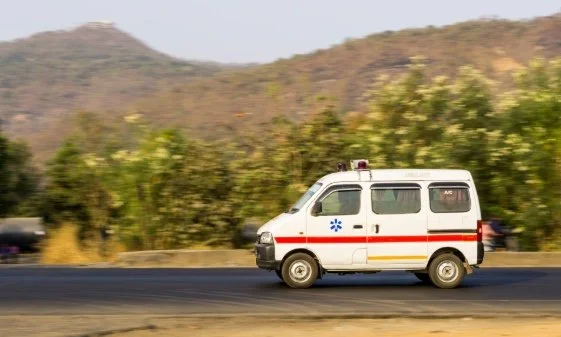
Most Indians Die Without the State Verifying a Medical Cause
Nearly 78 percent of all deaths in India occur without any verified medical cause, according to a new report. The state does not know and does not even try to confirm what killed the vast majority of its citizens. The absence of basic data cripples the country’s ability to identify disease patterns, plan healthcare services, or respond to emerging threats.
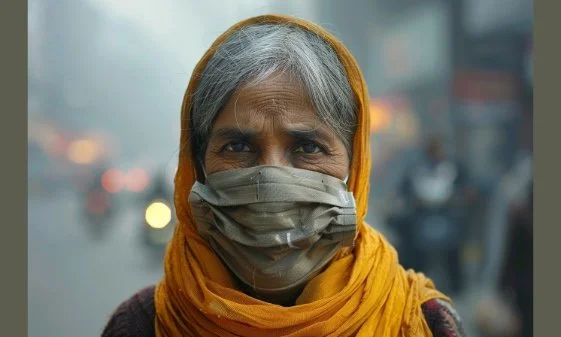
Toxic Air Chokes Most Indian Cities, Not Just Delhi
A new report shows that the majority of Indian cities are recording levels of air pollution far above the national safe standards. This shows that toxic air has become a daily reality across the country, while policies continue to misread the causes and fall short in delivering effective responses.

New Policy Risks Forest Clearing Being Counted as a Green Activity
The Union environment ministry has issued a directive allowing both private and government entities to lease forest land for afforestation and timber projects without paying the environmental compensation charges that were meant to discourage ecological loss. While afforestation can help restore damaged ecosystems when done with native species, it can also involve commercial plantations that offer little ecological value. The new policy risks treating forest clearing as an environmental contribution, even when it replaces complex ecosystems with single-species plantations.

Just One North Indian City Among India’s Top 10 for Women
Just one city from North India features in the list of the country’s top 10 cities for women, according to a new nationwide index assessing inclusivity and career opportunities. The remaining nine are all located in the southern, western and eastern regions of the country.
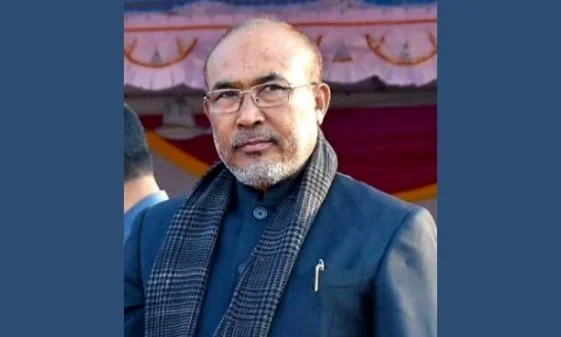
Supreme Court Orders Full Forensic Test of ‘Manipur Tapes’ on CM Biren Singh
The Supreme Court has directed the Manipur government to send the full 48-minute audio recording, allegedly featuring former chief minister Biren Singh discussing his role in the 2023 ethnic violence, to the National Forensic Science Laboratory (NFSL) in Gujarat for voice analysis and authentication. The violence left over 250 people dead, displaced tens of thousands, and areas inhabited by the Kuki-Zo tribes remain cut off from Meitei-dominated regions to this day.
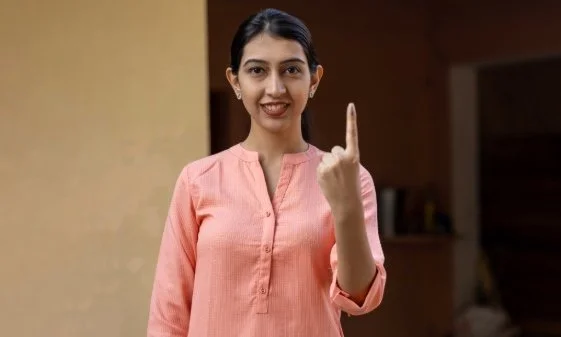
If Millions of Indians Can’t Vote Now, Why Were They on the Rolls Before?
India’s Election Commission (EC) has deleted over 1.2 million names from electoral rolls in just two districts of Uttar Pradesh as part of its “Special Intensive Revision” (SIR) exercise. Some deletions may involve Absent, Shifted or Deceased cases, but such entries cannot explain the removal of over a quarter of the electorate. One is, therefore, left to ask whether the Commission has any explanation beyond the two clear possibilities, that these voters were either wrongly included in the past or are wrongly excluded now. Both reflect poorly on the institution.
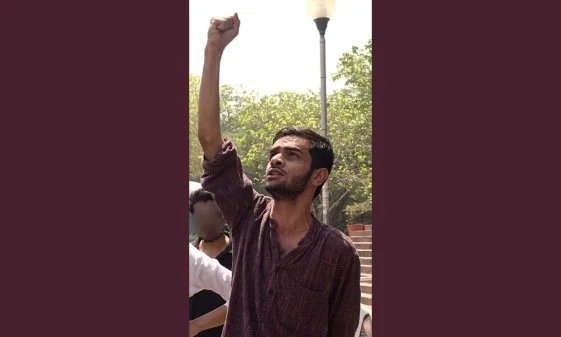
Why the Supreme Court’s Bail Ruling in the Delhi Riots Case Raises Legal Concerns
The Supreme Court has granted bail to five people accused in the 2020 Delhi riots case but refused bail to two, Umar Khalid and Sharjeel Imam. The court said these two played a more central or “higher” role in the events leading to the violence, and based on that, should remain in jail. But this distinction, between so-called leaders and others, is deeply concerning, as it assigns degrees of guilt before a trial has even begun.

India’s Football Breakdown: Why John Abraham Said ‘Shame on Us’
India’s top footballers have publicly appealed to FIFA, warning that the sport in the country is facing “permanent paralysis” due to a failure of basic administration. Actor and football club co-owner John Abraham responded to the players’ appeal with a blunt message: “Shame on us... this is what we have come to.” Their words point to the collapse of a national system that, despite widespread public interest in football, still cannot provide Indian players with stable competitions, professional security or a functioning league.
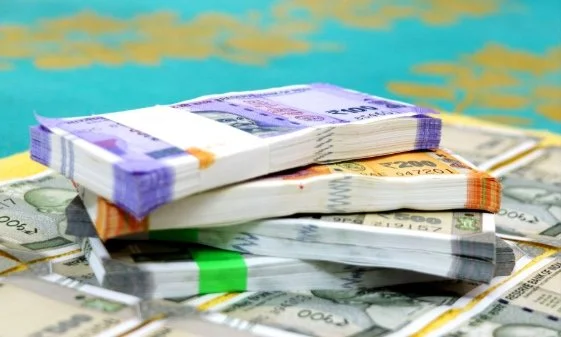
What to Expect as States’ Debt Rises to Record Levels
Indian states are likely to borrow an unprecedented 5 trillion rupees between January and March 2026 to meet their routine government spending, the largest amount ever raised by state governments in a single quarter in India’s history, according to the Reserve Bank of India (RBI). This record debt may push up interest rates on home and business loans, delay government-funded work like school repairs, road construction and public healthcare, and leave less money for job schemes, rural wages and welfare payments.
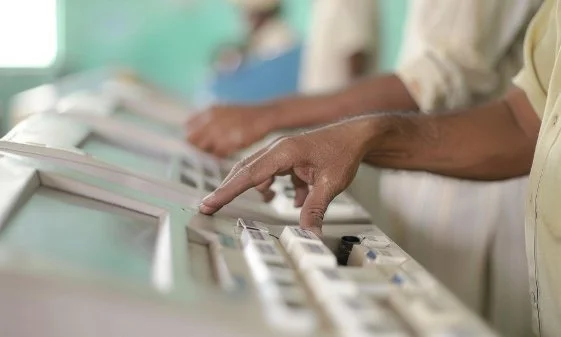
What’s Wrong When Parties Win an Election Before Voting Even Begins in Maharashtra
The ruling Mahayuti alliance in Maharashtra has reportedly secured 68 of 69 municipal corporation seats without a vote being cast, as rival candidates withdrew en masse before polling. The development warrants serious concern, as one is left to ask whether intimidation, coercion, or inducement may have effectively replaced voter choice in these constituencies. It also raises the possibility of behind-the-scenes arrangements between contesting parties to prevent electoral competition. Either scenario undermines the central democratic principle of competitive elections.
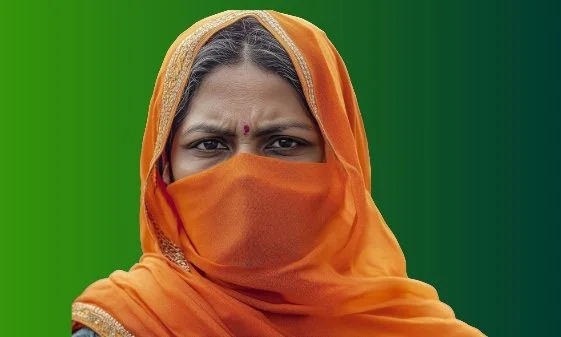
Behind the Growing Attacks on Hindus in Bangladesh
A Hindu businessman was attacked by a mob in Bangladesh’s Shariatpur district on 31 December 2025. He was beaten with sharp weapons, doused in petrol and set on fire. This was the third such attack in a month, part of a larger pattern of violence against religious minorities since the fall of the previous government. The incident shows that the interim administration has failed to enforce the rule of law in cases involving political or communal violence. That failure has left the country’s transition in a dangerously exposed state.
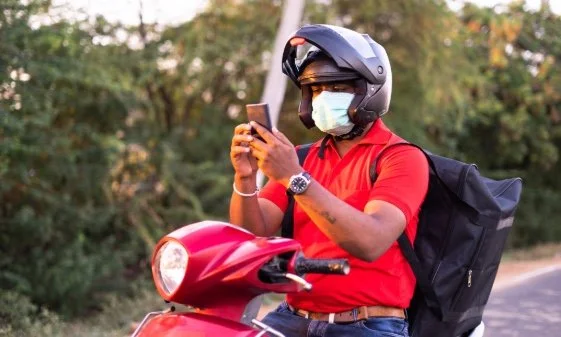
What We Can Do to Resist Gig Worker Exploitation
Hundreds of thousands of gig workers across India logged out of the apps they work for, staging a coordinated strike to demand better wages, safety and dignity from their employers. But the focus now shifts to us, the customers. These platforms, like Swiggy, Zomato, Blinkit and Amazon, operate because we use them. So what could we do, as consumers, to support the workers who bring us our food, groceries and parcels?
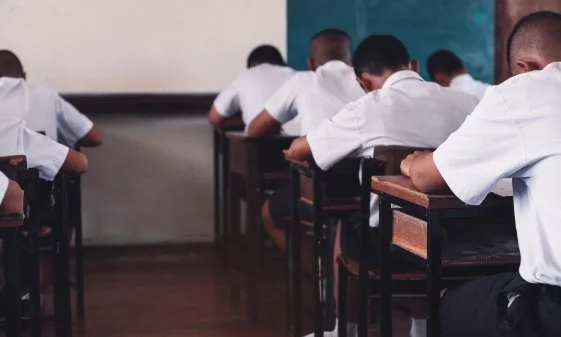
Do Teachers and Parents Really Understand What Students Go Through in School?
A new survey has revealed a consistent gap between what students across high fee private schools experience and what teachers and parents believe is happening inside classrooms and beyond. This suggests that decisions about teaching, discipline, technology use and wellbeing are being influenced by adult assumptions rather than student reality, which risks deepening stress, weakening trust and leaving schools poorly prepared for the social and technological world students already inhabit.

Biggest Ever Exit by Foreign Investors Hits Indian Markets, Here’s Why It Matters
Foreign investors pulled out a record 1.6 trillion rupees, or 18 billion dollars, from the Indian stock market in 2025, even though share prices kept rising, according to a report. This suggests that global investors see Indian stocks as overvalued and expect weaker profits ahead, which can reduce foreign capital, slow job growth, weaken the rupee and raise everyday prices.