
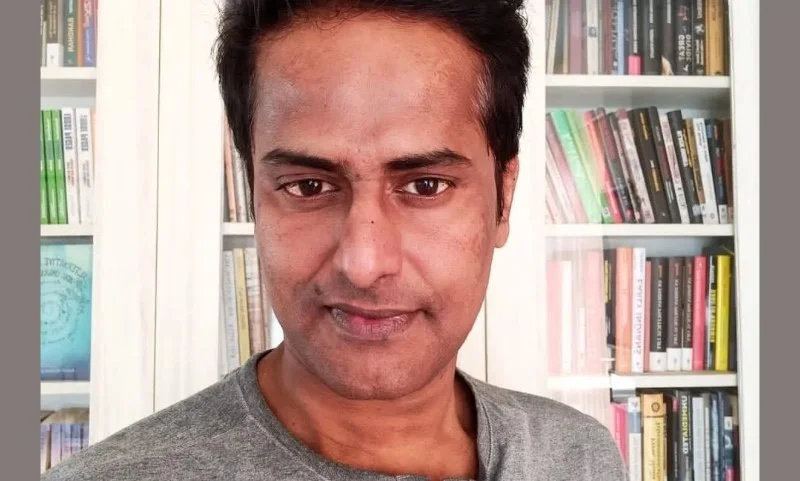
Why Journalist Ravi Nair’s Imprisonment in Defamation Case Is Concerning
Independent investigative journalist Ravi Nair has been in jail since September 17 over a criminal defamation case brought by Adani Enterprises. A court had found him guilty but he had appealed that decision and was allowed to remain free while the appeal was heard. After he missed a hearing, the court issued a warrant for his arrest. Nair went to court to ask for the warrant to be cancelled and was sent to jail instead. The concern is that a single missed hearing has cost him his freedom before the court has decided his appeal.
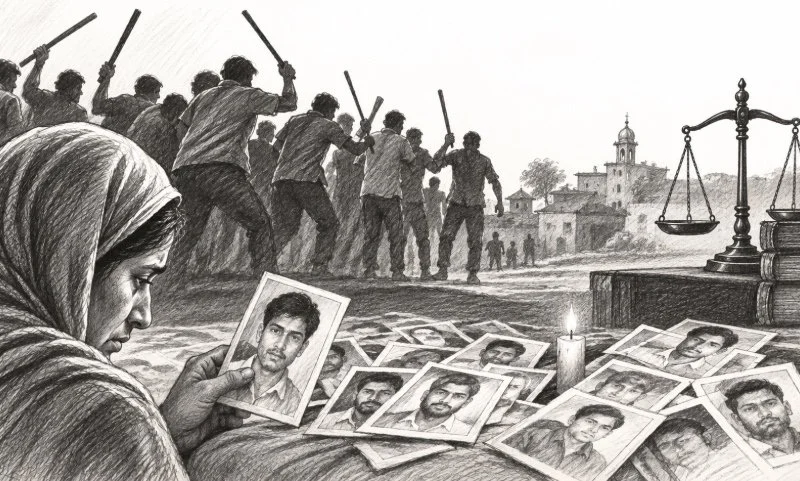
A New Book Offers an Anatomy of a Decade of Lynching
In the United States, the word “lynching” became associated with the public killing of African Americans by white mobs, where violence was used not only to kill individuals but also to intimidate an entire community. India has its own long history of mob violence, communal killings and caste violence, but the word acquired renewed prominence in public discourse during the last decade as killings involving Muslim men, cattle allegations, religious identity and other accusations began appearing with greater frequency in news reports.
India’s 7.8 Percent GDP Growth Means Little Unless People Feel It in Their Own Lives
The government has announced that India’s inflation-adjusted GDP grew by 7.8 percent during April to June 2026 compared with the same three months a year earlier. Prime Minister Narendra Modi celebrated the figure in a video message and urged citizens to support the economy by avoiding foreign travel, buying less gold and holding weddings in India rather than overseas. But the apparent expectation that most citizens would also celebrate the figure and congratulate the government confuses vicarious, or symbolic, satisfaction in the country’s economic performance with an improvement people can see in their incomes, expenses and living conditions.
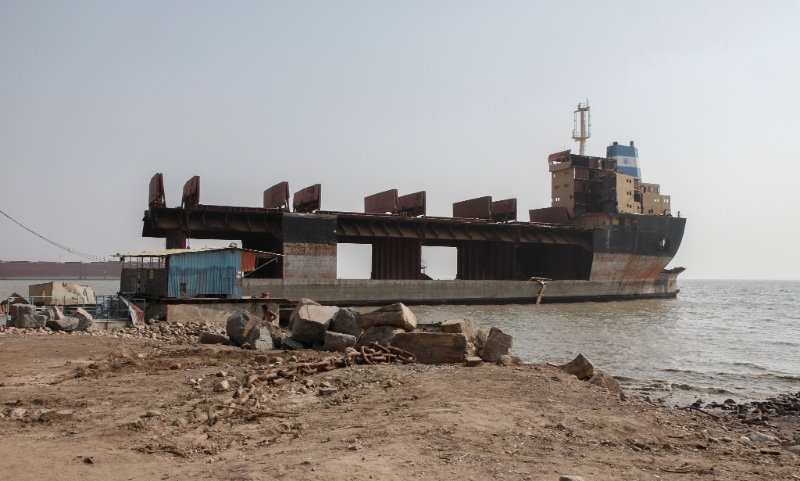
More European Ships Could Head to India for Scrapping, Raising Safety and Pollution Risks
India could be facing a much larger influx of old European ships being dismantled on its beaches in the coming years, exposing Indian workers and coastal environments to the hazards of an industrial practice that Europe itself does not permit, according to a new report.

Bank Accounts Aren’t Enough to Bring Women Into India’s Gig Economy, ILO Warns
Owning a bank account is not enough to bring women fully into India’s gig and platform economy, a policy brief by the International Labor Organization and the National Council of Applied Economic Research said. Nearly all Indian women now have a bank account, but most still can’t use one on their own, few understand the loans and insurance sold to them, and the financial products themselves are built for how men earn, not how women do.
Anti-Conversion Laws Are a Question of Citizens’ Rights and Freedoms
Maharashtra becoming the 13th state to enact an anti-conversion law once again raises a legal question that goes further than the protection of Christian and Muslim minorities, as the issue is often portrayed. Laws regulating conversion from one religion to another should be assessed by how they affect every citizen’s freedom of conscience and religious expression, rather than by which religious community they appear to protect or threaten.
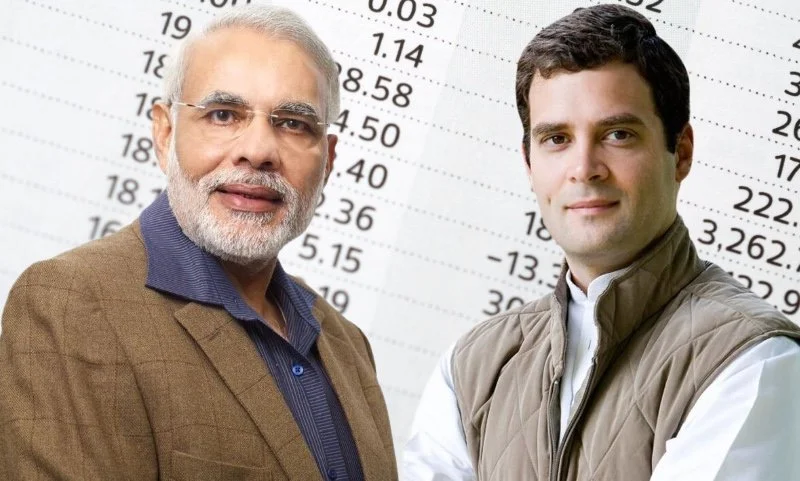
Questions Over India Today Poll Presenting Modi as Still Popular After Youth Protests
The latest India Today-CVoter Mood of the Nation (MOTN) poll records a considerable fall in support for Prime Minister Narendra Modi and the Bharatiya Janata Party, despite relying largely on interviews conducted before the Cockroach Janta Party (CJP)-initiated protests at Delhi’s Jantar Mantar grew into a nationwide movement demanding accountability. However, India Today and sister organisation Aaj Tak presented it mainly as evidence that Modi remains popular and the NDA would retain power.

India Fared Worse on Governance and Per-Capita Income Than It Would Have Without Modi, Study Says
Governance in India weakened, and economic growth fell short of what a comparable country might have achieved during the decade in which Narendra Modi and the Bharatiya Janata Party (BJP) governed the country, according to a new study.
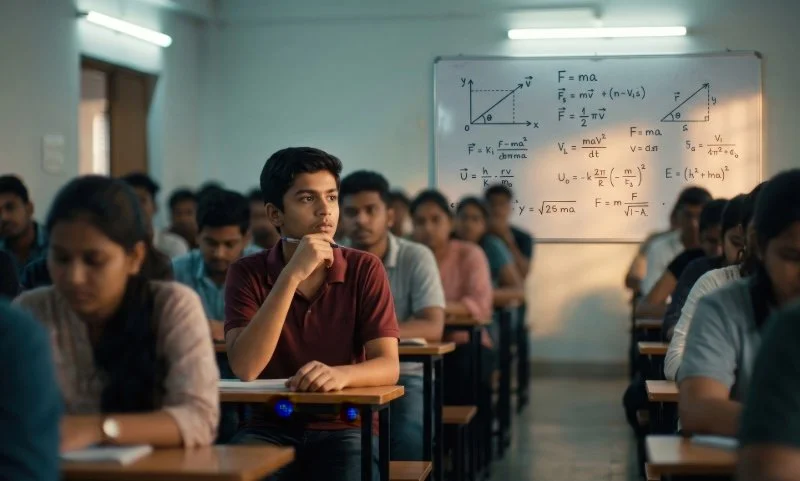
Niti Aayog Finds 87 Million Young Indians Not Studying, Working or Training
More than 87 million (8.7 crore) Indians age 15 to 29 are not studying, working or getting any training, according to report by NITI Aayog, the Indian government’s policy think tank.
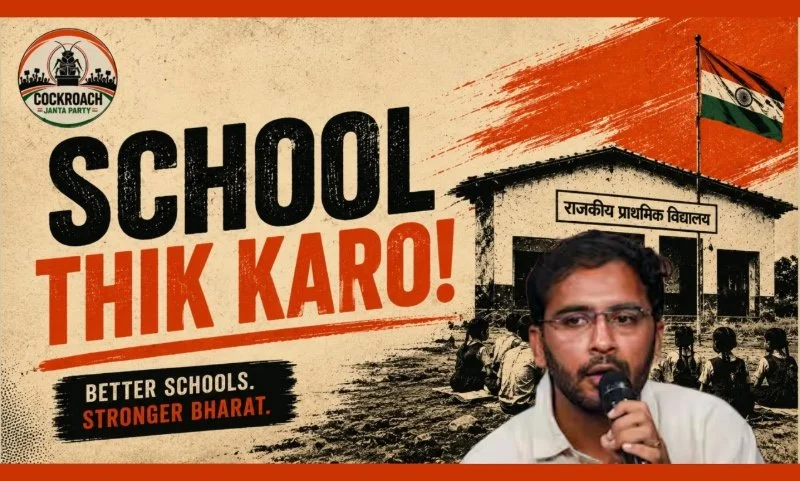
Why the Reported Attack on CJP’s Ashutosh Ranka During a Rajasthan School Visit Is a Serious Incident
Cockroach Janta Party (CJP) co-convener Ashutosh Ranka and his team travelled to Rampura-Kanwarpura village in Jaipur district on August 21 to investigate a government primary school reportedly operating from a cattle enclosure because its building was unsafe. According to reports, members of the delegation, including a woman, were chased, beaten and pelted with stones, while their vehicles and phones were damaged. Ranka said his clothes were torn and that one volunteer suffered a fractured hand. The incident is serious for at least five reasons.

Is the Government Combining the Census and the National Population Register?
Is the government using the Census to quietly collect information for the National Population Register (NPR), even though it has not officially announced that the NPR is being updated? Former senior Census official K. Narayanan Unni told a media outlet that some of the 40 questions announced by the Home Ministry appear more useful for the NPR than for a normal Census.

Citizens Waited for Basic Services While Public Money Went Unspent, CAG Reports Suggest
Recent reports from the Comptroller and Auditor General of India (CAG) found that authorities left large sums allocated for disaster assistance, drinking water, housing, pollution control and railway passenger amenities unspent, raising questions about why parliamentary allocations were not converted into services for citizens.
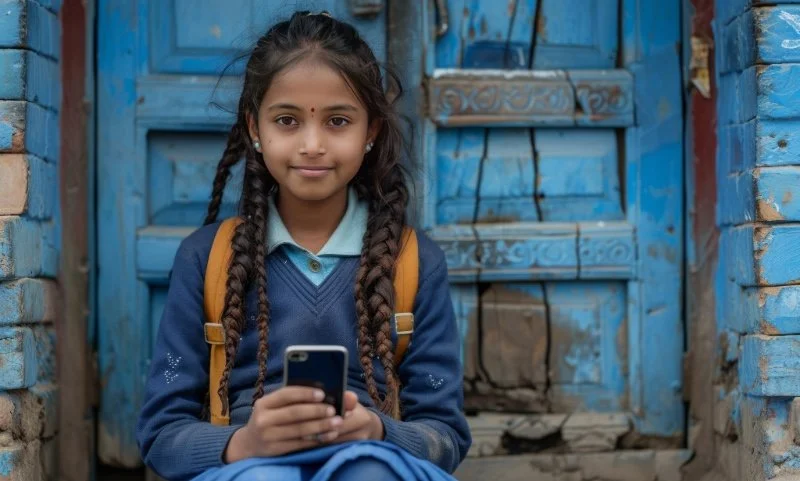
Storm Could Be Brewing for Officials Across India as CJP Turns Focus to Govt Schools
The Cockroach Janta Party (CJP) has called on citizens, parents and village leaders nationwide to inspect government schools, film video evidence of missing facilities and submit the findings to the group, an nationwide initiative to begin on India’s Independence Day on August 15. This exercise could put every part of the school system on the spot, from the village panchayat to the education ministry.

Beaten as a Dalit, Denied Protection Because He is Christian
A recent case exposes that the law has wrongly misunderstood that conversion to Christianity or Islam automatically ends the caste discrimination faced by Dalits. Chinthada Anand, a convert to Christianity, was allegedly attacked as a Dalit in Andhra Pradesh, but the Supreme Court ruled that he could not receive the protection under the SC/ST (Prevention of Atrocities) Act because he was no longer legally recognised as a Scheduled Caste. This raises the question of whether the SC/ST Act should ask what religion the victim follows or whether society, including the alleged attackers, treated that person as a Dalit.
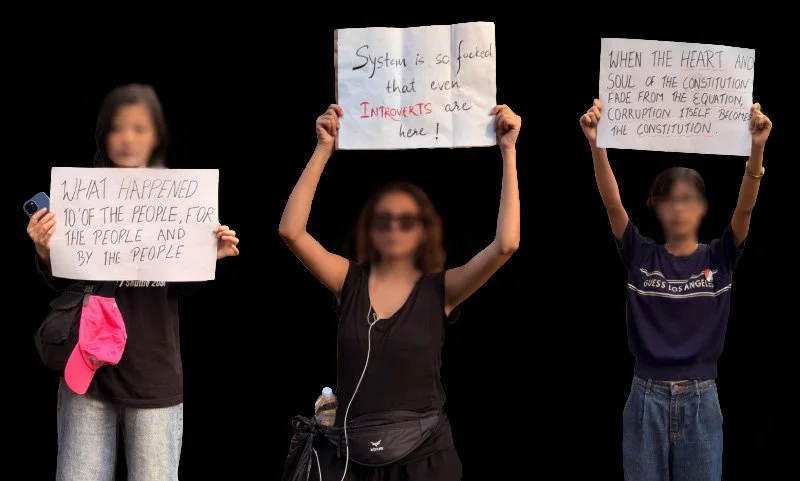
Why Governments Feel Threatened by Women Protesters
After the Cockroach Janta Party (CJP) protests ended in Delhi’s Jantar Mantar on July 25 following Education Minister Dharmendra Pradhan’s resignation, women and girls who had participated publicly and visibly in the agitation became the principal targets of a doxxing and harassment campaign. The campaign reveals that those behind it see women protesters as a threat and want to push them into roles defined by their own patriarchal beliefs.
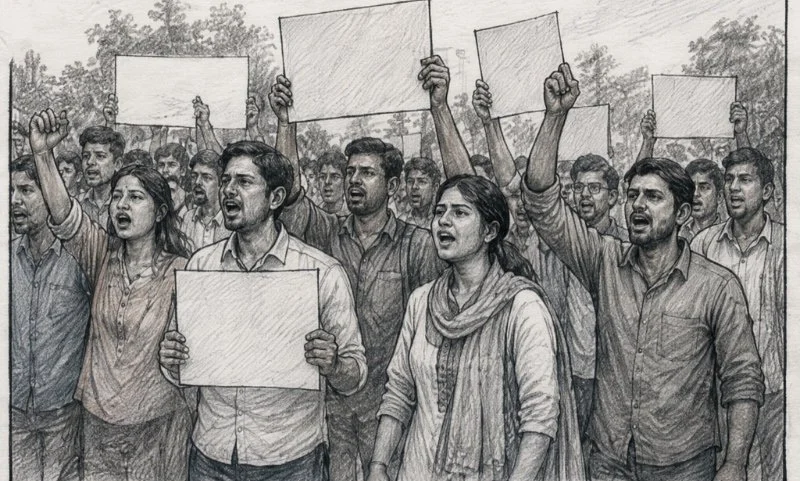
See Jharkhand Protests From Students’ Perspective, Not Politicians’
While government-job aspirants without party affiliations appear to constitute the principal base of the ongoing protests in Ranchi, Jharkhand, the agitation is not organisationally unified. This distinction is important because attempts by political groups to influence the protests risk diverting attention from young people’s genuine concerns about education, recruitment and institutional reform, and from their attempt to raise these concerns democratically.
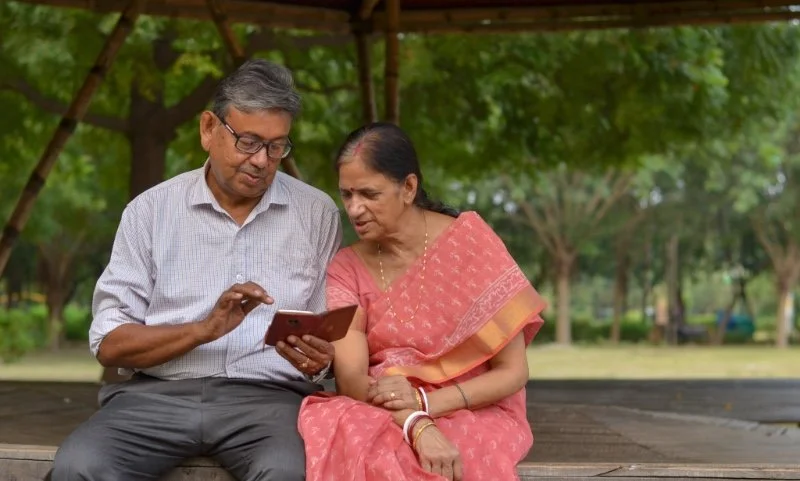
As India Grows Older, Its Digital Economy Must Protect Senior Citizens
India’s digital revolution has transformed the way citizens bank, invest, receive pensions and access public services. However, beneath this success story lies a growing vulnerability that deserves far greater attention. Cyber fraud is no longer merely a technology or policing issue; it has become an ageing issue.
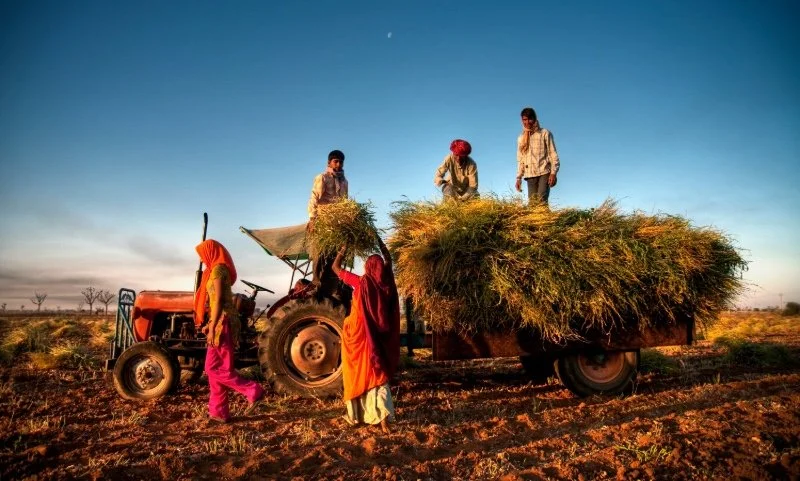
Explained: Why Farmers Are Opposing the India-US Trade Agreement
Farmers in Punjab and Haryana have been protesting against a proposed bilateral trade agreement between India and the United States. They are concerned that opening India’s agricultural market further to American products could place millions of Indian farmers at a serious disadvantage because the two agricultural systems are very different in size, costs and government support.

Obesity Rising Alongside Malnutrition in India’s Poor Urban Communities
Obesity could be emerging alongside persistent undernutrition among children in India’s poor urban communities, suggests a long-running study of one such neighbourhood, which found that a rising number of children were overweight or obese by age nine while a larger number were dangerously underweight.

The Psychology of Defending Lynching Convicts in Madhya Pradesh
A judge in Madhya Pradesh who sentenced seven men to life imprisonment for their role in a lynching case is facing a campaign of protests, threats and abuse. It is disturbing that sections of the public have reacted not with concern about the man who was beaten to death by a mob, but with anger that those found guilty of the killing were punished. The reaction points to a particular way of thinking about mob violence, justice and the rule of law, and deserves a psychological explanation.