

Opposition Alleges Politics Behind Women’s Reservation Law
Opposition parties have criticised Prime Minister Narendra Modi's letter to all political party leaders seeking their support to pass amendments during an extended sitting of Parliament, saying he framed the issue as a collective responsibility to mask what they call a political calculation.
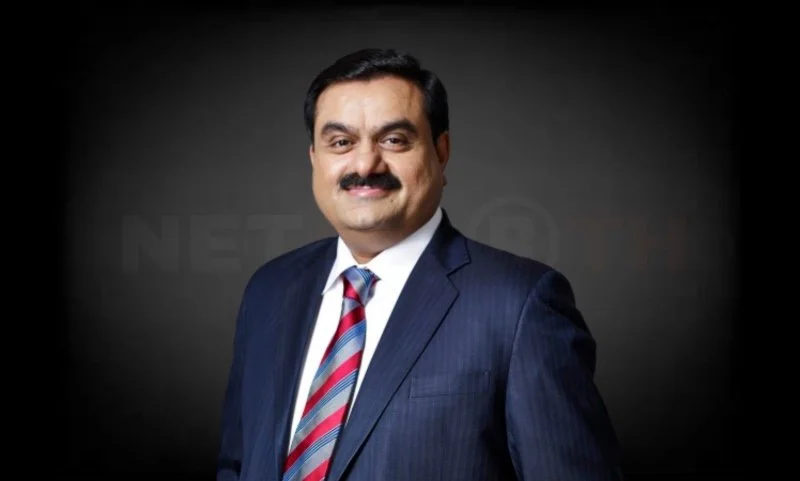
Adani Family’s Wealth Grew Over 600% in 6 Years; Bottom Half’s Share Declined
India’s bottom half owns just 6.4% of the country’s total wealth, while an extremely small group at the top holds wealth equal to nearly half of the country’s annual economic output, according to Wealth Tracker India 2026, released by the Centre for Financial Accountability and Tax The Top. The report also states that the wealth of Gautam Adani and his family rose by over 600% between 2019 and 2025. The comparison offers a sense of scale.
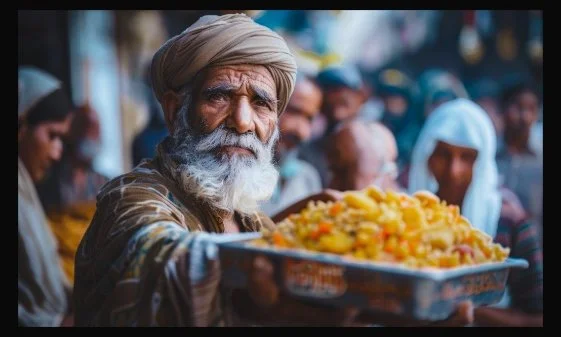
Ordinary Indians, More Than Business Elites, Sustain India’s Generosity
A new study estimates that India’s household giving totals about 540 billion (54,000 crore) rupees a year across cash, in-kind support and volunteering, with about 68% of surveyed households reporting some form of giving. Read alongside evidence of highly concentrated corporate and wealthy donor philanthropy, the findings indicate that India’s culture of generosity is sustained in large measure by widespread participation among ordinary households.

India’s Dalits, Muslims Live in Isolated Housing With Poor Services: Study
Dalits and Muslims across India live in sharply segregated neighbourhoods that receive weaker access to essential public services. Evidence drawn from nationwide administrative and census data shows that inequality is most severe at the smallest geographic scale of settlement.

Men Develop Heart Disease Earlier Than Women: Study
Men develop cardiovascular disease earlier than women, a new study shows. By age 50, men experience significantly more coronary heart disease events, heart failure and total cardiovascular events than women of the same age.
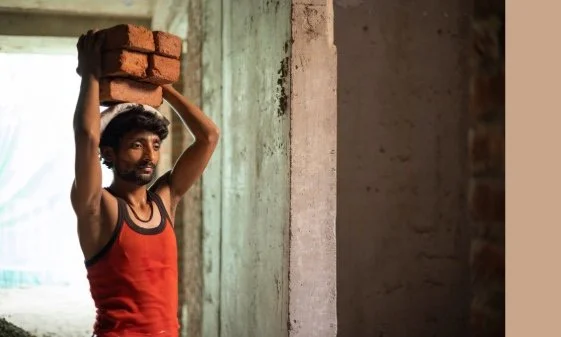
Economic Survey: Despite Growth, Most Indians Live With Job Insecurity
The Economic Survey 2025-26, released on January 29, presents an economy that appears strong in headline numbers, yet several of its findings raise concern for everyday life, with direct effects on households through jobs, incomes, prices, security and access to public support.
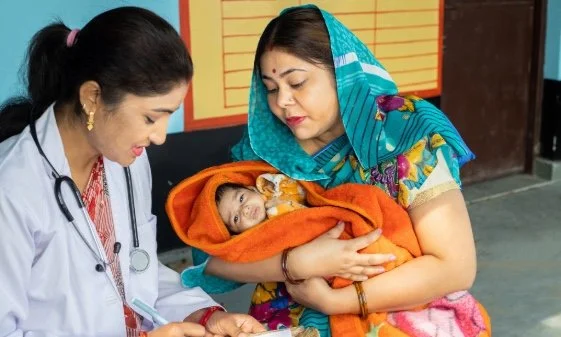
Government’s Low Healthcare Spending Leads to Structural Injustice, Study Shows
A new study, which analysed healthcare spending in India from 1991 to 2023, has shown that when the government spends less on healthcare, families are forced to cover more of their medical costs on their own, often pushing them into debt or leading them to delay or skip treatment. This means every funding decision by the government directly affects whether healthcare becomes more accessible or turns into a financial burden for the majority of the citizens.

Which Article in the Indian Constitution Defines Good Governance?
Every party or coalition that comes to power brings its own definition of “good governance.” And each version reflects a political ideology. But in doing so, they shift attention away from the basic and non-negotiable duties a government owes its citizens – the duties written into the Constitution. There is one article, and sadly we seldom talk about it, that defines with precision the constitutional instruction on what governance must achieve.

How India Ranks in Quality of Life in 2026
India is ranked 63rd out of 89 countries in the 2026 Quality of Life Index, with a total score of 122.3 which is below the global average. The rankings are based on multiple measurable factors that affect daily life, including cost of living, healthcare, traffic, pollution, property prices, safety and purchasing power.
Dignity of Labour in India Must Mean Justice
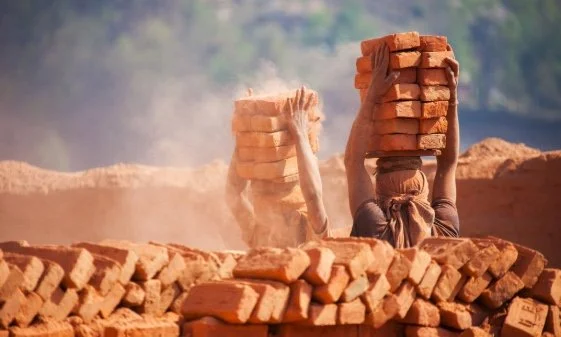
In India, the idea of dignity of labour is missing in large part due to the caste system. While some discussion has begun, much of it centres on showing respect to workers or speaking favourably about their occupations. This limited framing can mask deeper issues of discrimination, exclusion and injustice. It does little to uphold the dignity of either the worker or the work.

What Actually Works in Today’s Job Market? A Guide for Young Professionals
A software engineer, Marmik Patel, applied to hundreds of jobs without success before changing his approach. By building products and networking in person, he eventually drew interest from over 80 recruiters, he shared on X. Does this suggest that traditional methods like mass online applications are no longer effective in competitive markets where access to opportunity is unevenly distributed?
Most Indians Die Without the State Verifying a Medical Cause
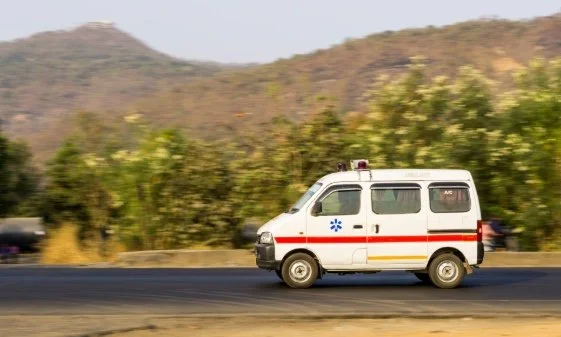
Nearly 78 percent of all deaths in India occur without any verified medical cause, according to a new report. The state does not know and does not even try to confirm what killed the vast majority of its citizens. The absence of basic data cripples the country’s ability to identify disease patterns, plan healthcare services, or respond to emerging threats.

Just One North Indian City Among India’s Top 10 for Women
Just one city from North India features in the list of the country’s top 10 cities for women, according to a new nationwide index assessing inclusivity and career opportunities. The remaining nine are all located in the southern, western and eastern regions of the country.
India Adds Millionaires Amid Shrinking Wealth and Deepening Inequality, Report Says
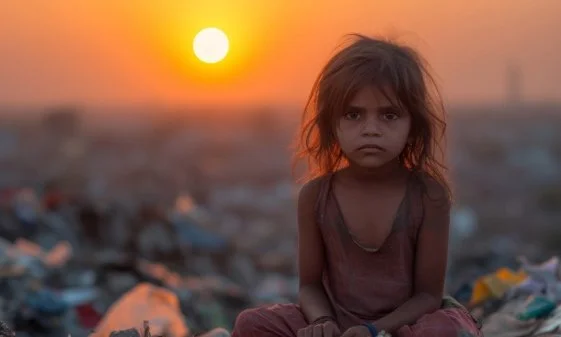
India now has 917,000 US dollar millionaires, with 39,000 added in just one year, according to the UBS Global Wealth Report 2025. This rise in high-net-worth individuals has occurred alongside a fall in average adult wealth, marking a sharp divide between visible gains at the top and economic stagnation across the broader population.
Oxford Graduate Works for Marginalised Students’ Access to Higher Education in India
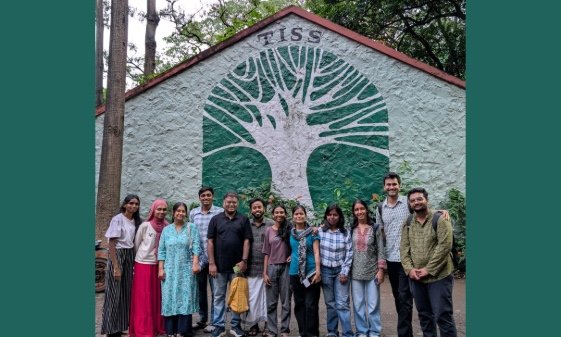
India’s higher education sector has expanded steadily over the years, yet the benefits of this growth remain concentrated among those with social and economic privilege. For students from marginalised communities, entry into universities continues to be blocked by barriers that rarely make it into policy debates. In this interview, Manzer, a scholar working to bridge gaps in access, explains what keeps these students out of higher education, based on what he has observed while working closely with marginalised communities.
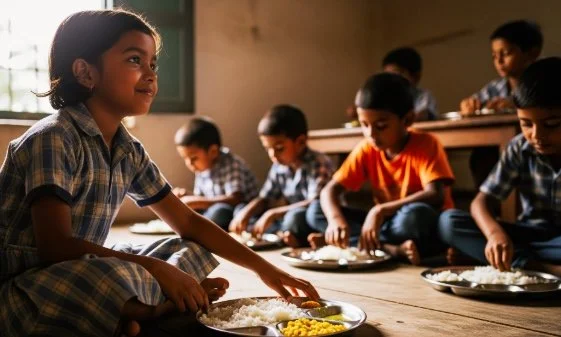
Why Indians Consume Low-quality Protein and How It Affects Their Health
Indians are consuming enough protein by the numbers, but much of it comes from poor-quality sources that do not meet the body’s nutritional needs, a pattern documented in recent dietary analysis by a national policy research body. This dietary imbalance is contributing to both childhood malnutrition and a growing epidemic of non-communicable diseases among adults.
50% of Indians Earn 15% of National Income: World Inequality Report
Half of India’s population earns just 15 percent of the country’s total income, according to new findings from the World Inequality Report 2026. The top 10 percent, by contrast, take home nearly 58 percent of all income.
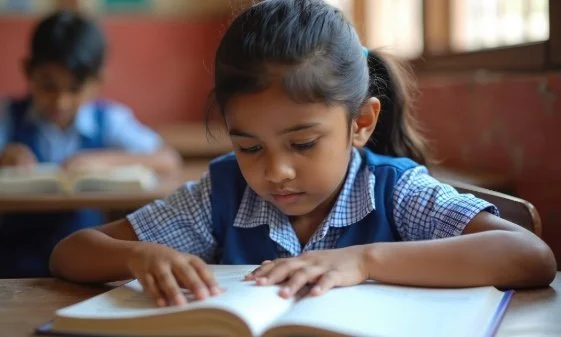
6.5 Million Children Dropped Out of School in 5 Years
Over the last five years, more than 6.5 million (65 lakh) children in India have dropped out of school, Minister of State for Women and Child Development Savitri Thakur revealed in Parliament. Among them, nearly 3 million (30 lakh) are adolescent girls. The numbers point to a large-scale rupture in India’s promise of universal education, and also to structural gaps in the way schooling is planned, supported and delivered, especially for children from marginalised families.
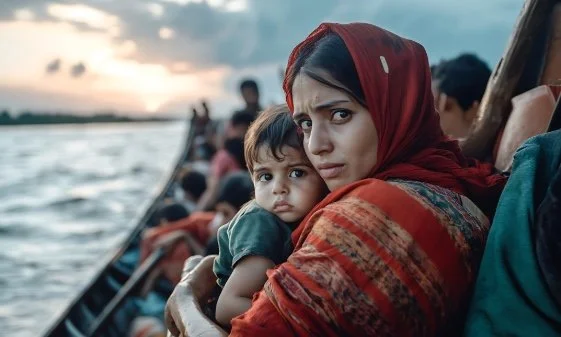
Supreme Court’s Rohingya Remarks ‘Unconscionable,’ Say Ex-Judges, Lawyers
A group of former judges and senior advocates have denounced recent comments made by a Supreme Court bench comprising Chief Justice of India (CJI) Surya Kant and Justice Joymalya Bagchi during a Supreme Court hearing on Rohingya refugees, calling the remarks “unconscionable” and contrary to constitutional values. In a public letter, the signatories said the comments dehumanised vulnerable refugees and undermined the moral authority of the judiciary.
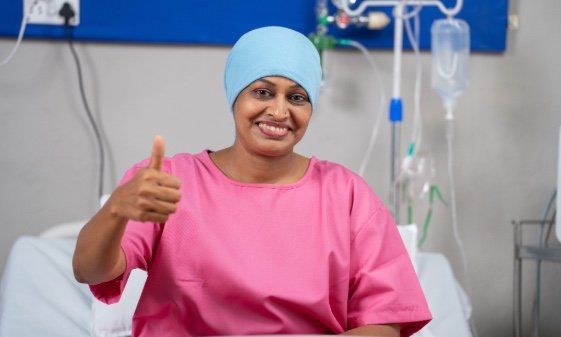
Why 96% of Indians Have No Access to Palliative Care
Up to 10 million people in India need palliative care, yet fewer than 4% receive it, according to a new study. As a result, people with chronic and life-limiting illnesses such as cancer, heart disease or advanced neurological conditions are often left without the support they need to live their final days with comfort and dignity. They endure unmanaged pain and deep emotional distress.