Why Indians Consume Low-quality Protein and How It Affects Their Health
Low-Grade Cereal-Based Diets Drive Both Undernutrition and Lifestyle Diseases
December 13, 2025
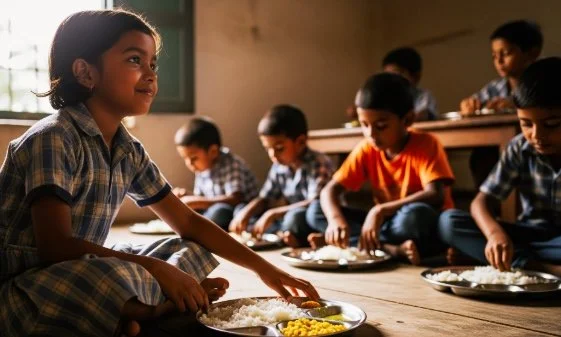
Indians are consuming enough protein by the numbers, but much of it comes from poor-quality sources that do not meet the body’s nutritional needs, a pattern documented in recent dietary analysis by a national policy research body. This dietary imbalance is contributing to both childhood malnutrition and a growing epidemic of non-communicable diseases among adults.
Nearly 50 percent of the protein consumed in Indian households comes from cereals such as rice, wheat and maida, which contain limited amounts of lysine, an essential amino acid needed to build usable protein in the body, according to the report. This far exceeds the National Institute of Nutrition’s recommendation that cereals contribute no more than 32 percent of daily protein intake.
As a result, even households that appear to meet daily protein targets on paper may be suffering from a hidden quality deficit. A typical Indian meal, though rich in carbohydrates, often lacks digestible, complete protein. This problem is amplified among the poor, who rely more heavily on subsidised cereals and cannot afford higher-quality options like dairy, eggs, or meat.
The health consequences are widespread.
Around 44 percent of Indian children under five are stunted, and nearly a third are underweight. Wasting, or low weight for height, affects more than 15 percent. Anaemia is common among both women and children, and as much as 67 percent of children may be deficient in vitamin B12, which helps the body make red blood cells, keeps the nerves healthy, and supports brain function. These patterns point to long-term protein and micronutrient shortages.
At the same time, adults are facing a sharp rise in metabolic conditions, or health problems that affect how the body uses food for energy, such as diabetes, obesity, and high blood pressure. Diets dominated by low-quality carbohydrates and lacking in protein are linked to a 30 percent higher risk of developing Type 2 diabetes. Risk of prediabetes is also about 20 percent higher among those with the highest carbohydrate intake. These conditions often emerge early, with many adolescents already showing signs of insulin resistance.
Low-quality protein and high intake of refined carbohydrates can lead to insulin resistance because they cause repeated spikes in blood sugar without providing the nutrients needed to regulate how the body processes glucose. Diets low in high-quality protein often lack essential amino acids that support muscle maintenance and metabolic health. At the same time, diets high in white rice, maida, and sugar lead to more insulin being released over time. This constant demand on the body to produce insulin can wear down the system, making cells less responsive to it and eventually disrupting blood sugar control.
Income plays a central role in determining both the quantity and quality of protein consumed.
The richest 10% of households eat 1.5 times more protein than the poorest. But the deeper inequality lies in what kind of protein is consumed. Poor households often meet less than 40 percent of the recommended intake for eggs, fish and meat, while richer families exceed it. In terms of milk, the poorest consume only a third of the recommended amount, while the richest consume more than the full daily requirement.
Even when poor households have access to livestock, they often sell milk or eggs for income instead of using them at home. This shows how economic pressure shapes food choices. Affordability is only part of the problem. In many low-income families, women have limited say in what food is bought and cooked, which affects how diverse and nutritious meals are. In households where women are more educated and empowered, protein intake and variety tend to be better.
Government policy has contributed to this imbalance.
The Green Revolution, a set of agricultural reforms introduced in the 1960s and 1970s, boosted rice and wheat yields through the use of high-yield seeds, irrigation and fertilisers. The Public Distribution System (PDS) then made these staples widely available at low cost. But this success in caloric security discouraged the cultivation and consumption of other protein-rich crops like pulses and millets, both of which now contribute far less to the national diet than recommended.
Efforts to improve protein intake face both logistical and cultural challenges. Regional food preferences, affordability and storage issues limit access to animal proteins. Many Indian households are vegetarian or semi-vegetarian, and plant proteins are not always complete. Combining cereals with legumes (a group of plants that include lentils, beans, peas and chickpeas, which are rich in protein and fibre) can help, but it requires nutrition awareness and consistent meal planning, which are often lacking.
Further, much of the protein consumed in India is not fully absorbed due to its source or the way it is prepared. Studies show that the digestibility of amino acids in many common Indian foods can be as low as 60 percent. This means that even if a person eats 60 grams of protein in a day, their body may only be able to use a fraction of it effectively.
To improve how much protein the body can actually use, families can combine cereals with pulses in daily meals to create a better mix of essential amino acids. Cooking methods also matter. Steaming, soaking or fermenting certain foods can make protein easier to digest. At the same time, the government can support these efforts by including more pulses and millets in food subsidy programs, promoting nutrition education and encouraging farming of crops that offer better protein quality.
You have just read a News Briefing by Newsreel Asia, written to cut through the noise and present a single story for the day that matters to you. Certain briefings, based on media reports, seek to keep readers informed about events across India, others offer a perspective rooted in humanitarian concerns and some provide our own exclusive reporting. We encourage you to read the News Briefing each day. Our objective is to help you become not just an informed citizen, but an engaged and responsible one.