Why 96% of Indians Have No Access to Palliative Care
In Most States, Serious Illness Still Means a Death Without Dignity
December 5, 2025
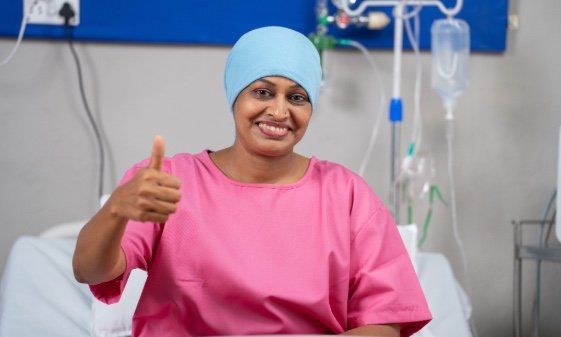
Up to 10 million people in India need palliative care, yet fewer than 4% receive it, according to a new study. As a result, people with chronic and life-limiting illnesses such as cancer, heart disease or advanced neurological conditions are often left without the support they need to live their final days with comfort and dignity. They endure unmanaged pain and deep emotional distress.
Palliative care, as defined by the World Health Organisation, is specialised medical care aimed at improving the quality of life for people with serious illnesses and their families. This includes pain management, emotional and psychological support, and assistance in making medical decisions. The need for such care is growing rapidly in India as more people are living with chronic diseases. Today, 4 in 10 Indians are expected to have at least one chronic illness in their lifetime.
The study, published in the e-cancer-medical-science journal, looked at how easy or difficult it is for people across the country to physically reach palliative care centres. What it found was striking.
There are only 526 such centres across all of India, which translates to just four centres per 10 million people, according to the study and as reported by The New Indian Express. Some areas such as Kerala, Delhi, Chandigarh and Goa are better equipped. In these places, patients are more likely to find a centre within a reasonable distance. Chandigarh, for instance, had a median travel time of only 3 to 4 minutes to the nearest palliative care facility.
In contrast, many states, particularly those in central, northern and northeastern India, including Madhya Pradesh, Odisha and Bihar, remain severely underserved.
In rural areas, the gaps are even wider. Nationally, only 11.8 percent of people living in villages are within a 30-minute range of a palliative care facility, compared to 55.6 percent in urban areas. The average travel time in Ladakh, for example, is 350 minutes, assuming a person owns a vehicle, the roads are good and there are no delays.
These gaps can leave patients in unrelenting pain, without medical support during the most vulnerable phase of life. Dr. Parth Sharma, lead author of the study, noted that the lack of trained professionals and poor geographic spread of services force families to travel long distances, often across districts, just to get basic pain relief.
The solution does not necessarily require building expensive new hospitals.
Significant improvements can be made by training existing healthcare workers in palliative care and integrating such services into primary, secondary and tertiary hospitals. In countries like the United Kingdom, this model of embedding palliative care into routine health services, rather than treating it as a separate specialist field, has helped improve both quality and access.
In Uganda, community health workers are trained in basic palliative care and authorised to provide morphine, pain-relieving medicine used to treat severe pain, especially in advanced illness, to patients in need. This is a low-cost strategy that has dramatically reduced suffering in rural areas this East African country.
India’s failure to do this is partly systemic.
Palliative care is not required to be part of public hospitals under the guidelines of the National Medical Commission. That makes it easier for facilities to avoid investing in these services. There is also limited awareness and very few training programmes for medical professionals. As a result, even well-intentioned doctors may not have the tools or support to offer appropriate care to terminally ill patients.
Without access to palliative care, patients may experience unmanaged pain, anxiety and loss of dignity. Their families, often caregivers, face emotional stress and a lack of guidance during critical decisions. Palliative care can make this journey less cruel. It can ensure that a person dying of cancer can sleep without pain, stay at home if they prefer, and talk through fears and choices with a trained team.
In 2014, the World Health Organisation passed a resolution urging all member countries to include palliative care in their national healthcare systems. Many countries have responded. In Australia, palliative care is publicly funded and offered at every level of care, from home visits to hospitals. In Canada, provinces have structured plans to ensure that even in remote areas, patients can receive home-based end-of-life care.
In Kerala, India’s own example of success, palliative care has been community-led, with volunteers and local organisations playing a large role. This model has been praised globally and shows what is possible with political will and local engagement.
Until India trains more professionals, mandates services in public hospitals and recognises palliative care as a basic human right, millions will continue to suffer needlessly. The map of access to care in India may look like data points. But each of those dots represents a real person in pain who might have been helped.
You have just read a News Briefing by Newsreel Asia, written to cut through the noise and present a single story for the day that matters to you. Certain briefings, based on media reports, seek to keep readers informed about events across India, others offer a perspective rooted in humanitarian concerns and some provide our own exclusive reporting. We encourage you to read the News Briefing each day. Our objective is to help you become not just an informed citizen, but an engaged and responsible one.