India Adds Millionaires Amid Shrinking Wealth and Deepening Inequality, Report Says
The Country’s Average Wealth Fell and Disparity Worsened, Says UBS Global Wealth Report
December 19, 2025
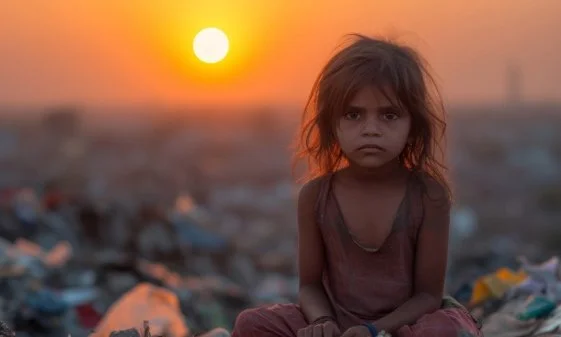
India now has 917,000 US dollar millionaires, with 39,000 added in just one year, according to the UBS Global Wealth Report 2025. This rise in high-net-worth individuals has occurred alongside a fall in average adult wealth, marking a sharp divide between visible gains at the top and economic stagnation across the broader population.
The report covers 56 countries that represent over 90 percent of global wealth. It finds that only 20 percent of personal wealth in India is held in financial assets, one of the lowest shares among all countries studied. Most Indian wealth remains in physical assets such as land, real estate and gold.
In comparison, in countries such as the United States, Sweden and Taiwan, financial assets make up more than 60 percent of personal wealth. This difference points to limited participation in financial markets and continued reliance on traditional asset holdings.
India’s total household wealth rose by 7.7 percent in 2024 before adjusting for inflation. But after inflation, the average wealth per adult went down by 1.3 percent. This happened because a large portion of total wealth in India is held by very rich individuals who own expensive assets like real estate and company shares. In 2024, the value of these assets did not grow fast enough to keep up with inflation, so their real value declined. Since the average includes both the very rich and the poor, this fall at the top pulled the overall average down.
Meanwhile, median wealth, which shows what the person in the middle of the population owns, increased by 6.6 percent after inflation. This means many people in the middle made small real gains in what they owned. The fact that median wealth rose while average wealth fell shows a shift in who gained and who lost. But this does not mean inequality has reduced, because the richest people still control a very large share of the country’s wealth.
People in India have very little personal debt compared to the amount of wealth they own. On average, debt makes up less than 10 percent of what households own in total. This puts India among the countries with the lowest share of personal debt, similar to Russia, Mexico and South Africa. In richer countries like Switzerland, people often carry more debt, and it can account for over 25 percent of their total wealth.
At first, having low debt might sound like a sign that families are managing money well. But in India, this also means that most people do not have access to formal loans from banks or other official lenders. Without this, families cannot borrow money to invest in education, start a business, or buy property. That makes it harder for them to build wealth over time.
Wealth in India is very unevenly distributed. The report gives India a score of 0.74 on the Gini index, a standard measure of inequality. A score of 1 means perfect inequality, where one person owns everything, and a score of 0 means everyone has equal wealth. A score of 0.74 places India among the 10 most unequal countries in the world.
This level of inequality has worsened since 2019, according to the report, which places India in the same group as countries like South Africa, Brazil and the United States, all of which have high levels of wealth inequality.
India holds 3.4 percent of the world’s total household wealth. That may seem like a large share, but it mainly reflects the country’s large population. When this wealth is divided by the number of adults, India’s average per person wealth remains far lower than the global average.
India’s wealth pattern shows a wide base but little depth. While many people own physical assets like land or gold, few have access to financial tools that help build long-term wealth, such as investments, retirement savings or formal credit. This limits economic mobility and long-term financial security.
The recent rise in millionaire numbers may give the impression of upward mobility, but the underlying structure remains unbalanced. Most Indians remain excluded from asset growth and financial asset ownership. The few who have gained from asset appreciation or income growth do not represent the trajectory of the majority. In this context, the growth in millionaire numbers is less a sign of broad-based progress and more a reflection of inequality in opportunity and access.
India’s share in global wealth is expected to stay where it is. The report links this to earlier industrial gains tapering off and the continued informality of large parts of the economy, which limit steady wealth creation. Informal sectors often lack ties to official banking, tax and labour systems, which are crucial for broad-based economic growth.
India’s current wealth situation shows little sign of deep or lasting change. The country has not seen improvement in key markers of long-term financial health, such as financial asset ownership, access to formal credit, or reduced inequality. Without policy changes that help families invest in financial instruments, expand credit availability, and reduce wealth gaps, India’s growth in household wealth will remain shallow and uneven. The benefits will continue to be concentrated in a small section of the population.
You have just read a News Briefing by Newsreel Asia, written to cut through the noise and present a single story for the day that matters to you. Certain briefings, based on media reports, seek to keep readers informed about events across India, others offer a perspective rooted in humanitarian concerns and some provide our own exclusive reporting. We encourage you to read the News Briefing each day. Our objective is to help you become not just an informed citizen, but an engaged and responsible one.