

Obesity Rising Alongside Malnutrition in India’s Poor Urban Communities
Obesity could be emerging alongside persistent undernutrition among children in India’s poor urban communities, suggests a long-running study of one such neighbourhood, which found that a rising number of children were overweight or obese by age nine while a larger number were dangerously underweight.
India Undercounts Stillbirths, a Study Finds
A new study has found that India is undercounting stillbirths because a large share of pregnancy losses occur earlier than what official systems record. The research reached this conclusion by examining stillbirths at different stages of pregnancy, rather than counting only those that occur after a fixed point in pregnancy, pointing to a larger global issue in how stillbirths are counted.

What Proposed FCRA Amendment Means for Democracy, NGOs and Millions Who Depend on Them
The central government has proposed changes to the Foreign Contribution Regulation Act, which regulates how non-profit organisations receive foreign funding for work in health, education, nutrition and other welfare sectors. The amendment would give the government greater power to halt funding and also take control of assets, including property, created with that money, potentially reducing humanitarian, rights-based and climate-related advocacy work in the country.

1 in 5 Women in India Experience Physical or Sexual Intimate Partner Violence
A major study has found that although more than one in five women in India experience intimate partner violence each year, only a very small number of these cases appear in official records of police, health services, or support centres. The issue demands urgent action, as violence within the home causes immediate injury, long-term health harm, economic disruption, and effects that pass from one generation to the next.
A New Treatment for Diabetes Brings Hope for India
A new class of medicines is quietly changing the way doctors treat type 2 diabetes. These drugs, called SGLT-2 inhibitors, are taken once a day as tablets. In the U.K., researchers have found that they lower the risk of early death by nearly a quarter compared to older diabetes drugs. For India, where diabetes affects over 100 million people and is often diagnosed late, this could make a serious difference, if doctors and policy makers move fast.

Men Develop Heart Disease Earlier Than Women: Study
Men develop cardiovascular disease earlier than women, a new study shows. By age 50, men experience significantly more coronary heart disease events, heart failure and total cardiovascular events than women of the same age.
Supreme Court Affirms Menstrual Health as Part of Right to Life
Adolescent girls in many parts of India miss several days of school each month during their periods due to lack of sanitary products, inadequate toilets and fear of public embarrassment. In response to this widespread exclusion, the Supreme Court of India has ruled that access to menstrual health is part of the fundamental right to life under Article 21 of the Constitution. The ruling affirms that denying girls the means to manage their periods in school violates their right to live with dignity, safety and equal opportunity.
Government’s Low Healthcare Spending Leads to Structural Injustice, Study Shows
A new study, which analysed healthcare spending in India from 1991 to 2023, has shown that when the government spends less on healthcare, families are forced to cover more of their medical costs on their own, often pushing them into debt or leading them to delay or skip treatment. This means every funding decision by the government directly affects whether healthcare becomes more accessible or turns into a financial burden for the majority of the citizens.

The Spread of Nipah Virus in India: Should You Be Concerned?
Doctors in eastern India have identified at least five people infected with Nipah virus cases, including doctors and nurses, and nearly one hundred others have been told to isolate themselves at home. One patient is reported to be in critical condition. For many, this raises a basic but serious question, what is this virus, and should they be worried? The short answer is that panic is not necessary, but paying attention is.

City Noise in India Is Putting Public Health at Serious Risk
India’s cities are growing louder in ways that endanger public health. New findings confirm that this environmental stressor affects both body and mind, yet monitoring remains inconsistent and enforcement weak.

How India Ranks in Quality of Life in 2026
India is ranked 63rd out of 89 countries in the 2026 Quality of Life Index, with a total score of 122.3 which is below the global average. The rankings are based on multiple measurable factors that affect daily life, including cost of living, healthcare, traffic, pollution, property prices, safety and purchasing power.

India Could Save $170 Billion by Closing Coal Power Plants Early
India could save about $170 billion (14.1 lakh crore rupees) by retiring its coal-fired power plants earlier than scheduled, according to a new study, which adds that cutting emissions can also improve public health and economic efficiency within India’s current energy system.
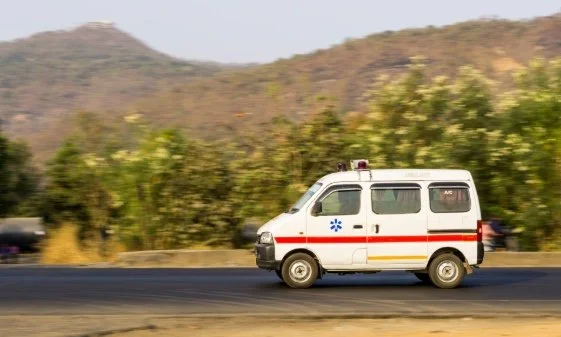
Most Indians Die Without the State Verifying a Medical Cause
Nearly 78 percent of all deaths in India occur without any verified medical cause, according to a new report. The state does not know and does not even try to confirm what killed the vast majority of its citizens. The absence of basic data cripples the country’s ability to identify disease patterns, plan healthcare services, or respond to emerging threats.
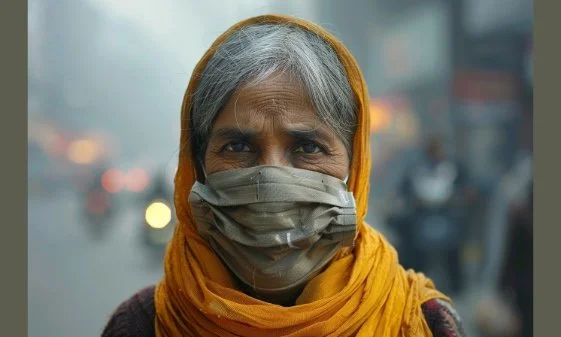
Toxic Air Chokes Most Indian Cities, Not Just Delhi
A new report shows that the majority of Indian cities are recording levels of air pollution far above the national safe standards. This shows that toxic air has become a daily reality across the country, while policies continue to misread the causes and fall short in delivering effective responses.

Emotional Distress Linked to Compulsive Pornography Use, Indian Study Finds
Over recent decades, pornography has become more available, affordable, and easier to access in private, especially through smartphones and the internet. However, a new study in India finds that people with higher levels of depression, anxiety and stress are more likely to report compulsive or problematic pornography use.

Sudden Deaths in Young Indians Linked Mostly to Heart Disease
A new research has found that a significant number of young adults in India are dying suddenly, most often due to undetected heart disease, even though many appear healthy and have no known medical conditions. What is concerning is that these deaths frequently occur at home or during routine activities, and in a large share of cases, even detailed autopsies fail to identify a clear cause, leaving families without answers and risks unaddressed.

Body Dissatisfaction in Teens Linked to Mental Illness in Adulthood: Study
Many people feel unhappy with how they look, and you may feel the same way. A new study shows that body dissatisfaction has become one of the most common psychological struggles among adolescents, and that these feelings during teenage years are strongly linked to eating disorder symptoms and depression in early adulthood.
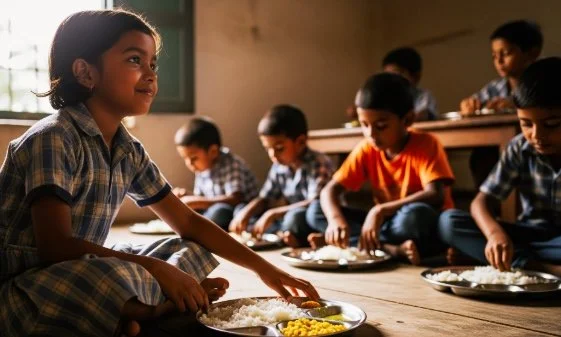
Why Indians Consume Low-quality Protein and How It Affects Their Health
Indians are consuming enough protein by the numbers, but much of it comes from poor-quality sources that do not meet the body’s nutritional needs, a pattern documented in recent dietary analysis by a national policy research body. This dietary imbalance is contributing to both childhood malnutrition and a growing epidemic of non-communicable diseases among adults.

How Bad is Delhi’s Air Pollution for Your Health, What Needs to Change?
People in Delhi and nearby areas are absorbing dangerous amounts of air pollution deep into their lungs every day, far beyond what Indian or global safety standards allow. A five-year study measured how much of this pollution actually settles inside the respiratory system, offering a clearer and more direct view of the damage being caused to people’s health.
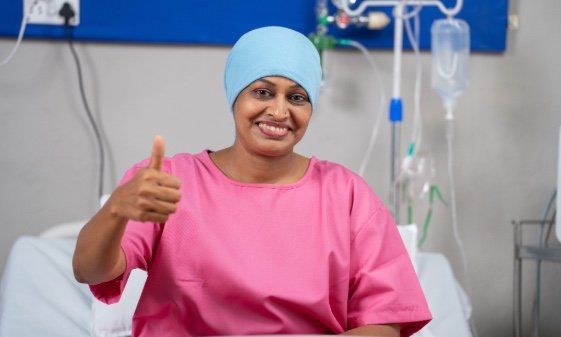
Why 96% of Indians Have No Access to Palliative Care
Up to 10 million people in India need palliative care, yet fewer than 4% receive it, according to a new study. As a result, people with chronic and life-limiting illnesses such as cancer, heart disease or advanced neurological conditions are often left without the support they need to live their final days with comfort and dignity. They endure unmanaged pain and deep emotional distress.