
India Undercounts Stillbirths, a Study Finds
From the Editor’s Desk
April 14, 2026
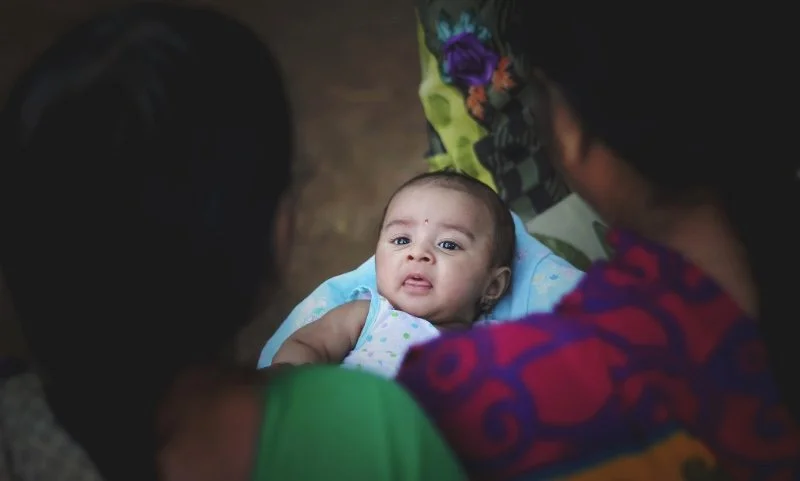
A new study has found that India is undercounting stillbirths because a large share of pregnancy losses occur earlier than what official systems record. The research reached this conclusion by examining stillbirths at different stages of pregnancy, rather than counting only those that occur after a fixed point in pregnancy, pointing to a larger global issue in how stillbirths are counted.
Published in The Lancet Regional Health Southeast Asia, the research analysed data from more than 540,000 women who were part of three rounds of the National Family Health Survey between 2005–06 and 2019–21.
The World Health Organisation counts stillbirths from 28 weeks of pregnancy onwards, meaning losses before that stage are recorded differently or grouped with other pregnancy outcomes. Cases falling just short of that threshold are excluded from the official count even though they involve the loss of a foetus.
The scale of what got excluded became apparent when the study compared different thresholds. At 28 weeks or later, India’s stillbirth rate was estimated at 12.8 per 1,000 births. Lowering the threshold to 24 weeks raised that figure to 16.2, and at 20 weeks it rose further to 22.0 per 1,000 births.
About 42 percent of stillbirths in India occur between 20 and 28 weeks, meaning nearly two in five are absent from official estimates. The study calls this systematic underestimation, where the method of counting produces a figure lower than the actual burden.

This definitional gap compounds problems already present in how data is collected, says the study. Routine sources such as the Sample Registration System consistently report lower stillbirth rates than household surveys like the National Family Health Survey or global estimates. The divergence is due to differences in definitions, gaps in registration and inconsistent classification of cases, some early neonatal deaths are recorded as stillbirths or vice versa, while births outside health facilities are frequently missed altogether.
Stillbirth rates in India have declined, though unevenly. At the 28-week threshold, the rate was 12.4 per 1,000 births in 2005–06, climbed to 19.4 in 2015–16, then fell to 11.7 in 2019–21. The steepest reduction, about 36.3 percent, came in the decade before 2015–16, with slower progress since. During 2019–21, roughly half of states and districts recorded single-digit rates, while others remained above that level, and clusters of higher rates in certain districts pointed to shared local risk factors rather than random variation.
The study also identified factors associated with stillbirth, which included illiteracy, shorter maternal height, anaemia, use of unclean cooking fuel, rural residence and belonging to scheduled caste groups. These point to living conditions and access to care as the underlying drivers, rather than isolated medical causes.

The prevention argument follows directly from the counting problem. Many stillbirths between 20 and 28 weeks fall within a stage where better antenatal care, earlier detection of complications and timely treatment could reduce losses. Cases that go uncounted are unlikely to be addressed in policy or resource allocation, narrowing the scope of any intervention before it begins.
The study calls for standardised recording of stillbirths at all stages of pregnancy and better reporting of gestational age at the district level, arguing that clearer data is a precondition for identifying where losses are concentrated and designing responses that reach those areas.
You have just read a News Briefing, written by Newsreel Asia’s text editor, Vishal Arora, to cut through the noise and present a single story for the day that matters to you. We encourage you to read the News Briefing each day. Our objective is to help you become not just an informed citizen, but an engaged and responsible one.
What happened in Mumbai on October 2 may have been only one day of protest, but the issues behind it are unlikely to disappear with the dispersal of the crowd. The protest was centred around concerns over the Election Commission, electoral rolls and the Special Intensive Revision (SIR) exercise, with protesters demanding accountability from Chief Election Commissioner Gyanesh Kumar. At the same time, similar mobilisation has been taking place across different parts of the country, with student groups, Opposition parties and civil society organisations raising concerns over the electoral process. Newsreel Asia spent the day at Mumbai Protest capturing the preparations, the police presence, conversations with protesters, the atmosphere on the streets and how the day unfolded. The speech of Cockroach Janta Party's leaders and sentiment of protestors seemed larger than the concerns regarding the electoral process. Will this lead to something bigger?