Delhi Remains World’s Most Polluted City
Hazardous Air Quality Driven by Extremely High PM2.5 and PM10 Levels
December 1, 2025
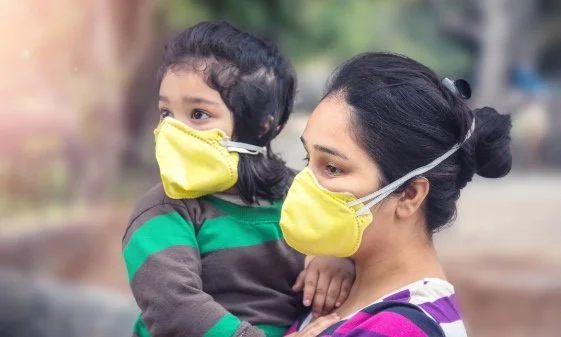
Delhi recorded the highest air pollution levels among global cities on December 1, with an Air Quality Index of 244. Other cities across India and Asia also reported hazardous conditions, marking a continued public health risk across the region.
Data from Swiss-based air monitoring group IQAir showed that Kolkata ranked second worldwide at 239, followed by Tashkent at 220, Dhaka at 214, and Hanoi at 209. Three of the top ten most polluted cities were in India, while five others were in Asia, including Cairo, Karachi, Lahore, Chengdu, and Shanghai, IQAir reported.
The report showed Delhi’s air remained in the “very unhealthy” category, where exposure to outdoor conditions could pose serious risks to health, especially for vulnerable groups such as children and the elderly. The same day, IQAir’s alert issued guidance for people in affected cities to wear masks outdoors, avoid physical exertion, use indoor air purifiers, and keep windows closed.
In Loni, a township in Ghaziabad near Delhi, the real-time AQI reached 368 at 7 a.m. on December 1, classifying air quality as “hazardous,” according to AQICN’s index.
The PM10 level measured 368 micrograms per cubic meter, and PM2.5 stood at 316, both far exceeding India’s national limits and global safety thresholds. These concentrations are hazardous because fine particulate matter can penetrate deep into the lungs and bloodstream. PM2.5, which includes particles smaller than 2.5 micrometres, is especially dangerous, as it can cause inflammation in the respiratory tract, worsen asthma, reduce lung function, and increase the risk of heart attack and stroke. PM10 particles, although larger, can still reach the lower respiratory system and trigger breathing difficulties, bronchitis, and other pulmonary issues, particularly in children, the elderly, and those with preexisting conditions.
Nitrogen dioxide was recorded at 55 micrograms per cubic meter, a level that can irritate airways and increase the likelihood of respiratory infections. Long-term exposure to NO₂ has been linked to reduced lung development in children and aggravated symptoms in individuals with asthma and other chronic respiratory diseases.
Carbon monoxide measured at 21 µg/m³, which at higher levels can impair the oxygen-carrying capacity of blood by binding to haemoglobin. Although 21 µg/m³ is below critical acute toxicity levels, continuous exposure in poorly ventilated environments can cause fatigue, dizziness, and cardiovascular stress, particularly for people with heart conditions.
Sulfur dioxide was measured at 4 µg/m³. While this value is relatively low compared to immediate danger thresholds, SO₂ can still provoke throat irritation, coughing, and breathing problems when combined with high levels of other pollutants. People with asthma are especially sensitive to even modest increases in SO₂ concentrations.
Together, these pollutants create a toxic mix that can overwhelm the body’s natural defence mechanisms, leading to both acute and long-term health effects. Sustained exposure at these levels increases hospital admissions, reduces life expectancy, and contributes to the overall burden of disease in the region.
The IQAir platform also published data on India’s national average PM2.5 concentration in 2024, which stood at 50.6 micrograms per cubic meter. This is nearly 11 times higher than the World Health Organization’s annual safe limit of 5 µg/m³, placing India fifth on the list of the world’s most polluted countries.
More than 35 cities across India experienced dangerous AQI levels on November 27, 2025, according to an alert issued by IQAir. The list included major population centres such as Mumbai, Chennai, Hyderabad, Pune, Jaipur, and Lucknow. Delhi led with an AQI of 595, followed by Lahore at 439 and Kolkata at 219, IQAir reported.
IQAir stated that conditions in northern and central India remain hazardous, with multiple cities recording AQI levels exceeding 300. These levels are classified as “hazardous” and carry warnings for immediate health effects. Public advisories urged people to stay indoors and monitor air quality through digital tools.
The report attributed the persistent pollution to both seasonal weather patterns and human activity. In northern India, winter typically brings a phenomenon known as temperature inversion, which traps pollutants near the ground. This effect, coupled with crop residue burning and low wind speeds, has caused high concentrations of particulate matter across urban areas.
Industrial emissions, vehicular traffic, and construction dust were also listed as significant contributors. In many areas, residential use of coal and biomass for heating adds to the particulate load, compounding the winter pollution crisis.
IQAir warned that in the absence of substantial policy measures, these conditions are likely to persist through the winter. The report noted that short-term improvements may occur only if wind speeds increase or rainfall disperses the pollutants.
To mitigate health risks, residents are encouraged to use certified air masks such as KN95 or FFP2 when outdoors and switch HVAC systems to indoor air recirculation mode. The report also advised installing high-efficiency air purifiers to reduce exposure to indoor pollutants.
You have just read a News Briefing by Newsreel Asia, written to cut through the noise and present a single story for the day that matters to you. Certain briefings, based on media reports, seek to keep readers informed about events across India, others offer a perspective rooted in humanitarian concerns and some provide our own exclusive reporting. We encourage you to read the News Briefing each day. Our objective is to help you become not just an informed citizen, but an engaged and responsible one.