
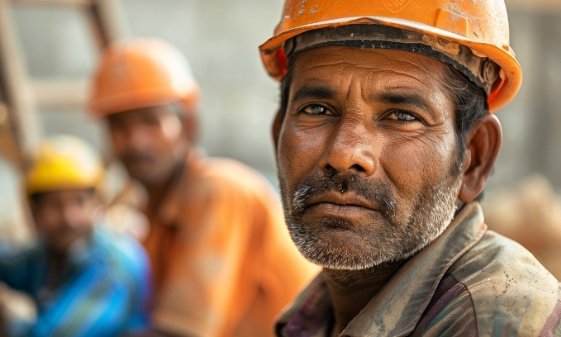
Why 300 Million Workers Plan to Strike Across India on Feb. 12
Central trade unions, supported by farmer groups, have organised a nationwide strike on February 12 involving over 300 million workers, who plan to disrupt key sectors including banking, transport and government services. The scale and composition of this mobilisation suggest a deepening conflict between policy direction and popular consent.

Economic Survey: Despite Growth, Most Indians Live With Job Insecurity
The Economic Survey 2025-26, released on January 29, presents an economy that appears strong in headline numbers, yet several of its findings raise concern for everyday life, with direct effects on households through jobs, incomes, prices, security and access to public support.
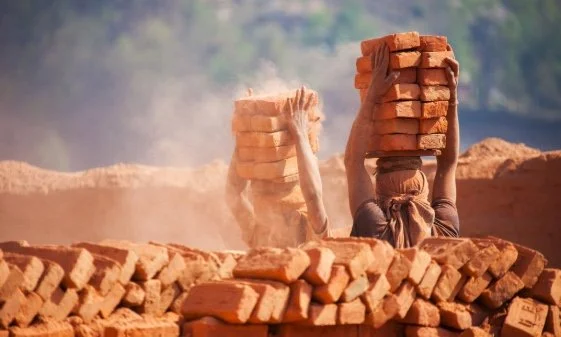
Dignity of Labour in India Must Mean Justice
In India, the idea of dignity of labour is missing in large part due to the caste system. While some discussion has begun, much of it centres on showing respect to workers or speaking favourably about their occupations. This limited framing can mask deeper issues of discrimination, exclusion and injustice. It does little to uphold the dignity of either the worker or the work.

India’s New Labour Codes Have Dismantled Legal Protections for Journalists
The central government has brought into force the Occupational Safety, Health and Working Conditions Code, 2020, repealing the two special laws that had governed the service conditions and wages of working journalists since 1955. The change marks a retreat from the idea that journalism requires tailored labour protection and replaces it with a generic framework that weakens the professional security of the press.

What Actually Works in Today’s Job Market? A Guide for Young Professionals
A software engineer, Marmik Patel, applied to hundreds of jobs without success before changing his approach. By building products and networking in person, he eventually drew interest from over 80 recruiters, he shared on X. Does this suggest that traditional methods like mass online applications are no longer effective in competitive markets where access to opportunity is unevenly distributed?

Just One North Indian City Among India’s Top 10 for Women
Just one city from North India features in the list of the country’s top 10 cities for women, according to a new nationwide index assessing inclusivity and career opportunities. The remaining nine are all located in the southern, western and eastern regions of the country.

What We Can Do to Resist Gig Worker Exploitation
Hundreds of thousands of gig workers across India logged out of the apps they work for, staging a coordinated strike to demand better wages, safety and dignity from their employers. But the focus now shifts to us, the customers. These platforms, like Swiggy, Zomato, Blinkit and Amazon, operate because we use them. So what could we do, as consumers, to support the workers who bring us our food, groceries and parcels?

New Scheme Replacing NREGA Dismantles the Idea of Economic Rights
The Parliament has passed a new law called the Viksit Bharat–Guarantee for Rozgar and Ajeevika Mission (Gramin), or VB–G RAM G, repealing the Mahatma Gandhi National Rural Employment Guarantee Act (MGNREGA), which had legally assured rural Indians a right to employment for up to 100 days a year. The new law removes this guarantee, alters how wages are determined and shifts more financial responsibility to the states. The implications are significant for India’s federal structure, its poorest citizens and the very idea of economic rights.
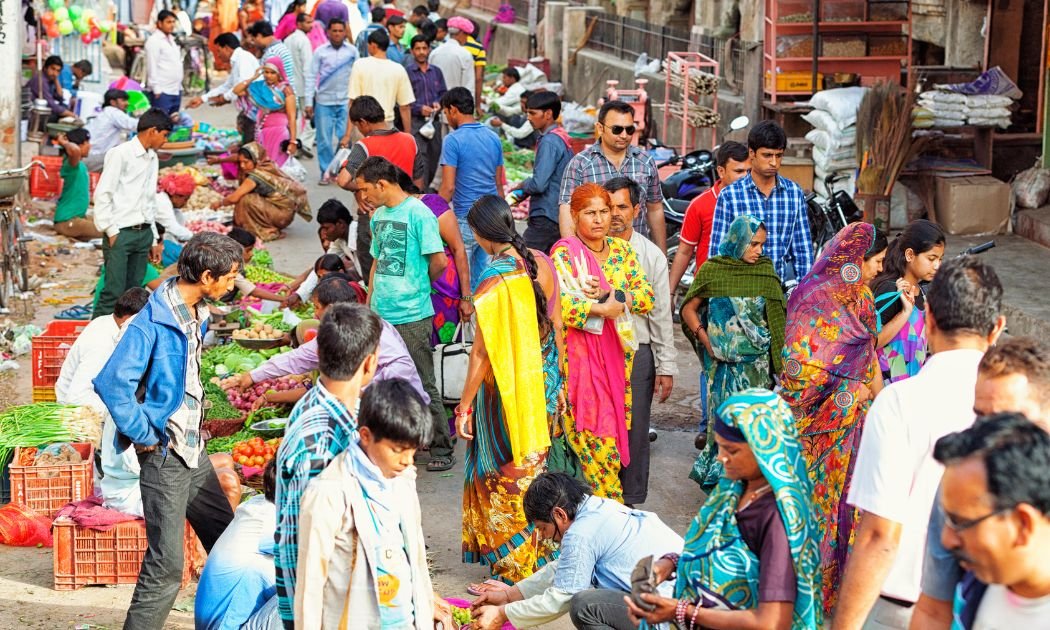
India Must Strengthen Job Creation, Raghuram Rajan Says
At the World Economic Forum Annual Meeting 2025, former Reserve Bank of India (RBI) Governor Raghuram Rajan said while the Indian government is investing in infrastructure, it needs to put more resources into developing human capital through better education and healthcare.
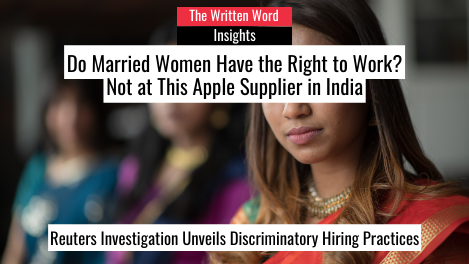
Do Married Women Have the Right to Work? Not at This Apple Supplier in India
At the Foxconn flagship iPhone assembly plant in southern India, married female candidates are systematically excluded from employment opportunities, contradicting both Apple’s and Foxconn’s policies which state that workers should not face discrimination based on marital status, suggests an investigation by Reuters.
A 10-Year Report Card on Employment in India
A report by a collective that examines the accountability and transparency of the national financial institutions and economic policies shows discrepancies between the current government’s claims on employment generation and reality.

Indian Economy’s Shift from Agriculture to Services
India, traditionally an agrarian nation, has seen a significant shift in its economic structure. While agriculture once employed the majority of the workforce and contributed substantially to the Gross Value Added (GVA, or the value of goods and services produced), its economic significance has diminished over time, according to a data report, which shows that, in contrast, the services sector has expanded significantly. This shift has both positive and negative implications for the country and its people.

Economic Woes Behind Indians Following ‘Donkey’ Route to the US?
A growing number of Indians are embarking on a perilous journey to the United States, driven by economic distress and the pursuit of better prospects, media reports suggest. This migration, often through illegal routes, reflects economic challenges within India, compelling individuals to take extraordinary risks for a chance at a better life.

New Study Points to India’s Jobless Economic Growth
A new study, looking at how jobs and the economy have grown in India from 1983 to 2021, shows that even though the economy has been growing, this hasn’t led to enough new jobs for everyone. This means that the recent growth in India’s economy hasn’t created the kind of work that a lot of people can do, leaving many without jobs despite the economy getting bigger.

Survey Reveals Indians’ Concerns Over Economic Well-Being
A nationwide survey paints a picture of deep economic anxiety and dissatisfaction with the government’s handling of employment, inflation and economic policies, suggesting a perceived alignment with the interests of big business over the broader populace.

Are You Part of India’s Economic Success Story?
India is in the spotlight at the 54th annual meeting of the World Economic Forum in Davos, which began on Jan. 15, with an impressive growth rate of 7.3%, which places the country as the fastest-growing major economy in the world. But is this growth benefiting the majority of India’s workers? An analysis published in Bloomberg answers the question.

Why Haryana’s Booming Industry Fails to Create Sufficient Jobs
The Punjab and Haryana High Court has quashed a Haryana state law that required 75 percent of private sector jobs to be reserved for local candidates. It casts a spotlight on the state’s paradoxical situation. Renowned for its vigorous industrial expansion, Haryana has, however, neglected to develop a correspondingly strong educational system for its residents. As a result, while industries have flourished, local employment opportunities have remained scarce.

An Alarming Rise of Illegal Indian Migration to the US and UK
In a striking revelation, the most recent data from the U.S. Customs and Border Protection unveils a stark reality: a staggering 96,917 Indians were detained between October 2022 and September 2023 for illegally entering the United States. This five-fold surge in numbers from previous years challenges the narrative of India’s progress and raises profound questions about the reasons driving such a mass exodus.

Why Millions of Workers Earn Nothing in India
India’s recent labour figures reveal a striking rise in self-employment, but the reality behind these numbers is less about entrepreneurial spirit and more about increased family labour without financial gains.