
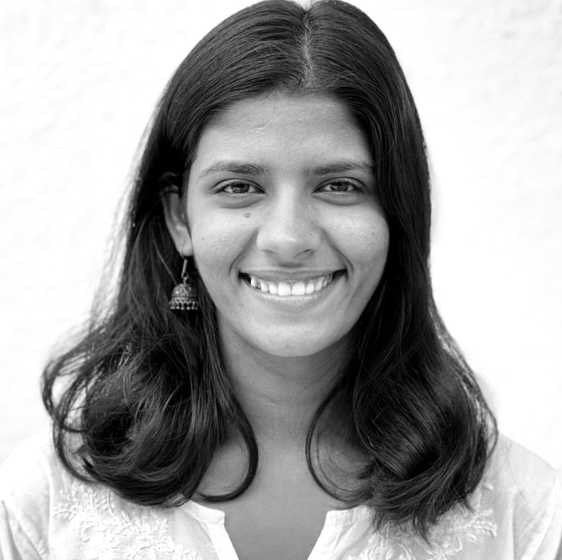
Surabhi Singh
Producer, Head of Newsreel Academy
Writing about myself! Oh, what a task! I am trying to be a journalist. Yes, trying to! I believe that a degree in journalism cannot make you a journalist. I have a diploma in journalism from Indian Institute of Mass Communication, New Delhi. But does that make me a journalist? Or does getting a job in a media house makes you one?
I was fortunate to start my journey with the nicest people who gave me the liberty to tell stories that touched my heart.
The society we grow up in shapes us. I come from Bihar, one of India’s most backward states. Today, I am privileged but many of my brothers and sisters face hardships that arise from this backwardness. And that reminds me of my responsibility towards the underprivileged sections of society. The journey so far has been extraordinary and has helped me understand both the world around me and within me. I hope the journey remains that of exploration, joy, empathy and understanding.
I can be contacted at Surabhi@Newsreel.Asia.
Cheers!
Video Features by Surabhi Singh
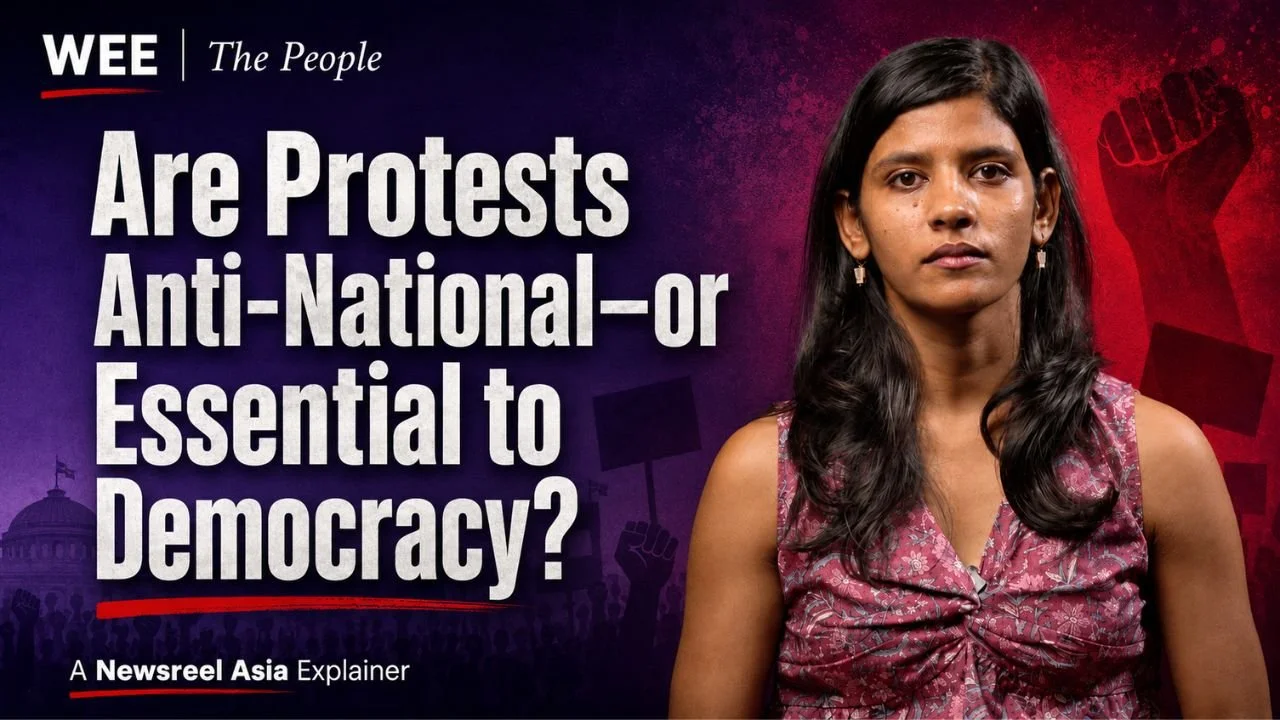
In this episode of WEE The People, we examine the history and importance of protests—from one of the earliest recorded workers’ strikes in ancient Egypt to the French Revolution, the labour movement, the struggle for universal voting rights and India’s freedom movement. We also explain how protests create change. By bringing people together, they make ignored problems visible, attract public attention, demonstrate collective strength and give people without money or institutional influence the power to negotiate with those in authority.
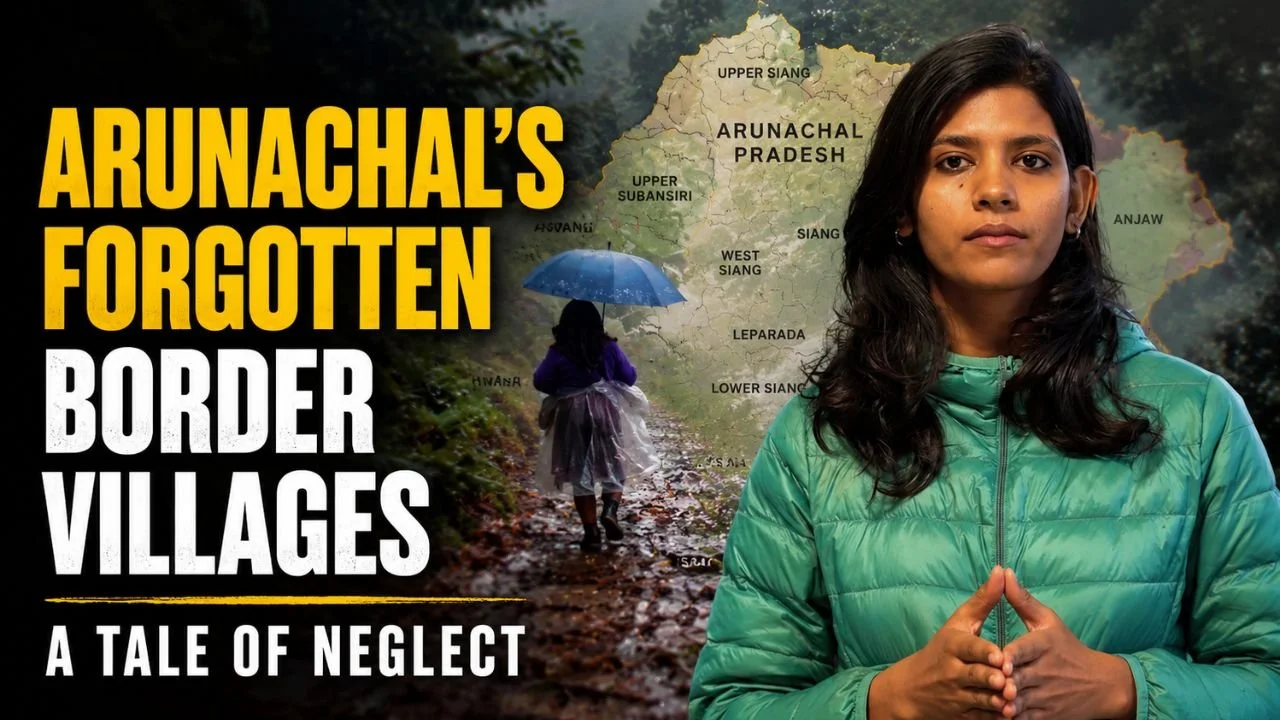
More than 500 villages along Arunachal’s border areas have seen depopulation, with families leaving behind their ancestral homes, ways of life and cultures. With even the most basic facilities missing, many people say they had no option but to move in search of a better future for the next generation. But this migration — not by choice, but because of circumstance — has left deep wounds of neglect.
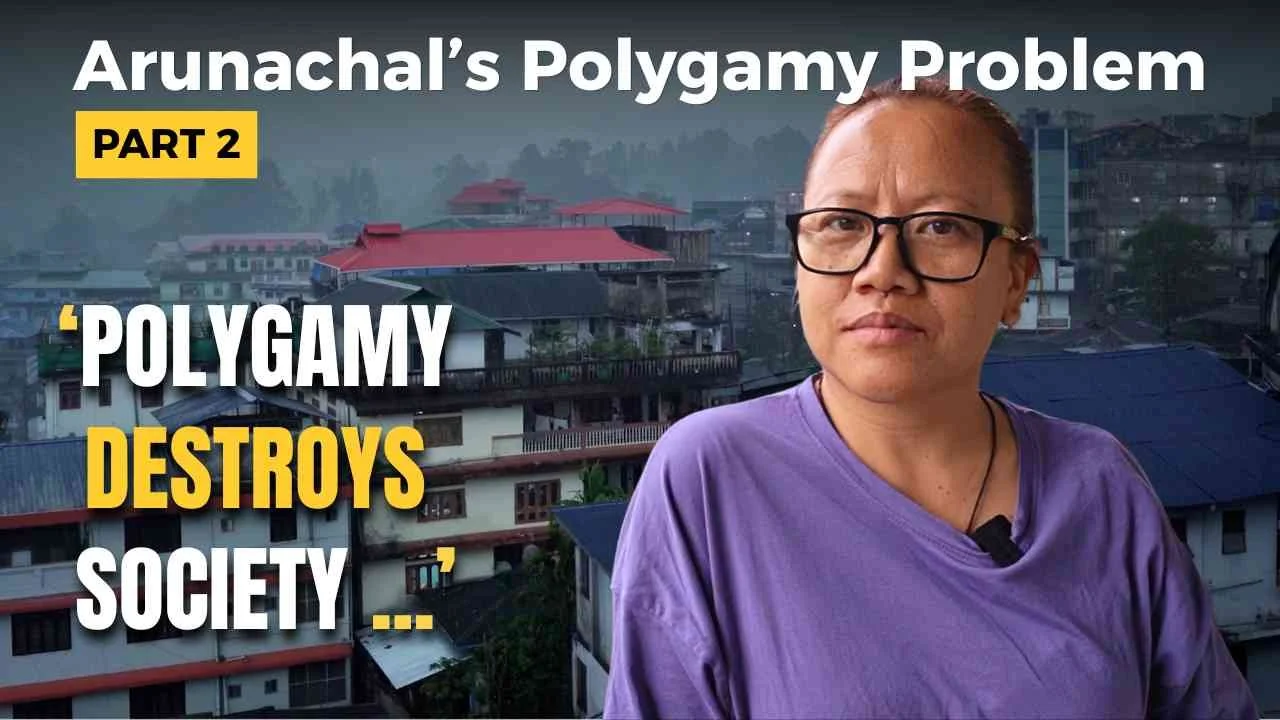
In Part 2 of the story on polygamy among tribal communities in Arunachal Pradesh, Nada Nampi, now an advocate, speaks about the disturbing impact this practice has on women, children, families, and society at large. When she met her husband, who had also grown up in a broken family shaped by similar circumstances, she felt she had found someone who would understand her. But some social customs are inherited in ways that the very patterns people suffer under become the ones they carry forward; and Nampi did not realise when her biggest fear would become her own reality.
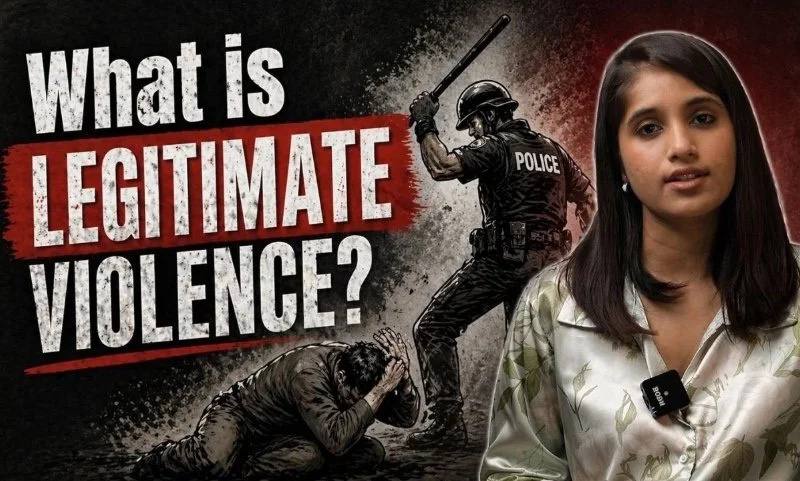
Why do we go to the police instead of taking revenge ourselves? Why does the court decide disputes instead of families settling them through force? The answer lies in the political science concept of “monopoly over legitimate violence.”
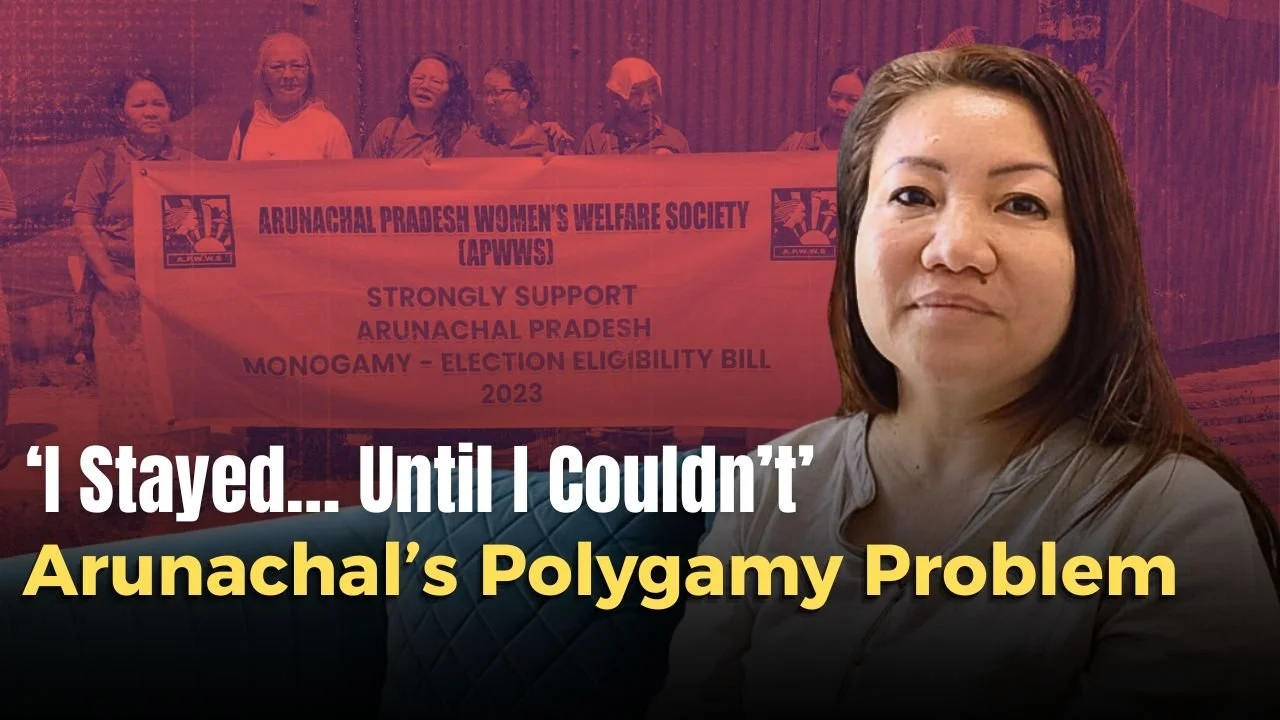
In Arunachal Pradesh, a predominantly tribal state known for its rich cultural heritage, certain traditional practices continue to shape everyday life. However, as conversations around rights, equality, and justice grow, many of these customs are being questioned. One such practice is polygyny—the system where a man can have more than one wife.
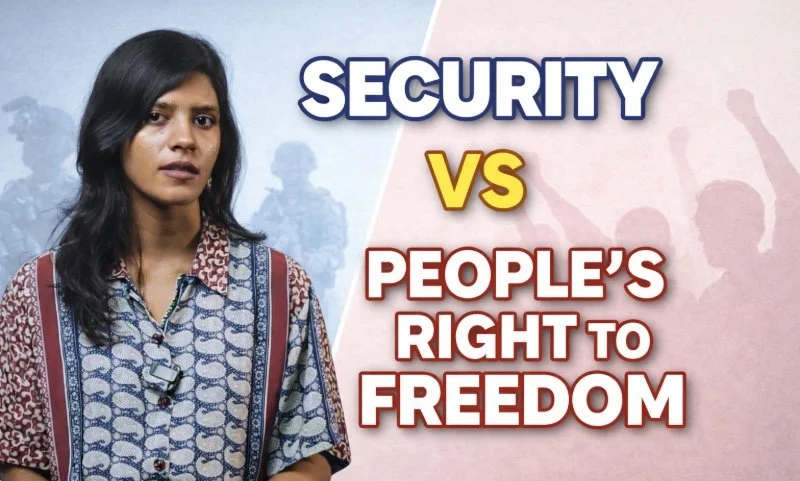
Do governments really need to limit our freedom to keep us safe? In this episode, we break down the concept of security politics and how states define threats, justify extraordinary measures, and expand their powers in the name of protection.
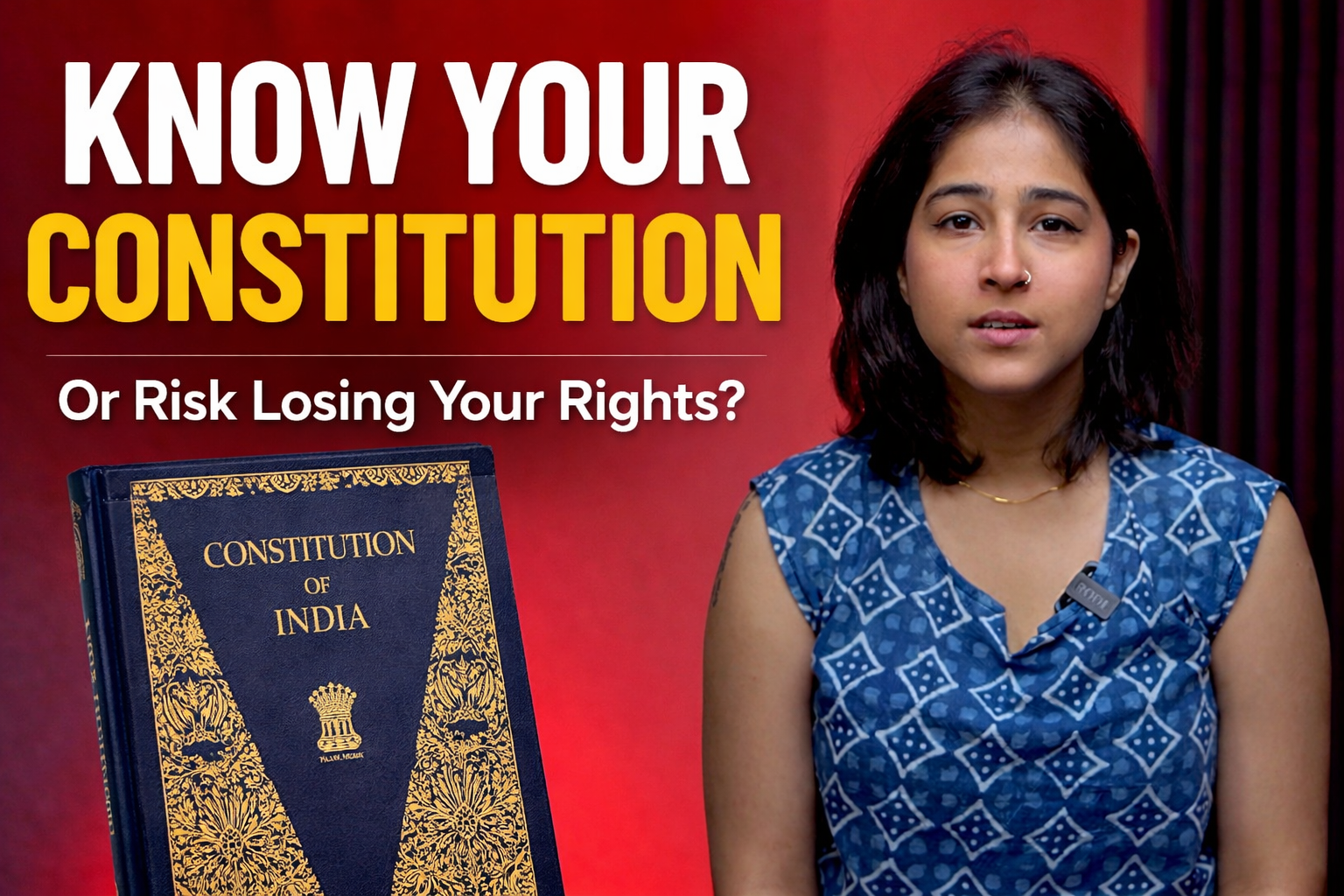
What is a Constitution, and why must every citizen understand it? In this episode of We the People by Newsreel Asia, we explain the meaning of a Constitution, how constitutionalism evolved from ancient law codes to modern democracy, and why the Indian Constitution remains central to protecting our rights, liberty and equality.
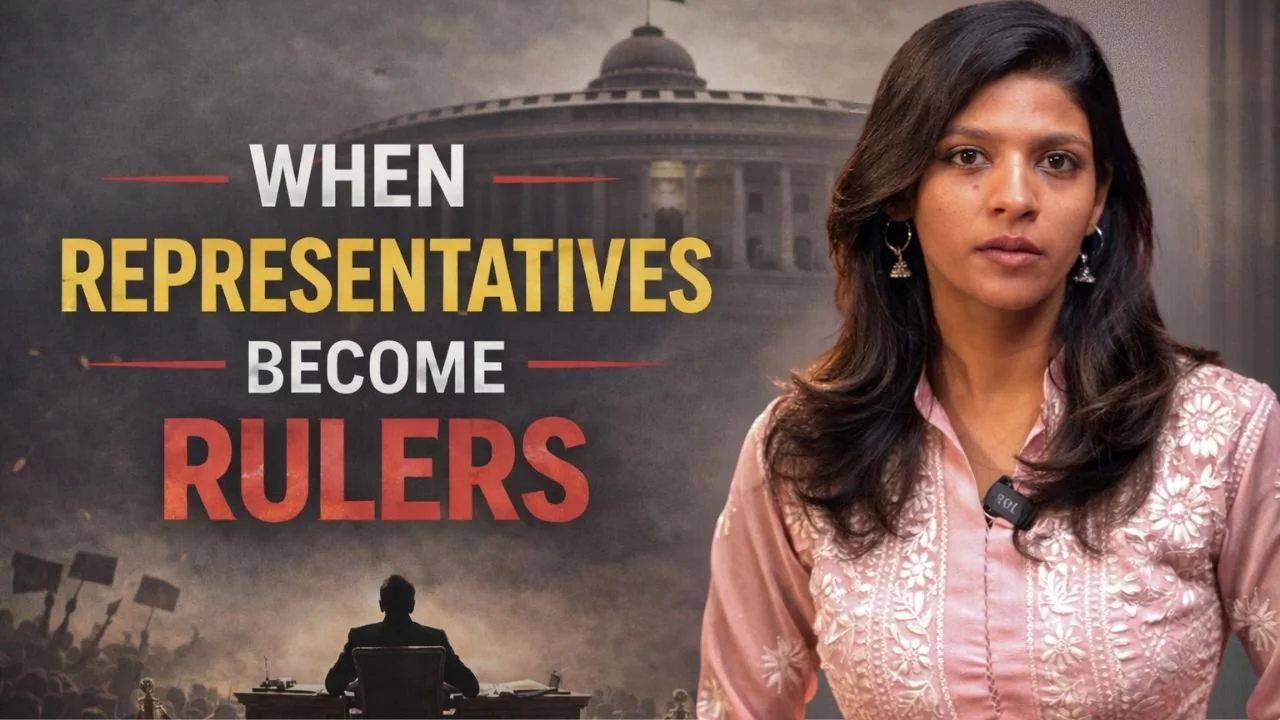
In a democracy, power is meant to belong to citizens. Elected leaders and public officials hold authority only as a trust — to serve the public and remain accountable to it. But over time, that relationship can begin to feel reversed. In this episode of “We the People,” Surabhi Singh examines how a system built on representation can gradually start to feel like control.
In this episode of We the People, Surabhi Singh breaks down a powerful but often misunderstood idea: rights are recognised, not granted. Using everyday examples and insights from political philosophy and constitutional law, this video explains why freedoms like speech, conscience, equality, and dignity don’t come from the state — they belong to us simply because we are human.
Surabhi Singh explains why the dignity of labour is not just a moral idea, but an economic necessity. From caste and class hierarchies in India to global examples like Germany’s vocational education system, this video explores how respect, fair wages, and legal protection shape productivity, skill-building, and economic growth. Drawing on ideas from thinkers like Émile Durkheim, George Akerlof, Gary Becker, and Dr B. R. Ambedkar, this explainer shows how undervaluing manual and skilled labour weakens economies.
In democracies, we expect rights to disappear loudly — through bans, crackdowns, or open repression. But in reality, freedom is often taken away quietly, through laws, procedures, and paperwork.
Why does bad governance continue even when problems are clearly visible all around us? In this episode, Newsreel Asia producer Surabhi Singh breaks down how distraction politics allows those in power to escape accountability. From unemployment, healthcare failures, and broken public services to culture wars, identity politics, and manufactured controversies, this video explains how attention is deliberately shifted away from real governance issues.

Bhutan hosts the first-ever Global Peace Prayer Festival 2025 in Thimphu, held in continuation of the celebrations marking the 70th birth anniversary of His Majesty the Fourth King, Jigme Singye Wangchuck — the visionary behind Gross National Happiness. The two-week festival brings together spiritual leaders, monks, and practitioners from around the world to offer prayers for peace, compassion, and global harmony. The event features powerful rituals such as the Jabzhi Dhoechog, Bazaguru mantra recitation, and the Kalachakra Empowerment led by His Holiness the Je Khenpo. It also marks historic milestones, including the ordination of over 250 Buddhist nuns, symbolizing inclusivity and empowerment. Buddhism, founded by Siddhartha Gautama—the Buddha—is a spiritual tradition centered on compassion, mindfulness, and the path to liberation from suffering. Over time, it evolved into three major sects. Theravada, practiced mainly in Sri Lanka and Southeast Asia, preserves the earliest teachings and emphasizes individual enlightenment through meditation and discipline. Mahayana, widespread in East Asia, focuses on the Bodhisattva ideal—seeking enlightenment not just for oneself but for all beings. Vajrayana, prominent in the Himalayas including Bhutan and Tibet, uses advanced rituals, mantras, and tantric practices to accelerate spiritual transformation. Together, these traditions reflect Buddhism’s rich diversity while sharing the same core message: awakening through wisdom and compassion.All three major Buddhist traditions — Theravada, Mahayana, and Vajrayana — are coming together to participate in this peace prayer programme. Their unified presence makes the festival truly historic, as it brings diverse Buddhist lineages under one roof to offer collective prayers for harmony, compassion, and global peace. With Prime Minister Narendra Modi joining the celebrations, the festival stands as a profound expression of Bhutan’s spiritual heritage, unity, and its enduring message of peace to the world.
Online technology, despite its many advantages and advancements, now faces a formidable challenge. How do we safeguard our emotional and psychological wellbeing? This is the third in a series of stories and interviews by Newsreel Asia journalist Surabhi Singh, looking into how social media platforms and messaging apps have increasingly become hubs for the circulation of harmful and illegal sexual content. Now, joining these digital spaces are AI platforms, adding a new and deeply complex layer of concern.
What’s really happening to young minds on the internet?
In this powerful conversation, Newsreel Asia’s journalist Surabhi Singh speaks with Nirali Bhatia, a leading cyberpsychologist and counselling expert, about the dark side of India’s online world — where young boys are getting exposed to extreme sexual content, misogyny, and even fantasies involving their own mothers and sisters.

Was Nepal’s PM K.P. Oli scared of Gen Z and the emerging young political leaders? In the guise of “regulating” apps, was his real aim to tighten control over the content being posted against him and his government?
When his administration banned 26 social media platforms overnight, it triggered one of the biggest youth uprisings Nepal has ever seen. What began as anger over losing WhatsApp, Instagram, and even LinkedIn quickly turned into a fight against corruption, unemployment, and years of failed governance. This wasn’t just a protest — it was a generational roar demanding change.
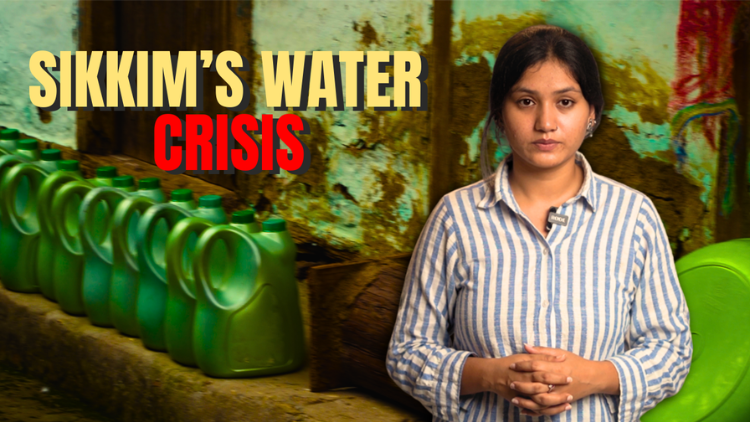
Sikkim, despite being rich in rivers, is facing a severe water crisis. In South Sikkim, where rainfall has dropped sharply, villagers like Durga have stepped in to fill the gaps left by failing systems. Once a farmer, he now works as an unpaid “barefoot engineer,” keeping water flowing when infrastructure cannot. This is the untold story of survival in the hills.

Despite Warnings by environment experts, development projects like dams are turning out to be deadly. Destroying mountains, flooded rivers, The flash floods, cloudburst are not just natural, they are man made disasters. Newsreel Asia’s producer Surabhi Singh travelled to Northeastern state of Sikkim to explore how a dam aggravated the flash floods of October 2023.

Narsisus was addicted for 27 years and survived multiple suicide attempts. Today, he runs a modest community rehab centre. With no frills, only a few beds, basic meals and peer support, it offers a fragile but vital lifeline for those who walk through its doors. His journey, from the darkest moments to helping others avoid the same brink, unfolds in a state battling one of India’s deadliest mental health crises: Sikkim.
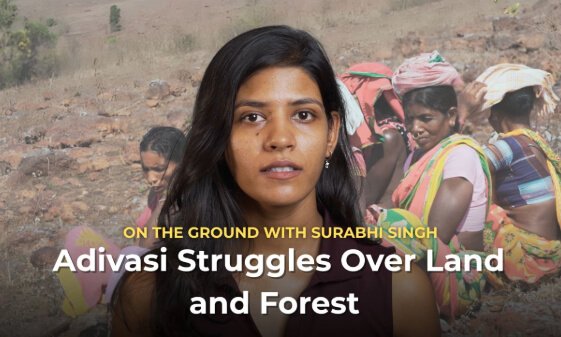
Newsreel Asia producer Surabhi Singh has travelled across parts of central India, reporting from remote tribal areas in Chhattisgarh and Odisha. In this video, she shares what she saw on the ground – the continuing struggle of Adivasi communities to protect their land, forest and natural resources.

Mohanty Soren and Telenga Hasa, belonging to the Ho and Munda tribes, once lived in a region at the heart of the Simlipal Tiger Reserve in Odisha’s Mayurbhanj district. Just three years ago, their lives revolved around cultivation, surrounded by dense forest. Now, after being forced to vacate his land, Hasa lives 180 KM apart. Each time he returns to visit Soren in his former village, he is overcome with reflection and sorrow.
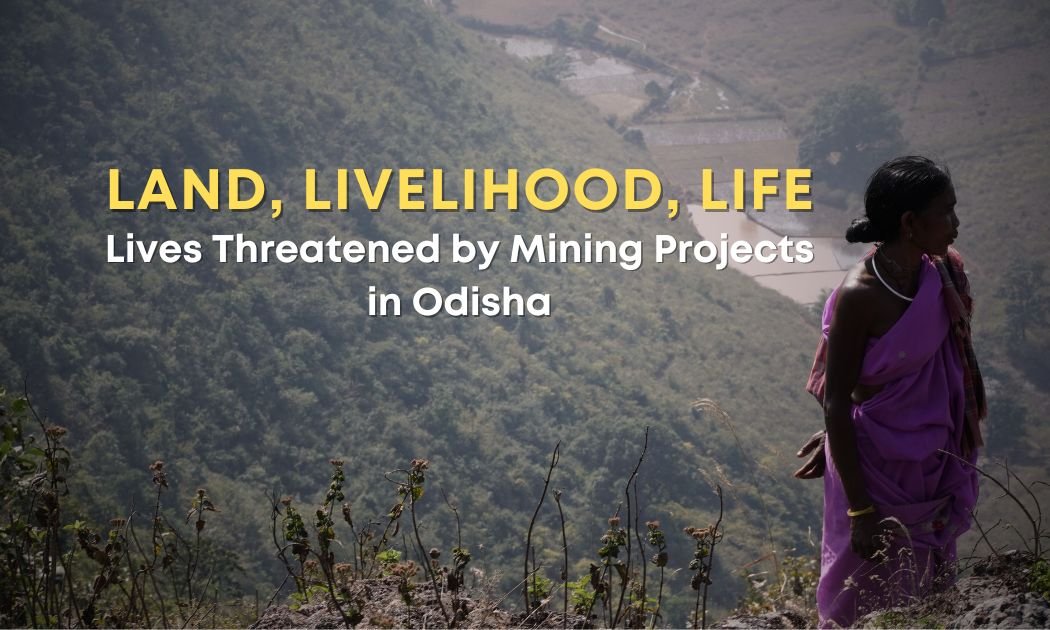
Umakant Naik, a resident of one of the many villages tucked away at the foothills of Sijimali Hills, is a firsthand victim of an ongoing tussle between local tribal villagers, a mining giant and the State. Known locally as Tijimali, the Sijimali Hills are home to nearly 50,000 residents, primarily from Scheduled Tribes and Scheduled Castes, whose lives are deeply connected to the region’s forest, water and land resources. The mountain streams provide drinking water, while timber and wood offer shelter and fuel. Agriculture and forest resources sustain their daily needs. The “Tij Raja,” a spiritual presence believed to dwell in the hills, serves as a cultural and spiritual anchor for the community. But this harmonious way of life is now at risk.
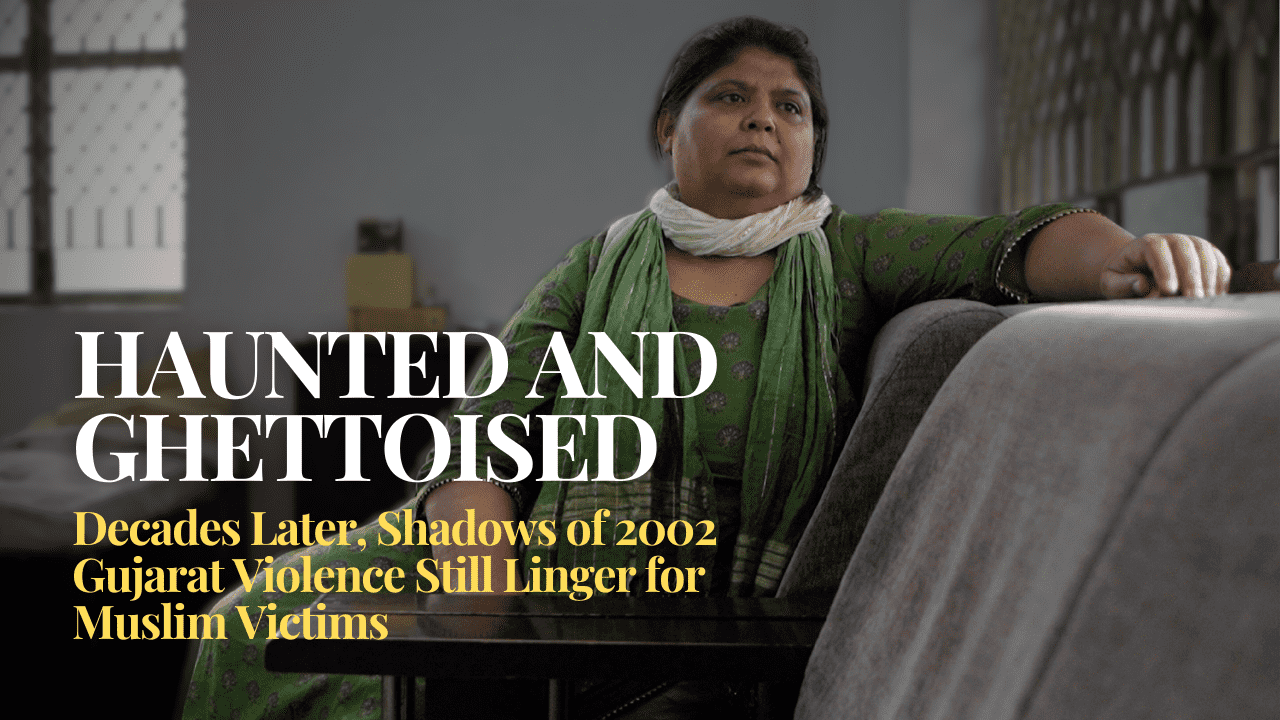
Khairunissa, along with her siblings and parents, spent years living in a multi-religious and multicultural apartment in Ahmedabad, Gujarat. When communal tensions and targeted violence against Muslims erupted in the city on February 28, 2002, her family initially felt secure, confident that their neighbours would be able to protect them. But then Khairunissa saw a mob approaching their building. In an instant, their lives and circumstances changed dramatically. More than 22 years later, the lasting impact continues to affect them and hundreds of thousands of Muslims in the state.
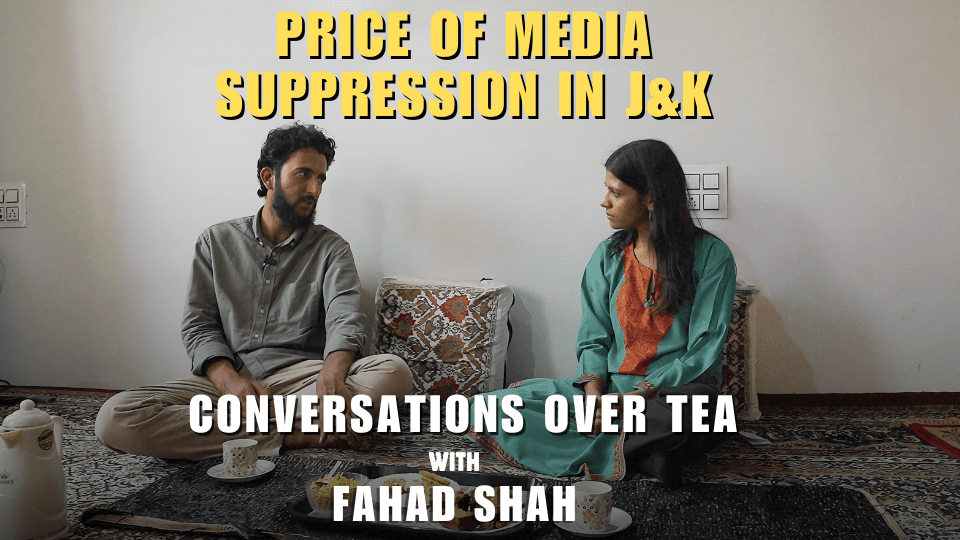
Fahad Shah was a student in 2009 when he launched Kashmir Walla, a modest blog that would grow into a vital voice in the fraught landscape of Jammu & Kashmir. Over the years, Shah’s work came to embody a passionate dedication to journalism—until 2022, when he was arrested under India’s stringent anti-terror laws, accused of 'propagating terror.' He is not alone. Since the Indian government's abrogation of Article 370, which revoked Jammu & Kashmir's special status, journalism in the region has become increasingly difficult. In this account, Shah reflects on his journey, the evolution of Kashmir Walla, and the 600 days he spent as a prisoner.

Neikochin is among the 67,000 individuals displaced by ethnic violence in Lamka, as local residents of Manipur's Churachandpur district prefer to call this region. A member of the minority Kuki-Zo tribe, she has taken refuge in one of the 115 relief camps established across the district. Basic supplies are available in the camps, but the extended displacement, combined with minimal government aid, has inflicted significant emotional and physical suffering. This crisis has resulted in the deaths of more than 100 displaced individuals, including many children. Neikochin’s 20-year-old son, Haovingly, was among those who died.
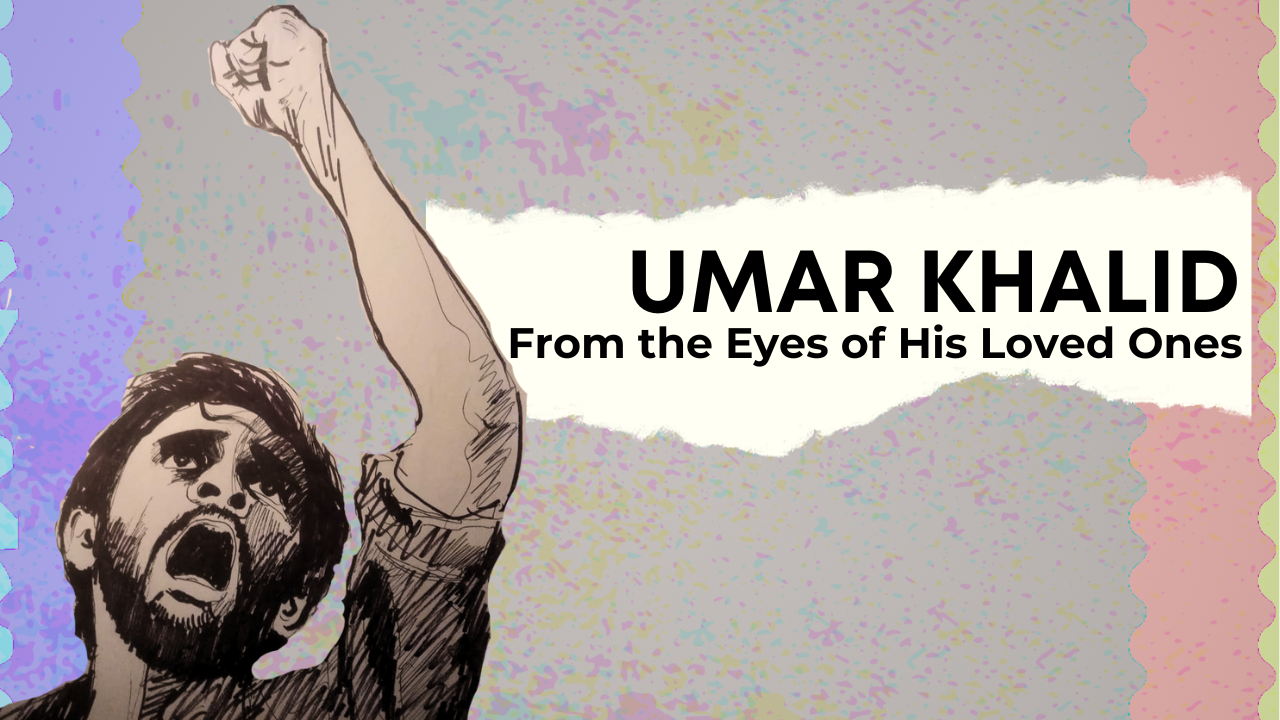
Umar Khalid, who once dreamed of playing cricket for India, now faces serious terrorism charges from the government. The vilification spurred by media trials reached its peak with a chilling assassination attempt. He's been in prison for 3.5 years as of March 2024, highlighting a worrying crackdown on dissent in India. This is his story, as told by his loved ones.

Maharashtra holds the unfortunate record for the highest number of farmer and farm labourer suicides in India, witnessing an average of 11 deaths per day as. This grim reality forces many women, including Sarika, to fend for themselves and their families. Despite facing adversity, Sarika persists with unwavering determination to provide for her children.
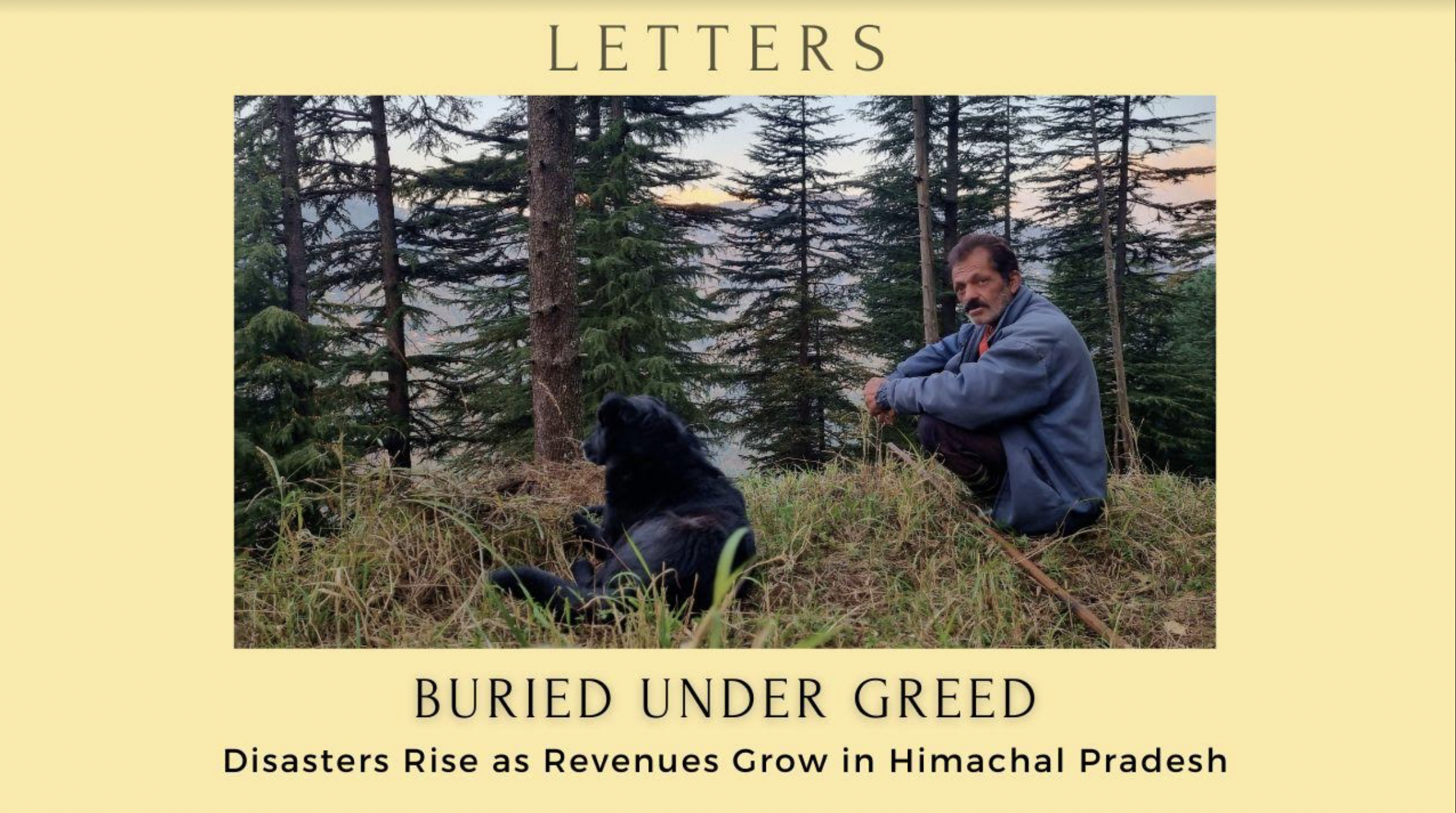
Jai Chand, a farmer from Shimla's Kumarsain Tehsil in Himachal Pradesh, faced a devastating nightmare when a landslide claimed the lives of his son, daughter-in-law, grandson and destroyed their home. He and two other family members survived, but now they endure a life marked by grief and hardship.

Amar Ram would hide whenever the village landlords arrived to recruit labourers, often coercing them into working in their agricultural fields for a meager wage of 2.5 kg of paddy. His wife becomes emotional whenever she recalls the time when their meals consisted of nothing more than chili and chapati.
Text Features by Surabhi Singh
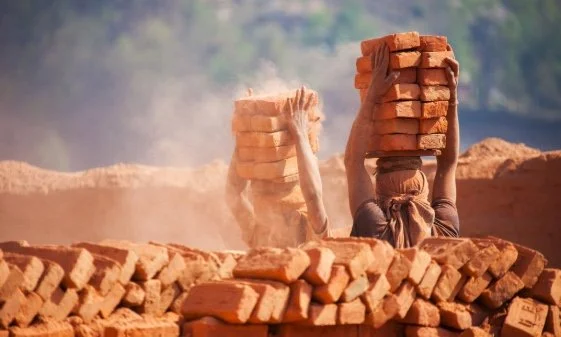
In India, the idea of dignity of labour is missing in large part due to the caste system. While some discussion has begun, much of it centres on showing respect to workers or speaking favourably about their occupations. This limited framing can mask deeper issues of discrimination, exclusion and injustice. It does little to uphold the dignity of either the worker or the work.

On Sept. 10, an Instagram conversation with a young boy led me into a disturbing digital ecosystem where violent sexual content circulates freely. I now fear that a generation of boys may grow up normalising harmful sexual behaviour and misogyny.
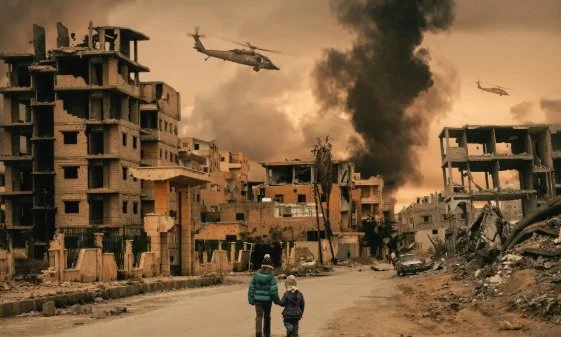
Amid renewed Israeli military operations in Gaza City on Aug. 29, UN aid agencies repeated their warning that the territory is heading toward large-scale famine. A top UN humanitarian official said at least half a million people are already facing the worst levels of food insecurity, and 160,000 more could soon fall into the same category, as hunger and disease rise across the devastated enclave.
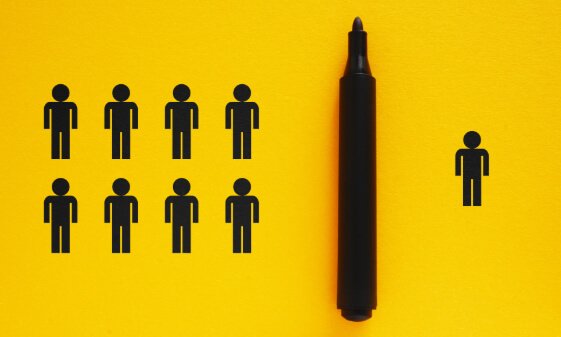
Caste is not new to Indians or many South Asians. For centuries, Dalits have faced deep-rooted discrimination, exclusion and poverty because of a rigid social order that links a person’s descent to their assigned work. But this kind of inherited inequality is not just an Indian story. Over 260 million people across Asia, Africa, Europe, Latin America, and even North America face similar treatment. Addressing it will require both building a coordinated, global institutional response and confronting the deeper human impulse to rank and divide.
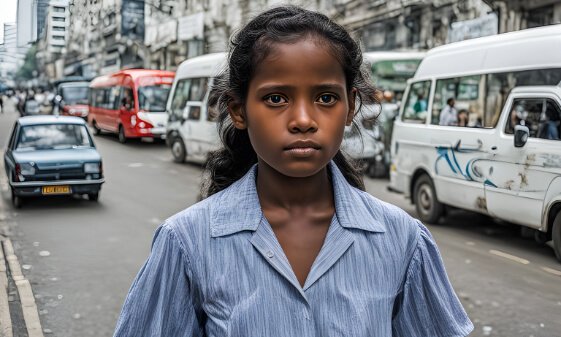
The discovery of a new mass grave in Sri Lanka has once again exposed a truth many have long chosen to ignore—when a government uses violence in the name of peace, it does not stop with those initially targeted. It normalises a dangerous value. That value shapes the system, and in time, becomes the state’s default method of control. Eventually, it turns against everyone.
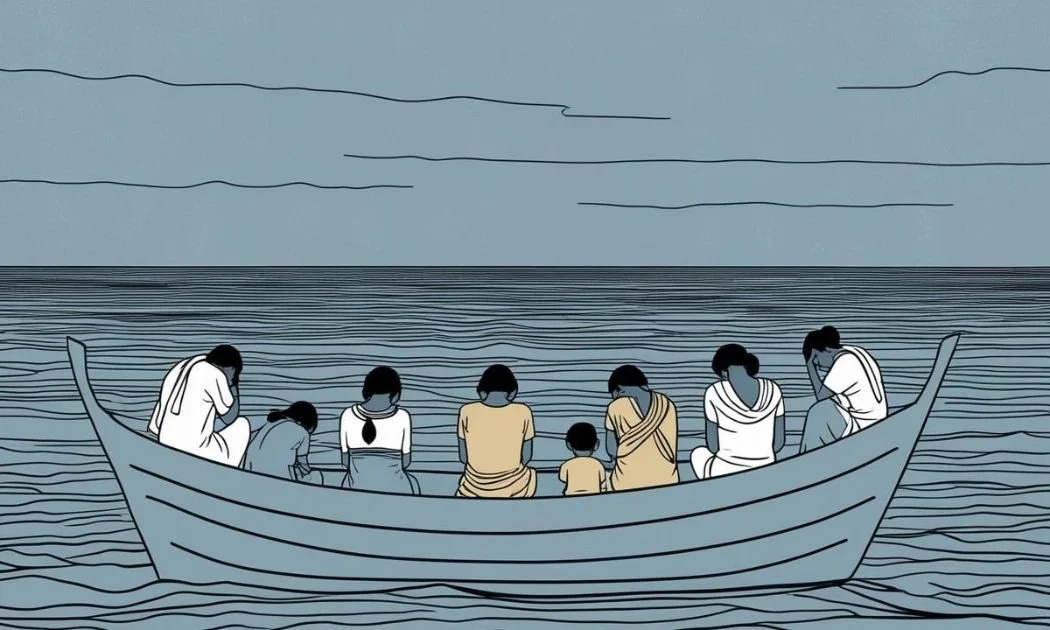
Indian authorities have allegedly “abandoned”—rather than deported—40 Rohingya refugees in international waters near the Myanmar maritime border, forcing women, children and the elderly to swim to safety using life jackets. The action could be seen as a “secret rendition,” a term used to describe the covert transfer of individuals across borders without legal process.

Acid attack survivors found allies in Parliament on April 2, as Rajya Sabha MP Sanjay Singh from the Aam Aadmi Party (AAP) led a meeting to push for stronger legislative action against the crime. Joined by about eight other MPs at the Constitution Club of India in Delhi, Singh amplified the demands of Brave Souls Foundation (BSF)—a survivor-led NGO—calling for stricter laws and better support for victims.
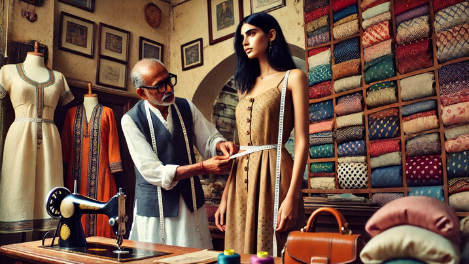
The Uttar Pradesh (UP) State Women’s Commission has proposed a series of measures aimed at protecting women from harassment, including unwanted advances and inappropriate physical contact. These measures include prohibiting men from taking measurements of women in tailor shops, cutting their hair or training them in gyms. What impact would this proposal have on the residents if it were enacted? I went out to collect their reactions.
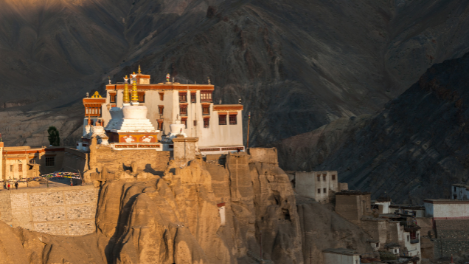
Having traveled 1,000 kilometers on foot, a group is now on a 21-day hunger strike in Delhi, advocating for statehood for their homeland, Ladakh, in the Himalayas in India. On the sixth day of their fast, Oct. 11, I spoke with Mehdi Shah, a key member of the group, to understand why they are so passionate about statehood and fearful of remaining a Union Territory after four years of direct governance by a distant central authority.

Stepping off the plane at Kathmandu Airport in Nepal, I felt a rush of anticipation. A sign with my name awaited me, and a van whisked me and fellow delegates off to a conference destined to reshape my perspective on South Asian unity. The venue, buzzing with energy, was our meeting ground.
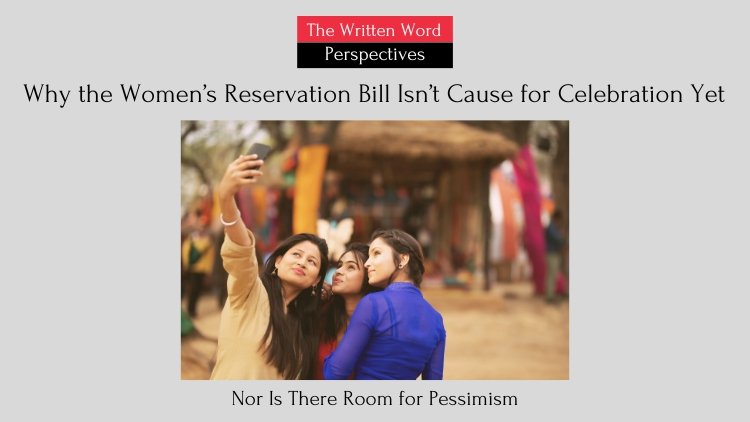
The Women’s Reservation Bill was tabled in Parliament in 1996, the same year I was born. Now, at 27, I see it has finally passed. Yet, it won’t take effect until I’m 33. Beyond this glaring delay, I have two other criticisms, one apprehension and eight suggestions for the legislation to make a difference.
This video looks at the role social media played in the rise of the Cockroach Janata Party and the wider Cockroach Movement in India. From Instagram and short-form videos to memes, satire and real-time responses, CJP and independent creators were able to build a political narrative around education, employment, accountability and governance, while pushing back against attempts to define the movement through communal or anti-national frames.