Do Teachers and Parents Really Understand What Students Go Through in School?
A Study Done Across High-Fee Private Schools Says They Don’t
December 31, 2025
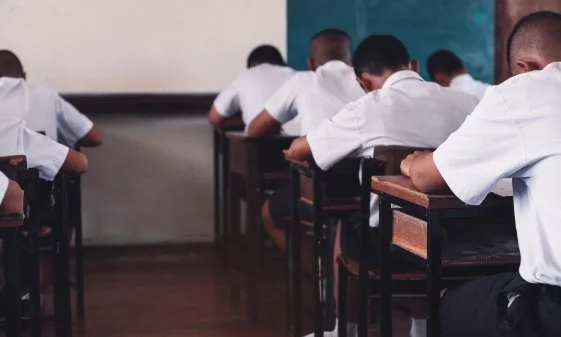
A new survey has revealed a consistent gap between what students across high fee private schools experience and what teachers and parents believe is happening inside classrooms and beyond. This suggests that decisions about teaching, discipline, technology use and wellbeing are being influenced by adult assumptions rather than student reality, which risks deepening stress, weakening trust and leaving schools poorly prepared for the social and technological world students already inhabit.
The 2026 Student Sync Index by Jetri, an education research and advisory organisation, studied eight key areas of school life, including AI and tech use, emotional safety, extracurriculars, teaching quality and leadership. The goal was to measure how closely adult assumptions matched student realities, rating them as high, medium or low sync.
The report, after surveying 3,785 people, which included 1,235 students, their parents, and 1,315 educators, across metro cities, boarding schools and day-boarding models, found that most of the eight strands showed medium or low alignment. This points to a system that often claims to be student-centred but continues to operate on outdated or misjudged ideas of what students are actually going through.
In the area of technology and AI, the mismatch is stark.
Students are already integrating AI into their learning routines, with a third reporting frequent use. But 50 percent of teachers say they are expected to use technology without training, and 69 percent of parents are not confident about guiding their children in this area. Many students receive no instruction on responsible AI use at all. Instead of coordinated policy, there is individual improvisation, hesitation and confusion.
The report finds similar fragmentation in how different groups view motivation and success.
Most students see success as good grades and college admission. Teachers, however, look for signs of self-driven learning and personal initiative. Parents prioritise academic outcomes but also claim to value holistic development. Only 2 percent of students connect success with real-life readiness. The system rewards performance, but does not build purpose.
Stress is one of the few experiences shared across all three groups, but here too the understanding breaks down.
Teachers report seeing student stress daily, and most students say they feel it regularly. Parents, on the other hand, tend to minimise the emotional burden their children carry. The support students receive depends largely on which adult they encounter, with no systemic response in place. Students often avoid speaking up, either because they do not feel heard or do not think it will make a difference.
Extracurricular activities, while widely available, offer little substance.
Nearly half the students say they take part in school clubs and sports, but only one in five feel these experiences help them grow. Many say they participate because they are expected to, or simply to pass time. Teachers believe students are genuinely engaged, and parents assume leadership roles carry real influence. In practice, both groups overestimate what these activities mean to students. What schools present as opportunities for development often end up being routine or symbolic, with little real impact on how students see themselves or their abilities.
School climate and culture is one of the few areas where students, teachers and parents largely agree. Most students feel safe at school, teachers speak positively about leadership and instruction, and parents say they trust the environment their children are in. But even in this zone of apparent alignment, warning signs remain. Students point to rigid rules, ongoing stress and limited options for engaging activities. Just 3 percent of teachers consider technology use a strength, despite growing demand from students. What looks like a stable foundation may be masking a reluctance to adapt, even as student expectations continue to change.
In terms of teaching, there is consensus that reform is needed.
Students want lessons that are engaging, relevant to the real world, and clearly explained. Parents echo this by calling for better training in mental health support and inclusive teaching methods. Teachers also recognise the need for change and say they have the freedom to adjust how they teach, but they lack the support, time and resources to do it well. Many end up working alone, without collaboration or guidance, and the training they receive often fails to reflect what actually happens in their classrooms.
Reputation continues to dominate how schools are evaluated.
Seventy-seven percent of parents say rankings influenced their school choice, and many teachers admit that board results shape how they teach. Students, however, describe school as useful but unremarkable. The risk is that schools optimise for public image rather than the everyday quality of learning.
Most schools collect feedback from students and parents, but this input is rarely used in a structured way. It often sits within informal channels, with little follow-through or clear outcomes. Teachers work largely on their own, and collaboration across departments is limited. Though schools are aware of key training needs, such as support for diverse learners, classroom management and student well-being, these areas are not backed by consistent professional development.
The report says schools need to stop focusing on systems built around institutions and start designing around students. It recommends setting up clear AI learning programmes for students, teachers and parents, replacing some exams with student-led projects, and creating step-by-step support systems to care for students’ emotional health.
You have just read a News Briefing by Newsreel Asia, written to cut through the noise and present a single story for the day that matters to you. Certain briefings, based on media reports, seek to keep readers informed about events across India, others offer a perspective rooted in humanitarian concerns and some provide our own exclusive reporting. We encourage you to read the News Briefing each day. Our objective is to help you become not just an informed citizen, but an engaged and responsible one.