
What We Can Do to Resist Gig Worker Exploitation
From the Editor’s Desk
January 1, 2026
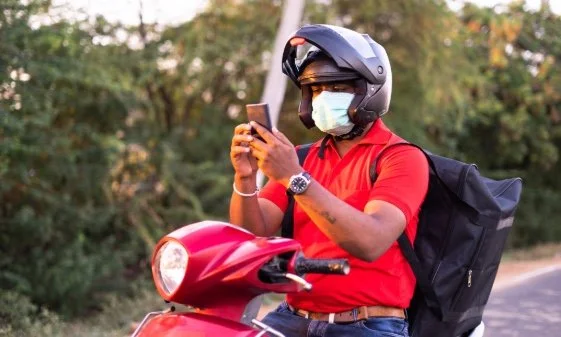
Hundreds of thousands of gig workers across India logged out of the apps they work for, staging a coordinated strike to demand better wages, safety and dignity from their employers. But the focus now shifts to us, the customers. These platforms, like Swiggy, Zomato, Blinkit and Amazon, operate because we use them. So what could we do, as consumers, to support the workers who bring us our food, groceries and parcels?
The strike by the Indian Federation of App-Based Transport Workers (IFAT) on December 31 was to seek a reversal of recent pay cuts, an end to the dangerous 10-minute delivery model, payment even for cancelled orders, and protection from arbitrary suspension, according to The New Indian Express.
Their grievances are rooted in deteriorating work conditions. A delivery worker who was earning 10 rupees per kilometre just three months ago now gets 6 rupees. For cancelled orders, the worker receives nothing, even if they’ve already travelled part of the distance. The 10-minute delivery promise, designed for our satisfaction, has turned into a safety hazard for them. Racing to meet deadlines, riders have had accidents and face daily physical risk. And their accounts are blocked if a customer complains, often without investigation or a chance to respond.

The people who deliver our food, groceries and parcels keep the system running, and many of us depend on them every day. It may seem easy to place an order with a few taps, but the real cost is paid by the workers doing the job. Still, we don’t have to choose between using these apps or avoiding them completely. There are practical steps we can take as customers to stand up against unfair practices.
We could choose to avoid using the 10-minute delivery option. However fast it may seem, it puts delivery workers under pressure to meet risky deadlines. The promises made by platforms about smart systems or local sourcing do not remove the pressure on workers to hurry. We could instead select the standard delivery option and avoid tipping or praising fast deliveries, so that speed is not rewarded over safety.
We could try not to cancel orders unless truly necessary. What may seem like a small decision to us can result in lost time, fuel and pay for the person on the way to deliver it. Some platforms even penalise workers for cancellations that happen while they are already en route. If a cancellation cannot be avoided, we could consider tipping the worker or sending a message through the app explaining that the cancellation was not their fault. This could help prevent penalties linked to customer feedback.
Further, we could be careful before filing a complaint through the app if an order is delayed or goes wrong. A single low rating or negative comment, even when the problem wasn’t the worker’s fault, could lead to their account being blocked. Most platforms do not allow workers to respond or explain. Instead of reacting quickly with an emoji or preset response, we could leave a short note that makes it clear the worker was respectful or cooperative. If the issue was with the app or packaging, we could direct the complaint to the company rather than the person who delivered the order.

We could also use our voice to ask questions and raise concerns through reviews, social media or direct feedback to the companies. Questions about falling pay, safety measures for workers, or whether riders are ever consulted before new features are rolled out could be raised politely but firmly. These messages, especially from regular customers, can carry weight and push companies to respond more responsibly.
Furthermore, we could support efforts to improve legal protections for platform workers. India’s labour laws still do not clearly define the status of gig workers, which allows companies to avoid certain responsibilities. Wherever possible, we could back campaigns that call for fair pay, basic safeguards and proper channels to resolve disputes, by signing petitions, sharing verified information, attending public meetings or supporting unions and worker-led organisations that are pushing for legal reforms.
Finally, we could pause to think about how often we use these services. Some deliveries may be necessary, but many are simply a matter of habit. Choosing to cook, shop nearby or plan ahead could help reduce how much we depend on systems that treat workers unfairly. We should be more aware of how our choices affect others and use that awareness to act more responsibly.
You’ve just read a News Briefing written by Newsreel Asia’s Text Editor, Vishal Arora, meant to cut through the noise and bring you one important story of the day. We invite you to read the News Briefing daily. Our aim is to help you become a sharp, responsible and engaged citizen who asks the right questions.

What happened in Mumbai on October 2 may have been only one day of protest, but the issues behind it are unlikely to disappear with the dispersal of the crowd. The protest was centred around concerns over the Election Commission, electoral rolls and the Special Intensive Revision (SIR) exercise, with protesters demanding accountability from Chief Election Commissioner Gyanesh Kumar. At the same time, similar mobilisation has been taking place across different parts of the country, with student groups, Opposition parties and civil society organisations raising concerns over the electoral process. Newsreel Asia spent the day at Mumbai Protest capturing the preparations, the police presence, conversations with protesters, the atmosphere on the streets and how the day unfolded. The speech of Cockroach Janta Party's leaders and sentiment of protestors seemed larger than the concerns regarding the electoral process. Will this lead to something bigger?