
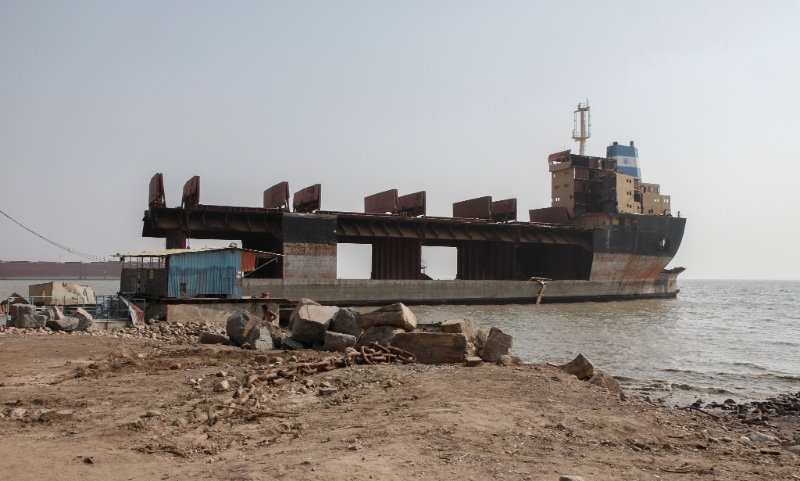
More European Ships Could Head to India for Scrapping, Raising Safety and Pollution Risks
India could be facing a much larger influx of old European ships being dismantled on its beaches in the coming years, exposing Indian workers and coastal environments to the hazards of an industrial practice that Europe itself does not permit, according to a new report.
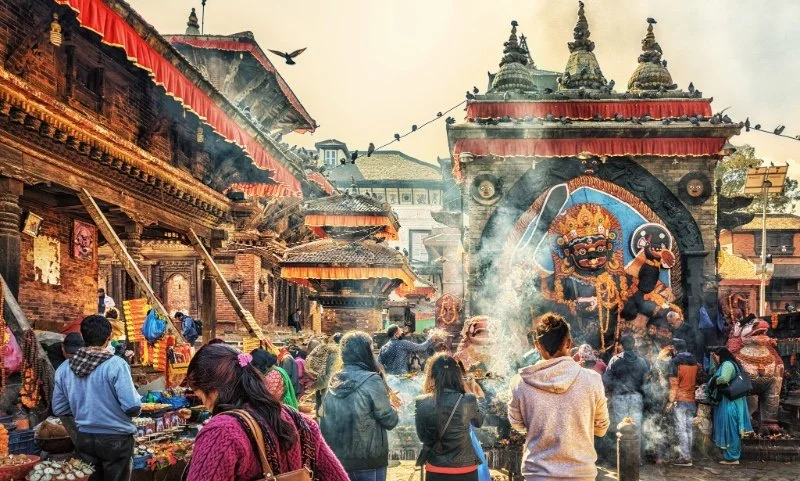
Nepal’s Political Mood Is Becoming Religiously Charged
Nepal underwent an epochal political upheaval just a year ago, toppling the government in a fashion few could have imagined. An even more dramatic development followed. Voters handed a near-supermajority to the Rastriya Swatantra Party (RSP), which was founded only four years earlier. Its senior leader, Balendra Shah, became the youngest prime minister in Nepal’s history and has since been leading the country.
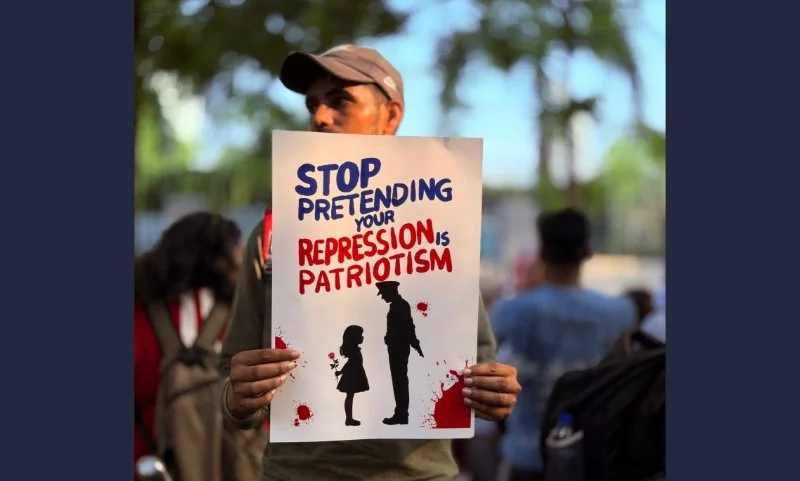
How Political Ego Made the CJP Protests a Crisis for the Government
The government could have prevented the Cockroach Janta Party (CJP) protests from becoming a national political crisis for itself. It had several opportunities to do so but missed each one, apparently because key decision-makers treated compromise as weakness and dissent as a challenge to their authority. Political ego ended up putting at risk not only the government’s standing, but also public confidence in institutions acting on its behalf.
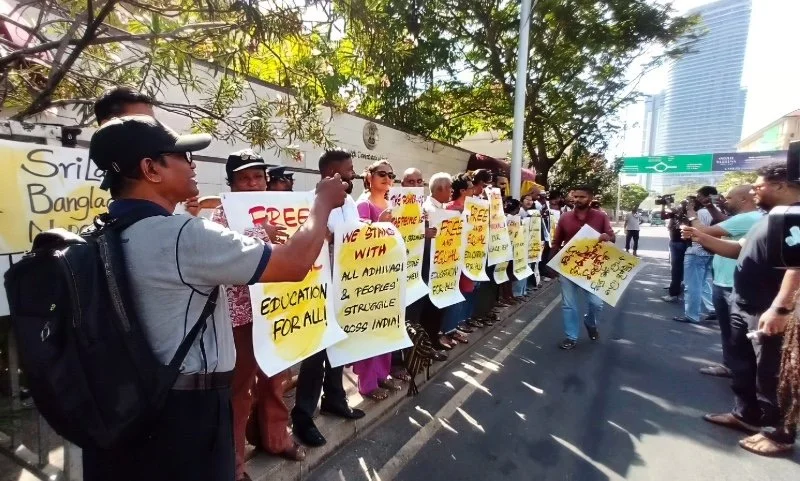
Sri Lankan Youth, Groups Rally in Solidarity with India’s Student Protesters
Youth activists, organisations and trade unions in Sri Lanka expressed solidarity with student protesters in India by holding a peaceful demonstration outside the Indian High Commission in Colombo in support of weeks-long protests against exam-paper leaks and alleged police violence.

Nepal-Led Coalition Seeks UN Endorsement for Dignified Menstruation Day
An international advocacy network is pressing the United Nations to formally endorse December 8 as International Dignified Menstruation Day, an observance it has held for seven years without official recognition from the world body.
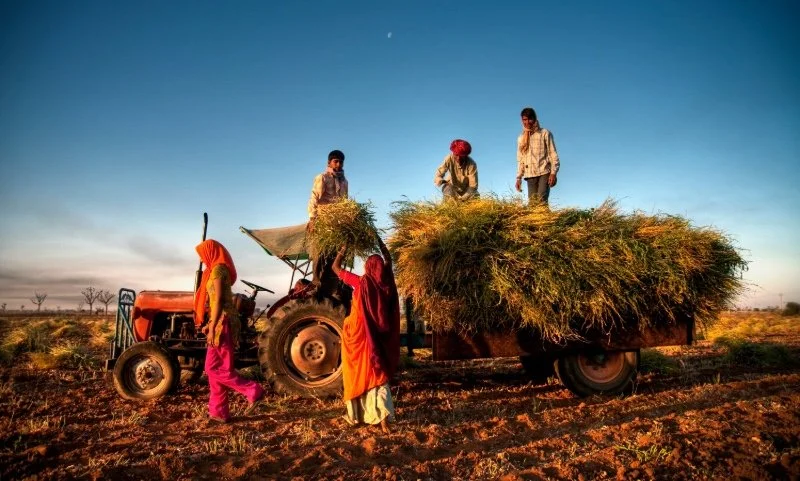
Explained: Why Farmers Are Opposing the India-US Trade Agreement
Farmers in Punjab and Haryana have been protesting against a proposed bilateral trade agreement between India and the United States. They are concerned that opening India’s agricultural market further to American products could place millions of Indian farmers at a serious disadvantage because the two agricultural systems are very different in size, costs and government support.
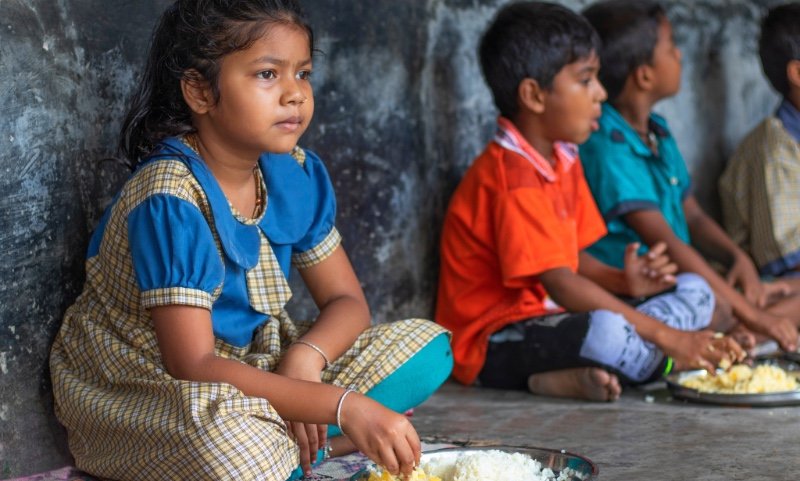
NGOs Can Receive Foreign Funds Only for Government-Approved Purposes
The Union Home Ministry has amended the rules governing how non-governmental organisations receive foreign money, requiring them to select their stated purpose from a government-prescribed list and barring them from proselytising under several categories of activities eligible for registration.

Why Indian Americans Are Liberal in the US and Conservative in India
A person who speaks warmly of democracy or equality may sound principled in general conversation, but the harder test comes when the question concerns the power, safety or identity of that person’s own group. A new study of Indian Americans suggests that many respondents supported more liberal positions when they were thinking about the United States and more conservative positions when they were thinking about India. Muslim Indian Americans were more consistently liberal in both countries.
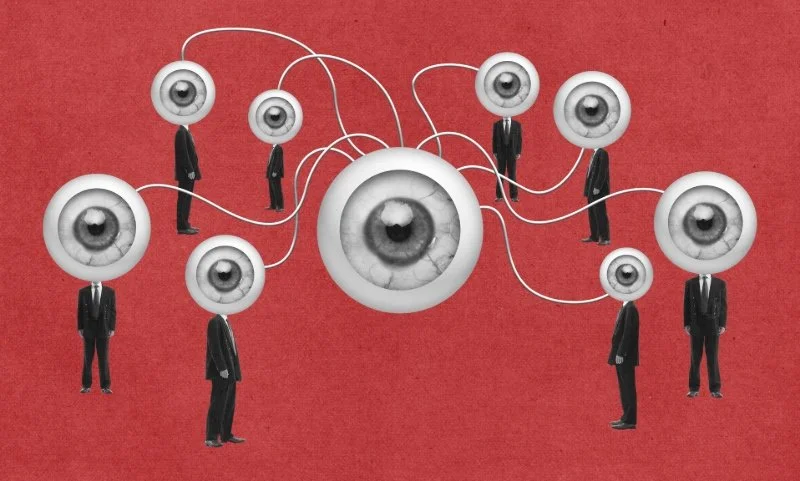
How Journalists Can Protect Themselves Against a Global Surveillance Industry
Governments worldwide are deploying sophisticated spyware against journalists through methods that are growing cheaper, more powerful, and harder to detect, according to a recent report by the International Federation of Journalists (IJF). For journalists who want to understand what they are up against and what they can do about it, the report also offered a set of recommendations, based on interviews with digital security specialists.
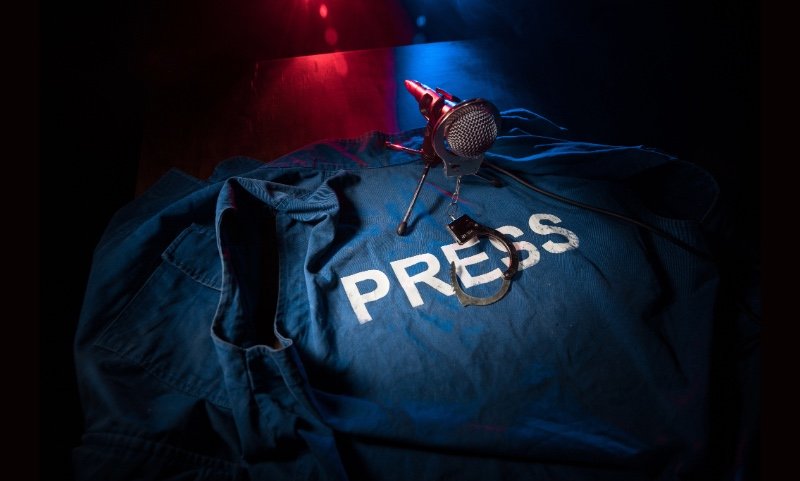
Press Freedom Situation in India ‘Very Serious’: Reporters Without Borders
India has ranked 157th out of 180 countries and territories in the 2026 World Press Freedom Index, published by Reporters Without Borders, or RSF, which rated the country’s press freedom situation as “Very Serious,” the highest level of threat in the annual index.
‘We Push Them in the Dark’: Assam CM’s Statements and Their Implications
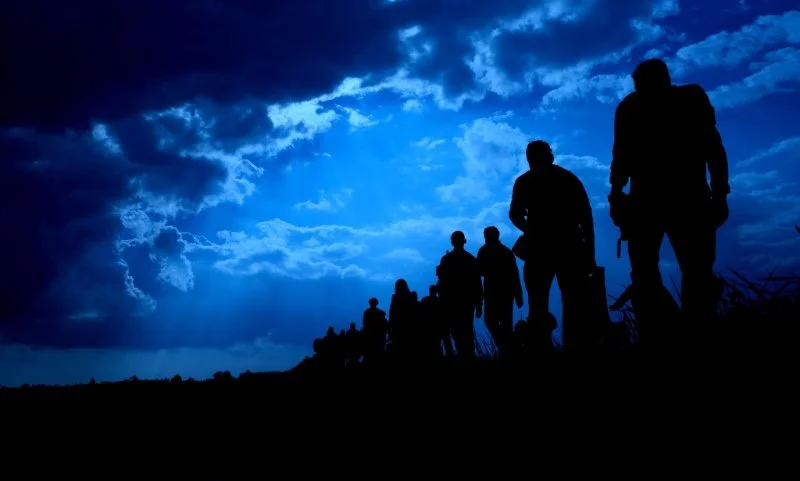
Assam Chief Minister Himanta Biswa Sarma’s appearance on ABP News on April 15 may have triggered a minor diplomatic row, with Bangladesh formally objecting to offensive remarks and summoning India’s acting High Commissioner, but his answers in the interview point to a much more troubling set of issues.

Commercial Spyware, Once a Military Tool, Is Now Routinely Deployed Against Journalists
Governments worldwide are systematically deploying commercial spyware against journalists, and the business of building and selling such tools has grown into a global industry operating with little regulation or accountability, according to a study by the International Federation of Journalists, or IFJ, a Brussels-based organisation representing journalists globally.

AI-Driven Changes at Work Taking a Psychological Toll on Workers, a New Study Finds
A global study has found that work is now in a state of constant change due to rapid technological advances, with India feeling this more acutely, as roles, tools and expectations keep changing all at once. As workers are having to adjust, the pressure shows in how they feel, with 67 percent in India saying they are anxious about becoming obsolete.
The India Thread in the Epstein Files: Everything That’s Been Documented
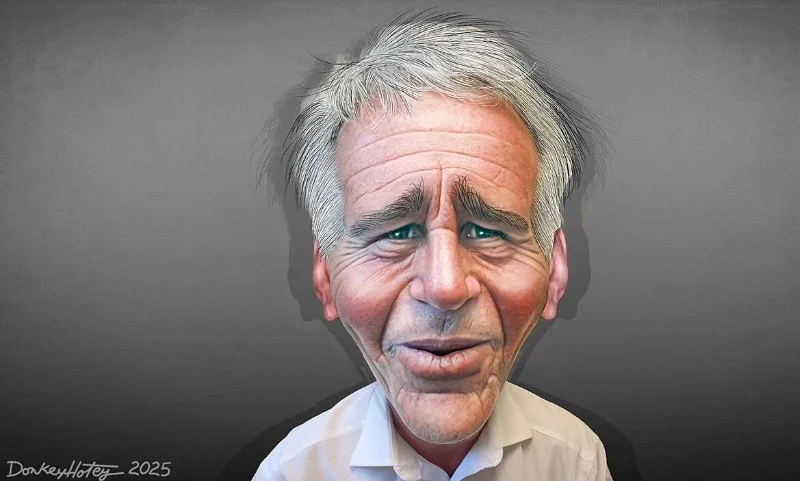
The documents linked to Jeffrey Epstein, a U.S. financier who built a network of relationships with political leaders, business figures and public personalities, contain several references involving India, including instances of direct contact between Epstein and Indian political and business figures. Here is a clear account of what the Epstein files say about India and how to read those references.

Predators Have Used Roblox to Groom Children for Sexual Abuse
The Roblox gaming platform, widely used by children under 13 and estimated to have tens of millions of users in India, has come under increasing legal and regulatory scrutiny following documented cases in which its social features have been used by predators to groom children for sexual abuse. Children and parents in India, one of Roblox’s fastest growing markets, need to take note and act to protect themselves.
Iran War: Costs Rising in India After 4 Weeks, Impact May Grow if It Continues
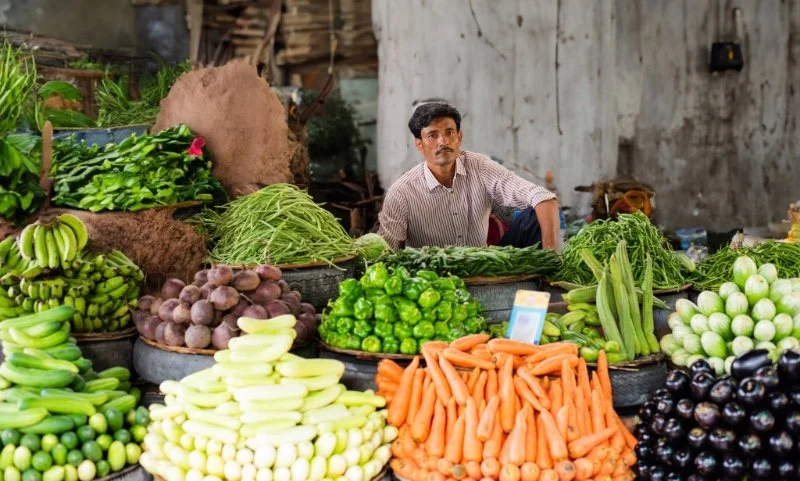
Over the past four weeks, the war in West Asia has disrupted traffic through the Strait of Hormuz and increased the cost of raw materials and components used not only in fuel, but also in medicines, plastics and packaged goods in India. If the war continues for two more months, the impact is likely to become much harsher and more widespread in household expenses and access to essential services, as seen in many countries around the world during earlier conflicts.
India Holds Oil Reserves for Only 9.5 Days of Demand Amid Gulf Supply Risks
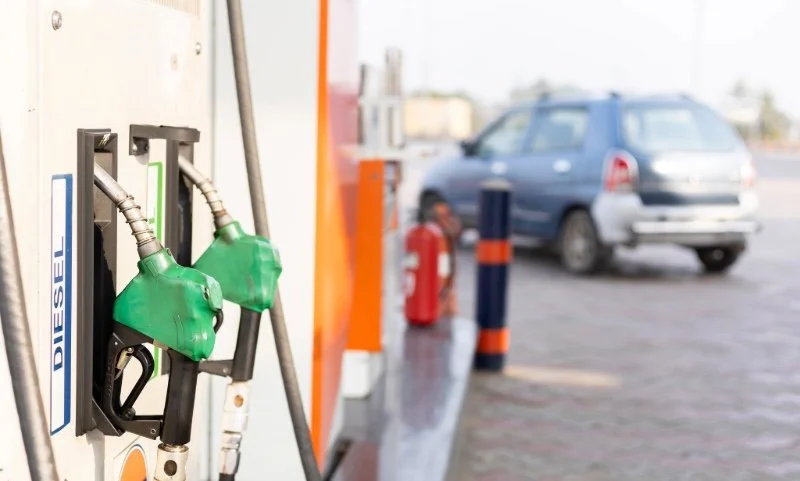
India’s strategic petroleum reserves can cover only about 9.5 days of national crude oil demand if the reserves are filled to their maximum capacity, according to a government response obtained through the Right to Information law. The disclosure places India at the lower end of energy preparedness at a time of heightened supply risks linked to the ongoing Iran war.
Your Happiness Depends on How Good Your Government Is, a Report Suggests
Finland stands first again in the World Happiness Report 2026, while Afghanistan sits at the bottom of the ranking. India is placed 116th among the 147 countries included in the report. The countries at the top and bottom of the report, based on how people rate their own lives, help explain why people in some societies report greater satisfaction with their lives than those in others.
Behind the Growing Attacks on Hindus in Bangladesh
A Hindu businessman was attacked by a mob in Bangladesh’s Shariatpur district on 31 December 2025. He was beaten with sharp weapons, doused in petrol and set on fire. This was the third such attack in a month, part of a larger pattern of violence against religious minorities since the fall of the previous government. The incident shows that the interim administration has failed to enforce the rule of law in cases involving political or communal violence. That failure has left the country’s transition in a dangerously exposed state.
Sex Ratio Among British Indians Worse Than in India
A U.K. government-commissioned study has found a skewed male-to-female birth ratio among Indian-origin families that exceeds even India’s national figures. This indicates that migrant Indian communities in Britain have retained, and in some cases reinforced, patriarchal cultural norms favouring sons over daughters.