
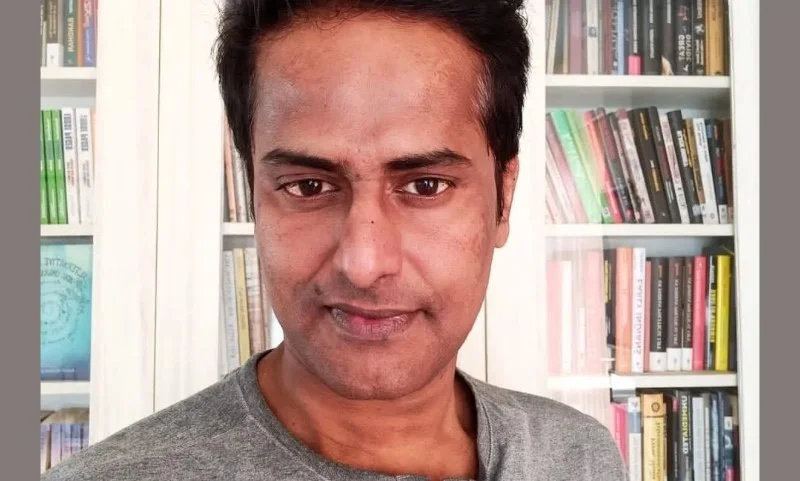
Why Journalist Ravi Nair’s Imprisonment in Defamation Case Is Concerning
Independent investigative journalist Ravi Nair has been in jail since September 17 over a criminal defamation case brought by Adani Enterprises. A court had found him guilty but he had appealed that decision and was allowed to remain free while the appeal was heard. After he missed a hearing, the court issued a warrant for his arrest. Nair went to court to ask for the warrant to be cancelled and was sent to jail instead. The concern is that a single missed hearing has cost him his freedom before the court has decided his appeal.
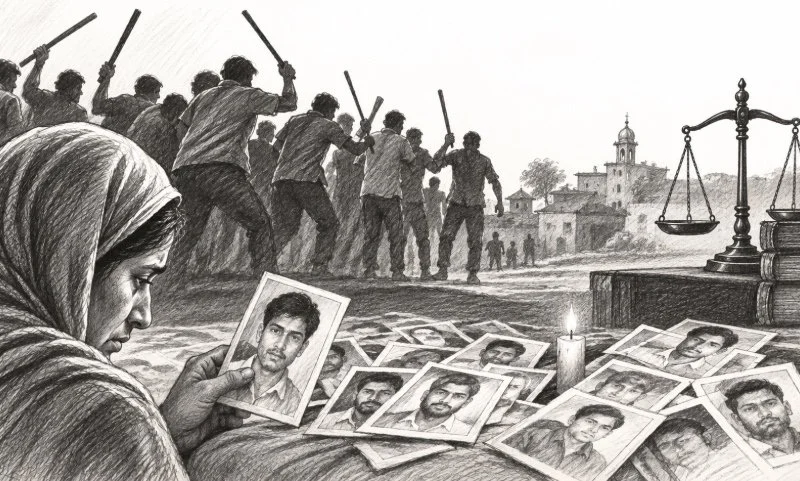
A New Book Offers an Anatomy of a Decade of Lynching
In the United States, the word “lynching” became associated with the public killing of African Americans by white mobs, where violence was used not only to kill individuals but also to intimidate an entire community. India has its own long history of mob violence, communal killings and caste violence, but the word acquired renewed prominence in public discourse during the last decade as killings involving Muslim men, cattle allegations, religious identity and other accusations began appearing with greater frequency in news reports.
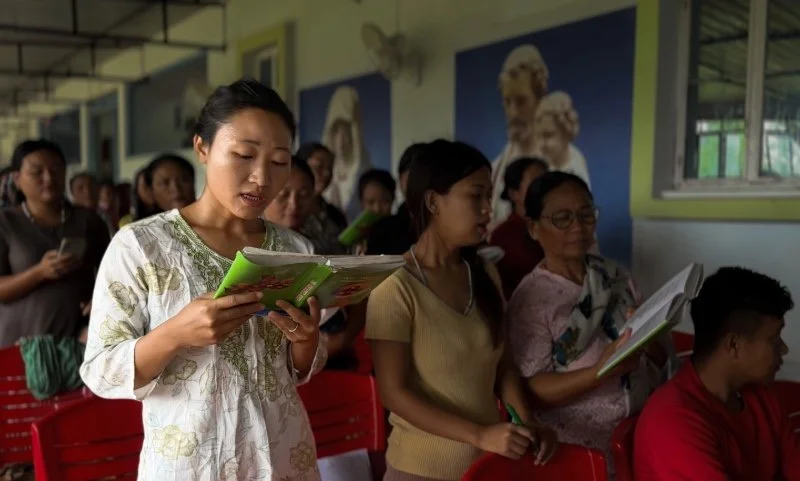
‘No Village Is Safe’: Kuki-Zos Demand President’s Rule After Fresh Killings in Manipur
At around four o’clock in the morning on September 13, gunmen entered a house in L. Tollen village in Tamenglong district of Manipur. They shot Lhingzangai Singsit as she slept beside her husband, Seineh. He took a wound that killed him days later. Their son Henminsang, four years old, was hit by the same gunfire, and the injury to his hand has needed continuous treatment since.
Anti-Conversion Laws Are a Question of Citizens’ Rights and Freedoms
Maharashtra becoming the 13th state to enact an anti-conversion law once again raises a legal question that goes further than the protection of Christian and Muslim minorities, as the issue is often portrayed. Laws regulating conversion from one religion to another should be assessed by how they affect every citizen’s freedom of conscience and religious expression, rather than by which religious community they appear to protect or threaten.
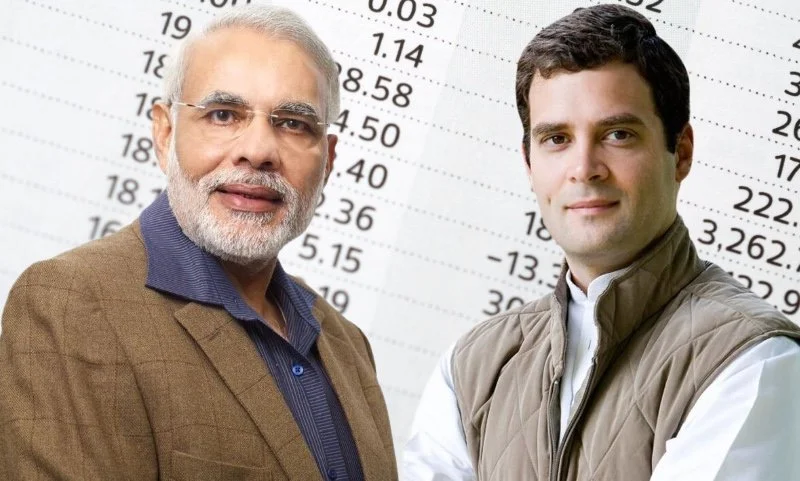
Questions Over India Today Poll Presenting Modi as Still Popular After Youth Protests
The latest India Today-CVoter Mood of the Nation (MOTN) poll records a considerable fall in support for Prime Minister Narendra Modi and the Bharatiya Janata Party, despite relying largely on interviews conducted before the Cockroach Janta Party (CJP)-initiated protests at Delhi’s Jantar Mantar grew into a nationwide movement demanding accountability. However, India Today and sister organisation Aaj Tak presented it mainly as evidence that Modi remains popular and the NDA would retain power.

India Fared Worse on Governance and Per-Capita Income Than It Would Have Without Modi, Study Says
Governance in India weakened, and economic growth fell short of what a comparable country might have achieved during the decade in which Narendra Modi and the Bharatiya Janata Party (BJP) governed the country, according to a new study.
The State Has No Right to Regulate Sexual Conduct of Adult Women
Leader of Opposition Rahul Gandhi has written to Maharashtra Chief Minister Devendra Fadnavis, demanding an end to the reported practice of requiring female Adivasi students returning after an absence to undergo pregnancy tests before being readmitted to government hostels. No student should have to prove that she is not pregnant or has not had sex to retain her accommodation and continue her education.
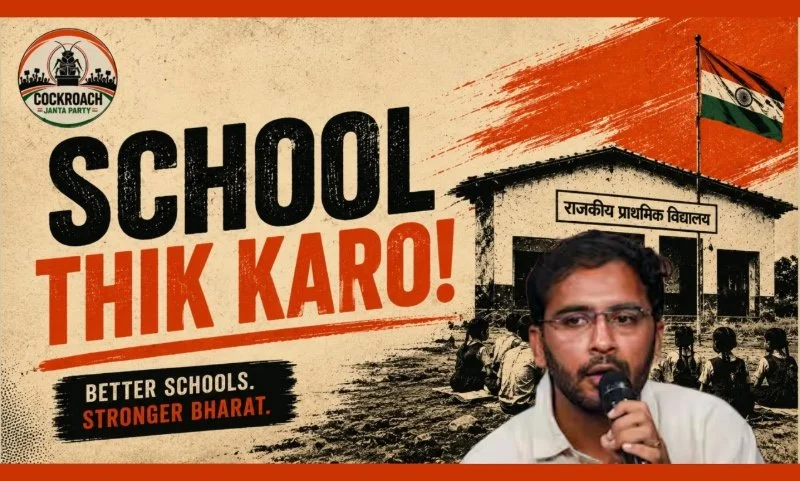
Why the Reported Attack on CJP’s Ashutosh Ranka During a Rajasthan School Visit Is a Serious Incident
Cockroach Janta Party (CJP) co-convener Ashutosh Ranka and his team travelled to Rampura-Kanwarpura village in Jaipur district on August 21 to investigate a government primary school reportedly operating from a cattle enclosure because its building was unsafe. According to reports, members of the delegation, including a woman, were chased, beaten and pelted with stones, while their vehicles and phones were damaged. Ranka said his clothes were torn and that one volunteer suffered a fractured hand. The incident is serious for at least five reasons.

Is the Government Combining the Census and the National Population Register?
Is the government using the Census to quietly collect information for the National Population Register (NPR), even though it has not officially announced that the NPR is being updated? Former senior Census official K. Narayanan Unni told a media outlet that some of the 40 questions announced by the Home Ministry appear more useful for the NPR than for a normal Census.
Storm Could Be Brewing for Officials Across India as CJP Turns Focus to Govt Schools
The Cockroach Janta Party (CJP) has called on citizens, parents and village leaders nationwide to inspect government schools, film video evidence of missing facilities and submit the findings to the group, an nationwide initiative to begin on India’s Independence Day on August 15. This exercise could put every part of the school system on the spot, from the village panchayat to the education ministry.

Beaten as a Dalit, Denied Protection Because He is Christian
A recent case exposes that the law has wrongly misunderstood that conversion to Christianity or Islam automatically ends the caste discrimination faced by Dalits. Chinthada Anand, a convert to Christianity, was allegedly attacked as a Dalit in Andhra Pradesh, but the Supreme Court ruled that he could not receive the protection under the SC/ST (Prevention of Atrocities) Act because he was no longer legally recognised as a Scheduled Caste. This raises the question of whether the SC/ST Act should ask what religion the victim follows or whether society, including the alleged attackers, treated that person as a Dalit.
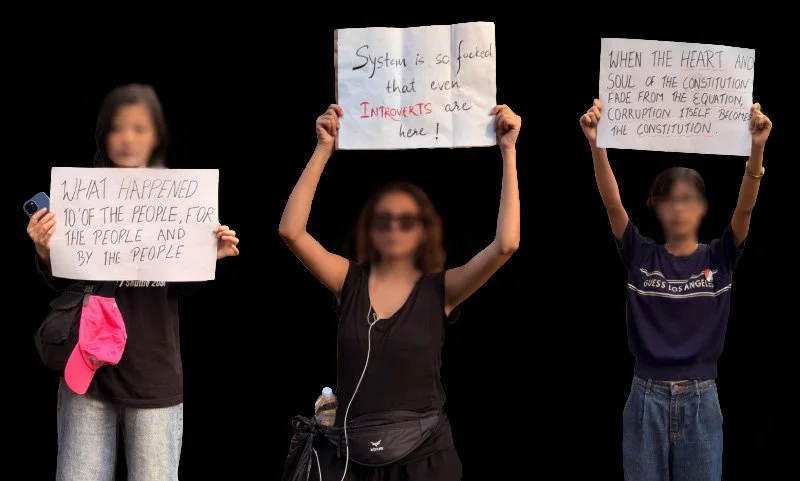
Why Governments Feel Threatened by Women Protesters
After the Cockroach Janta Party (CJP) protests ended in Delhi’s Jantar Mantar on July 25 following Education Minister Dharmendra Pradhan’s resignation, women and girls who had participated publicly and visibly in the agitation became the principal targets of a doxxing and harassment campaign. The campaign reveals that those behind it see women protesters as a threat and want to push them into roles defined by their own patriarchal beliefs.
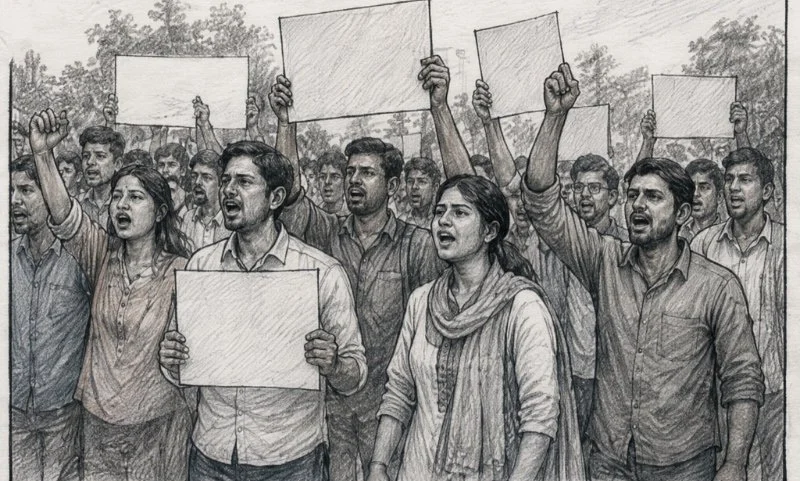
See Jharkhand Protests From Students’ Perspective, Not Politicians’
While government-job aspirants without party affiliations appear to constitute the principal base of the ongoing protests in Ranchi, Jharkhand, the agitation is not organisationally unified. This distinction is important because attempts by political groups to influence the protests risk diverting attention from young people’s genuine concerns about education, recruitment and institutional reform, and from their attempt to raise these concerns democratically.
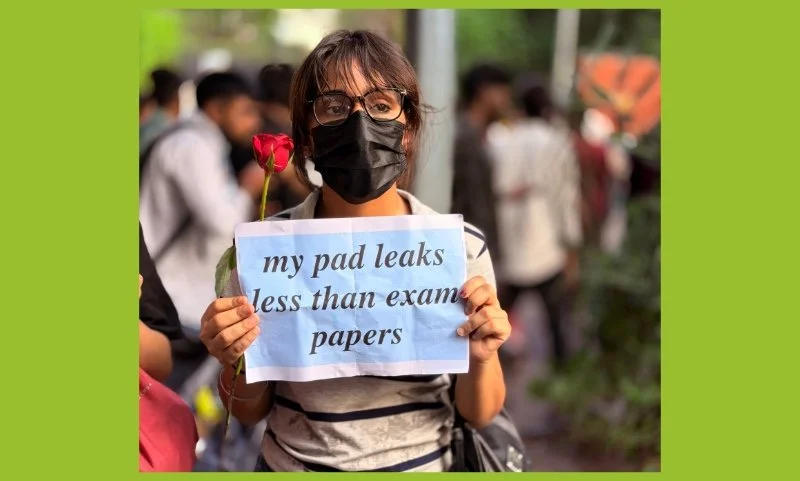
Government’s Disconnect With Gen Z Is Visible in Its Three Miscalculations
A protest movement built and led by India’s youngest citizens forced Education Minister Dharmendra Pradhan to resign, following weeks of hunger strikes and mass demonstrations. The government’s police crackdown subsequently backfired. Relying on its past successes in curbing protests and dissent, the administration led by officials decades older than the protesters tried to use silence and force during those weeks. However, the government and its advisors failed to realise that this time they were dealing with a generation they had no experience managing.
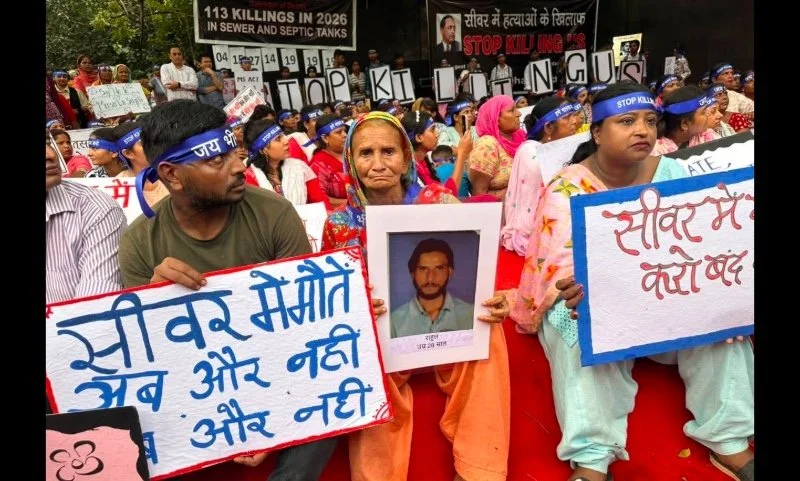
Another Protest at Jantar Mantar, This Time Over Deaths No One Is Counting
The Cockroach Janta Party has decided, for now, to remain a movement rather than register as a political party, leaving the final word to a leadership meeting set for August 5 and 6 in Chhatrapati Sambhajinagar in Maharashtra. The choice admits that a movement’s power can disappear the moment it starts competing for votes instead of making demands from the government.

Three Reasons CJP Is Right Not to Form a Political Party, for Now
The Cockroach Janta Party has decided, for now, to remain a movement rather than register as a political party, leaving the final word to a leadership meeting set for August 5 and 6 in Chhatrapati Sambhajinagar in Maharashtra. The choice admits that a movement’s power can disappear the moment it starts competing for votes instead of making demands from the government.

In Tamil Nadu, the Right to Pray Without Permission Is Slowly Eroding
Tamil Nadu’s courts appear to have quietly narrowed a constitutional right over the last seven years without ever admitting they were doing so. Every order still cites the same protection for peaceful prayer, but the burden to prove that prayer is harmless has effectively moved from the state to the worshipper. That change is invisible in any single ruling, and becomes clear only when the rulings are read one after another, in the order they were made.

Research Suggests 5 Things Gen Z Should Do After a Successful Protest
Young protesters have helped remove political leaders, forced governments to abandon unpopular policies and made corruption and bad governance major political issues in countries around the world. Securing major concessions from a government, however, is only the first step toward lasting change, which requires five more tasks, according to an analysis by political scientists Erica Chenoweth and Matthew Cebul.
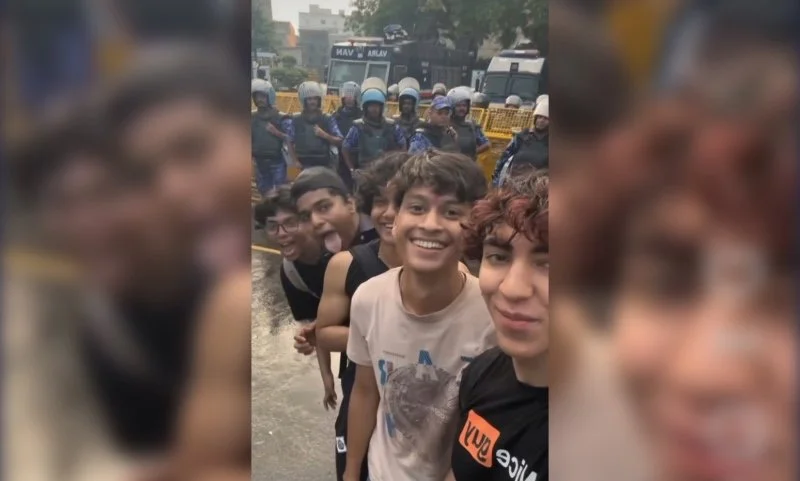
How Gen Z Outsmarted the Govt With a New Version of ‘Gandhigiri’
In the days after police used batons and tear gas on thousands of young protesters at Delhi’s Jantar Mantar on July 20, the youngsters responded with “reactance,” not the reaction authorities expected. Knowing their audience was on social media, especially Instagram, they posted videos of themselves joking, staged photographs beside the same officers who had charged them, and made reels that turned a shy Mumbai police constable into a viral heartthrob. While a crackdown is built to produce fear, they answered it with laughter instead: a version of “Gandhigiri” that turned the very officers meant to intimidate them into props for their own campaign.
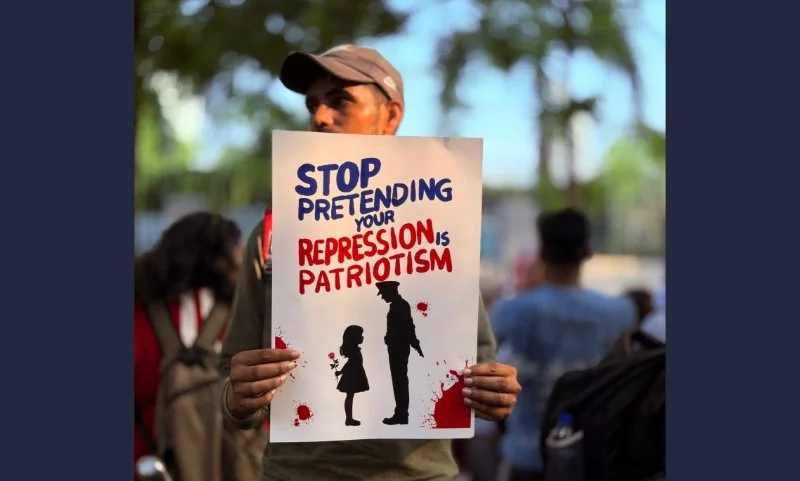
How Political Ego Made the CJP Protests a Crisis for the Government
The government could have prevented the Cockroach Janta Party (CJP) protests from becoming a national political crisis for itself. It had several opportunities to do so but missed each one, apparently because key decision-makers treated compromise as weakness and dissent as a challenge to their authority. Political ego ended up putting at risk not only the government’s standing, but also public confidence in institutions acting on its behalf.