

Bank Accounts Aren’t Enough to Bring Women Into India’s Gig Economy, ILO Warns
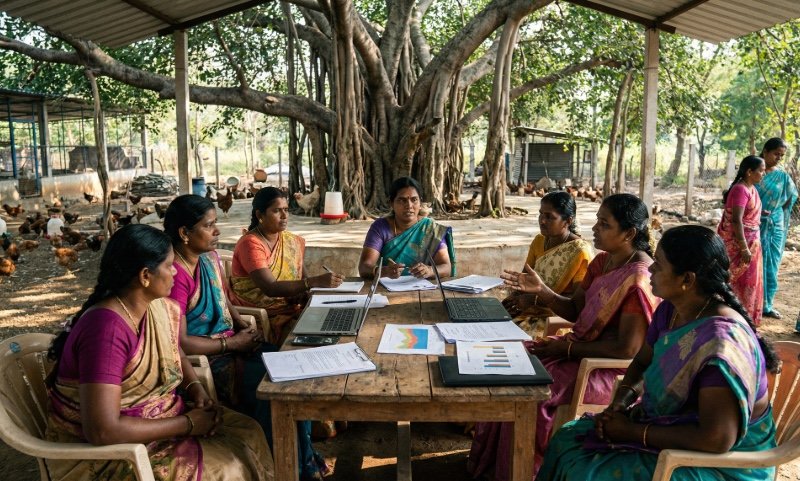
Owning a bank account is not enough to bring women fully into India’s gig and platform economy, a policy brief by the International Labor Organization and the National Council of Applied Economic Research said. Nearly all Indian women now have a bank account, but most still can’t use one on their own, few understand the loans and insurance sold to them, and the financial products themselves are built for how men earn, not how women do.

What Polygamy Feels Like to a Daughter in Arunachal Pradesh
Growing up in a polygynous household taught me how a man’s decision to take another wife can alter the lives of the women and children who are given no say in it. It divided my father’s time, money and presence between two families, leaving my mother and her daughters to live with the consequences, though I do not hold him alone responsible for what followed.
The State Has No Right to Regulate Sexual Conduct of Adult Women
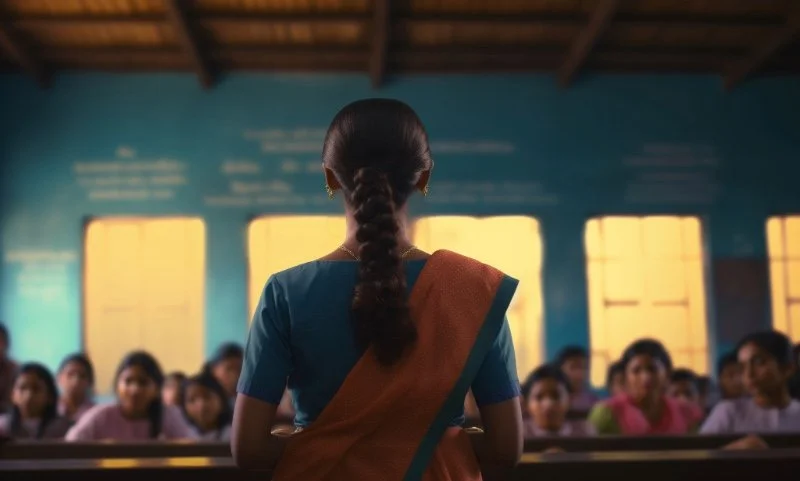
Leader of Opposition Rahul Gandhi has written to Maharashtra Chief Minister Devendra Fadnavis, demanding an end to the reported practice of requiring female Adivasi students returning after an absence to undergo pregnancy tests before being readmitted to government hostels. No student should have to prove that she is not pregnant or has not had sex to retain her accommodation and continue her education.
Why Governments Feel Threatened by Women Protesters
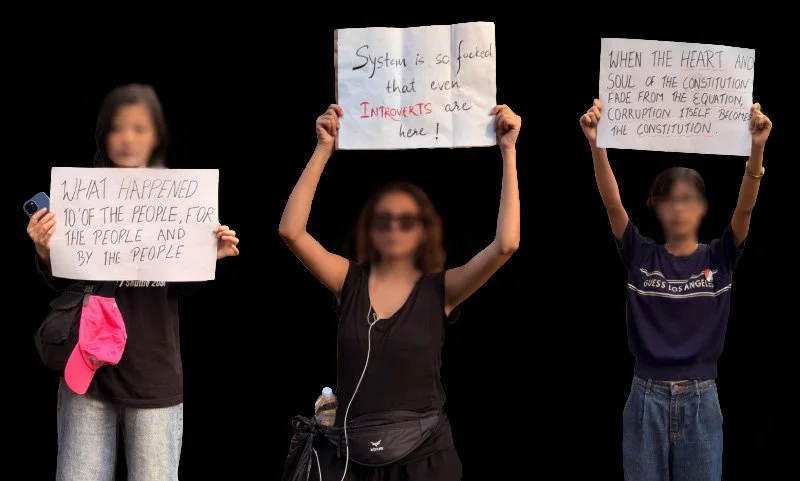
After the Cockroach Janta Party (CJP) protests ended in Delhi’s Jantar Mantar on July 25 following Education Minister Dharmendra Pradhan’s resignation, women and girls who had participated publicly and visibly in the agitation became the principal targets of a doxxing and harassment campaign. The campaign reveals that those behind it see women protesters as a threat and want to push them into roles defined by their own patriarchal beliefs.
Delhi’s ‘Jantar Mantar Republic:’ the India Its Youngsters Want, and Are Building
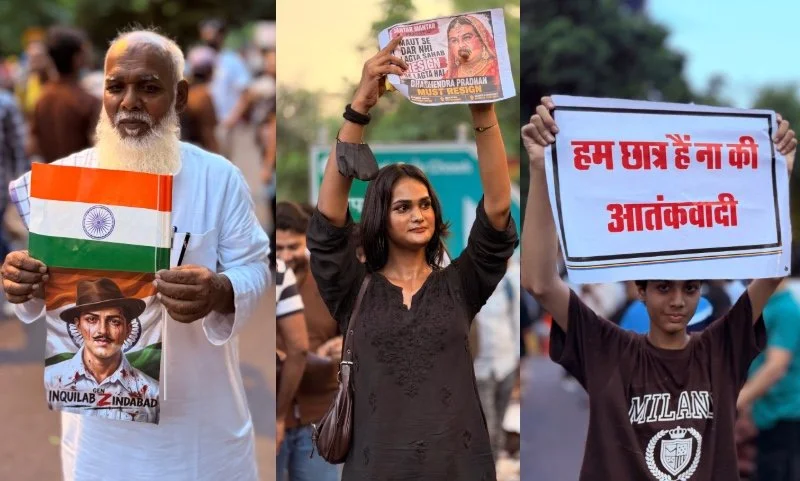
A huge, leaderless crowd of protesters has been gathering at Connaught Place in Delhi alongside the organised Cockroach Janta Party (CJP) protest at a designated site at Jantar Mantar. By July 23, it looked at least four times the size of the CJP protest. Even without any leadership, except a few self-appointed volunteers doing crowd management, they seem to be living out the India they want, one they seem to be building themselves, an India where your identity and agency are never questioned but accepted with mutual trust and protection for one another.
As a Woman Journalist, I Felt Safe Amid Thousands of Stranger Men at CJP Protest
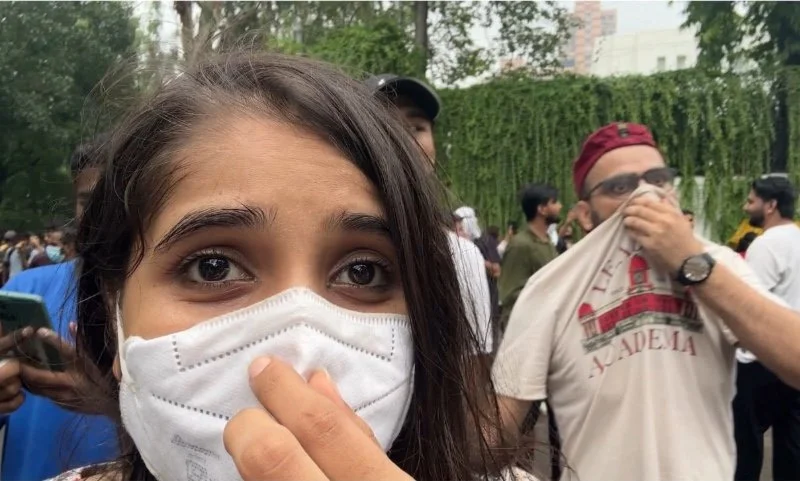
Thousands of men have been filling the Cockroach Janta Party (CJP) protest ground at Jantar Mantar in Delhi for nearly a month. In the initial days, each time I walked into that crowd I expected to feel unsafe, as I always have as a woman in this city. What I soon found instead, as I covered the ongoing youth movement, is a kind of safety I had almost stopped believing was possible in a public space in the capital city, despite the area being dense with strangers.

Nepal-Led Coalition Seeks UN Endorsement for Dignified Menstruation Day
An international advocacy network is pressing the United Nations to formally endorse December 8 as International Dignified Menstruation Day, an observance it has held for seven years without official recognition from the world body.
Why Have We Stopped Caring About Dowry Killings? A New Study Explains
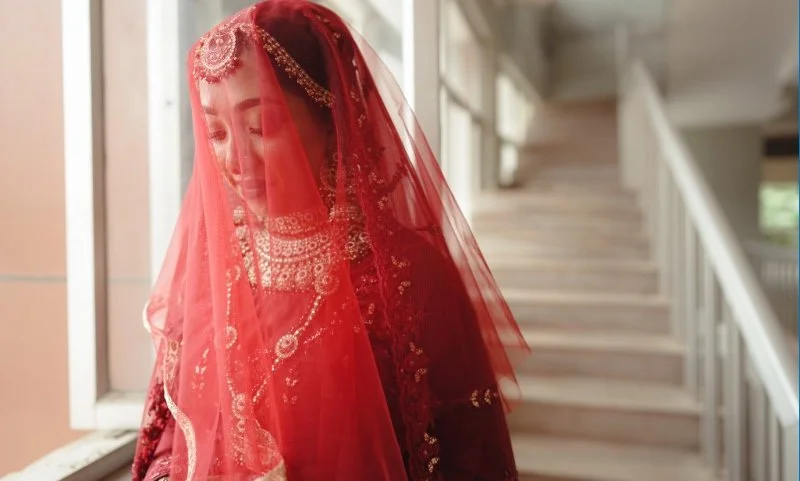
A new academic study argues that India has built an “infrastructure of inattention” around dowry killings, referring to legal and cultural processes that once made such deaths the focus of mass public protest but now allow such murders to pass with little public attention.
Women Skipped Meals for Days to Feed Their Families During Covid-19 Lockdown: Study
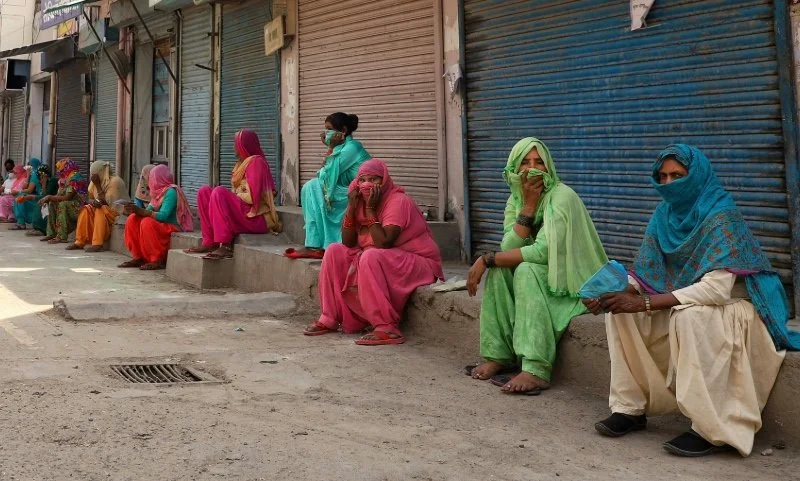
Women in economically precarious households in India went without food for days during Covid-19 lockdowns so children could eat and men could keep working, according to a new study based on interviews in Uttar Pradesh and Goa.

A Telegram Bot Is Selling Indians’ Personal Data for ₹2.50 Per Search
Twenty-three-year-old Maryam Siddiqui (name changed) was trying to leave her family, where she said she had been facing harassment from an extended family member. She left her home in a small town in Bihar and travelled to Patna without informing her parents. After searching for her for ten days and filing a police complaint, her family was advised by a friend to use a bot that illegally tracks a person’s exact location, provides detailed coordinates and reveals sensitive personal information.

The ‘Politics of the Unprotected Body’: Why Women From Northeast India Remain Vulnerable to Violence
Repeated racial and gender-based abuse against women from Northeast India points to a deeper structural failure of the Indian state to provide equal protection to all citizens. Law enforcement agencies, courts and policymakers often acknowledge such incidents, yet their racial dimension frequently disappears from legal and institutional responses, producing a pattern of unequal citizenship. Women from the Northeast thus occupy what may be called the “unprotected body,” formally included within the republic but repeatedly denied the full protection of its institutions.

With Micro-Feminism, Women Are Resisting Everyday Patriarchy
Among the many social media trends that briefly pass through our screens and disappear, a few leave a deeper imprint on how people think and behave. One of them is micro-feminism, a term that quietly entered online conversations and gradually began influencing the way many women navigate everyday life.
Menstrual Discrimination Alarming Among Dalit Sanitation Workers, a Report Suggests
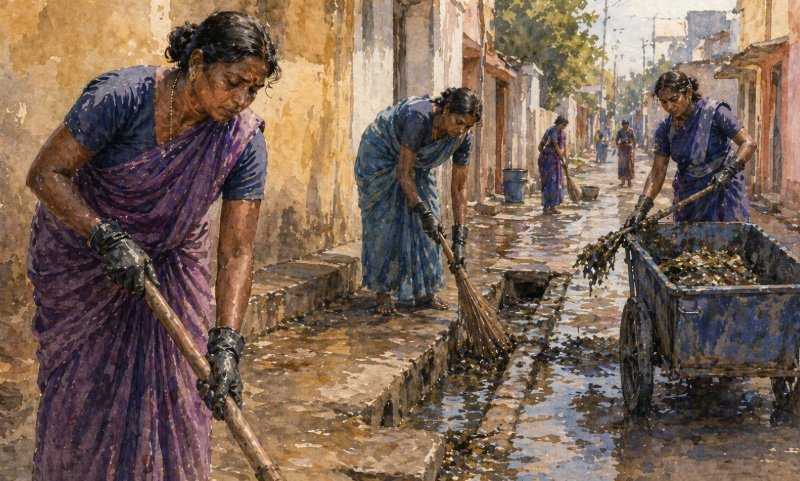
Dalit women working as manual scavengers or housemaids in Delhi face severe menstrual discrimination from their employers and within their own families, with some workers seeing their wages cut and others hiding their periods to avoid punishment at work, according to a report by the Kathmandu-based advocacy organisation Global South Coalition for Dignified Menstruation (GSCDM).
‘Apology’ Accepted for Not Implementing Women’s Reservation
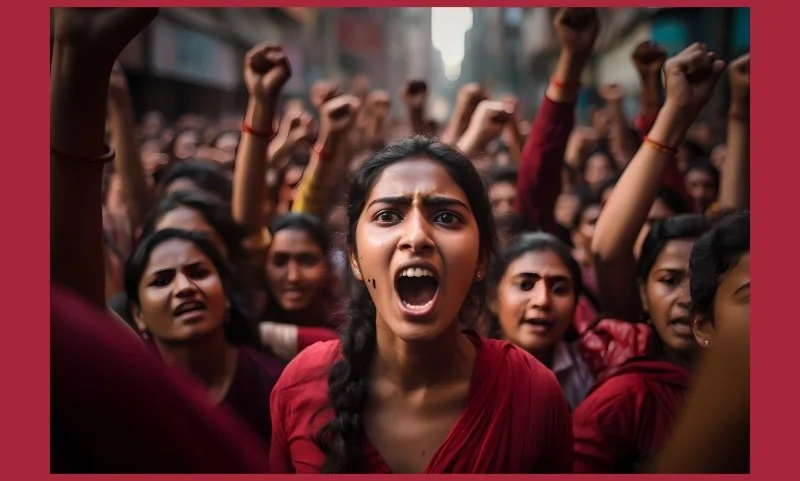
After the Lok Sabha rejected the Constitution (131st Amendment) Bill, 2026, which sought to activate the 33 percent reservation for women by raising the House’s strength to 850 seats, Prime Minister Narendra Modi issued an apology, placed responsibility on the opposition, and vowed to remove every obstacle to women’s reservation. However, the most consequential barrier arises from within his own party.
Lok Sabha Expansion Will Weaken Effect of Women’s Reservation
The Constitution (131st Amendment) Bill, 2026, proposes to raise the sanctioned strength of the Lok Sabha to 850 and also expand state legislatures to accommodate the 33 percent reservation of seats for women. The trouble with enlarging the House, rather than reallocating seats within it, is that existing arrangements of power would be left intact, which in turn would mean male-dominated networks carry on with only limited change.

Opposition Alleges Politics Behind Women’s Reservation Law
Opposition parties have criticised Prime Minister Narendra Modi's letter to all political party leaders seeking their support to pass amendments during an extended sitting of Parliament, saying he framed the issue as a collective responsibility to mask what they call a political calculation.
Another Crime Against Woman, Missing from India’s ‘Development’ Story
Two brothers in Odisha’s Jagatsinghpur district raped a 15-year-old girl, and when she became pregnant, they tried to bury her alive – the latest of several cases of crimes against girls and women that have come to light in recent months from this state. It appears that, as in other parts of the country, these are men’s reactions to girls asserting control over their own bodies, revealing that India’s claimed growth story must include a different dimension of development.
Teen Burnt in Odisha, Protest Follows But Offers No Plan for Women’s Safety
On July 19, opposition parties staged protests outside AIIMS Bhubaneswar after a 16-year-old girl, critically injured in a targeted attack in Puri, was admitted for treatment—barely a week after another girl set herself on fire in Bhubaneswar alleging police inaction in a sexual harassment case. While the issue of girls’ and women’s safety in Odisha is urgent and may warrant public protest, these demonstrations offered no proposals or solutions, exposing a political culture where outrage is used to attack the government rather than confront the crisis at hand.
Student’s Self-Immolation Shows Officials Act Only Under Pressure, Not Duty
Soumyashree Bisi, a college student in Balasore, Odisha, is fighting for her life after setting herself on fire. She had spent months seeking a fair inquiry into her sexual harassment complaint against a professor. Like many such cases in India, hers drew official attention only after her extreme act. Authorities – from college staff to police and politicians – acted only once pressure mounted, not when the complaint was first raised.

Tennis Player Killed: Case Points to Patriarchy, Honour and Shame Norms
A national-level tennis player and coach, Radhika Yadav, was reportedly shot dead in her Gurugram residence on 10 July. Her father, Deepak Yadav, has been arrested in connection with the incident and remains in judicial custody. Media reports indicate that the case is linked to three entrenched social values that continue to deprive girls and women in India of dignity and agency: the persistence of patriarchal authority, the prioritisation of family reputation over the welfare of daughters, and the cultural construction of the female body as a source of shame.