
By Vishal Arora
August 6, 2026
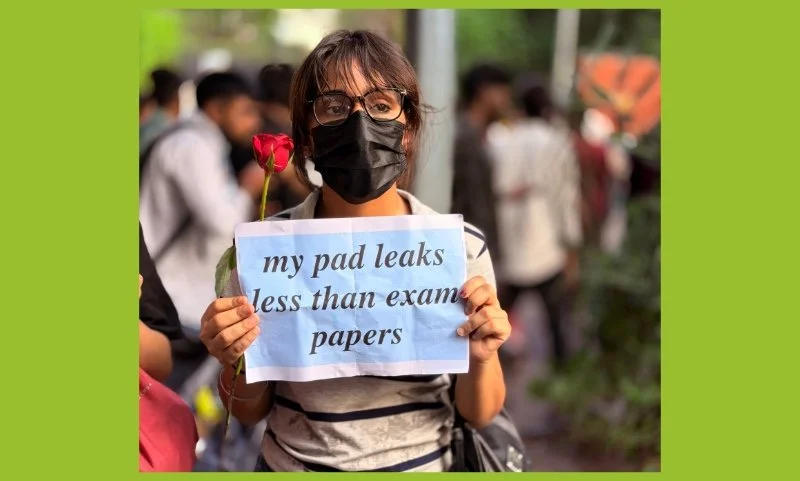
Photo by Newsreel Asia
A protest movement built and led by India’s youngest citizens forced Education Minister Dharmendra Pradhan to resign, following weeks of hunger strikes and mass demonstrations. The government’s police crackdown subsequently backfired. Relying on its past successes in curbing protests and dissent, the administration led by officials decades older than the protesters tried to use silence and force during those weeks. However, the government and its advisors failed to realise that this time they were dealing with a generation they had no experience managing.
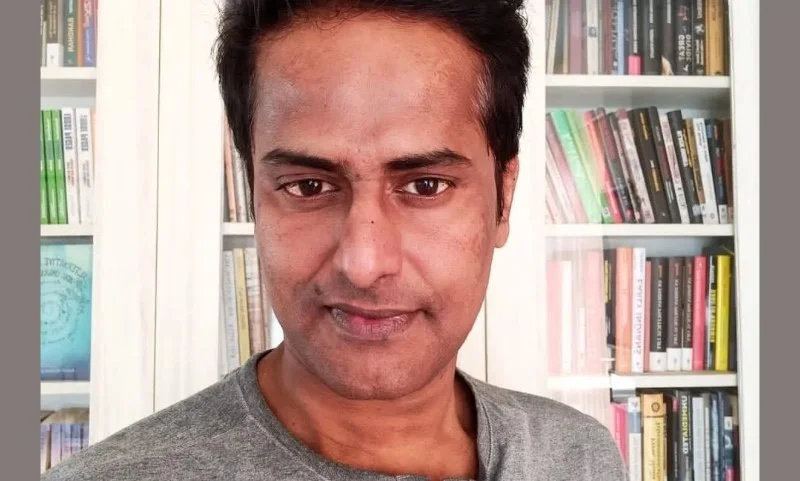
As we know, the NEET-UG medical entrance examination paper leak affected more than two million candidates and triggered weeks of Gen Z protests under the banner of the Cockroach Janta Party (CJP), a satirical outfit founded by Abhijeet Dipke. The movement emerged after the Chief Justice of India allegedly referred to sections of unemployed youth and civil society activists as “cockroaches.” Within weeks of its launch in May 2026, the CJP had attracted millions of followers on Instagram and become the face of India’s biggest youth-led protest movement in more than a decade.
While the government eventually accepted Pradhan’s resignation and other demands on July 25, the protests exposed something larger than a dispute over one examination. They revealed a political disconnect between a government led by an older generation and a movement driven by Gen Z. The disconnect appeared in at least three ways. Let’s look at them one by one.
(1) The government fought to control the wrong information space.
The government’s approach to information reflected the political battles it had fought for years. Mainstream television channels, watched mostly by older generations that comprise the Bharatiya Janata Party (BJP)’s support base, has been an important source of the party’s political influence.
Similarly, the government treated X as an important political platform because many politicians, sections of journalists and policy makers use it. Perhaps this is why it chose to have the CJP’s X account withheld under Section 69A of the Information Technology Act before it was later restored by the Delhi High Court.
However, none of that addressed where the movement was actually growing.
The CJP’s audience was on Instagram. Young people were using reels, short videos and memes to organise marches, document events and spread their message. Its Instagram account remained busy throughout the protests and continued reaching millions of people. Blocking its X account therefore had little practical effect on the movement’s ability to communicate or mobilise supporters.
The government appeared to assume that controlling the platforms important to Delhi’s political class would also influence young Indians. It did not. Or perhaps it assumed young people's opinion did not matter because they were not politically active. That assumption also proved wrong.
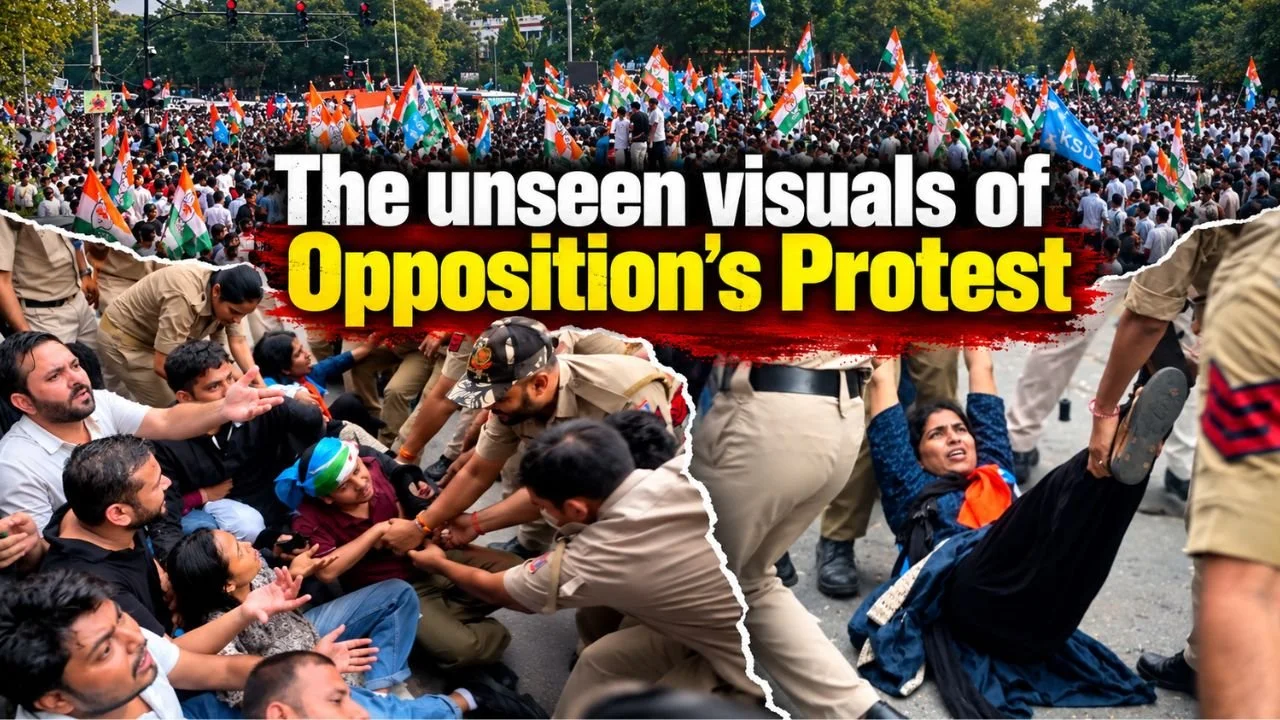
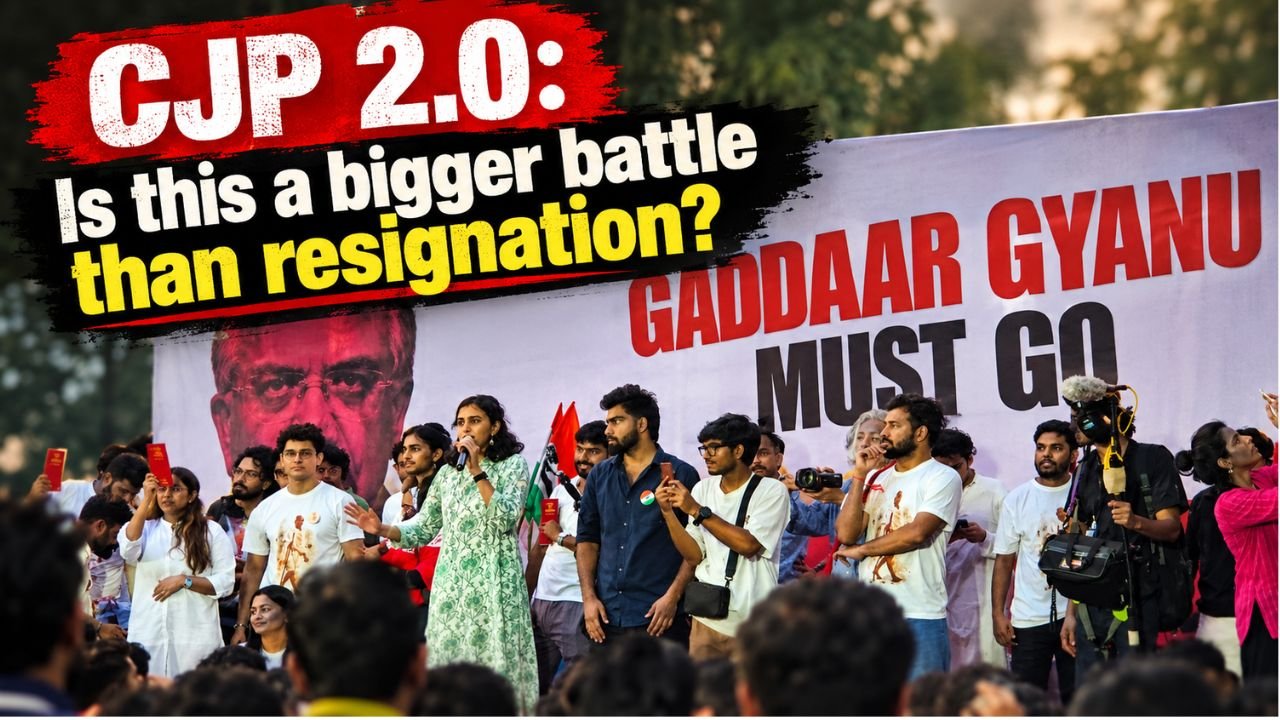
(2) The government used silence and then force, but both strengthened the movement instead of weakening it.
The government first remained largely silent as the protests gathered momentum, apparently hoping that they would not sustain. However, students turned the Jantar Mantar protest site into their temporary home, with tents, a stage and a daily routine that allowed the movement to continue for weeks.
Then the government, not the youngsters, lost patience and resorted to force.
On June 28, activist Sonam Wangchuk joined the protest and began an indefinite hunger strike. His involvement broadened public support for the movement and added to its credibility. Three weeks later, Delhi Police forcibly moved him to hospital, saying they were acting on medical advice and a Delhi High Court order. However, the protest did not weaken. A much larger crowd joined it in the following days.
The government, it appears, still did not realise what was happening. It perhaps thought even more force was needed, as reflected in the police crackdown on July 20.
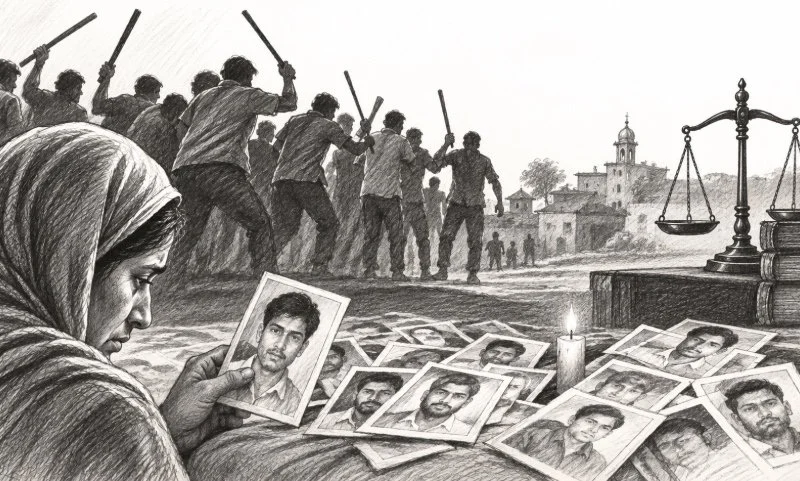
Delhi Police denied permission for the CJP’s planned march to Parliament, erected barricades and later beat protesters with batons, fired tear gas and, according to reports, used pellet guns after clashes allegedly broke out. Protesters and observers also alleged that police often used force without provocation. The protest site was forcibly cleared, its tents removed and its stage dismantled. However, by the following morning, protesters had rebuilt the site and used Instagram to argue that the crackdown itself showed why their movement was needed.
The movement also answered force with humour. Every attempt to intimidate young people became material for videos and reels that spread rapidly on Instagram. Instead of making the movement defensive, police action became part of its message. Every escalation appeared to produce the opposite of what the government expected.
The government’s silence gave the movement time to grow, and its use of force gave it new reasons to mobilise more protesters and attract much wider public support.

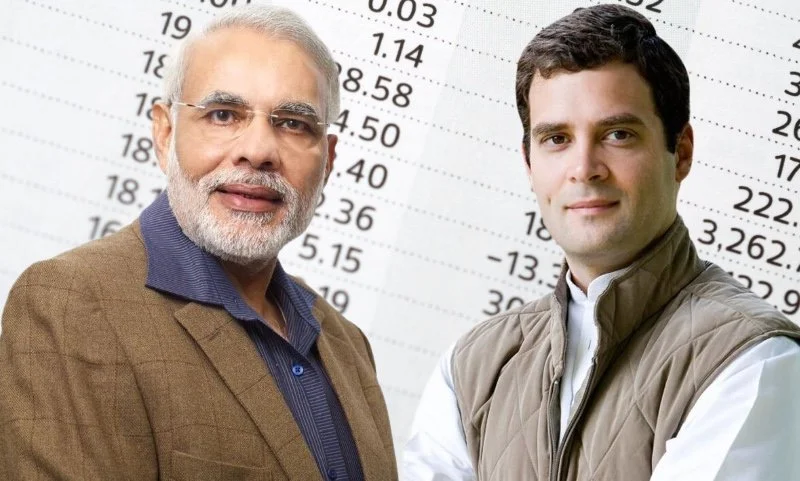
(3) The government appeared to focus on defending its image of strength, while the protesters were targeting its legitimacy.
The government was apparently trying to avoid appearing weak. In 2015, Defence Minister Rajnath Singh had said that ministers in an NDA government do not resign simply as a gesture of accountability, unlike ministers in previous Congress-led governments. The calculation apparently remained the same 11 years later. However, it would have made political sense only if the main issue was strength. It was not. The protesters were asking a different question, about a government’s legitimacy. And they ensured that public attention remained on that question and their message among their audience.
Protesters argued that the government had failed to protect the integrity of one of the country’s most important examinations, ignored their concerns, criminalised criticism and answered peaceful dissent with force. Opposition leaders called the response authoritarian. Amnesty International India said the images and reports from Jantar Mantar suggested peaceful dissent was being suppressed.
The public response that followed made it clear that the issue for many people was legitimacy, not strength.
The protests exposed a government that appeared to understand the politics of the past better than the political instincts of the generation now entering public life. In many ways, India today resembles a family in which the elders know little about what the younger members think, want or value, but still expect unquestioning obedience simply because they are older and more experienced. Much of that experience belongs to a different era. Many of these elders also demand maturity and discipline from the young while failing to display either themselves.
You have just read a News Briefing, written to cut through the noise and present a single story for the day that matters to you. We encourage you to read the News Briefing each day. Our objective is to help you become not just an informed citizen, but an engaged and responsible one.
Hundreds of protesters gathered at Bangla Sahib in Delhi at 1 PM on October 23 for a protest called by People Against SIR, a collective of over 100 organisations mobilising against the Election Commission of India’s Special Intensive Revision (SIR) of electoral rolls across the country. Along with detentions and use of force, security personnels are using another tactic - blowing whistles to silence the voices.