
Government’s Disconnect With Gen Z Is Visible in Its Three Miscalculations
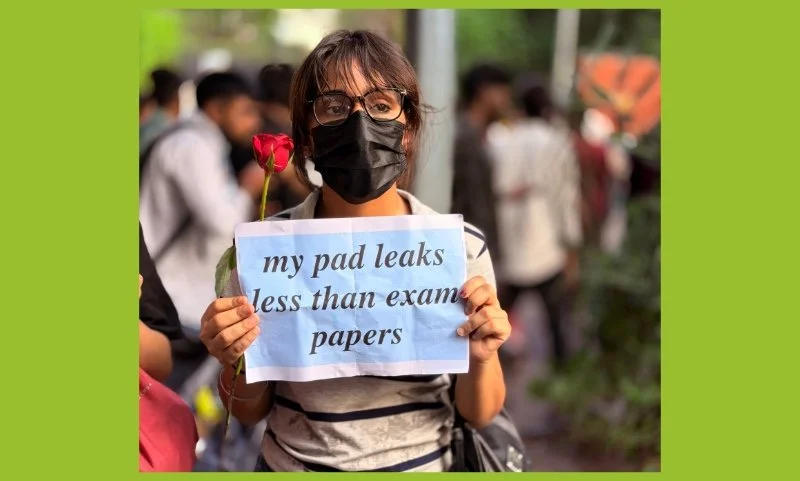
A protest movement built and led by India’s youngest citizens forced Education Minister Dharmendra Pradhan to resign, following weeks of hunger strikes and mass demonstrations. The government’s police crackdown subsequently backfired. Relying on its past successes in curbing protests and dissent, the administration led by officials decades older than the protesters tried to use silence and force during those weeks. However, the government and its advisors failed to realise that this time they were dealing with a generation they had no experience managing.

Research Suggests 5 Things Gen Z Should Do After a Successful Protest
Young protesters have helped remove political leaders, forced governments to abandon unpopular policies and made corruption and bad governance major political issues in countries around the world. Securing major concessions from a government, however, is only the first step toward lasting change, which requires five more tasks, according to an analysis by political scientists Erica Chenoweth and Matthew Cebul.

How Gen Z Outsmarted the Govt With a New Version of ‘Gandhigiri’
In the days after police used batons and tear gas on thousands of young protesters at Delhi’s Jantar Mantar on July 20, the youngsters responded with “reactance,” not the reaction authorities expected. Knowing their audience was on social media, especially Instagram, they posted videos of themselves joking, staged photographs beside the same officers who had charged them, and made reels that turned a shy Mumbai police constable into a viral heartthrob. While a crackdown is built to produce fear, they answered it with laughter instead: a version of “Gandhigiri” that turned the very officers meant to intimidate them into props for their own campaign.
Delhi’s ‘Jantar Mantar Republic:’ the India Its Youngsters Want, and Are Building
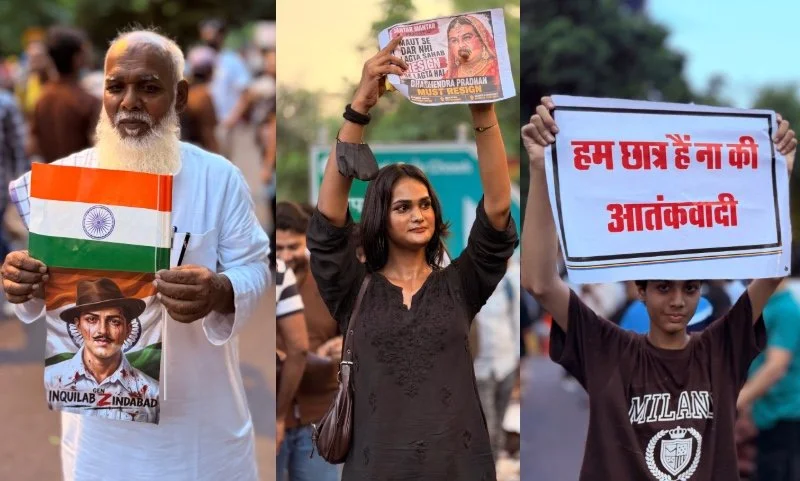
A huge, leaderless crowd of protesters has been gathering at Connaught Place in Delhi alongside the organised Cockroach Janta Party (CJP) protest at a designated site at Jantar Mantar. By July 23, it looked at least four times the size of the CJP protest. Even without any leadership, except a few self-appointed volunteers doing crowd management, they seem to be living out the India they want, one they seem to be building themselves, an India where your identity and agency are never questioned but accepted with mutual trust and protection for one another.
As a Woman Journalist, I Felt Safe Amid Thousands of Stranger Men at CJP Protest
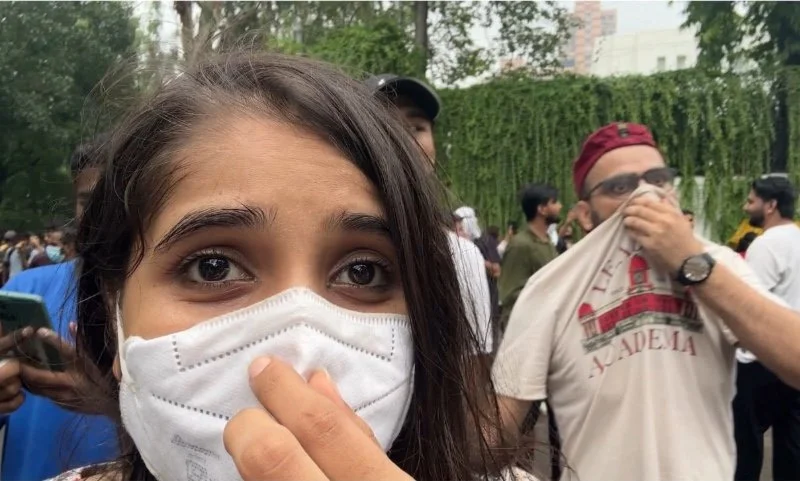
Thousands of men have been filling the Cockroach Janta Party (CJP) protest ground at Jantar Mantar in Delhi for nearly a month. In the initial days, each time I walked into that crowd I expected to feel unsafe, as I always have as a woman in this city. What I soon found instead, as I covered the ongoing youth movement, is a kind of safety I had almost stopped believing was possible in a public space in the capital city, despite the area being dense with strangers.
5 Forms of Unlawful, Punitive Force Delhi Police May Have Used Against CJP Protesters
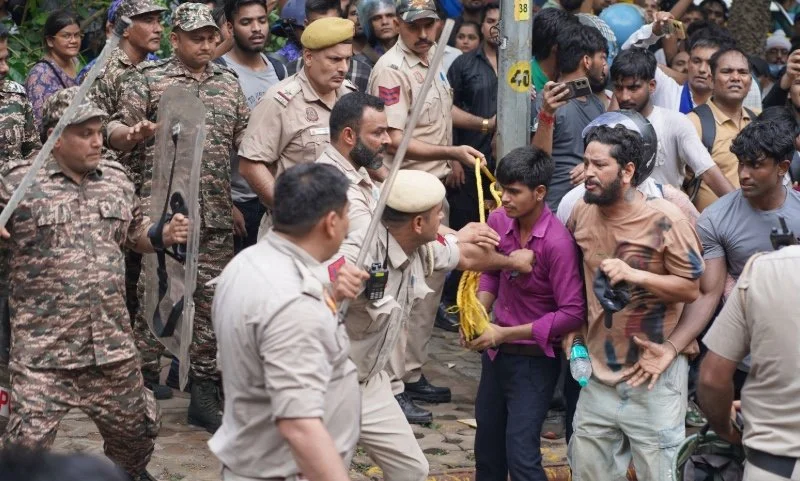
Delhi Police and Rapid Action Force (RAF) personnel used batons and tear gas against thousands of protesters during the Cockroach Janta Party’s (CJP) “Chalo Sansad” march on July 20, leaving scores injured and dozens detained. Eyewitness accounts from journalists covering the protest, including those from Newsreel Asia, and videos circulating on social media point to at least five serious forms of possibly unlawful and punitive force.
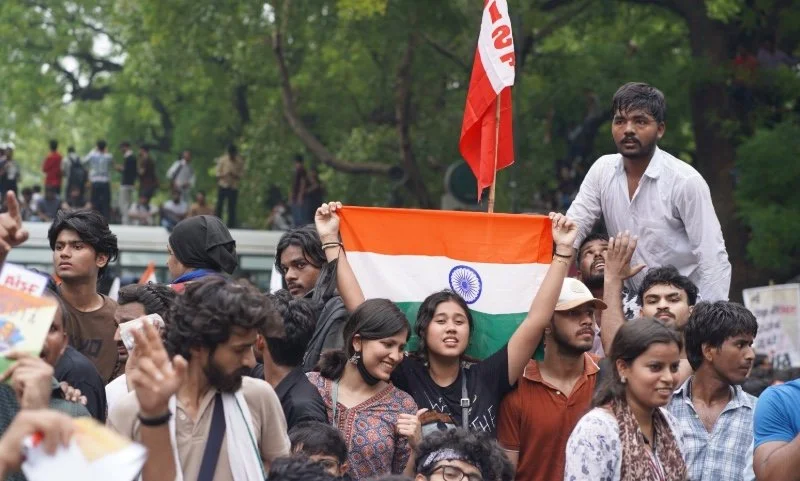
July 20 CJP Protest Defies Government Narrative of Who Dissenters Are
Tens of thousands of young people converged around Delhi’s Connaught Place area on July 20, responding to a call by the Cockroach Janta Party (CJP) for its “Chalo Sansad” march towards Parliament. Most of them belonged to no party, community or movement the government could name, and their active participation appeared to shatter its claim that dissent or grievances in India are confined to a few groups that can be conveniently bracketed into Muslims, Christians, communists, left-leaning civil society, farmers and independent journalists.
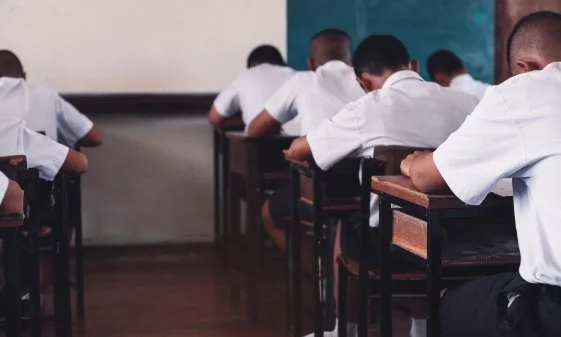
Do Teachers and Parents Really Understand What Students Go Through in School?
A new survey has revealed a consistent gap between what students across high fee private schools experience and what teachers and parents believe is happening inside classrooms and beyond. This suggests that decisions about teaching, discipline, technology use and wellbeing are being influenced by adult assumptions rather than student reality, which risks deepening stress, weakening trust and leaving schools poorly prepared for the social and technological world students already inhabit.

Emotional Distress Linked to Compulsive Pornography Use, Indian Study Finds
Over recent decades, pornography has become more available, affordable, and easier to access in private, especially through smartphones and the internet. However, a new study in India finds that people with higher levels of depression, anxiety and stress are more likely to report compulsive or problematic pornography use.

Body Dissatisfaction in Teens Linked to Mental Illness in Adulthood: Study
Many people feel unhappy with how they look, and you may feel the same way. A new study shows that body dissatisfaction has become one of the most common psychological struggles among adolescents, and that these feelings during teenage years are strongly linked to eating disorder symptoms and depression in early adulthood.
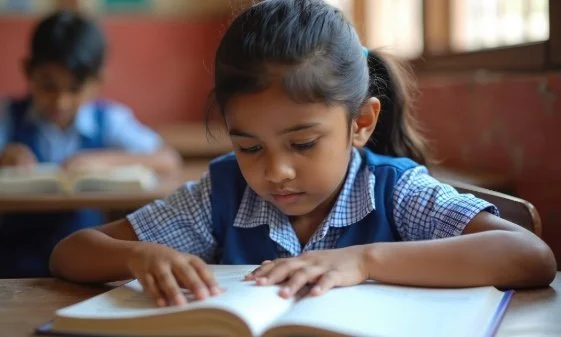
6.5 Million Children Dropped Out of School in 5 Years
Over the last five years, more than 6.5 million (65 lakh) children in India have dropped out of school, Minister of State for Women and Child Development Savitri Thakur revealed in Parliament. Among them, nearly 3 million (30 lakh) are adolescent girls. The numbers point to a large-scale rupture in India’s promise of universal education, and also to structural gaps in the way schooling is planned, supported and delivered, especially for children from marginalised families.

Supreme Court’s Rohingya Remarks ‘Unconscionable,’ Say Ex-Judges, Lawyers
A group of former judges and senior advocates have denounced recent comments made by a Supreme Court bench comprising Chief Justice of India (CJI) Surya Kant and Justice Joymalya Bagchi during a Supreme Court hearing on Rohingya refugees, calling the remarks “unconscionable” and contrary to constitutional values. In a public letter, the signatories said the comments dehumanised vulnerable refugees and undermined the moral authority of the judiciary.
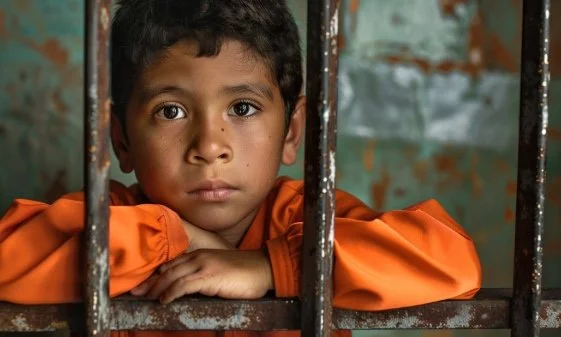
India’s Juvenile Justice System Has Failed Children, Says New Nationwide Study
A decade after the Juvenile Justice (Care and Protection of Children) Act, 2015 came into force, a new study shows that its pledges of timely, protective and rehabilitative justice for children have failed in practice. The breakdown has left thousands of children stuck in drawn-out legal processes, exposed to continued harm.
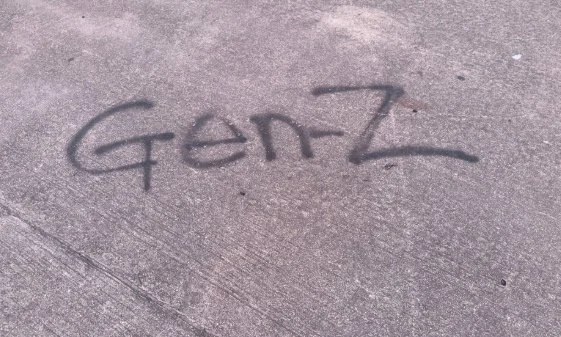
Nepal’s Gen Z Didn’t Topple the Government, But They Deserve Credit for It
Closer attention to what happened in Nepal suggests that the government did not fall solely because of the Gen Z protests, but because of the chain of events they triggered. It is crucial for Gen Z movements elsewhere to understand the role Nepal’s youth played in the change, so that their hopes are not misplaced and their decisions not misguided. The story also carries lessons for governments around the world.
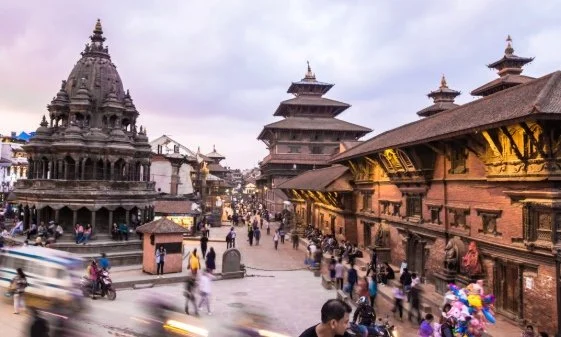
Nepal’s Gen Z Must Move from ‘Nepo Kid’ to ‘Every Kid Matters’
Nepal’s Gen Z recently led nationwide protests sparked by a ban on social media but driven by anger at corruption, nepotism and authoritarianism. The slogan “Nepo Kid” helped mobilise young people to reject inherited privilege and dynastic politics. Now that the government has been overthrown, the movement cannot remain defined only by what it opposes. It must advance a constructive agenda. One way forward is to move from “Nepo Kid” to “Every Kid Matters,” making inclusion a central demand. It is essential because the contrast between elite children and ordinary children will remain hollow unless the inequalities among ordinary children are addressed first.
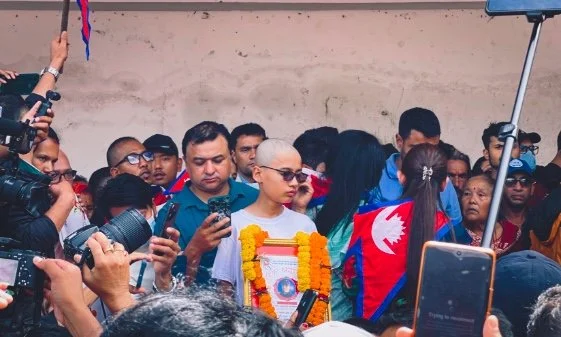
Nepal’s Gen Z Show People Hold Power Above the Constitution
In Nepal, a Gen Z movement recently brought down the government and demanded that Sushila Karki, a former Chief Justice of the country, be appointed interim Prime Minister. Although the Constitution bars anyone who has held that office from becoming head of government, the state agreed. This agreement demonstrated a core idea in political theory that the people, not the written text, are the true source of authority. It also stands as a warning to governments everywhere.
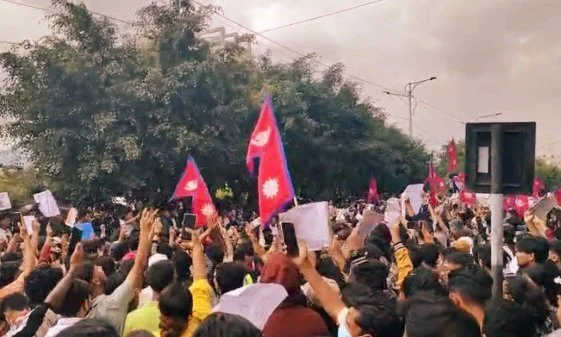
Why Nepal’s Gen Z Has Turned Against the Old Political Guard
Nineteen young protesters were killed in Nepal on Sept. 8 after security forces opened fire during demonstrations sparked by the government’s shutdown of major social media platforms. Their deaths have marked a turning point in Nepal’s politics, as a generation that has already seen good governance in action from younger public servants is now rising to remove a ruling class it no longer trusts.

Punjab Floods Kill 48, Ravage Villages and Farmland
Heavy rains and swelling rivers have unleashed devastating floods across Punjab, leaving 48 people dead and displacing hundreds of thousands. More than 2,050 villages in 23 districts have been inundated, affecting nearly 390,000 (3.9 lakh) residents. Restoring farmland productivity is now the state government’s most urgent task, while the Centre must move quickly to release relief funds.

Outmigration from Bhutan Reaches Critical Levels
An estimated 66,000 Bhutanese now live abroad, with a significant majority in Australia. For a small Himalayan country of just over 765,000 people, this figure translates to nearly 9 percent of the population—and likely a much larger share of the country’s young, working-age citizens.

Today’s Young Adults Aren’t as Happy as They Used to Be
For many years, researchers believed that people were generally happy when they were young, then their happiness levels dipped during midlife, and finally started rising again as they got older. However, a large study involving over 200,000 people across more than 20 countries now shows that people in their late teens and twenties today are not as happy or well-adjusted as people of the same age used to be in the past.